 By
By

Saudi Arabia’s rapid economic transformation under Vision 2030 is creating substantial demand in healthcare infrastructure — and a particularly large opportunity exists in long‑term care (LTC). As the population ages and chronic conditions increase, LTC will become a core segment requiring specialised clinical services, allied health disciplines, and device-based care. This shift translates directly into strong demand for physical medicine & rehabilitation (PM&R), podiatry, and orthotics & prosthetics (O&P) — and for investors, operators and clinicians who can scale capacity and quality.
Why LTC is a strategic growth area
- Demographics and capacity gap: With rising life expectancy and a projected near‑doubling of older adults by 2040, Saudi Arabia faces a large shortfall in hospital and post‑acute capacity. Current analyses show a meaningful proportion of acute beds are occupied by LTC patients, and government priorities now explicitly identify LTC as an investment area.
- High utilisation and urgent demand: LTC occupancy rates are already very high, and forecasts point to tens of thousands of LTC beds needed within the next decade. This creates both near‑term conversion opportunities (repurposing lower‑capacity hospitals) and large greenfield demand for purpose‑built LTC and senior‑living facilities.
How LTC drives demand for PM&R
- Rehabilitation-first care models: Effective LTC emphasizes functional recovery, mobility preservation, and activities of daily living — core domains of PM&R. Inpatient and outpatient rehabilitation teams will be essential for mobilization after acute events, managing progressive disability, and preventing rehospitalisation.
- Integrated care pathways: Investors and operators that embed PM&R services across LTC, home‑care and senior‑living settings will improve outcomes and reduce overall costs — a compelling value proposition for payers and insurers.
- Service line expansion: Opportunities include inpatient rehabilitation wards, day‑rehab centres within senior‑living campuses, home‑based rehab programs enabled by tele‑rehabilitation, and specialist PM&R clinics serving complex geriatric and neurological caseloads.
Podiatry’s role in LTC growth
- Chronic disease complications: Diabetes and peripheral vascular disease, prevalent in aging populations, drive foot morbidity, ulceration, and amputations. LTC populations will need routine podiatric care to prevent complications, manage wounds, and maintain mobility.
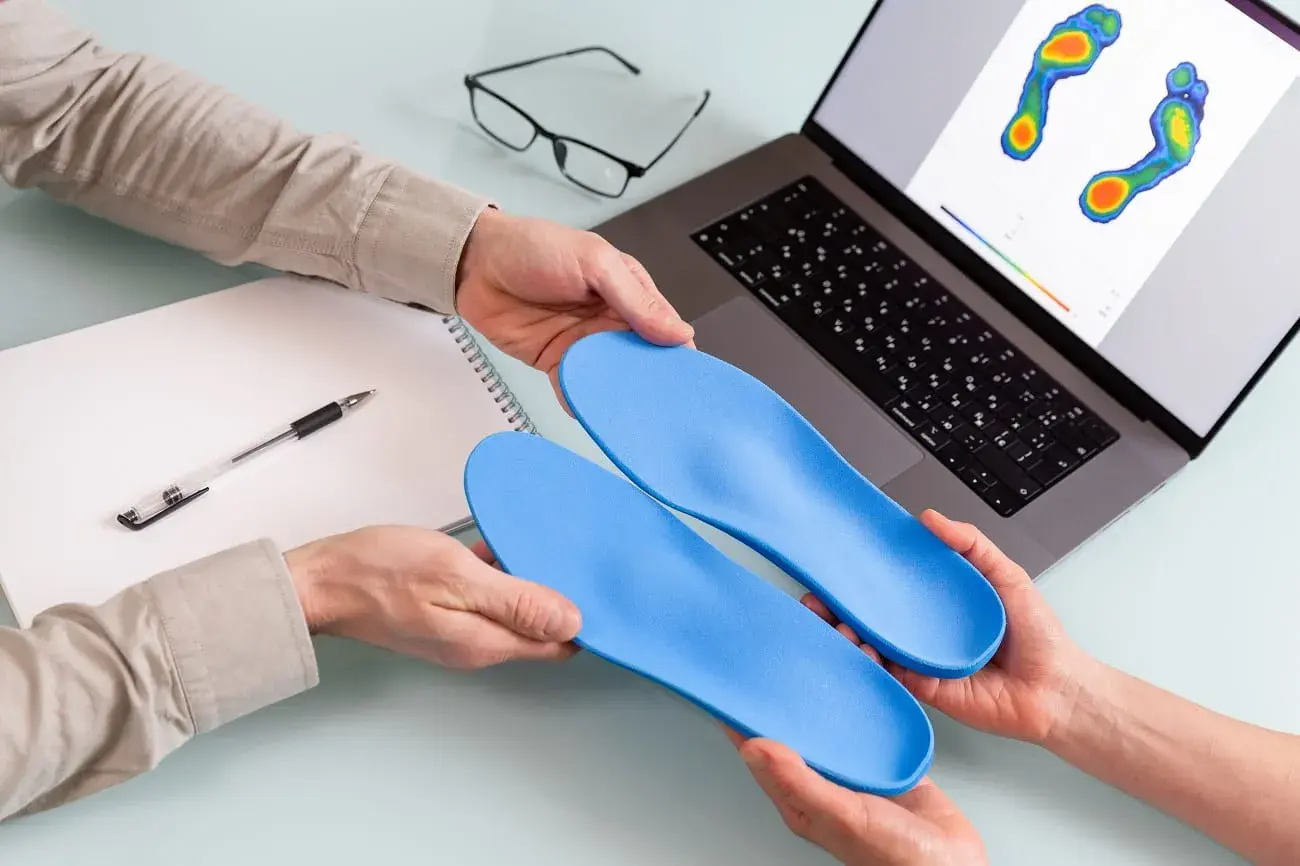
- Preventive and cost‑saving interventions: Embedding podiatry (screening, orthotic footwear, wound care) into LTC and home‑care reduces hospitalisations and long‑term disability — making podiatry services attractive to operators focused on outcomes and cost efficiency.
- Clinic and community models: Demand spans in‑facility podiatry clinics in senior‑living/LTC centres, mobile podiatry/home visits, and specialist diabetic foot programs linked with vascular surgery and wound clinics.
Orthotics & Prosthetics (O&P) prospects
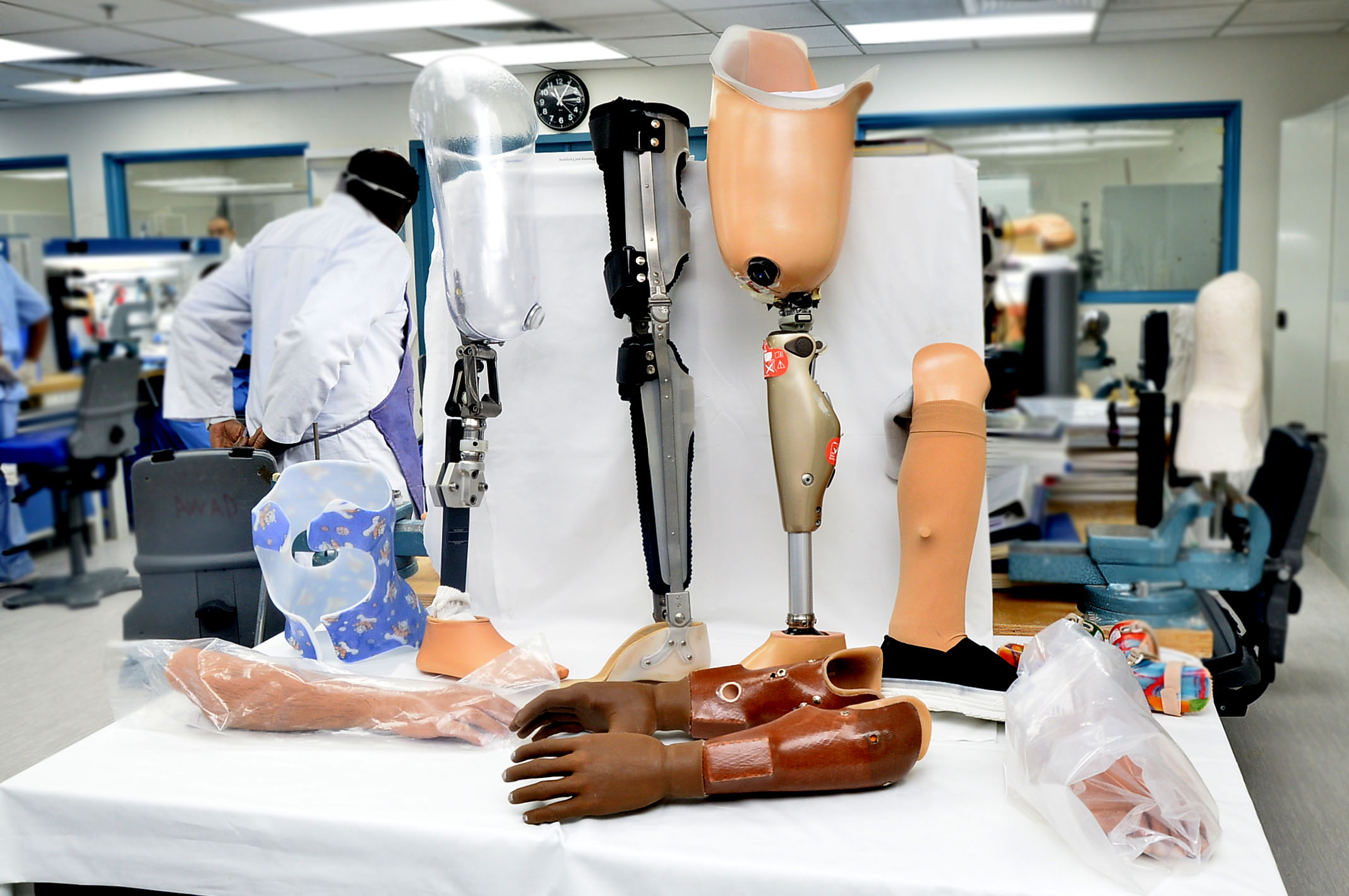
- Rising need for mobility solutions: Aging, stroke, diabetes‑related limb loss and musculoskeletal decline will fuel demand for orthoses, prostheses and mobility aids across LTC and home settings. Custom O&P devices improve independence and reduce caregiver burden.
- Local manufacturing and 3D opportunities: Investors can capitalise on scalable manufacturing (including 3D printing) and localized supply chains to shorten lead times and tailor devices to regional needs and climate considerations.
- Integrated service offerings: O&P labs embedded within rehabilitation hospitals, senior‑living campuses, and specialist clinics — supported by outreach and rapid onsite adjustment — will be commercially valuable and clinically effective.
Business models and investment levers
- Conversions and greenfield development: Repurposing under‑utilised hospitals into LTC or developing senior‑living communities with integrated medical and rehab services can rapidly scale capacity.
- Vertical integration: Combining LTC beds, PM&R services, podiatry clinics, and O&P labs under one operator increases care continuity, drives referrals, and enhances revenue diversification.
- Public‑private partnerships and branded partnerships: Collaborations with international specialty providers, rehabilitation networks, or medical device firms can accelerate capability transfer and attract patients who previously sought care abroad.
- Home‑first and tech‑enabled models: High uptake of home‑care and telehealth creates opportunities for remote PM&R, mobile podiatry, and decentralized O&P fitting/adjustment services, reducing institutional demand while expanding service reach.
Clinical and regulatory considerations
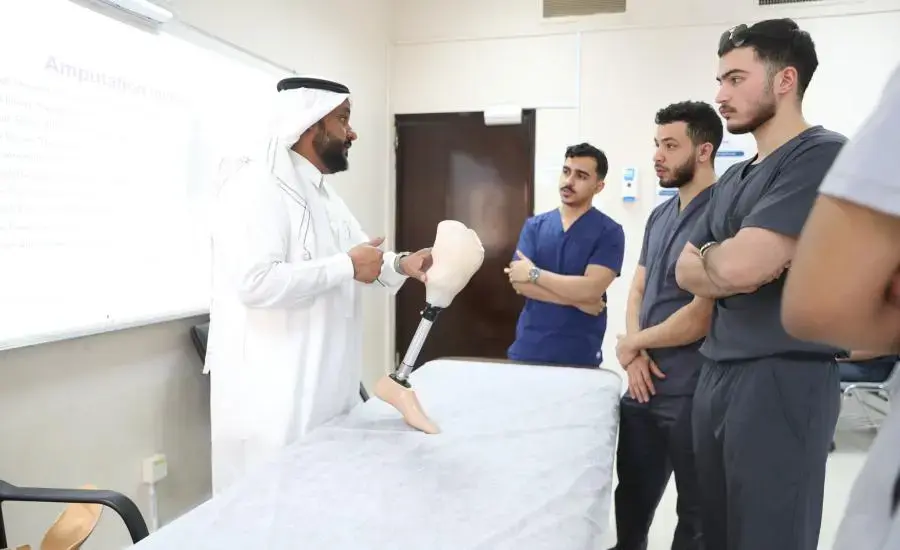
- Workforce and training: Scaling LTC requires PM&R specialists, certified podiatrists, and skilled O&P technicians — plus training programs and upskilling partnerships with academic centres.
- Quality and outcomes: Investors should design facilities and services around functional outcomes, readmission reduction, and patient‑centred measures to align with payers and national quality goals.
- Regulation and reimbursement: Understanding Saudi licensing, professional scopes, device import/manufacturing rules, and evolving reimbursement for LTC and allied services is essential to de‑risk investments.
Conclusion
The Kingdom’s demographic shift and policy emphasis on LTC create a significant market for specialised clinical teams and device-based rehabilitation. PM&R, podiatry, and orthotics & prosthetics are poised to be core growth areas within LTC ecosystems — offering multiple investment and operational opportunities across facility conversions, integrated senior‑living developments, outpatient and home‑care services, and localized device manufacturing. Stakeholders who combine clinical excellence, integrated care pathways, and technology‑enabled service delivery will be best positioned to capture value while improving outcomes for Saudi Arabia’s aging population.