 By
By
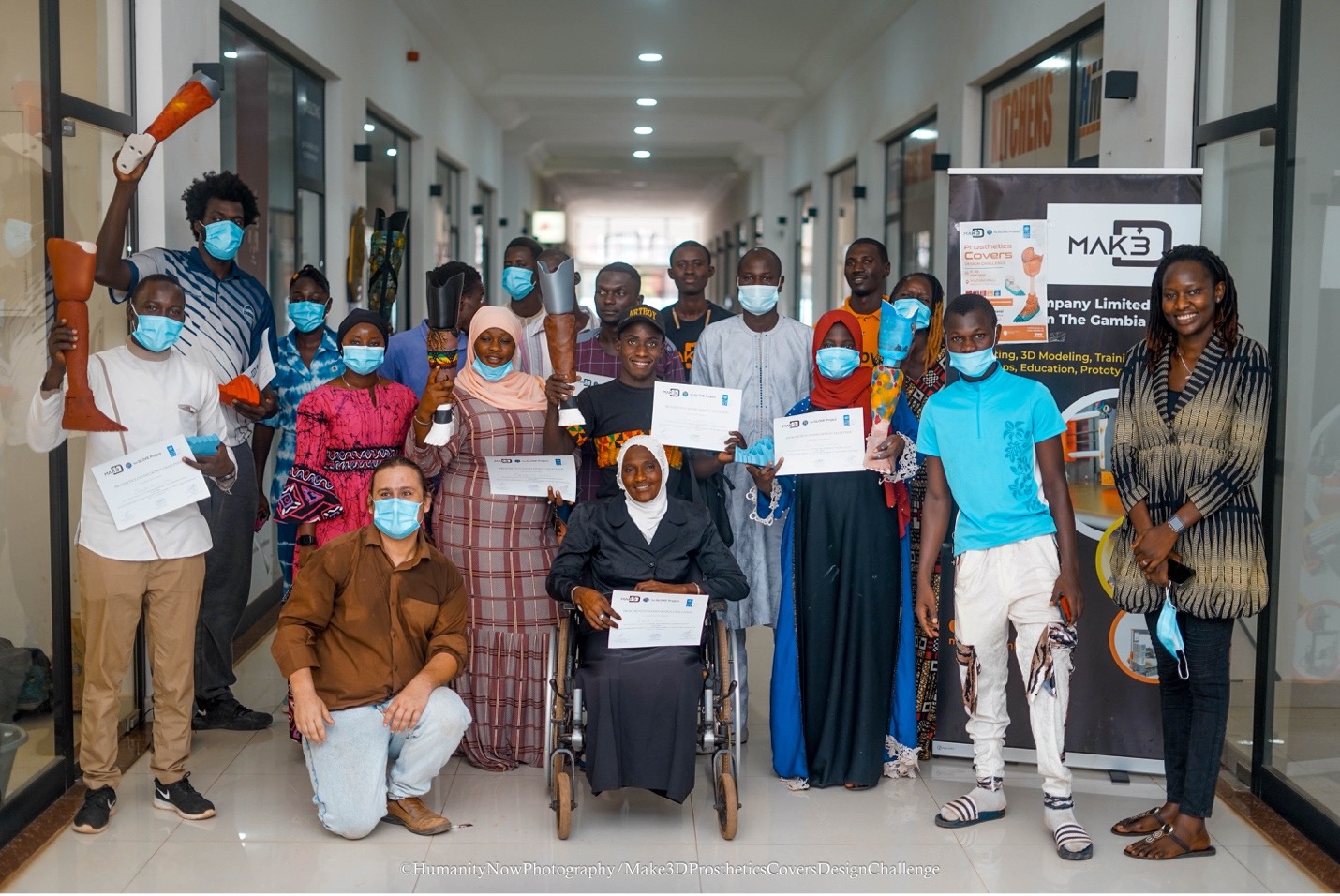
The Gambia is a small market in absolute size, but it is more important to rehabilitation, orthotics, prosthetics, and assistive technology than its scale alone might suggest. The country had a population of 2,697,845 in 2023, current health expenditure equal to 3.19% of GDP in 2021, and is classified by the World Bank as low income. For IMEA CPO readers, that points to a market where access, affordability, and service delivery models matter at least as much as product sophistication.
What makes The Gambia relevant is not a large established commercial O&P sector. It is the combination of unmet rehabilitation need, growing disability-policy infrastructure, concentrated health services, and practical demand for mobility, corrective, and assistive products. The country’s 2021 Persons with Disabilities Act created a National Advisory Council for Persons with Disabilities, included dedicated sections on healthcare and rehabilitation, and provided for rehabilitation programmes, community-based rehabilitation and inclusion services, and the provision of assistive devices and equipment.
That matters because markets like The Gambia are often shaped less by premium component penetration and more by whether the system can identify patients, assess them early, fit appropriate devices, maintain services, and reach people outside the main urban centres. The Gambia’s own policy and planning documents repeatedly frame disability as a cross-sector issue involving health, social welfare, education, and local government rather than as a narrow specialist service line.
Why this market matters
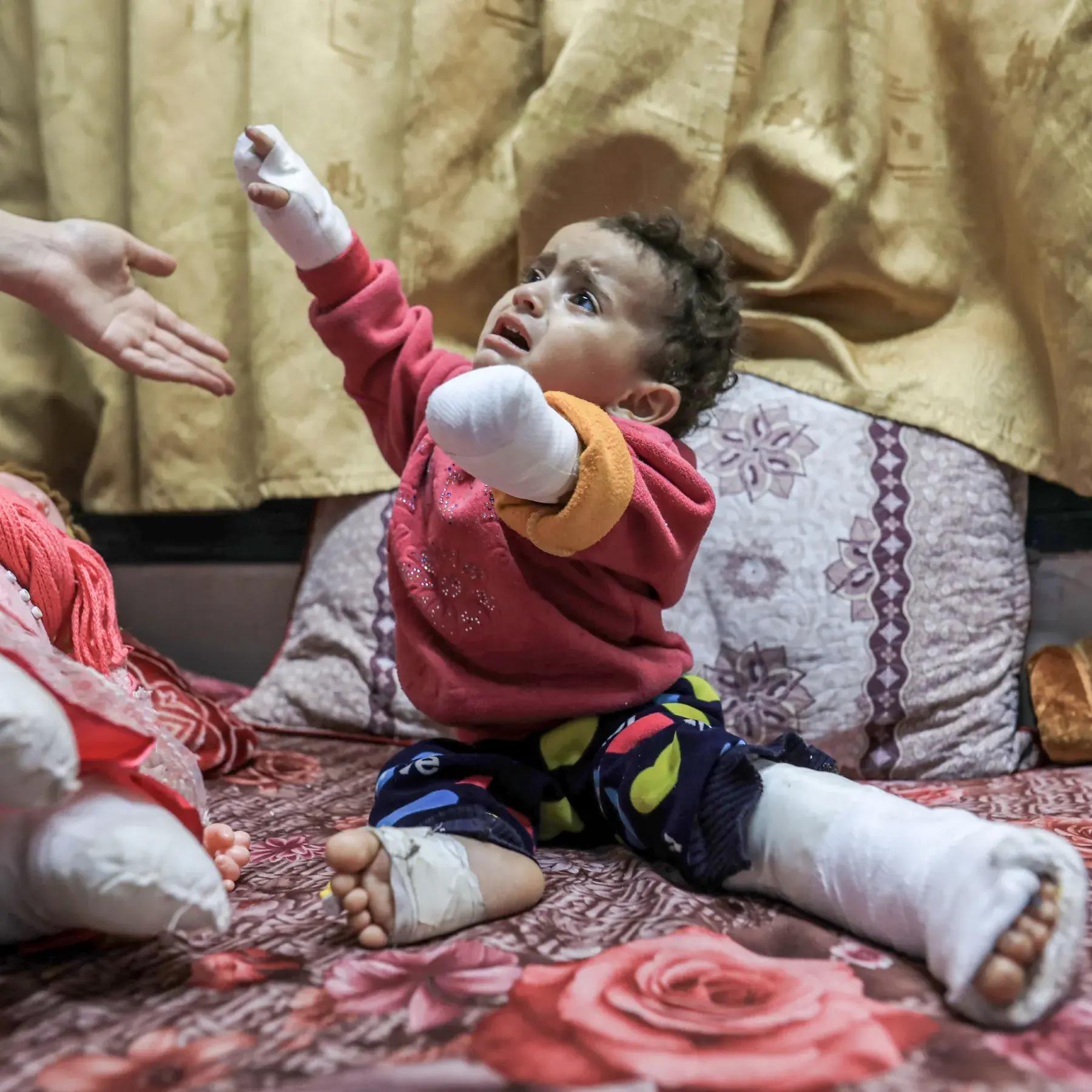
One of the clearest reasons to watch The Gambia is the country’s unmet rehabilitation and assistive-technology need. A national disability study found that children with disabilities needed early identification and assessment, physiotherapy and rehabilitation services, speech and language therapy, mobility and orientation support, and the supply and maintenance of assistive devices and equipment. The same study said these services were generally inadequate at community level and reported that early identification, physiotherapy, speech therapy, and rehabilitation were largely unavailable except in communities near referral hospitals such as Farafenni and RVTH, now EFSTH.
The study also highlighted the practical barriers that matter commercially and clinically in low-resource O&P markets: transport costs, long travel distances, repeated visits for therapy and rehabilitation, and affordability challenges for families. It additionally noted that the earlier disability policy agenda in The Gambia called for stronger rehabilitation services and the provision of affordable assistive devices. Even though some of that evidence is older, it remains useful because it identifies structural access barriers that are consistent with the country’s current low-income profile and service concentration.
Diabetes is another meaningful demand driver. The IDF reports that in 2024 The Gambia had 225,001 adults aged 20–79, a diabetes prevalence of 5.5%, and around 54,000 adults living with diabetes. In O&P and rehabilitation terms, that supports long-term need for diabetic foot care, pressure relief, protective footwear, insoles, lower-limb orthotic support, mobility products, and, in severe cases, post-amputation rehabilitation.
Rehabilitation demand drivers
Trauma is also a real part of the picture. A study of road traffic injuries in two major urban trauma hospitals in The Gambia found that nearly half of road traffic injuries involved pedestrians, and that pedestrians, bicyclists, and motorcyclists together accounted for about two-thirds of injuries. Another study using emergency department data noted that the country’s health system includes eight government hospitals and seven public health clinics, with the majority of services concentrated in the urban Greater Banjul area. That combination is important: trauma demand exists, but specialist follow-up and rehabilitation capacity are still geographically uneven.
Paediatric orthopaedic and corrective care is another notable area. In January 2023, TİKA reported support for the construction of a new treatment centre for children with clubfoot at Brikama District Hospital, working with the Gambia Clubfoot Foundation. The report described it as the first treatment centre in the country specifically for children being treated for clubfoot and their families. For IMEA CPO readers, this is a useful signal that practical lower-limb correction and paediatric orthopaedic support remain active areas of need and partnership.
The country also appears to be moving slowly toward a more structured disability and rehabilitation framework. The National Development Plan 2023–2027 notes the implementation context for the Disability Act, support for the National Advisory Council, the intention to operationalise disability policy through inter-sectoral collaboration, and the role of the Disability Care Unit in providing rehabilitation and social services including physiotherapy, vocational advice, and counselling. That does not mean the system is already mature, but it does suggest a policy direction that could support more organised assistive and rehabilitation provision over time.
Market characteristics
The Gambian market looks more suited to practical, value-led O&P and rehabilitation growth than to a narrow premium-tech model. The likely demand profile is in core service categories such as:
- lower-limb orthoses and mobility support
- prosthetic and orthotic products linked to public and NGO pathways
- diabetic foot and limb-preservation support
- paediatric corrective care
- workshop consumables and basic fabrication capability
- training, outreach, and follow-up services
This is partly an inference, but it is a grounded one based on the country’s low-income status, the legislative emphasis on assistive devices and rehabilitation, the documented service-access gaps, and the concentration of higher-level care around the main urban and referral facilities.
Geographically, Greater Banjul remains the central service hub, but that is also part of the opportunity. When most higher-level services are concentrated around a limited number of hospitals, there is room for more decentralised models built around outreach, referral pathways, satellite fitting days, durable components, and practical maintenance support. The legal framework’s references to local government committees and community-based rehabilitation also reinforce that direction.
Key opportunities for IMEA CPO readers
Diabetic foot and prevention-led lower-limb care
With diabetes prevalence at 5.5% and around 54,000 adults living with diabetes in 2024, The Gambia has a credible need for offloading, protective footwear, custom insole solutions, and lower-limb orthotic support. In markets with limited specialist access, prevention-led services can be especially valuable.
Affordable assistive and orthopaedic support
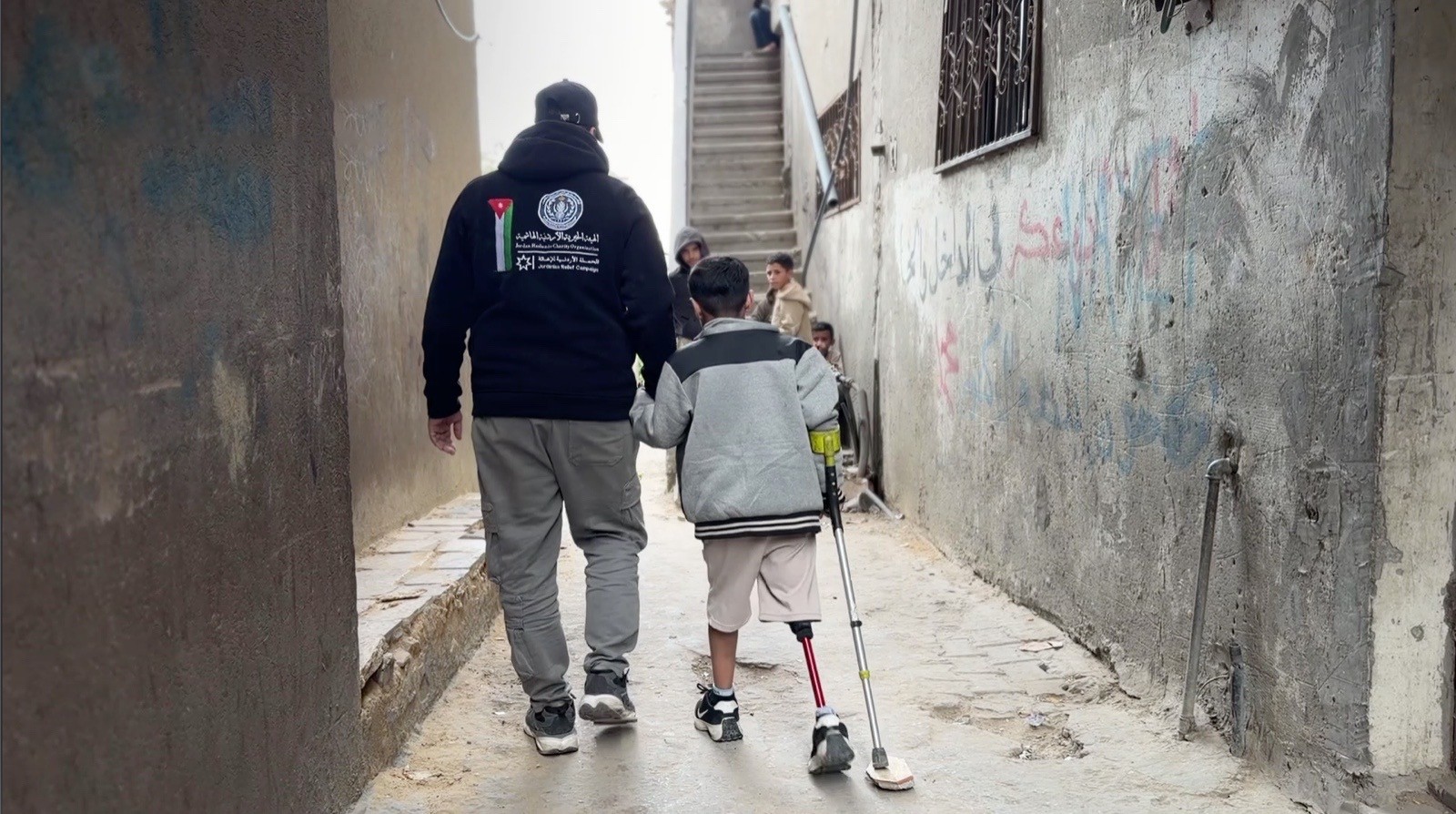
The policy framework in The Gambia explicitly references assistive devices, rehabilitation, and community support services. That supports a market opportunity for products that are robust, maintainable, and affordable rather than overly dependent on high-cost, high-complexity pathways.
Paediatric services
Clubfoot services at Brikama show that paediatric orthopaedic support remains a live and visible need. This creates room for training, consumables, bracing-related support, and structured referral-led paediatric rehabilitation partnerships.
Capacity building and service support
The Gambia’s challenge is not only a product gap. It is a service-capacity gap. The strongest opportunities may therefore sit at the intersection of product supply, clinical education, workshop support, repair capability, and follow-up systems. That aligns with the national development and disability-policy direction as well as the documented shortage of community-level rehabilitation access.
Main constraints
The biggest constraints are affordability, limited decentralised service coverage, transport barriers, and the relatively small size of the addressable market compared with larger African economies. The evidence also points to a system where repeated visits for therapy or rehabilitation can be difficult for families, and where much of the higher-level care remains concentrated in urban areas. That can slow adoption of any service model that depends on frequent follow-up or expensive imported products without local support.
There is also a difference between policy progress and service maturity. The Disability Act and current development planning are important positives, but the country is still in a system-building phase. For suppliers and service partners, that means success is more likely to come from patient, value-focused engagement with public, NGO, and community channels than from assuming a fast-scaling private premium market.
Bottom line
The Gambia is a small but meaningful rehabilitation and assistive-product market with real relevance for orthotics and prosthetics. Its strongest opportunities appear to be in affordable lower-limb support, diabetic foot care, paediatric correction, mobility-related assistive products, and service models that can work beyond a narrow urban core.
For IMEA CPO readers, The Gambia is best understood as a practical access market rather than a premium technology market. The need is clear, the policy framework is improving, and the service base still has room to grow. That usually creates opportunity for clinically grounded suppliers and partners who can combine appropriate products with training, follow-up, and realistic delivery models.