 By
By
Mali is one of the more important rehabilitation and assistive-technology markets in West Africa, not because it is already a mature orthotics and prosthetics market, but because the scale of need is high and the service gaps remain substantial. Mali had a population of 23.77 million in 2023, current health expenditure equal to 4.47% of GDP in 2021, and is classified as a low-income country. That combination points to a market where affordability, institutional partnerships, and practical service delivery models matter as much as device technology itself.
For IMEA CPO readers, Mali stands out because demand is driven by several overlapping pressures at once: conflict-related injuries, mine and explosive remnants of war survivors, disability-linked exclusion, diabetes, and limited access to physical rehabilitation services outside major centres. WHO’s country profile confirms the country’s scale and resource constraints, while humanitarian and mine-action sources show that rehabilitation demand is not theoretical; it is active, ongoing, and tied to real service shortages.
Why this market matters
One of the strongest reasons to watch Mali is the country’s rehabilitation burden linked to insecurity and conflict. Humanity & Inclusion says its Mali programme works in Sikasso, Bamako, Mopti, Timbuktu, and Gao, and includes functional and physical rehabilitation, mental health and psychosocial support, explosive ordnance risk education, and assistance to victims of armed conflict. That breadth is important because it shows Mali’s O&P opportunity is not just about product distribution; it is about integrated rehabilitation systems operating in fragile settings.
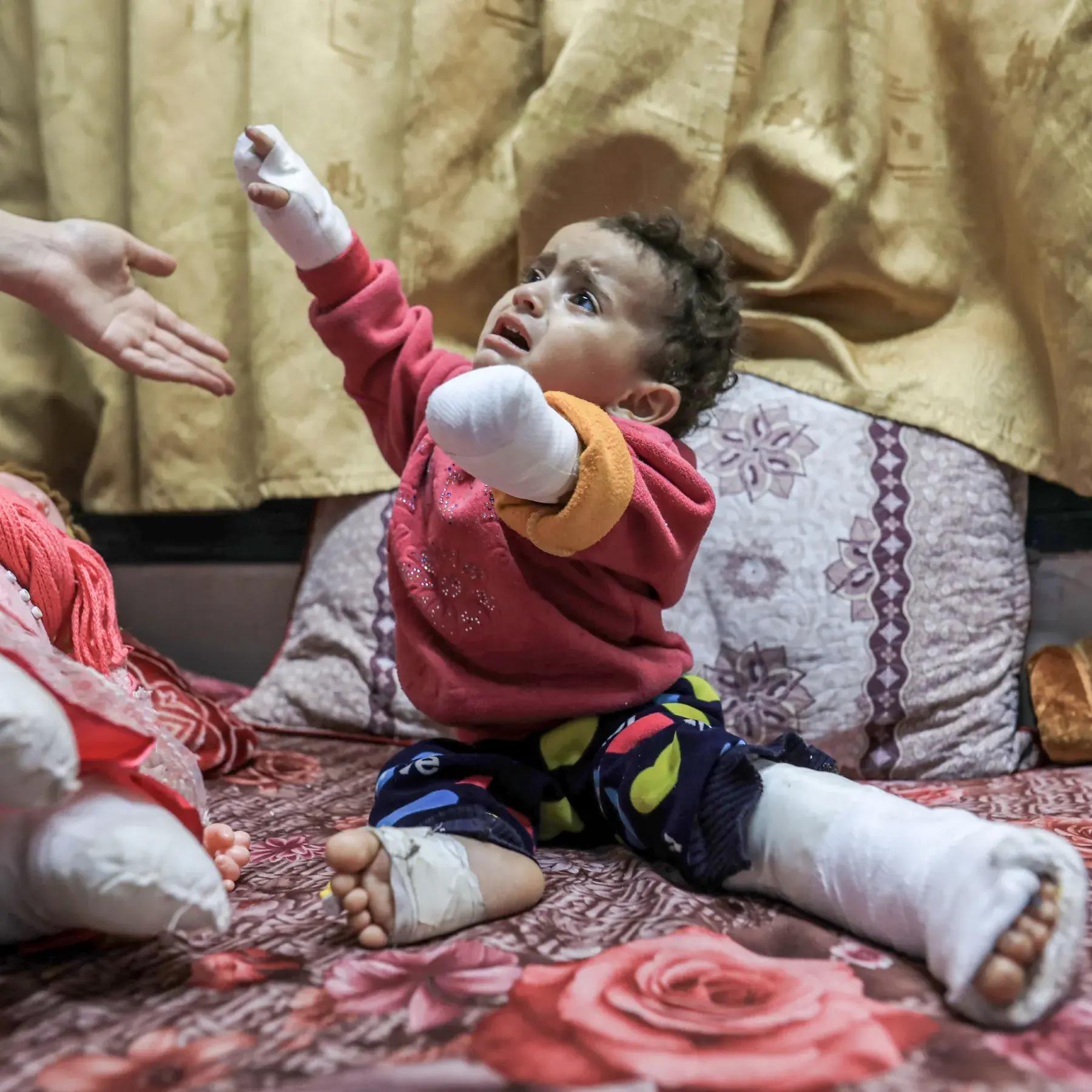
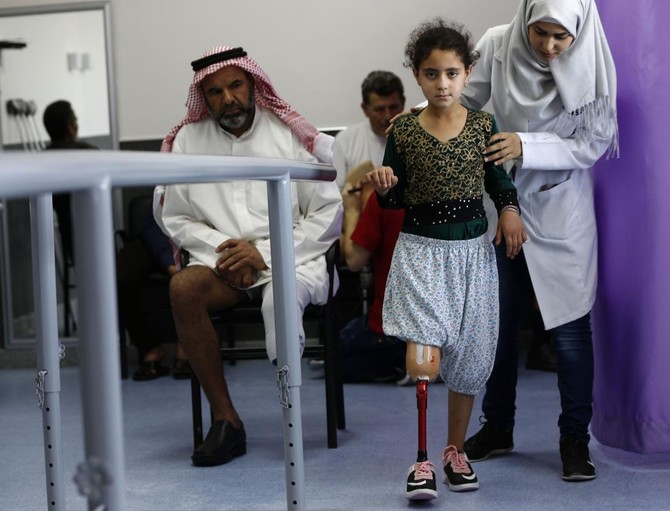
Mine and explosive ordnance survivors are also a meaningful part of the market. The Anti-Personnel Mine Ban Convention’s 2025 observations on Mali state that Mali reported providing healthcare, rehabilitation, and psychological services, while also facing implementation challenges because of lack of resources. The same 2025 committee observations note broader shortages of prosthetic and orthotic technicians, physiotherapists, and occupational therapists as a barrier to effective rehabilitation services in affected states. For O&P providers, this is a clear indicator of ongoing need for devices, workforce support, and service capacity.
Diabetes is another major driver. The International Diabetes Federation reports that in 2024 Mali had 10,026,100 adults aged 20–79, diabetes prevalence of 4.8%, and about 357,400 adults living with diabetes. In practical orthotics and prosthetics terms, that supports ongoing demand for diabetic foot management, pressure relief, orthotic intervention, protective footwear, and post-amputation rehabilitation.
Rehabilitation demand drivers
Conflict and explosive injuries remain central to Mali’s rehabilitation profile. UNICEF’s 2024 and 2025 humanitarian appeals describe Mali as facing very large humanitarian needs, with millions of people requiring assistance amid insecurity and displacement. While those documents are broader than O&P alone, they reinforce the national operating context in which rehabilitation services have to function: disrupted access, fragile infrastructure, and vulnerable populations.
Physical rehabilitation access is limited and uneven. The ICRC said in 2018 that adequate physical rehabilitation services in Mali were “few and far between,” especially as armed conflict and insecurity made access to health care more difficult, and highlighted its supported orthopaedic centre in Gao. That source is older, but it remains useful because newer mine-action and HI reporting still point to service-capacity constraints and rehabilitation demand in Gao and other conflict-affected regions rather than suggesting the problem has been solved.
The market is therefore shaped by a combination of acute and chronic pathways: trauma and blast injury on one side, and diabetes and long-term disability-related mobility needs on the other. That tends to favour robust, maintainable, value-conscious prosthetic and orthotic solutions rather than highly premium models dependent on dense specialist infrastructure. This is an inference, but it is strongly supported by Mali’s income level, humanitarian context, and documented workforce shortages.
Market characteristics
Mali appears better suited to practical, partnership-led O&P growth than to a narrow private premium-tech model. The strongest opportunities are likely to sit in areas such as:
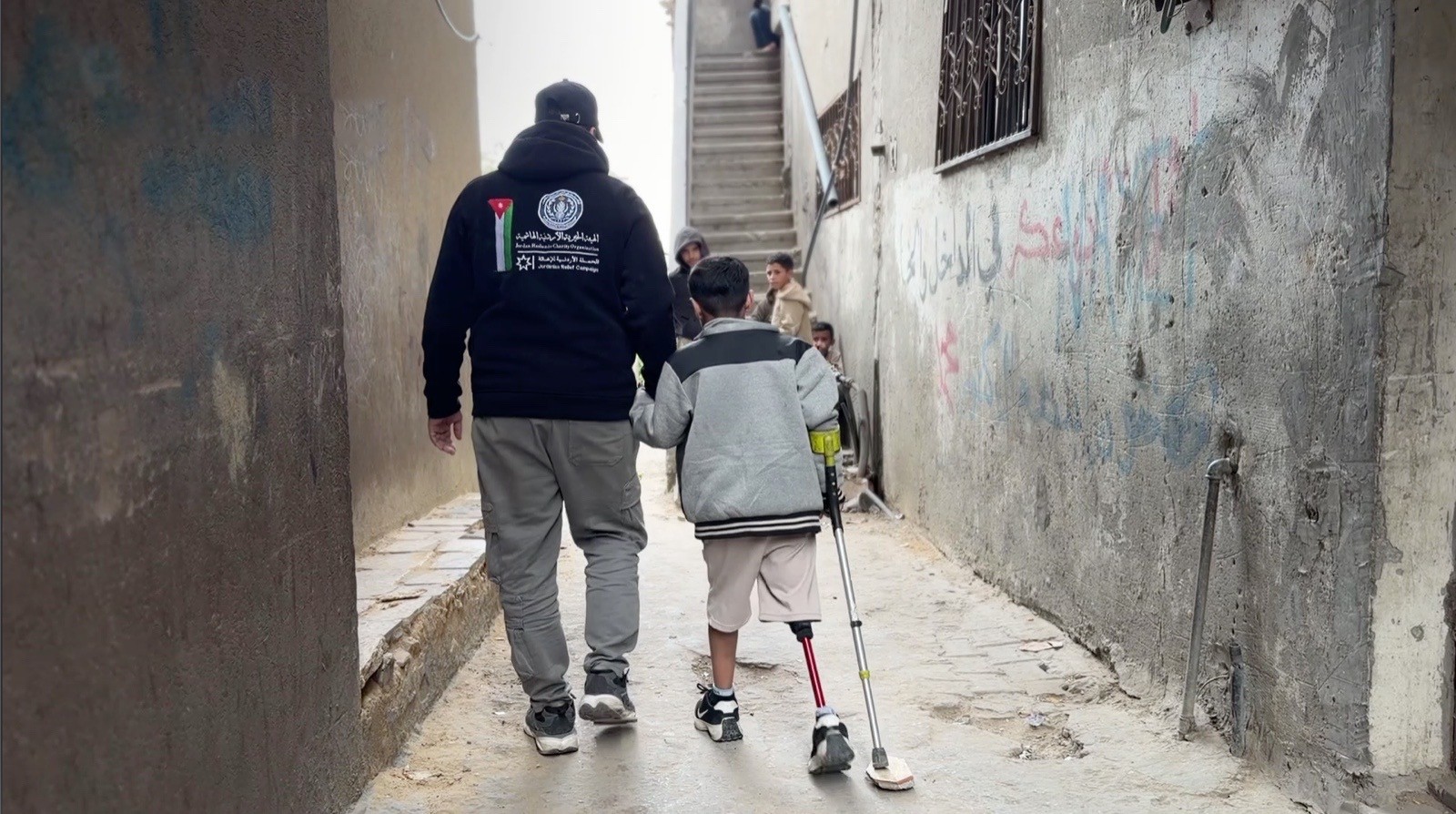
- lower-limb prosthetic rehabilitation linked to conflict, trauma, and amputation care
- orthotic bracing and mobility support
- diabetic foot protection and limb-preservation pathways
- workshop consumables and fabrication support
- clinician and technician training
- NGO, humanitarian, and public-institution supply partnerships
That view is consistent with Mali’s low-income profile, the rehabilitation pressures described by HI and UNICEF, and the specific shortage of prosthetic/orthotic personnel noted in mine-action reporting.
Geographically, Bamako is important, but Mali’s rehabilitation need is not limited to the capital. HI specifically identifies activity across Sikasso, Bamako, Mopti, Timbuktu, and Gao. That matters because it suggests a more distributed service map, where outreach, satellite support, regional partnerships, and durable follow-up models may be more relevant than capital-city-only strategies.
Key opportunities for IMEA CPO readers
Conflict-linked rehabilitation and prosthetic support
Mali’s conflict environment continues to generate rehabilitation need, especially for victims of armed conflict and explosive ordnance. This supports demand for prosthetic devices, orthotic support, gait rehabilitation, and related physical rehabilitation services.
Diabetic foot and lower-limb orthotics
With about 357,400 adults living with diabetes in 2024, Mali has meaningful need for protective footwear, custom insoles, offloading solutions, and lower-limb orthotic intervention. In lower-resource settings, prevention-led diabetic pathways can be particularly valuable because they reduce downstream limb-loss burden.
Capacity building and workforce support
One of the clearest structural opportunities is service-capacity support. The shortage of prosthetic and orthotic technicians and rehabilitation professionals suggests room for training, education partnerships, workshop upgrading, and systems support, not just device sales.
Institutional and humanitarian partnerships
Because the market is strongly shaped by public, humanitarian, and conflict-response needs, suppliers that can work effectively with hospitals, NGOs, rehabilitation centres, and donor-funded programmes may be better positioned than those relying mainly on consumer-style private demand. This is an inference from the source base, but a well-grounded one.
Main constraints
The main constraints are affordability, insecurity, uneven access to care, and limited rehabilitation workforce capacity. Mali’s humanitarian setting makes continuity of care harder, especially when services require multiple visits, long travel, or specialised maintenance. At the same time, the shortage of prosthetic/orthotic technicians and allied rehabilitation personnel limits how quickly quality services can scale.
There is also a clear difference between demand and service readiness. The need is substantial, but operating conditions are difficult. For O&P companies and partners, that means success is more likely to come from durable, value-focused, service-backed offerings than from assuming a fast-growing premium market.
Bottom line
Mali is one of West Africa’s more important rehabilitation and assistive-technology markets because of the scale of unmet need, the continuing effects of conflict and explosive injuries, and the country’s limited rehabilitation capacity. Its biggest opportunities appear to be in practical prosthetics, lower-limb orthotics, diabetic foot pathways, workshop support, and institutional partnerships that strengthen service delivery rather than only supplying products.
For IMEA CPO readers, Mali is best understood as a high-need, system-constrained market where clinically grounded, resilient, value-conscious O&P solutions are likely to matter most. The demand is real, but it sits inside a challenging operating environment, so the winners are likely to be those who combine products with training, support, and realistic delivery models.