 By
By
Senegal is not yet one of the most talked-about orthotics and prosthetics markets in Africa, but it is becoming increasingly important for rehabilitation, assistive technology, and practical service expansion. With a population of 18.1 million in 2023, current health expenditure equal to 4.35% of GDP in 2021, and lower-middle-income status, Senegal offers a meaningful mix of scale, public-sector relevance, and rising need for mobility, rehabilitation, and assistive product access.
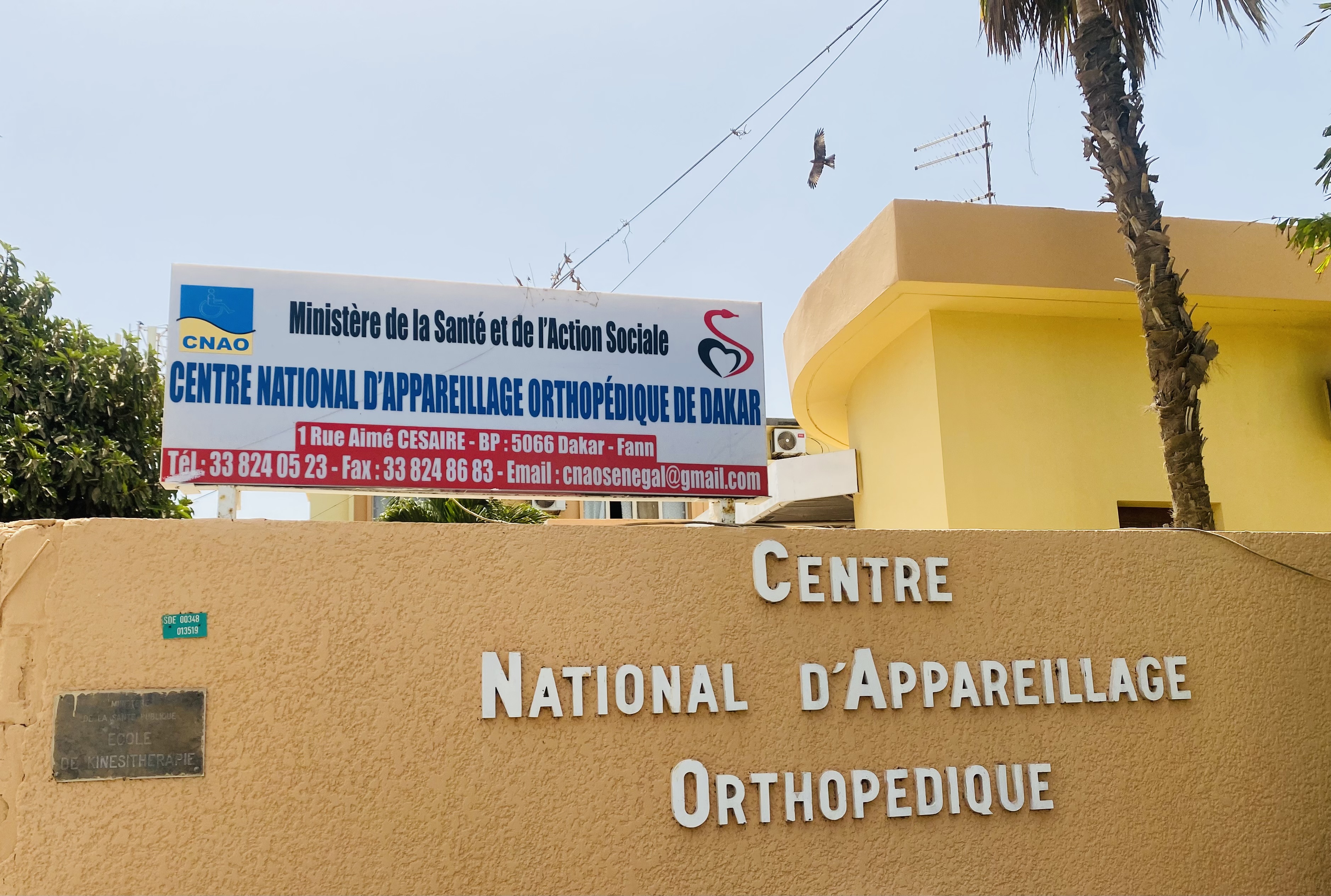
For IMEA CPO readers, what makes Senegal especially interesting is that demand is shaped by several overlapping realities at once. It is not only a diabetic foot or chronic disease story, and it is not only a trauma story. It is also a systems-building story. Senegal has an established national orthopaedic centre in Dakar, a public rehabilitation and prosthetics/orthotics base through the CNAO, a regional orthopaedic device centre in Ziguinchor, and a national assistive technology push that is now receiving visible government and partner backing.
That combination matters. In many markets, O&P demand exists but the service system is too fragmented to scale. In Senegal, the system is still under strain, but there are signs of organised national effort. ATscale reports that Senegal’s “Bokk Naa Ci” programme, launched in 2023 through the National Center for Orthopedic Services with support from WHO and UNICEF, is designed specifically to expand access to assistive technology. The programme’s reported progress includes new orthopaedic equipment, integration of assistive-technology indicators into DHIS2, mobile outreach plans, and additional government funding commitments.
Why Senegal matters for prosthetics and orthotics
One of the clearest long-term opportunities is the practical rehabilitation market around assistive product access itself. ATscale reports that 62.6% of people in Senegal who need assistive technology still do not have access to it. That is a major gap, and for O&P businesses it points not only to device need, but also to system need: assessment, fitting, follow-up, outreach, repair, referral, and clinician training.
Diabetes is another important driver, even if Senegal’s national prevalence is lower than in some North African or Gulf markets. The IDF reports 251,600 adults aged 20–79 living with diabetes in Senegal in 2024, with adult prevalence at 3.8%. That is still a substantial caseload for a country where access barriers remain significant and where delayed diagnosis and complication management can create downstream demand for protective footwear, custom insoles, offloading orthoses, mobility support, and post-amputation rehabilitation.
Senegal also appears relevant from an amputation-prevention perspective. A hospital-based study from Senegal found infections were the leading cause of major amputations at 53.2%, followed by vascular disease at 17.9%, while trauma accounted for 11.9%. That pattern is important commercially and clinically because it suggests the market is not defined only by dramatic trauma cases; it is also shaped by preventable and treatable medical pathways where earlier intervention could reduce later limb loss and disability.
Rehabilitation demand drivers
Trauma remains a real part of the picture. A Senegal emergency department study noted a road traffic injury mortality rate of 27.3 per 100,000 and described motor vehicle injury as one of the most common trauma mechanisms seen. That matters for O&P because road trauma, limb injury, fracture complications, and soft tissue damage all feed long-term need for bracing, splinting, mobility devices, and, in some cases, prosthetic rehabilitation.
There is also a more localised but clinically significant conflict-related rehabilitation burden in Casamance. Senegal’s reporting under the Mine Ban Convention states that rehabilitation for mine survivors and persons with disabilities is available through the regional centre for orthopaedic devices at the regional hospital in Ziguinchor, and that mine survivors received mobility devices and orthoses in 2023. This does not make Senegal a conflict-driven O&P market in the same way as some neighbouring or crisis-affected settings, but it does underline that prosthetic, orthotic, and rehabilitation demand in the south remains materially important.
A further demand driver is sheer unmet access across rehabilitation and assistive technology. WHO-supported rATA work and related equity analysis show that access to assistive products is often substantially worse in rural areas and in lower-HDI contexts, while ATscale’s Senegal programme is explicitly trying to address these geographic access gaps through mobile units and regional coordination. For IMEA CPO readers, this suggests that Senegal’s future O&P opportunity is not just in Dakar-based clinic activity but in decentralised service delivery models as well.
Market characteristics
Senegal appears better suited to practical, value-focused O&P and rehabilitation growth than to a narrow premium-only imported component model. The strongest opportunities are likely to be in areas such as:
- prosthetic and orthotic services linked to public and NGO-supported pathways
- mobility devices and walking aids
- diabetic foot protection and lower-limb orthotics
- paediatric rehabilitation support
- community and regional outreach models
- workshop equipment, consumables, and service-capacity building
That conclusion is an inference from the country’s lower-middle-income profile, the large assistive access gap, the public-sector role of CNAO, and the current emphasis on systems strengthening rather than luxury-tech penetration.
Geographically, Senegal is also a useful West African reference market. Dakar remains the principal hub, but the policy direction now clearly points toward broader regional coverage. ATscale notes that seven regions have established multisectoral committees on disability and access to assistive technologies, while Senegal’s victim assistance reporting highlights service relevance in Ziguinchor, Kolda, Sédhiou, Oussouye, Bignona, and Bounkiling. That gives the market a more distributed future profile than a single-city analysis would suggest.
Key opportunities for IMEA CPO readers
Diabetic foot and limb preservation
Senegal’s diabetes numbers are not as high as in some IMEA markets, but they are still large enough to support meaningful growth in footwear, insoles, offloading, and follow-up care. Combined with the country’s amputation data, this supports a strong prevention-led O&P opportunity.
Public-sector and partner-backed prosthetics and orthotics
The CNAO is already functioning as a national anchor institution, and recent investment has included renovation, workshop equipment, training, and programme-level support. That makes Senegal relevant for suppliers that can work through institutional channels rather than relying only on private retail demand.
Regional and mobile service expansion
Senegal’s current policy direction strongly favors outreach beyond established centres. Providers that can support mobile fitting, regional service models, low-maintenance components, and robust follow-up systems may be well positioned.
Workshop and capacity-building demand
Because the sector is still expanding access, there is likely to be continued demand for fabrication equipment, consumables, clinical tools, training, and workshop modernization. This is supported by the documented renovation and equipping of the CNAO prosthetics-orthotics production workshop and the wider national push to improve assistive technology provision.
Main constraints
The challenges are real. Senegal still has a major assistive technology access gap, and the burden falls disproportionately outside the best-served urban settings. Rural access barriers, cost barriers, transportation challenges, and limited specialist coverage remain important constraints. Even Senegal’s mine-victim reporting points to ongoing resource limitations, especially around broader socioeconomic inclusion.
For O&P businesses, that means success is likely to depend on:
- value-focused product positioning
- compatibility with public-sector and donor-supported pathways
- dependable service and maintenance models
- clinician and technician training
- practical distribution beyond Dakar
- evidence that products improve function and reduce downstream disability costs
These are partly inferences, but they follow directly from the country’s funding profile, access constraints, and current systems-strengthening trajectory.
Bottom line
Senegal is an under-watched but increasingly credible orthotics, prosthetics, and assistive technology market in West Africa. Its strongest opportunities do not appear to be in a narrow premium-tech niche. They appear to be in practical prosthetics and orthotics, workshop capacity, public-sector service development, diabetic foot prevention, mobility support, and outreach-oriented rehabilitation models.
For IMEA CPO readers, Senegal is worth watching because the need is real, the national service base already exists, and the country is now moving from isolated provision toward a more organised access model. That usually creates room for clinically grounded suppliers, trainers, and service partners that can match product quality to real-world system constraints.