 By
By
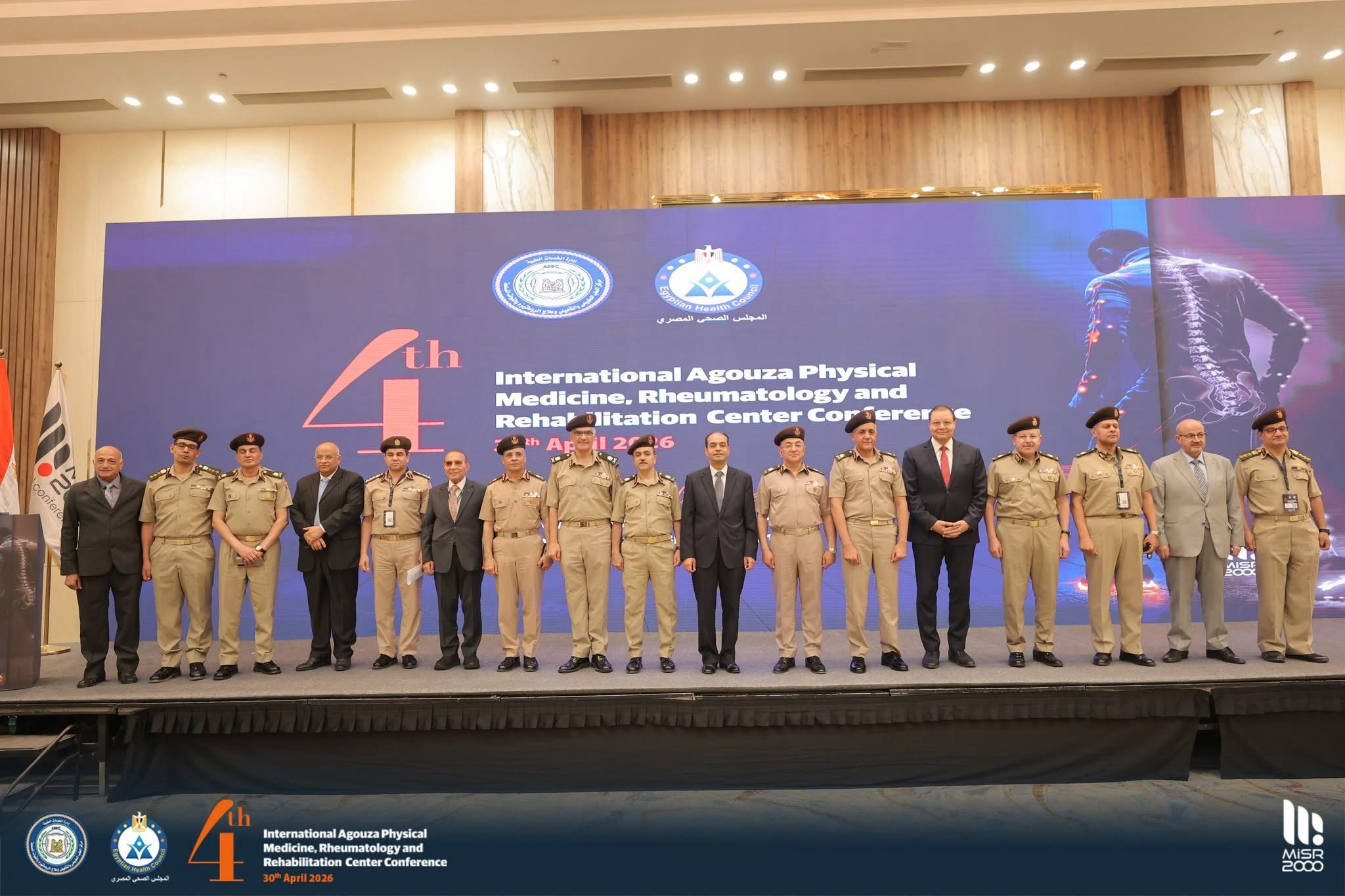
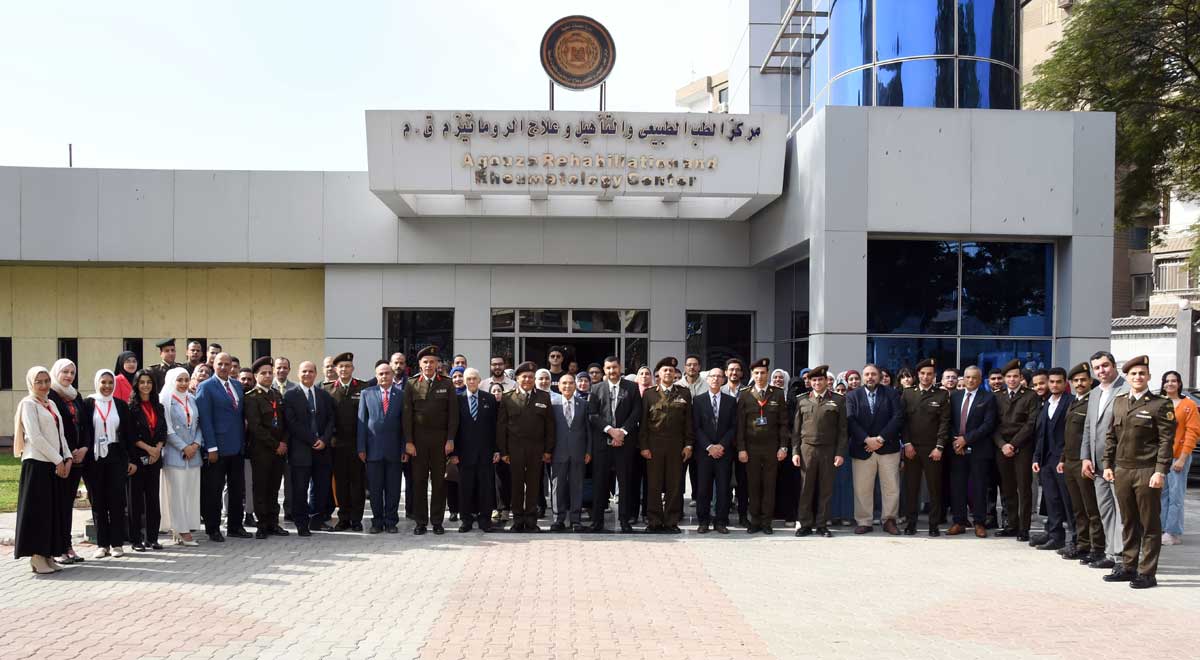
The 4th International Agouza Physical Medicine, Rheumatology, and Rehabilitation Center Conference is set to attract attention across Egypt’s rehabilitation sector, not only because of its scientific focus, but because the Agouza center has become an increasingly visible platform for linking physical medicine, rehabilitation, prosthetics, and clinical training under one roof. Publicly accessible details for the 4th edition were not fully available at the time of writing, but the conference follows a growing series of Agouza-led events that have already established the center as an important meeting point for Egyptian and international rehabilitation specialists.
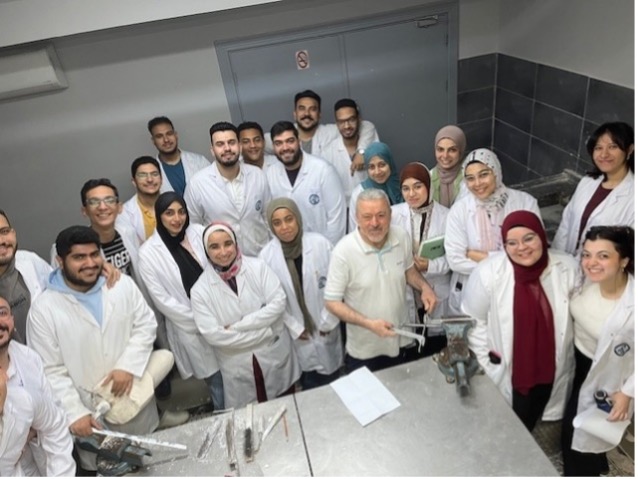
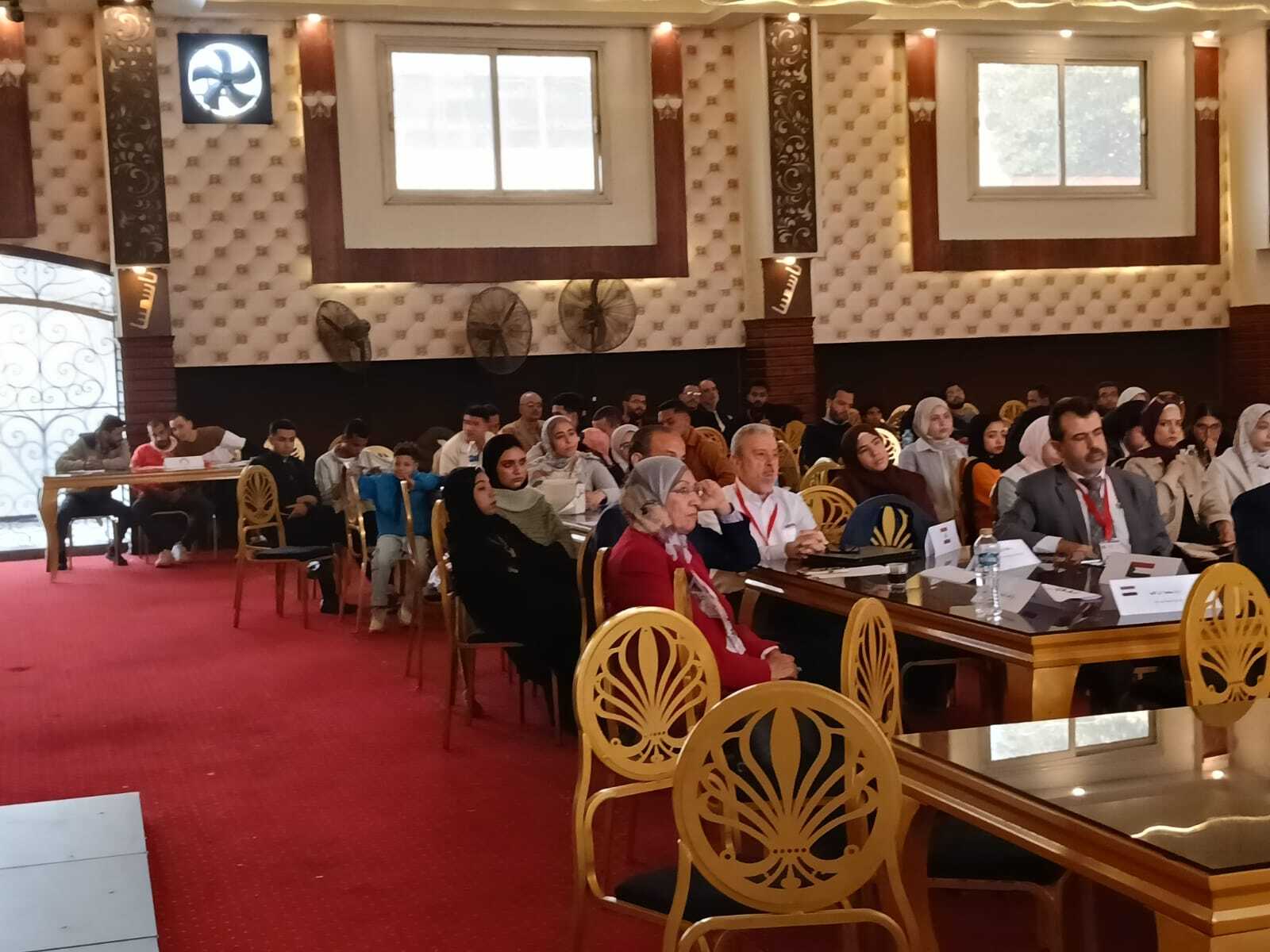
The strongest published reference point is the 3rd International Agouza Physical Medicine, Rheumatology and Rehabilitation Centre Conference, which was organized by the Egyptian Armed Forces in April 2025. According to Egypt’s State Information Service, the event brought together specialists in rheumatology, physical medicine, and rehabilitation from the Armed Forces, the Ministry of Health, Egyptian universities, military attachés in Cairo, and foreign experts. The conference also included a prosthetics exhibition, scientific sessions, lectures, and training workshops held at the Agouza center itself.
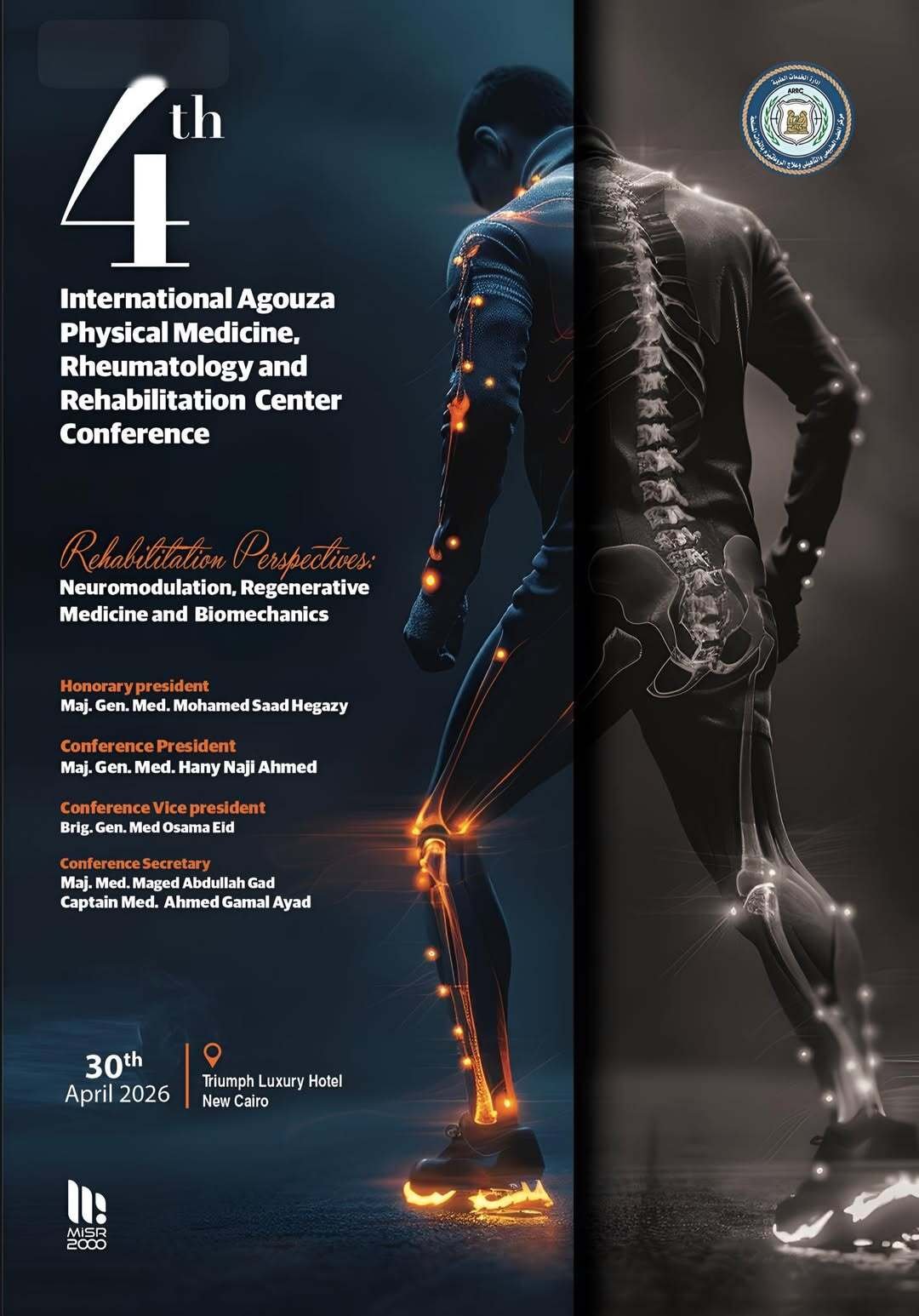
That background matters because it shows the likely direction of the 4th edition. The 2025 conference emphasized knowledge exchange, workforce preparation, new treatment methods, and the incorporation of artificial intelligence into rehabilitation services, according to remarks reported from Agouza center leadership and the Armed Forces Medical Services Department. If the 4th conference builds on that same model, it is likely to continue blending mainstream rehabilitation medicine with practical technologies, clinical education, and multidisciplinary discussion. This is an inference based on the stated themes and structure of the 3rd conference.
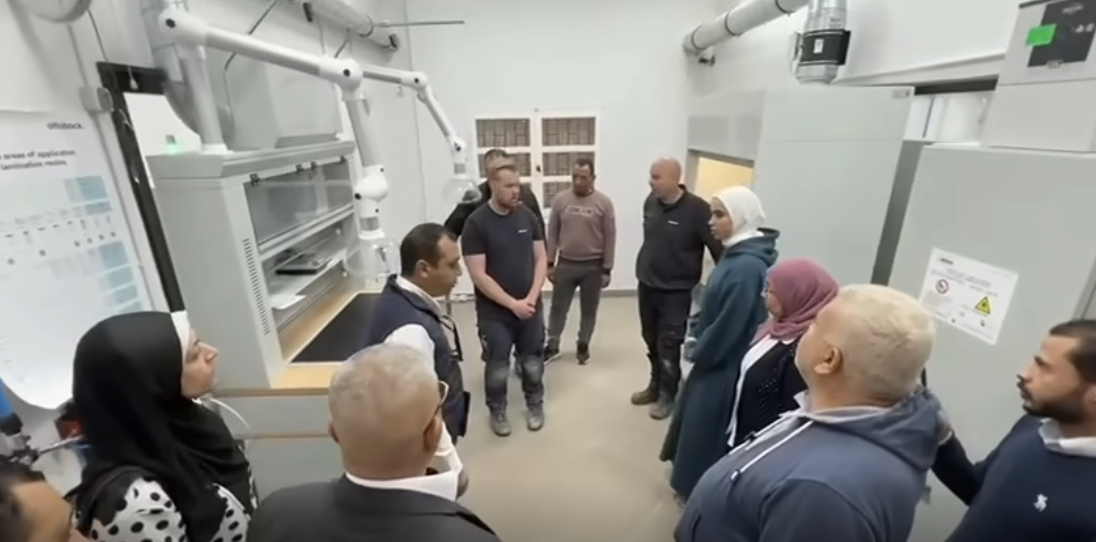
For the prosthetics and orthotics sector, the Agouza conference series is especially relevant because it does not appear to treat rehabilitation as a narrow medical specialty disconnected from mobility technology. The previous edition specifically featured prosthetic devices as part of the programme and highlighted workshops involving military and civilian doctors alongside foreign experts. That is important in Egypt and across the wider IMEA region, where better outcomes often depend on stronger coordination between physicians, therapists, prosthetists, orthotists, engineers, and rehabilitation institutions.
The Agouza center itself has also been publicly presented as more than a conference venue. A separate published account of a visit by the Egyptian African Businessmen Association and African ambassadors described the Agouza center alongside its prosthetic devices and mobility aids factory, reinforcing its profile as a center for both rehabilitation services and assistive technology production. That broader institutional role helps explain why the conference is of interest not only to PMR physicians, but also to O&P professionals, policymakers, and regional healthcare planners.
For IMEA CPO readers, the significance of the 4th conference lies in what it represents for Egypt’s rehabilitation ecosystem. Egypt is one of the region’s most important healthcare markets, and conferences like this can help shape how rehabilitation develops across public care, military medicine, academic exchange, and technology adoption. If Agouza continues to position prosthetics, orthotics, rehabilitation engineering, and clinical education within the same forum, it will strengthen the case for more integrated rehabilitation systems rather than siloed service models. That conclusion is an inference drawn from the published structure and messaging of the earlier conference editions.
This matters at a practical level. Across IMEA, rehabilitation demand is rising because of trauma, stroke, musculoskeletal conditions, conflict-related injury, diabetes, and ageing populations. Conferences that combine scientific sessions, practical workshops, prosthetic technology, and institutional leadership can play an outsized role in pushing the sector beyond discussion and toward implementation. The 3rd Agouza conference already showed signs of that approach through its combination of lectures, workshops, and device exhibition.
If the 4th International Agouza conference expands on that foundation, it could further reinforce Egypt’s role as a regional node for rehabilitation knowledge exchange. For CPOs, that means a forum worth watching not only for clinical updates, but also for partnership opportunities, visibility of prosthetic and orthotic technologies, and the wider direction of rehabilitation policy and service development in North Africa and the Arab region.
At this stage, the most responsible conclusion is that the 4th conference is important because of the trajectory of the Agouza series, even though full public programme details for the new edition were not readily accessible in the sources I could verify. If those details become available, they would allow a more specific article covering dates, speakers, sessions, and device-related themes.