 By
By
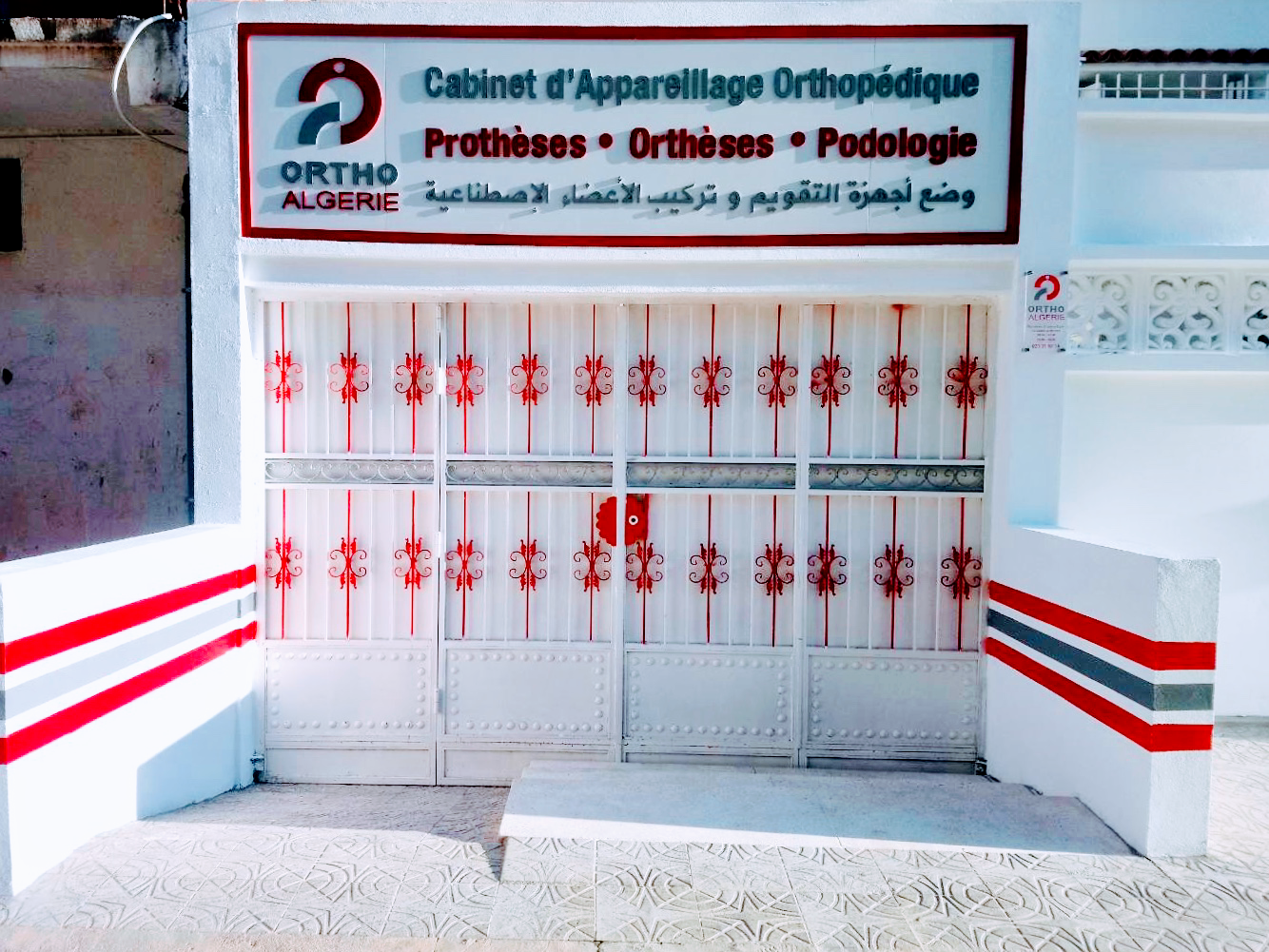
Algeria is one of the largest and most strategically significant rehabilitation markets in North Africa, yet it remains under-discussed in many prosthetics and orthotics conversations.
With a population of 46.2 million in 2023, health expenditure of 5.53% of GDP in 2021, and classification as an upper-middle-income country, Algeria combines scale, public-sector reach, and rising chronic disease burden in a way that creates real long-term opportunity for orthotics, prosthetics, rehabilitation, and assistive technology providers.
For the O&P sector, Algeria’s demand profile is not driven mainly by the kind of high-intensity conflict burden seen in some other IMEA markets. Instead, it is shaped more by diabetes, stroke, cardiovascular disease, obesity, musculoskeletal disability, and road trauma, all of which create substantial downstream need for limb preservation, orthotic intervention, rehabilitation, mobility aids, and post-amputation care. WHO EMRO notes that across the region noncommunicable diseases account for a very large share of deaths, reaching up to 86% in some countries, while Algeria-specific diabetes data show a particularly sharp rise in prevalence.
That makes Algeria especially relevant for providers focused on practical, high-volume orthotic and rehabilitation solutions rather than only premium imported components. The country is large enough to matter commercially, urban enough to support centralized service and fabrication models, and burdened enough by chronic disease to create strong ongoing demand for diabetic foot care, AFOs, mobility support, stroke rehabilitation products, and selected prosthetic services. Algeria’s urban population was about 73.7% in 2023, which generally supports hub-based specialist care centred around major cities such as Algiers, Oran, Constantine, and Annaba.
Why Algeria matters for prosthetics and orthotics
The clearest and most immediate opportunity is diabetic foot care and limb preservation. According to the IDF Diabetes Atlas, Algeria had about 4.76 million adults aged 20–79 living with diabetes in 2024, with an age-standardised prevalence of 17.5%, up sharply from 7.0% in 2011. The same source estimates that 31.7% of people with diabetes in Algeria remain undiagnosed. Those are major numbers for any healthcare system, but for O&P they are especially significant because they signal rising future demand for offloading, protective footwear, custom insoles, wound-related orthoses, and eventual post-amputation rehabilitation.
Recent Algeria-focused evidence reinforces that point. An ISPOR 2026 poster on the economic burden of diabetic foot ulcers in Algeria estimated a median annual management cost of €3,790.97 per patient, using patient-level data from Mustapha Bacha University Hospital and national extrapolation methods. A separate 2024 clinical report from Algiers on 282 diabetic foot cases described diabetic foot as a public health problem with serious complications including amputation. Together, these sources point to a strong case for earlier orthotic and limb-preservation intervention rather than waiting until patients reach advanced ulceration and surgical pathways.
For IMEA CPO readers, this is where Algeria begins to stand out commercially. A market with millions of adults living with diabetes is not only a market for endocrinology. It is also a market for:
- custom diabetic insoles
- pressure-relieving foot orthoses
- protective footwear
- AFOs for neuropathic or gait-impaired patients
- wound-management support products
- prosthetic rehabilitation after diabetes-related amputation
That conclusion is a reasoned inference from the diabetes prevalence, diabetic foot burden, and complication pattern reflected in the sources above.
Rehabilitation demand drivers
Algeria’s O&P opportunity is not limited to diabetes. The country’s broader NCD burden suggests sustained rehabilitation demand linked to stroke, cardiovascular conditions, musculoskeletal pain, and long-term mobility impairment. WHO EMRO’s regional framing is clear that NCDs are now a dominant health burden across the region, and the WHO rehabilitation programme continues to emphasize the need to strengthen rehabilitation as a core health service rather than a niche add-on. In Algeria, this supports the case for more integrated services linking physicians, physiotherapists, orthotists, prosthetists, wound specialists, and rehabilitation teams.
There is also a likely opportunity in neurorehabilitation and stroke-related orthotics, particularly around gait support, ankle-foot orthoses, splinting, and mobility aids. While I did not find a single Algeria-specific national stroke rehabilitation market study robust enough to cite directly for volumes, the combination of Algeria’s scale, NCD burden, and public health structure makes stroke-related rehabilitation demand highly plausible. That is an inference, but it is well supported by the country’s wider chronic disease profile and the general rehabilitation burden associated with upper-middle-income systems facing rising vascular disease.
Market characteristics
Algeria has several features that make it commercially different from smaller North African markets.
First, it has scale. With a population already above 46 million and rising toward 48 million in 2026 estimates, Algeria offers a much larger installed need base than Tunisia or many Gulf markets. That population scale matters for suppliers considering central fabrication, distribution partnerships, or national tender-oriented growth strategies.
Second, Algeria’s public-sector weight remains important. The World Bank notes that the economy remains heavily influenced by hydrocarbon revenues and public spending, which suggests that public-sector procurement and state-linked healthcare structures are likely to remain central to how rehabilitation access is funded and scaled. For O&P businesses, this usually means success depends less on pure retail strategy and more on public-system alignment, institutional relationships, and cost-effective product positioning.
Third, Algeria appears better suited to value-focused clinical solutions than to a narrow premium-import model. Imported high-end prosthetic and orthotic technologies will still have a place, but the strongest broad-market opportunity is likely to be in practical orthotics, diabetic foot pathways, mobility devices, selected prosthetic service expansion, and clinician-linked rehabilitation tools that fit public and mixed-pay realities. This is an inference from Algeria’s disease burden, health system profile, and likely reimbursement constraints.
Key opportunities for IMEA CPO readers
Diabetic foot and limb preservation
This is probably the single strongest near-term O&P growth area. Algeria’s diabetes burden is high and rising, and locally presented evidence already shows diabetic foot ulcers imposing substantial clinical and economic cost. Providers that combine screening, education, footwear, custom insoles, and offloading orthoses are likely to be better positioned than those focused only on late-stage device supply.
Stroke and neuro orthotics
Algeria’s NCD-heavy profile supports ongoing need for gait aids, AFOs, splinting, and rehabilitation-linked orthotic care. The opportunity here is less about novelty and more about consistent, scalable functional support integrated into rehabilitation pathways.
Assistive technology and mobility support
WHO continues to frame assistive technology and rehabilitation as core health-system needs. In Algeria, that supports opportunities in mobility aids, basic functional orthoses, and patient-support pathways linked to chronic disease and disability management.
Regional North Africa positioning
For companies that want exposure to North Africa, Algeria offers a larger base than Tunisia and a different risk/reward profile than Libya. It may be particularly attractive for businesses able to work through distribution, hospital channels, or public-health-aligned product portfolios. This is a strategic inference based on population size, health structure, and disease burden.
Main constraints
The challenges are real. Algeria is a large country geographically, which can complicate service coverage outside major urban corridors. Public-sector systems can also be slower-moving and more price-sensitive than premium private markets. The World Bank notes ongoing structural economic challenges, including dependence on hydrocarbons and labour market pressure, while unemployment remains elevated, especially among women and youth. These factors can limit the pace at which higher-cost rehabilitation technologies scale.
For O&P businesses, that means success is likely to depend on:
- strong value positioning
- public-sector relevance
- clinician education
- practical service integration
- evidence that products reduce complications, improve mobility, or lower downstream care costs
That final point is an inference, but it follows directly from Algeria’s health-system structure and the cost pressures implied by chronic disease growth.
Bottom line
Algeria is one of the most under-watched O&P markets in North Africa: large, urbanizing, and increasingly shaped by diabetes and chronic disease rather than only by traditional trauma narratives. For IMEA CPO readers, the strongest opportunities appear to be in diabetic foot care, practical orthotics, rehabilitation-linked mobility support, and value-focused assistive technology, not just in premium imported component sales. It is a market where scale exists, need is rising, and clinically grounded providers with the right product mix could build durable positions.