 By
By
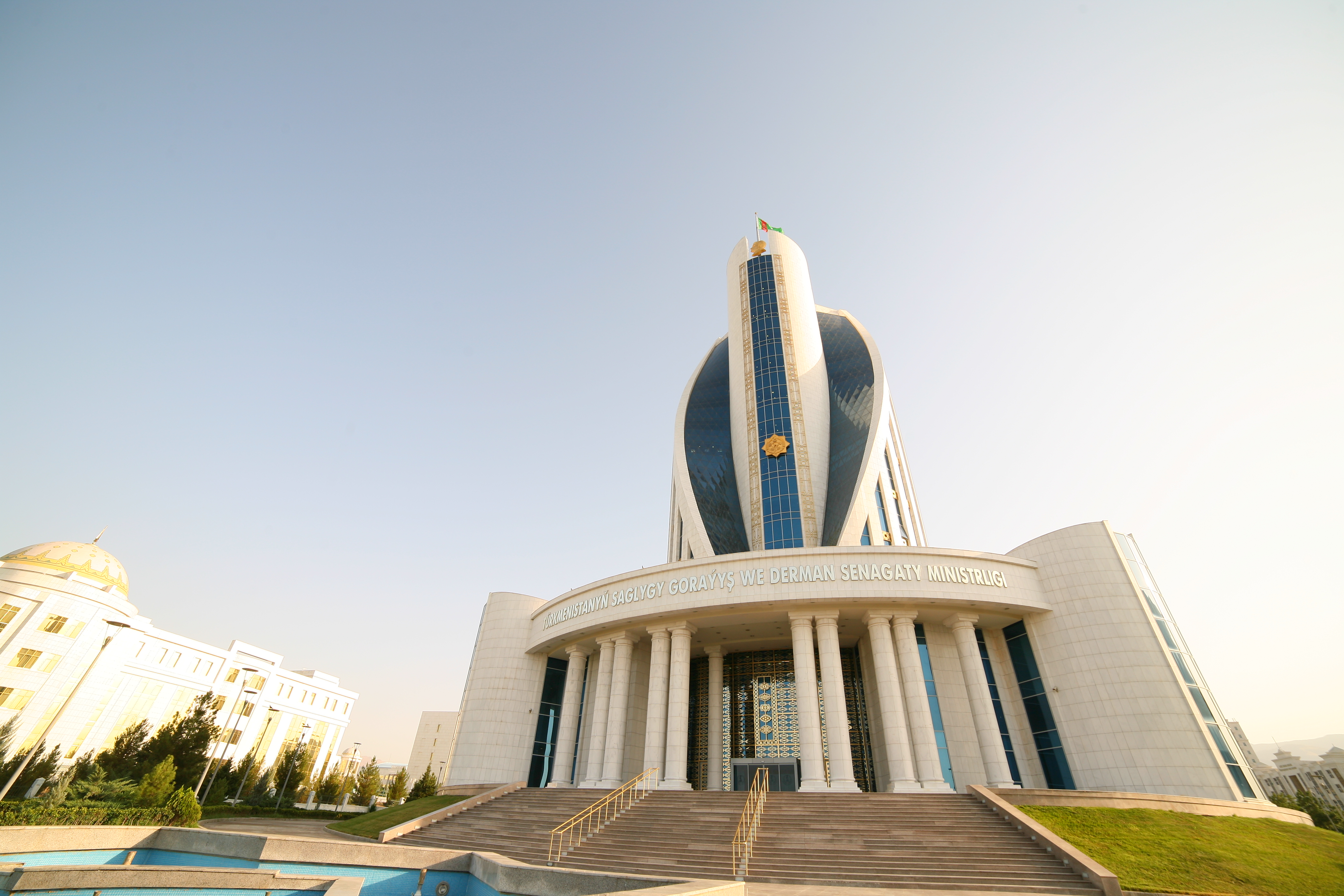
In a significant development for people with disabilities in Turkmenistan, the Ministry of Health and Medical Industry has officially approved a new procedure for the provision of prosthetic and orthopaedic devices on a free and subsidised basis — strengthening access to essential rehabilitation technologies and aligning healthcare practice with national social support goals.
Signed on 6 December 2025 and registered with the Ministry of Justice on 27 December 2025, this new regulation establishes a clearer, more systematic framework for how individuals with disabilities can obtain prosthetic limbs, orthotic supports, and other assistive devices — with the process governed by transparent documentation and objective clinical assessment.
What the New Procedure Establishes
Under the updated system:
-
A prosthetic card, completed by a qualified specialist at the International Trauma Treatment Center or its regional units, becomes the primary basis for requesting devices. Applicants must also submit supporting documentation, including a disability certificate, passport copy, and medical report as part of their application.
-
A Central Expert Group reviews each application within three working days, issuing a decision on approval or denial of a device based on clinical need and eligibility.
-
Once approved, the manufacturing timeframe for prosthetic devices ranges from 5 to 30 days, depending on the complexity of the technology prescribed.
-
After receipt, beneficiaries are required to register the issued prosthetic or orthotic device with the Pension Fund office in their place of residence.
-
Crucially, the supply of devices is financed from the state budget, reinforcing governmental commitment to social support for persons with disabilities.
The new regulation also reflects a broader policy continuity, building on long-standing social protections in Turkmenistan that encompass medical supplies and rehabilitation support for persons with disabilities.
Why This Matters for O&P Services
For orthotics and prosthetics professionals, this policy signals several important shifts:
📌 Standardised Eligibility and Review: The introduction of a centralised expert review process and defined documentation requirements brings clarity and consistency to how devices are prescribed and delivered.
📌 Predictable Timelines: By setting clear manufacturing windows (from 5–30 days), clinics and service providers can better plan their production pipelines and manage patient expectations.
📌 State-Financed Access: With prosthetic and orthotic provision supported by the national budget, barriers to accessing essential mobility aids may be significantly reduced, particularly for economically vulnerable groups.
Regional O&P Integration & Standards Alignment
This regulation also underscores a broader regional trend toward formalised assistive technology provision. International frameworks, such as Article 20 of the Convention on the Rights of Persons with Disabilities (CRPD), emphasise state obligations to ensure affordable and appropriate assistive devices and mobility aids that respond to individual needs.
By implementing structured procedures and financing mechanisms, Turkmenistan is making policy strides that support not only clinical outcomes but also social inclusion, economic participation, and quality of life for people with disabilities — all core objectives of modern O&P services.
Looking Ahead
As the policy rolls out, opportunities will emerge for:
-
Local clinics and manufacturers to integrate with official channels for device fabrication and delivery
-
Training and capacity building for rehabilitation and prosthetic expertise
-
Data-driven planning based on documented national demand and outcomes
For IMEACPO’s community of practitioners and advocates, this development in Turkmenistan is a timely reminder of the power of policy to shape practice — and of the ongoing need to align clinical excellence with accessible, sustainable service delivery across the IMPA, Middle East, and Africa region.