 By
By
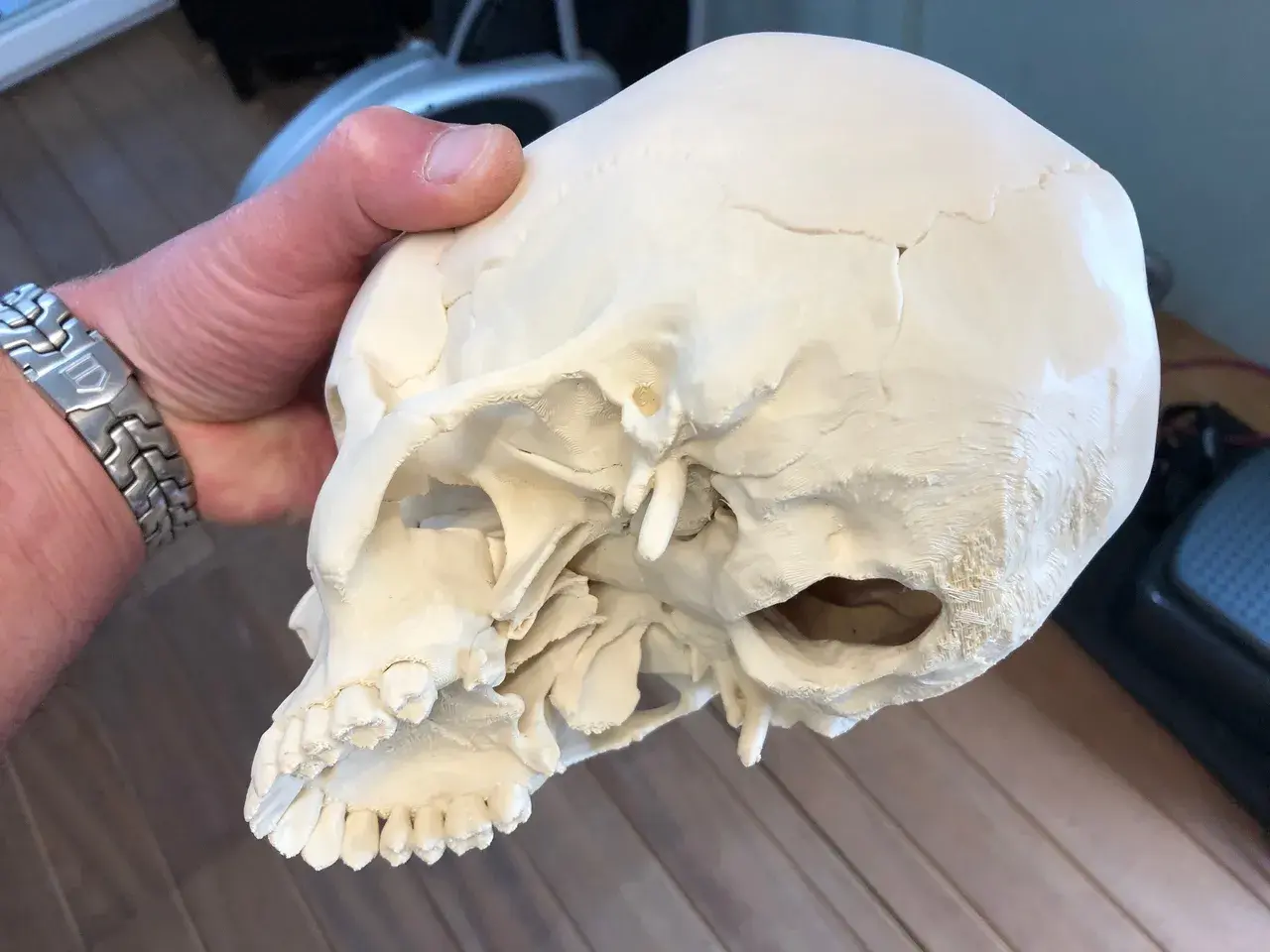
A literature review about using 3D-printed organs to help patients better understand their conditions and treatments found that using the models made improvement in at least one category of patient education (understanding of the disease and/or the anatomy of the organ, understanding of the surgical plan and its implications, doctor-patient communication, patient satisfaction, and patient anxiety). While it focused on internal conditions, the value of patient education throughout complex medical care is an important part of O&P as well.
Facility certification by the American Board for Certification Orthotics, Prosthetics and Pedorthics requires O&P practitioners to provide verbal and written instructions to educate the patient about how devices operate, how to don/doff them, and their proper care and maintenance. But technology may offer room for more creative methods, and may be more helpful to more patients.
In the O&P-specific project, an MSOP student studied patient education methods for a capstone project, which included a practitioner survey. While the responses indicated that most O&P professionals are using written and verbal education methods with their patients regularly, they also reported having access to internet, videos, and QR codes, but few reported using them frequently with their patients. Time, patient comprehension, and language were the most frequently listed barriers to providing optimal patient education.
To read “Survey of O&P professionals’ perspectives on patient education in orthotics and prosthetics,” visit EDGE Advantage on The O&P EDGE website.
To read “Using 3D-printing technology for patient education: a review of the literature,” visit 3D Printing in Medicine.



.jpeg)

-1.png "Gaza Fund (1)-1")