

Across Africa, millions of people are living with conditions that could significantly improve with access to rehabilitation services. Some are recovering from road traffic accidents. Others are living with limb loss, diabetes complications, stroke, congenital conditions, spinal cord injury, conflict-related trauma, neurological disease or age-related disability.
Yet rehabilitation remains one of the most overlooked pillars of healthcare.
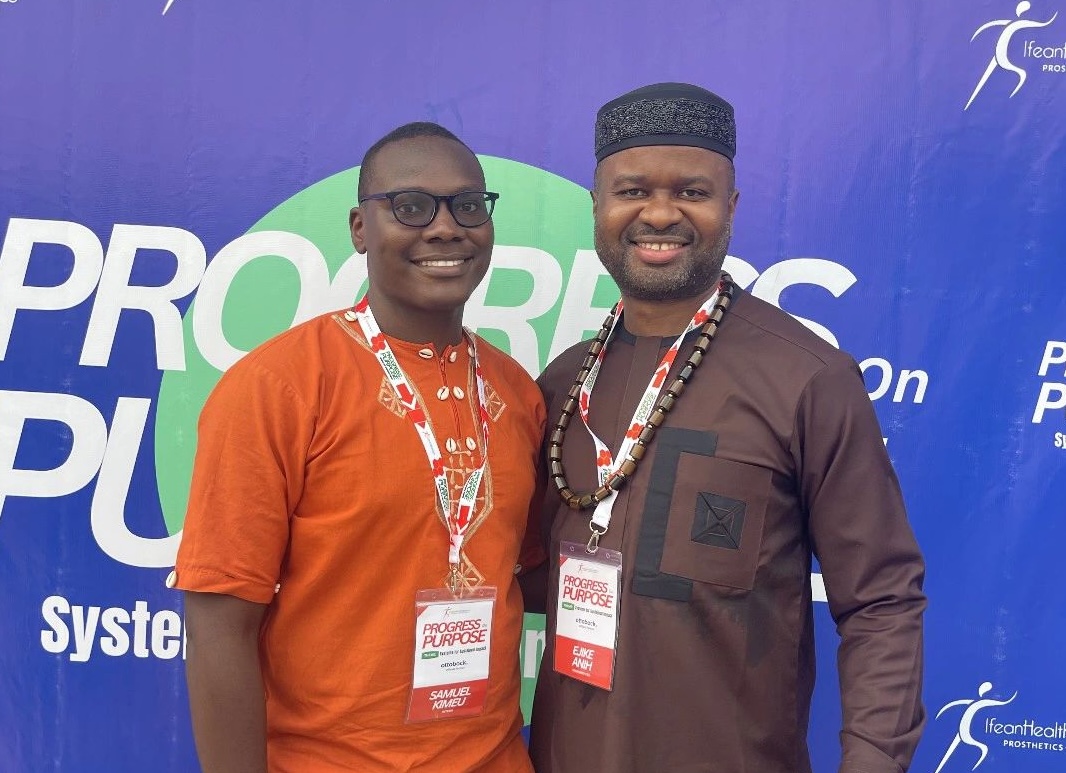
In a recent LinkedIn post, Kenyan prosthetist and orthotist Samuel Mutua described the issue clearly: Africa can no longer afford to treat rehabilitation as an afterthought. His message reflects what many clinicians across the continent already know from daily practice. Mobility limitations do not only affect the body. They affect education, employment, family life, social participation and economic independence.
For IMEA CPO readers, this is not a distant policy issue. It is one of the defining challenges for prosthetics, orthotics and rehabilitation services across Africa.
Rehabilitation Is Not a Luxury Service
Healthcare investment often focuses on hospitals, medicines, emergency care and disease treatment. These are essential, but they are not enough. After survival comes recovery. After surgery comes function. After diagnosis comes daily life.
That is where rehabilitation matters.
The World Health Organization estimates that around 2.4 billion people globally are living with a health condition that may benefit from rehabilitation. The need is increasing because populations are ageing and more people are living with chronic diseases such as diabetes, stroke and cancer.
For Africa, this is especially urgent. Rehabilitation needs are rising because of trauma, noncommunicable diseases, infectious disease complications, congenital conditions, conflict, occupational injuries and road traffic accidents. Yet in many countries, rehabilitation services remain concentrated in major cities or specialist centres.
This means that many people who could return to school, work and community life are left without the prostheses, orthoses, therapy, mobility aids or assistive technology they need.
The Human Cost of Limited Access
The rehabilitation gap has very practical consequences.
A young person who cannot access a prosthesis may stop attending school. A parent without an appropriate orthosis or mobility aid may struggle to work, farm, trade or care for children. A person recovering from stroke may remain dependent when structured therapy could have improved independence. A diabetic foot patient may deteriorate because protective footwear, offloading and follow-up care were not available early enough.
These are not only clinical failures. They are social and economic losses.
Rehabilitation restores function, independence, dignity and participation. It can help people return to education, employment, family roles and community life. In that sense, investment in rehabilitation is also investment in productivity, inclusion and poverty reduction.
This is why Samuel Mutua’s message is important. The question is no longer whether rehabilitation is valuable. The question is why it continues to be underfunded and underdeveloped in so many health systems.
Prosthetics and Orthotics Must Be Central to the Conversation
Prosthetics and orthotics are often discussed as specialist services, but their impact is broad. They support mobility, posture, balance, limb protection, pressure management, deformity correction and functional independence.
The WHO prosthetics and orthotics services guidance emphasises that users of prostheses and orthoses need regular access to services staffed by qualified teams and supported by well-equipped workshops. In many countries, however, access is still limited by cost, distance, workforce shortages and weak referral pathways.
Across Africa, the need includes:
- Prosthetic limbs for trauma, diabetes, vascular disease and congenital limb difference
- Orthoses for stroke, cerebral palsy, spinal conditions, clubfoot, neuromuscular disorders and injury
- Diabetic footwear and offloading solutions
- Wheelchairs and seating systems
- Walking aids and mobility devices
- Rehabilitation therapy and follow-up services
- Maintenance, repair and replacement pathways
The challenge is not only to supply devices. It is to build complete systems of care.
Assistive Technology Access Remains a Major Gap
The rehabilitation crisis is closely linked to the assistive technology gap. The WHO and UNICEF Global Report on Assistive Technology found that more than 2.5 billion people globally need one or more assistive products, while nearly one billion are denied access. In some low- and middle-income countries, access may be as low as 3% of need.
Assistive technology includes prosthetic limbs, orthoses, wheelchairs, hearing aids, communication devices, vision products and digital supports. These products are not optional extras. They are often the difference between dependence and participation.
For African rehabilitation systems, the assistive technology agenda should be linked directly to prosthetics and orthotics. Mobility devices must be affordable, clinically appropriate, locally serviceable and supported by trained professionals.
Imported devices alone cannot solve the problem if there are not enough clinicians, technicians, workshops, follow-up systems, funding mechanisms and maintenance pathways.
Similar Challenges Across Different African Countries
Samuel Mutua’s perspective is especially valuable because he writes as a Kenyan P&O professional currently expanding his experience in Nigeria. His observation that many challenges are similar across African countries reflects a wider pattern.
Countries differ in policy, funding and infrastructure, but many rehabilitation systems face common barriers:
- Limited public funding for rehabilitation
- Out-of-pocket payment for devices
- Shortage of trained prosthetists, orthotists and technicians
- Limited rural access
- Weak integration into primary healthcare
- Poor data on rehabilitation needs
- Lack of local manufacturing capacity
- Inconsistent supply chains for components and materials
- Limited repair and follow-up services
- Low awareness among policymakers and the public
At the same time, Africa also has strong rehabilitation talent. Across the continent, prosthetists, orthotists, physiotherapists, occupational therapists, rehabilitation doctors, technicians, NGOs, universities and innovators are finding ways to serve patients despite limited resources.
That professional resilience deserves more support.
From Awareness to Action
The conversation must now move from awareness to action.
Africa does not only need more discussion about rehabilitation. It needs practical, sustainable systems that can be funded, staffed, measured and expanded.
Key actions should include:
- Integrate rehabilitation into national health plans.
- Include prosthetics, orthotics and assistive technology in universal health coverage discussions.
- Invest in P&O education and workforce development.
- Strengthen rehabilitation services outside capital cities.
- Build regional repair, maintenance and follow-up systems.
- Support local manufacturing where clinically and economically appropriate.
- Improve procurement of quality components and materials.
- Collect better national data on rehabilitation needs and outcomes.
- Include rehabilitation in emergency, trauma, diabetes and stroke pathways.
- Create funding mechanisms that reduce out-of-pocket costs for patients.
These steps require collaboration between ministries of health, professional associations, training institutions, hospitals, NGOs, donors, private providers and suppliers.
Rehabilitation Is Economic Development
One of the most important points in Samuel Mutua’s post is that rehabilitation is not only a health issue. It is also an economic and social issue.
When a person regains mobility, they may return to work. When a child receives the right orthosis, they may attend school more consistently. When a stroke survivor receives rehabilitation, they may reduce long-term dependency. When a diabetic foot patient receives proper offloading and footwear, they may avoid an amputation.
These outcomes matter to families, employers, schools and national economies.
Rehabilitation should therefore not be viewed as a cost at the end of the healthcare pathway. It should be understood as an investment in human potential.
A Call for Collaboration Across Africa
Africa has the talent, creativity and determination to transform rehabilitation services. What is needed now is stronger collaboration and more consistent investment.
The future of rehabilitation in Africa should not be limited to a few specialist centres serving a small number of patients. It should be built into mainstream healthcare, linked to assistive technology access and supported by qualified professionals across the full continuum of care.
For prosthetists and orthotists, this is a defining moment. P&O professionals are not only device providers. They are mobility specialists, rehabilitation advocates and essential contributors to disability inclusion.
Samuel Mutua’s message is a reminder that the rehabilitation crisis is real, but it is not unsolvable.
Africa can build better rehabilitation systems. The question is whether governments, healthcare leaders, donors, professional associations and industry partners are ready to treat mobility, independence and dignity as essential parts of healthcare.
- World Health Organization: Rehabilitation
- WHO Africa: Increasing access to quality rehabilitation services in Africa
- WHO: Prosthetics and Orthotics Services
- WHO and UNICEF Global Report on Assistive Technology
- WHO: Assistive Technology Fact Sheet
- WHO Rehabilitation 2030 Initiative
Thank you for amplifying my thoughts on rehabilitation in Africa. I look forward to contributing more to regional conversations and collaborating with professionals who share this vision.
Congrats kijiji 👏🎉🎉 I’m following you don’t trip
👍🏾 always🦾🦿