

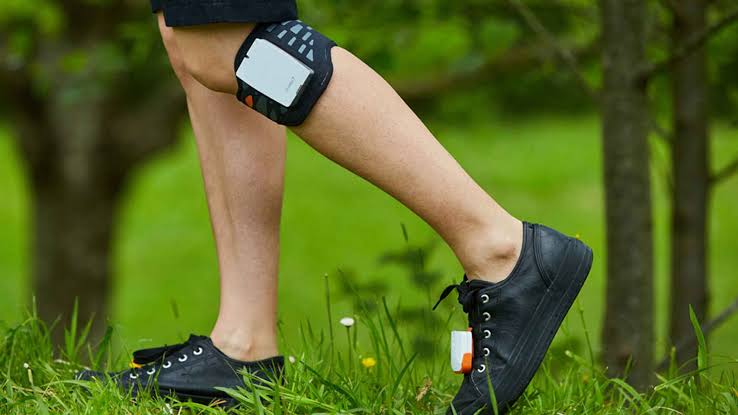
Ottobock has announced the acquisition of Fesia Technology, S.L., a Spanish company specialising in functional electrical stimulation systems for neurological rehabilitation. The move marks another significant step in Ottobock’s strategy to expand its neuro-orthotics portfolio and strengthen its position in advanced mobility solutions.
The transaction was announced on 7 July 2026. Ottobock said the acquisition is expected to close in approximately six months, with the purchase price not disclosed. Fesia Technology is headquartered in Donostia/San Sebastián, Spain, and employs around 20 people.
Fesia develops and markets functional electrical stimulation, or FES, systems for people with neurological diseases or injuries affecting the nervous system. According to Ottobock, the acquisition will allow the company to add FES products to its neuro-orthotics portfolio, supporting patients with conditions including stroke, multiple sclerosis, cerebral palsy, spinal cord injury and other neurological conditions affecting the upper or lower limbs.
Functional electrical stimulation orthoses use controlled electrical impulses to stimulate weakened muscles and generate functional movement. Ottobock also noted that these impulses can support the formation of new neural connections, positioning FES not only as an assistive technology but also as part of the wider neurorehabilitation pathway.
For prosthetists, orthotists and rehabilitation providers across the Middle East, Africa, Central Asia and South Asia, the acquisition is notable because it reflects the growing commercial and clinical importance of neuro-orthotics. The orthotics sector is increasingly moving beyond traditional bracing towards active, sensor-enabled and stimulation-based systems that can support gait, upper-limb function and neurological recovery.
Fesia describes itself as a technology and science-based company focused on advanced FES solutions for adults and children with central and peripheral neurological conditions. Its product range includes Fesia Walk Active, a personal-use device designed to assist people with foot drop during walking, and Fesia Grasp Active, a wearable solution aimed at helping hand opening and closing.
The acquisition also fits with Ottobock’s wider positioning in human mobility. The company states that it works across prosthetics, neuro-orthotics and exoskeletons, with business activities in 45 countries, nearly 9,300 full-time equivalent employees and around 420 patient care clinics worldwide.
Ottobock CEO Oliver Jakobi described neurological conditions as a major and growing topic for the orthotics and prosthetics industry, citing conditions such as stroke, multiple sclerosis, cerebral palsy and spinal cord injuries. He said care for people with neurological conditions had become a core part of the company’s mission.
Fesia CEO Haritz Zabaleta said the company’s ambition had been to push the boundaries of functional electrical stimulation, adding that joining Ottobock would create an opportunity to scale the technology globally and set new standards in neurorehabilitation and human mobility.
For the IMEA region, the strategic implications are significant. Stroke, traumatic injury, cerebral palsy and spinal cord injury are major drivers of long-term disability across many countries in the region. Yet access to advanced neuro-orthotic technologies remains uneven, often limited by reimbursement, specialist training, service infrastructure and awareness among referring clinicians.
As major manufacturers invest further in neuro-orthotics, rehabilitation centres in the region may see greater access to technologies that combine orthotic principles with stimulation, sensors, software and home-use rehabilitation models. However, successful adoption will depend on more than product availability. Clinicians will need training in patient selection, contraindications, fitting, programming, outcome measurement and integration with physiotherapy and rehabilitation medicine.
The acquisition may also encourage more O&P providers to look at neurological rehabilitation as a growth area. Traditional ankle-foot orthoses, stance-control orthoses and custom bracing remain essential, but FES systems can offer additional options for selected patients, particularly where muscle activation and motor relearning are part of the rehabilitation goal.
For hospitals and rehabilitation networks, the announcement is a reminder that neuro-orthotics is becoming a multidisciplinary field. Orthotists, physiotherapists, rehabilitation physicians, neurologists and biomedical engineers will increasingly need to work together to assess whether a patient requires passive support, dynamic bracing, FES, robotics, exoskeleton technology or a combination of interventions.
Ottobock said the acquisition will also provide a basis for continued technological development, giving the company access to an “innovative and deployable FES technology platform.”
For IMEA CPO readers, the acquisition is not only a corporate transaction. It is another signal that the future of orthotics will be shaped by neurological care, digital control systems, wearable technologies and integrated rehabilitation pathways.
As neurorehabilitation needs continue to rise across the region, the companies that can combine device technology with clinical education, service delivery and long-term patient support are likely to play an increasingly important role in the next phase of mobility care.
Ottobock announcement: Acquisition of Fesia Technology
Fesia Technology official website
Fesia Technology: Our Technology
Fesia Technology company profile