

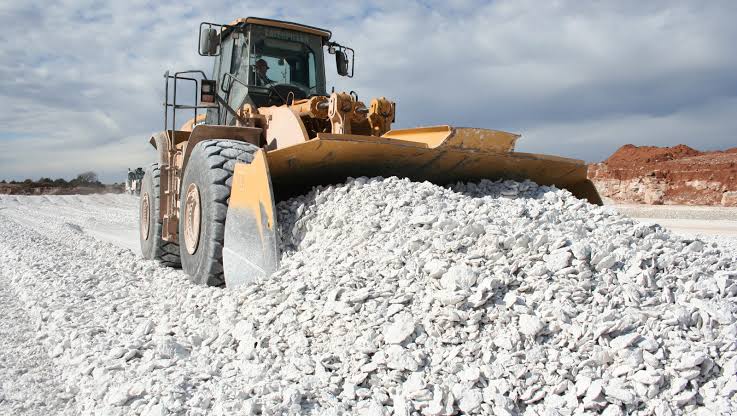
A gypsum shortage in the United States could affect the plaster that many prosthetists and orthotists still use to make positive models, according to Gerald Stark, PhD, CPO/L, FAAOP(D), Director of Clinical Operations and Technical Support, in a LinkedIn post on 7 November 2026. USG, a Knauf subsidiary, plans to close its Southard gypsum mine and plant in Oklahoma in November 2026.
What is happening to gypsum supply?
Global Gypsum reported on 21 July 2026 that USG intends to mothball the Southard plant and mine in Blaine County, Oklahoma, citing rising complexity and cost in its specialty product lines. A 6 October report from the same publication said a shortage of hemihydrate gypsum, in both alpha and beta forms, had been flagged by industry sources, and that buyers were reformulating products or seeking approval for other sulphate sources.
A New York Times report, republished by DNYUZ on 14 October, said the closure affects Hydrocal, a specialty plaster used by sculptors and ceramicists. It listed orthopaedic moulds and custom prosthetic limbs among the other uses and said about 250 factory workers face layoffs. Stark wrote that drywall supply for home building is not expected to be affected.
Why does plaster matter in prosthetics and orthotics?
Stark cited his own 2023 survey, which found that 57% of transtibial, 40% of transfemoral and 82% of upper-limb prostheses were still fabricated with plaster. He said plaster-using clinicians did not necessarily prefer the material itself; they judged it more accurate for capturing tissue loading. Clinicians using digital methods and those using plaster did not criticise one another, he wrote, and confidence in the chosen method varied by practitioner.
Stark argued that scarcer plaster could push the profession towards digital and additive manufacturing “whether it wants to or not”. He pointed to earlier supply shocks that changed O&P fabrication, including the polyurethane foam developed by Otto Bock and Max Nader when wood became scarce in Germany after the First World War. These are his historical observations and have not been independently verified here.
What should CPOs and suppliers watch?
The sources describe a US supply problem. They do not show whether plaster prices or availability have changed in the Middle East, Africa or South Asia, and no regional supplier has been quoted. It is also not yet clear how much of the plaster used in O&P clinics comes from the Southard plant, or how quickly other producers can fill the gap.
IMEA CPO Perspective
Many clinics in the IMEA region rely on plaster casting because it is low cost and needs little equipment. Centres that import plaster, or buy it from distributors that source in North America, may want to ask suppliers about stock and alternative sources. Where scanning and printing capacity exists, the shortage adds a business case for piloting digital workflows alongside plaster. IMEA CPO will report on regional supply effects if they emerge.
Suggested hyperlinks / sources
- Gerald Stark, PhD, CPO/L, FAAOP(D) on LinkedIn
- Global Gypsum: Hemihydrate gypsum shortage reported in the US
- Global Gypsum: USG to mothball Southard gypsum plant and mine
- DNYUZ (from The New York Times): Sculptors panic as specialty plaster is discontinued
- IMEA CPO: O&P 3D Printing News