 By
By
-
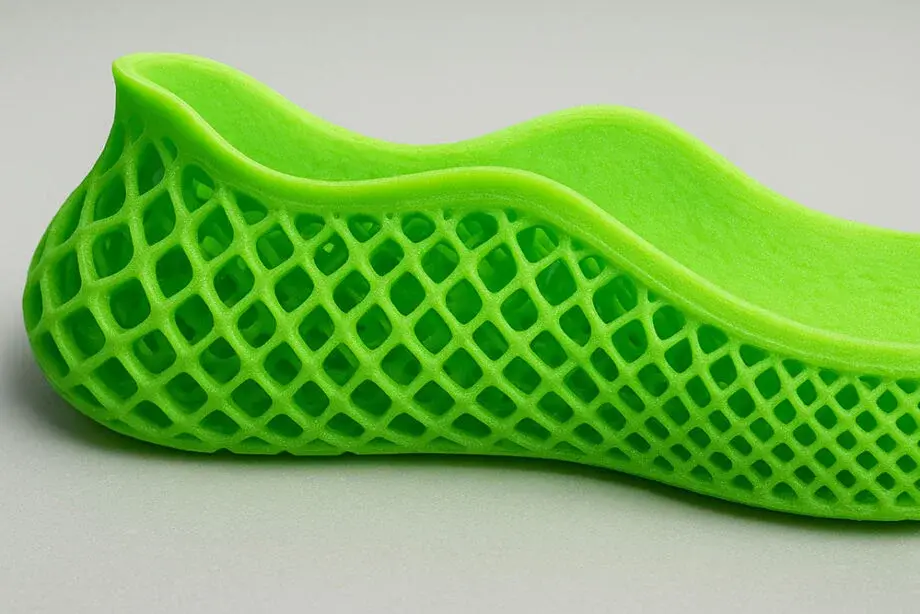
The technology supports biomechanical customization — using lattice / structural engineering to fine-tune how a shoe responds to an individual’s gait, weight, and foot geometry.
-
Advances in lattice structures (e.g. biomimetic or auxetic designs) can improve shock absorption, pressure distribution, and gait stability compared with conventional foam midsoles.
-
Because midsoles are 3D-printed from digital designs, it becomes much easier to produce custom-fit, patient-specific footwear — something highly relevant for medical or therapeutic use rather than just performance or lifestyle shoes.
These attributes — personalization, pressure redistribution, adjustable stiffness/cushioning, and rapid, digital manufacturing — make 3D-printed midsoles highly promising not only for athletes but also for people with medical foot needs.
Why This Matters for Diabetic Footwear & Orthotic Prescription
Patients with diabetes — especially those with neuropathy or poor circulation — often face high risk of foot ulcers, plantar pressure points, and delayed wound healing. Standard off-the-shelf shoes are rarely optimized to the individual’s foot shape, pressure map, or gait pattern. Here’s how 3D-printed midsole technology can address these challenges:
| Challenge for Diabetic Foot Care | Benefit from 3D-Printed Midsoles / Custom Design |
|---|---|
| Uneven pressure distribution → risk of ulcers | Lattice-engineered midsoles can redistribute plantar pressure, minimizing high-pressure zones and reducing ulcer risk. |
| Foot deformities, neuropathy, foot shape variations | Custom CAD + 3D print allows orthotists to match shoe geometry exactly to the patient’s foot shape and biomechanics. |
| Need for cushioning, shock absorption, and stability but variable per patient | Adjustable midsole stiffness/cushioning zones tailored to weight, gait, and risk profile — rather than “one-size-fits-all.” |
| Frequent changes (swelling, foot shape shifts) | Digital design files allow easy reprint or adjustment without full tooling — useful for follow-ups or evolving foot needs. |
| Poor compliance due to discomfort or poor fit | Better fit and comfort from customized midsoles increases likelihood patients wear prescribed footwear consistently, critical for prevention. |
In effect, 3D-printed midsoles and custom footwear enable orthotists to move from generic, reactive treatment toward personalized, preventive, and patient-centered diabetic foot care.
How Orthotists Could Implement 3D-Printed Diabetic Footwear
Here’s a conceptual workflow for clinics/labs looking to leverage 3D-printed midsoles for diabetic footwear:
-
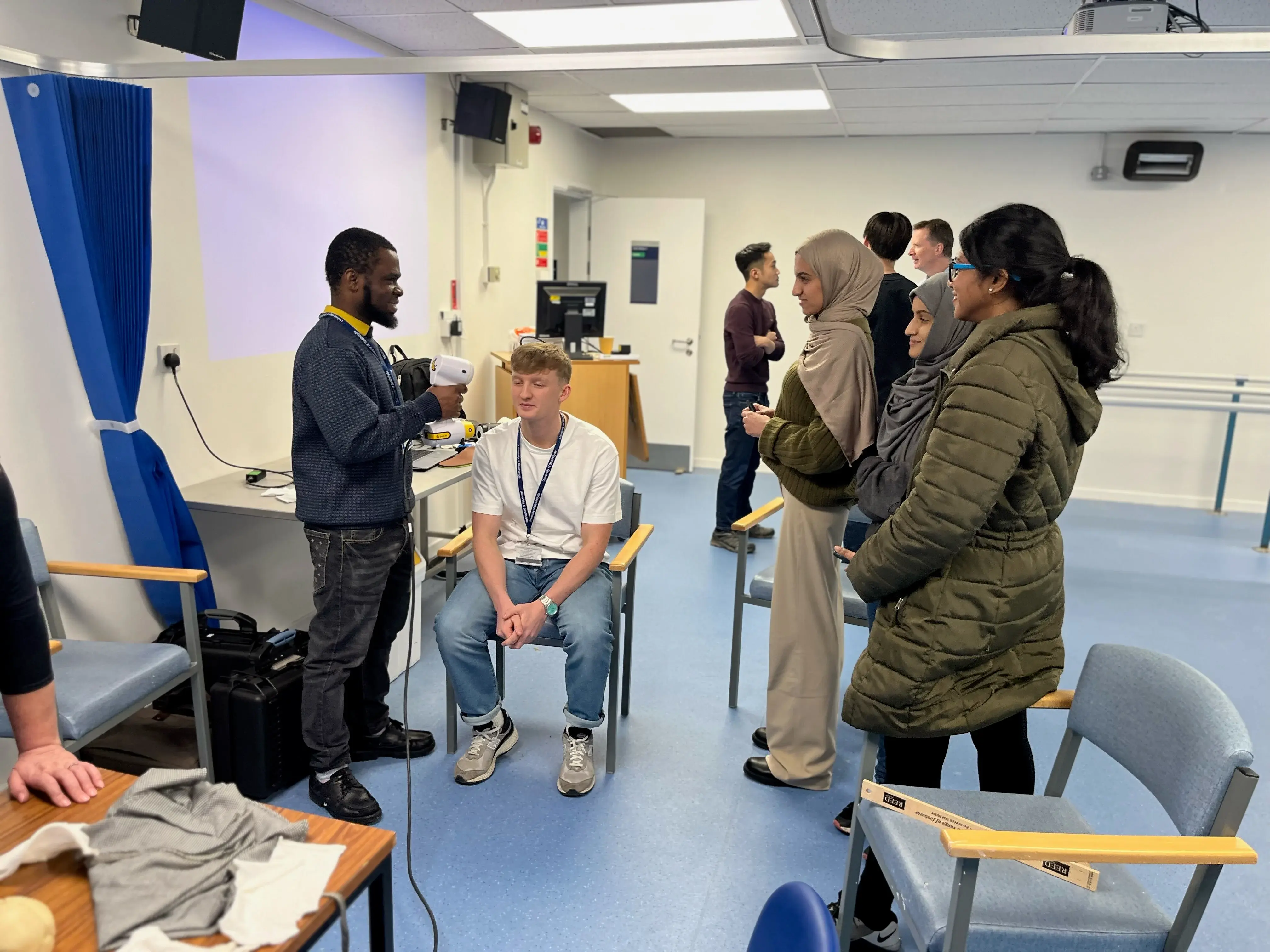
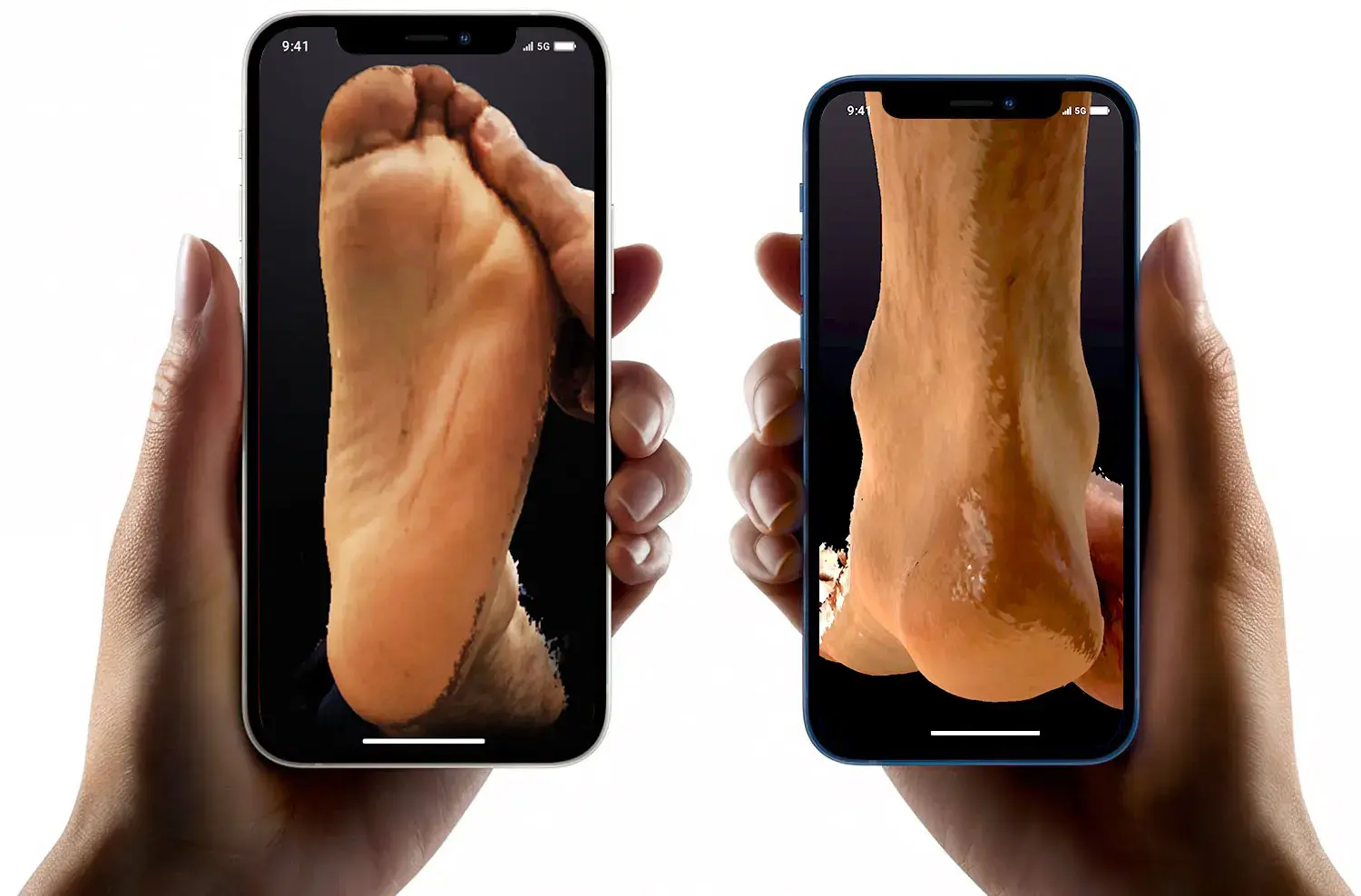
Assessment & 3D foot scan — Capture precise foot geometry, pressure mapping (via plantar pressure analysis), and gait data.
-
Design custom midsole/sole using CAD + biomechanical modeling — Define zones of cushioning, support, pressure relief, and stability tailored to patient’s needs.
-
Select materials for printing (e.g. flexible TPU or medically approved elastomers) — Ensure durability, cushioning, hygiene, and suitability for long-term wear.
-
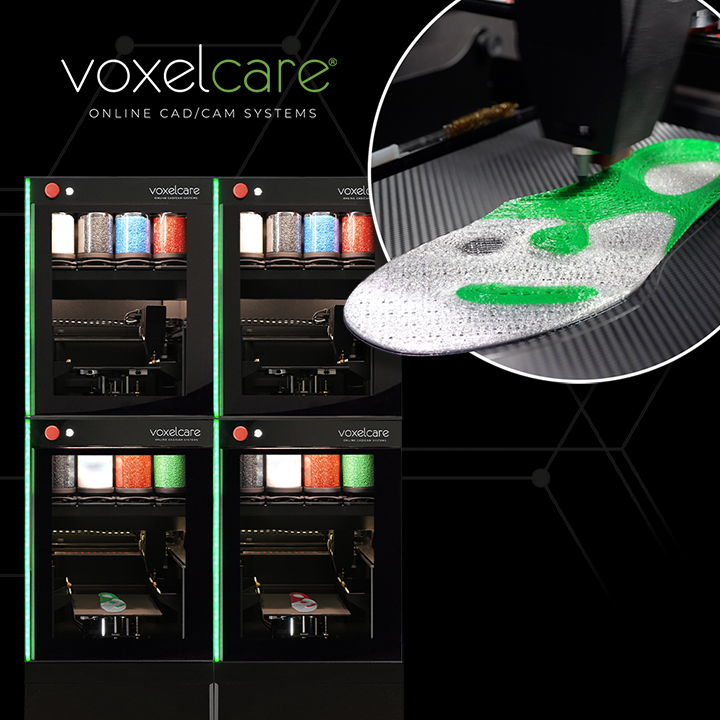
3D print midsoles / insoles; integrate with suitable upper/outer sole — Combine with breathable, supportive diabetic-friendly shoe uppers.
-
Fit, assess pressure distribution, adjust design as needed — Use follow-up plantar pressure testing or gait analysis.
-
Provide patient education and monitoring — Emphasize the importance of consistent use, foot hygiene, and routine check-ups.
-
Maintain digital design records for easy re-print/replacement — Helpful in case of wear, foot shape changes, or follow-up adjustments.
The Bigger Picture: From Performance Tech to Medical-Grade Footwear
The shift toward 3D-printed, personalized midsole technology — originally driven by performance footwear industry — offers a powerful opportunity for orthotic and diabetic foot care. Instead of using “one-size-fits-many” solutions, clinicians can prescribe footwear that is tailor-made, biomechanically optimized, and pressure-aware.
In doing so, they not only improve comfort and mobility — but importantly, contribute to ulcer prevention, injury risk reduction, and long-term limb preservation. As research continues to validate the biomechanical advantages of 3D-printed midsoles (e.g., improved gait balance, pressure distribution, shock absorption) the case for applying this technology in therapeutic and diabetic footwear becomes increasingly strong.