 By
By
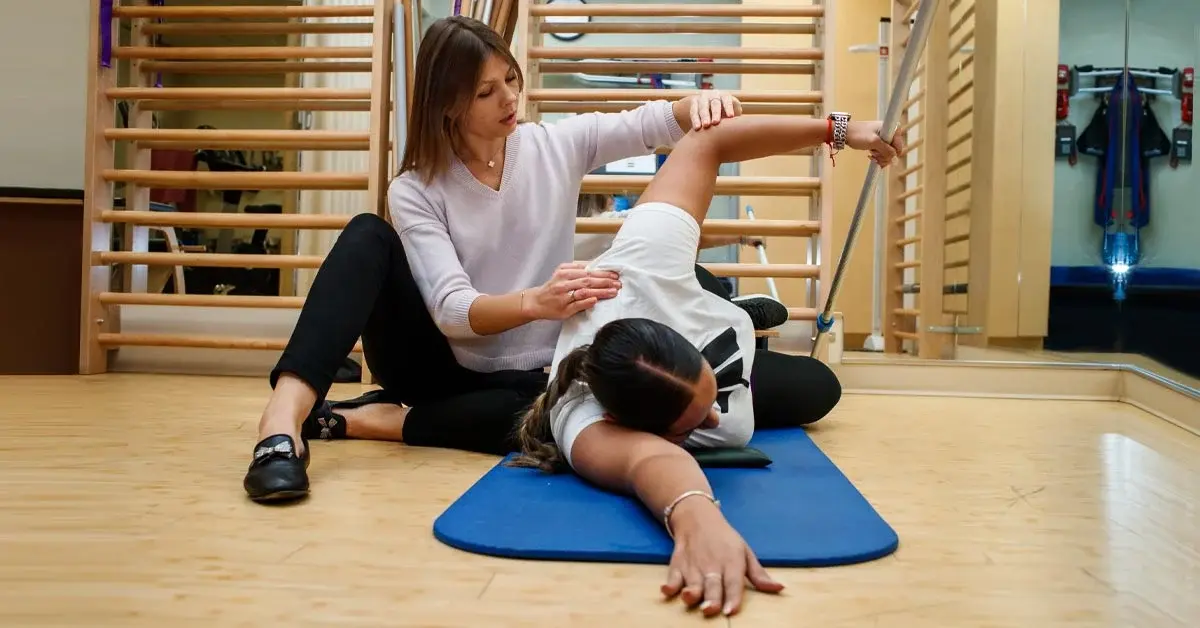
For nearly a century, the Schroth Method has been one of the most widely recognized exercise-based approaches to managing idiopathic scoliosis. Developed in the early 20th century by German physiotherapist Katharina Schroth, the technique uses individualized posture-specific exercises, corrective breathing and sensorimotor training to address the three-dimensional spinal deformity seen in scoliosis.
In traditional scoliosis care, the Schroth Method has often been recommended as a conservative alternative or complement to bracing and an option for patients seeking non-surgical management. However, in recent years the clinical community has increasingly examined its role within broader treatment pathways, especially in light of evolving evidence and a growing emphasis on multimodal and individualized care.
What the Schroth Method Entails
At its core, the Schroth Method focuses on:
-
Postural auto-correction tailored to the individual’s specific curve pattern
-
Three-dimensional breathing and sensorimotor exercises designed to help patients engage musculature asymmetrically
-
Integration of corrective postures into daily activities
These components aim to reduce muscular imbalances, improve postural awareness and support stabilization of the spine across three planes of movement.
Clinically, practitioners may guide patients through progressive exercises over weeks and months, with the goal of improving functional outcomes and possibly slowing curve progression in adolescent idiopathic scoliosis (AIS).
Evidence on Effectiveness: What We Know
Recent systematic reviews and meta-analyses examining the Schroth method in isolation suggest short-term benefits in several domains for patients with AIS:
-
Cobb angle: Meta-analysis data indicate a statistically significant, though modest, reduction in spinal curvature when Schroth exercises are used compared to no intervention or other conservative treatments.
-
Quality of life (QoL): Some evidence shows improvements in QoL measures following Schroth exercises, although the overall certainty of evidence is limited and more research is needed for robust conclusions.
-
Trunk rotation: Improvements in trunk rotation angle — a marker associated with cosmetic and functional concerns — have also been observed.
Despite these positive findings, it is important to recognize that:
-
The magnitude of Cobb angle reduction often does not exceed the minimum clinically important difference commonly used in orthopedics.
-
Many studies have focused on relatively short-term outcomes (weeks to months), with limited data on long-term sustainability.
-
Variations in session frequency, duration and treatment protocols make direct comparisons difficult.
Overall, evidence supports Schroth as a valid component of conservative scoliosis care, but not as a definitive standalone solution for all patients.
Where Schroth Fits in Modern Scoliosis Management
Best practice guidelines — such as those from the Scientific Society on Scoliosis Orthopaedic and Rehabilitation Treatment (SOSORT) — define physiotherapeutic scoliosis-specific exercises (PSSE) as part of a spectrum of conservative approaches that can be individualized based on age, curve severity, growth potential and patient goals.
Rather than labeling the Schroth Method as outdated, many clinicians view it as one tool among several in a holistic care pathway that may include:
✔ Scoliosis-specific exercises
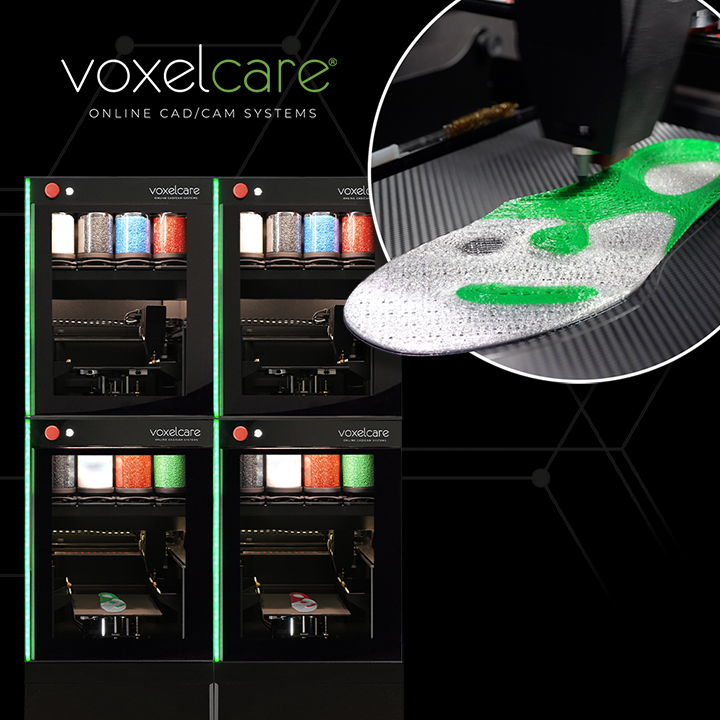
✔ 3d printed Bracing for moderate curves
✔ Regular radiographic monitoring
✔ Functional training for daily postures and activities
✔ Psychosocial support and quality-of-life optimization
This reflects a broader trend in musculoskeletal care: evidence-informed, patient-centered management that integrates multiple modalities tailored to individual needs rather than relying on a single therapeutic approach.
Practical Considerations for Clinicians
When incorporating Schroth-based interventions, practitioners should consider:
-
Clinical goals: Is the priority curvature control, postural awareness, activity participation, pain management or overall quality of life?
-
Patient engagement: Long-term exercise adherence tends to correlate with better outcomes in scoliosis-specific exercise programs.
-
Complementary strategies: Schroth exercises may be more effective when combined with other evidence-based treatments like bracing or targeted manual therapies.
Given the variability in evidence quality and intervention protocols, clinicians should interpret individual study results within the context of each patient’s unique presentation and in consultation with multidisciplinary teams when possible.
Conclusion
The Schroth Method has a long history in conservative scoliosis care and remains a recognized exercise-based option supported by clinical evidence for short-term improvements in spinal curvature, trunk rotation and quality of life in adolescent idiopathic scoliosis.
However, contemporary practice increasingly emphasizes a combined, individualized approach rather than a single therapy model. As more research emerges — particularly studies with long-term follow-up and standardized protocols — clinicians can refine how they integrate scoliosis-specific exercises like Schroth within broader, patient-centered care strategies.





.jpeg)

-1.png "Gaza Fund (1)-1")