 By
By
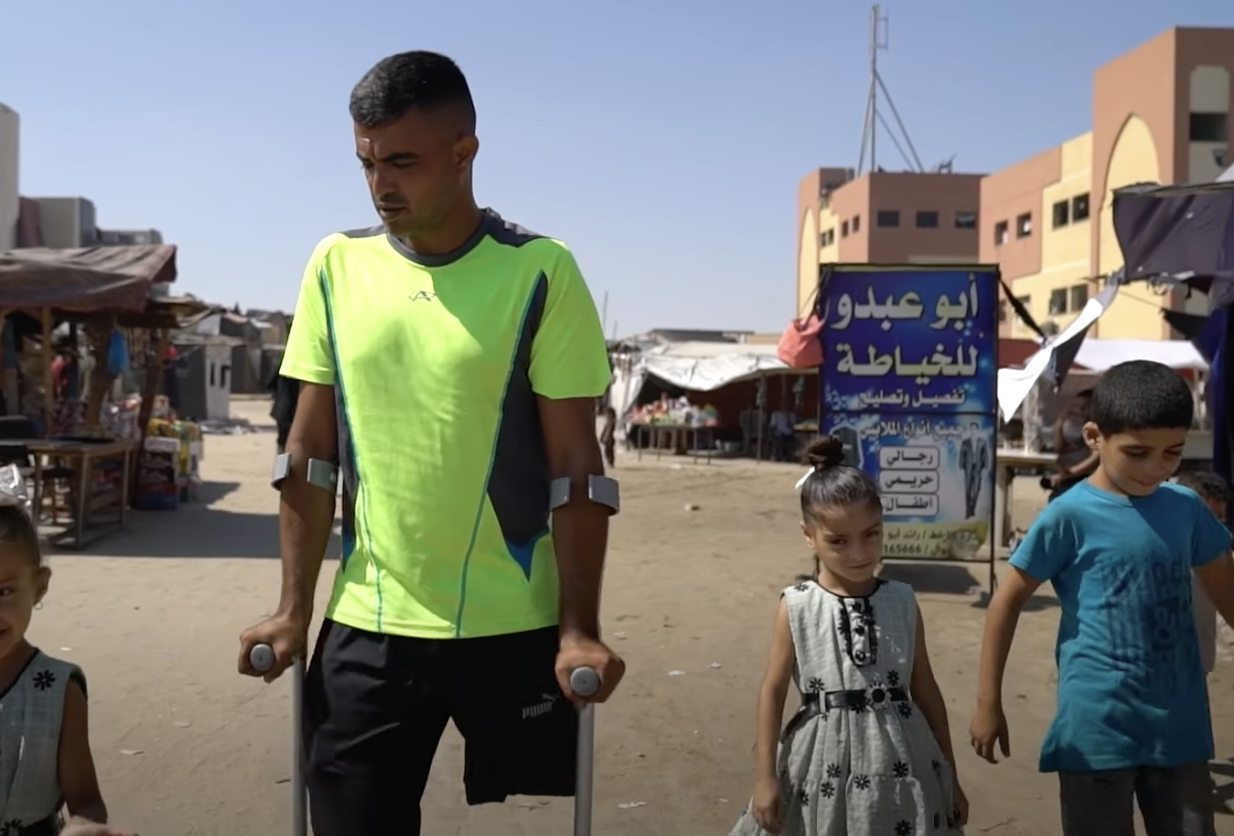
For Mohammed Ahmad Abu Bayd, the roar of the crowd was never about medals.
It was about breathing again.
Mohammed grew up in Shujaiyya, one of Gaza’s most densely populated neighborhoods — a place where streets carry both laughter and loss. In 2014, during one of the most devastating waves of violence Gaza had seen, a single moment changed the course of his life forever. An explosion tore through the area. When the smoke cleared, Mohammed woke to the reality many in the region fear most:
He had lost his leg.
What followed was not only physical trauma, but the quiet, unseen war that lives inside people who survive. Pain. Isolation. The feeling of becoming “less than” in a society where opportunities for people with disabilities are already limited.
Doctors could save his life.
Sport helped him reclaim it.
Discovering a new identity through movement
Rehabilitation first introduced Mohammed to wheelchair sport and disability athletics. What began as an exercise in balance and strength slowly became a gateway back into community — and eventually, purpose.
Sport was not an escape. It was a confrontation.
Every lap, every drill, every training session said:
“Your story is not over.”
He began competing, training alongside others who had also lost limbs, each carrying stories of devastation and resilience. On the court and on the track, they were not “victims.” They were athletes.
Through sport, Mohammed rebuilt not just muscle — but confidence, dignity, and voice. He traveled, spoke to young people, encouraged others living with amputations, and proved that disability does not end participation in life.
He began to dream again — not only for himself, but for Gaza’s growing community of amputee athletes.
October 2023: When hope became heavier
Then came October 2023.
The escalation of violence across Gaza did more than damage buildings. It shattered fragile systems that amputees and athletes depend on:
-
clinics and rehabilitation centers were destroyed or overwhelmed
-
prosthetic maintenance became nearly impossible
-
travel became restricted
-
training spaces disappeared
-
electricity, food, and water became daily uncertainties
For Mohammed, the struggle doubled.
The leg that once symbolized possibility now became a burden without access to spare parts, alignment checks, sockets, liners, and physiotherapy. Walking — something he had worked so hard to reclaim — became painful again.
Training was no longer about medals.
It became about survival.
Friends left. Teammates were displaced. Some were injured. Some, tragically, were lost.
And yet, like so many Palestinians living with disability, Mohammed refuses to disappear.
The quiet strength of staying
It would be easy to write Mohammed’s story as one of tragedy. But that would erase his most powerful truth:
He is still here.
He still encourages others.
He still believes in rehabilitation.
He still believes in sport as a language of dignity and healing.
His story reminds us that disability is never the limitation — systems are. When war destroys hospitals, prosthetics labs, sports facilities, and safe spaces, people like Mohammed pay twice: once with injury, and again with neglect.
Why stories like Mohammed’s matter
Mohammed Ahmad Abu Bayd is not simply an athlete who lost a leg.
He is a symbol of:
-
resilience born in hardship
-
the healing power of movement
-
the need for sustained rehabilitation support — even in conflict
-
the right of every person with disability to live fully, safely, and with dignity
His journey challenges us to think beyond emergency relief. People living with amputations require:
✔ long-term prosthetic services
✔ ongoing maintenance
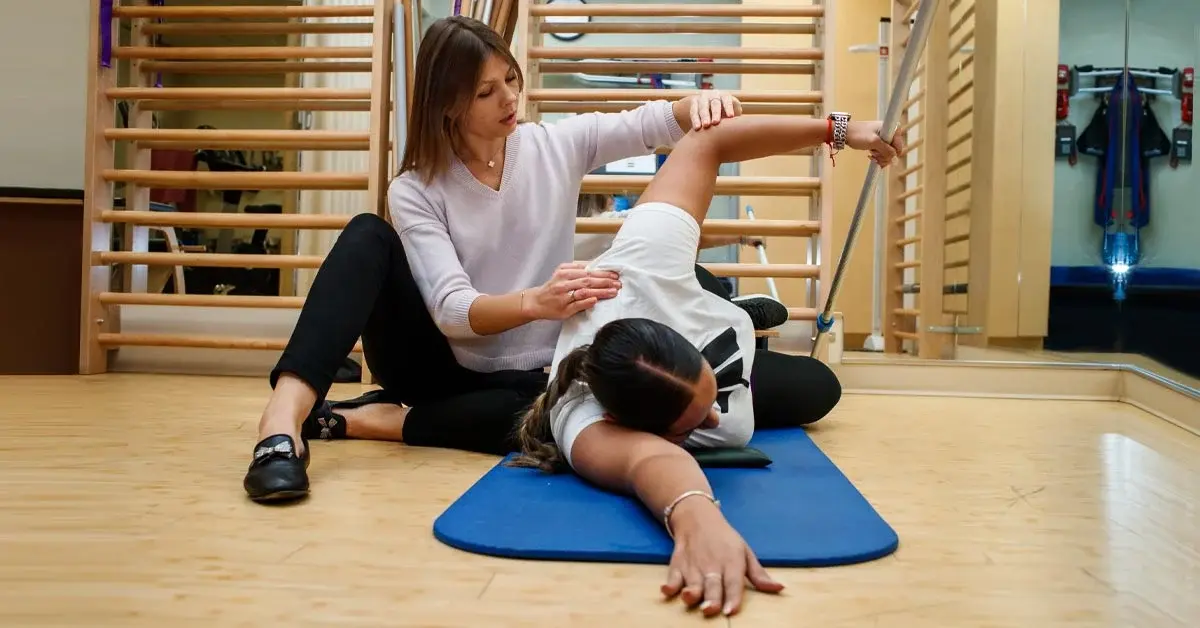
✔ physiotherapy
✔ psychological support
✔ access to sport and community spaces
Hope is not an abstract idea. It is built by clinics, trainers, therapists, volunteers, and organizations willing to stand beside people long after headlines fade.
A continuing journey
Today, Mohammed faces real uncertainty. Life after October 2023 is harder, more fragile, and more exhausting.
But he carries something that no conflict can remove:
A belief that life must continue — and that the human spirit can rise again, even when the body has been changed forever.
His story is not finished.
And as long as he continues to move — whether on one leg, on crutches, or on the track — Mohammed Ahmad Abu Bayd reminds the world:
Strength is not the absence of pain.
Strength is choosing to live anyway.



.jpeg)

-1.png "Gaza Fund (1)-1")