 By
By
A highly specialized one-day workshop on the clinical application of the PEDAR plantar pressure measurement system will take place on 30 January 2026 in Tehran, bringing together rehabilitation clinicians, orthotists, physiotherapists, physicians and allied health professionals to deepen their understanding of plantar pressure analysis and its role in diabetic foot care.
The workshop, organized by the Institute of Physical Education and Sports Science at the Sports Sciences Research Center (SSRC), blends both theoretical instruction and hands-on practical training over eight intensive hours. Its primary aim is to equip health professionals with the skills needed to operate the PEDAR system, interpret complex plantar pressure data, and apply that insight directly to patient assessment and intervention design — particularly for individuals with diabetic foot complications.
Why Plantar Pressure Matters in Clinical Practice
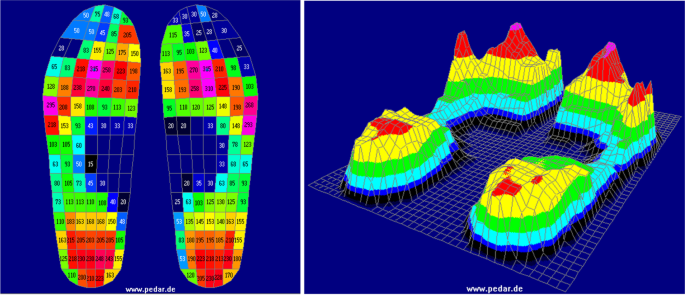
Plantar pressure measurement has become a cornerstone in the biomechanical assessment of gait and foot health, offering clinicians quantitative insight into how forces are distributed under the foot during weight-bearing activities. This type of analysis is particularly valuable in understanding risk zones for ulceration and tissue breakdown in people living with diabetic neuropathy, where localized high pressures can lead to serious complications if not identified and managed early.
The PEDAR system — a wearable, in-shoe pressure monitoring technology with a high resolution sensor matrix — enables detailed capture of dynamic pressure distribution across the plantar surface. Its capacitive sensors record localized loads that can be studied during walking, running, or everyday movement, providing clinicians and researchers with accurate, reproducible data for both assessment and intervention planning.
Workshop Focus and Learning Outcomes
The full-day event will cover:
-
Introduction to the PEDAR device: components, capabilities, and clinical applications.
-
Foot biomechanics and pressure physiology: understanding normal and pathological pressure patterns.
-
Plantar pressure research and clinical use cases: how data drives treatment decisions.
-
Practical training: calibration procedures, data collection protocols, and initial analysis techniques.
-
Identifying high-pressure areas in diabetic foot: strategies for detection and corrective intervention planning.
-
Advanced applications and summary insights: integrating plantar pressure data across multidisciplinary rehabilitation workflows.
Participants will leave with both foundational knowledge and hands-on experience in operating the PEDAR system and generating actionable clinical insights from real patient data.
Expert Faculty and Interdisciplinary Perspectives
The workshop brings together a multi-disciplinary team of specialists:
-
Dr. Morteza Soleimani – Orthopedic Surgeon and Orthopedic Surgery Fellowship Candidate
-
Dr. Samira Gholamian – PhD in Exercise Physiology, Institute of Physical Education and Sports Science
-
Dr. Mahtab Bagheri – PhD in Orthotics and Prosthetics, Iran University of Medical Sciences
-
Dr. Ehsan Noroozi – PhD in Orthotics and Prosthetics, Isfahan University of Medical Sciences
Their combined expertise spans clinical biomechanics, rehabilitation research, sensor technology, and orthotic/prosthetic practice — offering participants a rich learning experience bridging science and real-world application.
Who Should Attend
This workshop is specifically designed for:
✔ Physiotherapists
✔ Orthotists and Prosthetists
✔ Rehabilitation Specialists
✔ Physicians involved in chronic wound care and diabetic foot management
✔ Sports science professionals
✔ Graduate students in related health sciences
Participants will also receive a certificate of completion upon finishing the workshop, supporting ongoing professional development and translational practice in plantar pressure analysis.
Event Details
-
Date: 30 January 2026
-
Time: 08:00 – 17:00 (8 instructional hours)
-
Format: In-person
-
Location: Tehran, Motahari Street, Mir Emad Street, 5th Alley, No. 3, Iran
- Registration Link: https://ssrc.ac.ir/farhangi/fa/form/259
- More Information: 021-88747884 ext. 112 / 09386422953
For registration and additional information, clinicians and researchers are encouraged to contact the SSRC or visit the event webpage.
Why It Matters for IMEA Practitioners
As chronic conditions such as diabetes and peripheral neuropathy continue to rise across the IMEA region, the need for precise, accessible assessment tools like plantar pressure systems becomes ever more urgent. Clinicians who can interpret pressure data not only enhance the quality of care but also contribute to evidence-based interventions that reduce ulcer risk, support personalized orthotic prescriptions, and improve patient mobility and quality of life.
By building capacity in plantar pressure analysis through events like this workshop, the region’s rehabilitation workforce can better meet the complex needs of patients with diabetic foot and other gait-related pathologies — moving the field forward both clinically and scientifically.



.jpeg)

-1.png "Gaza Fund (1)-1")