 By
By
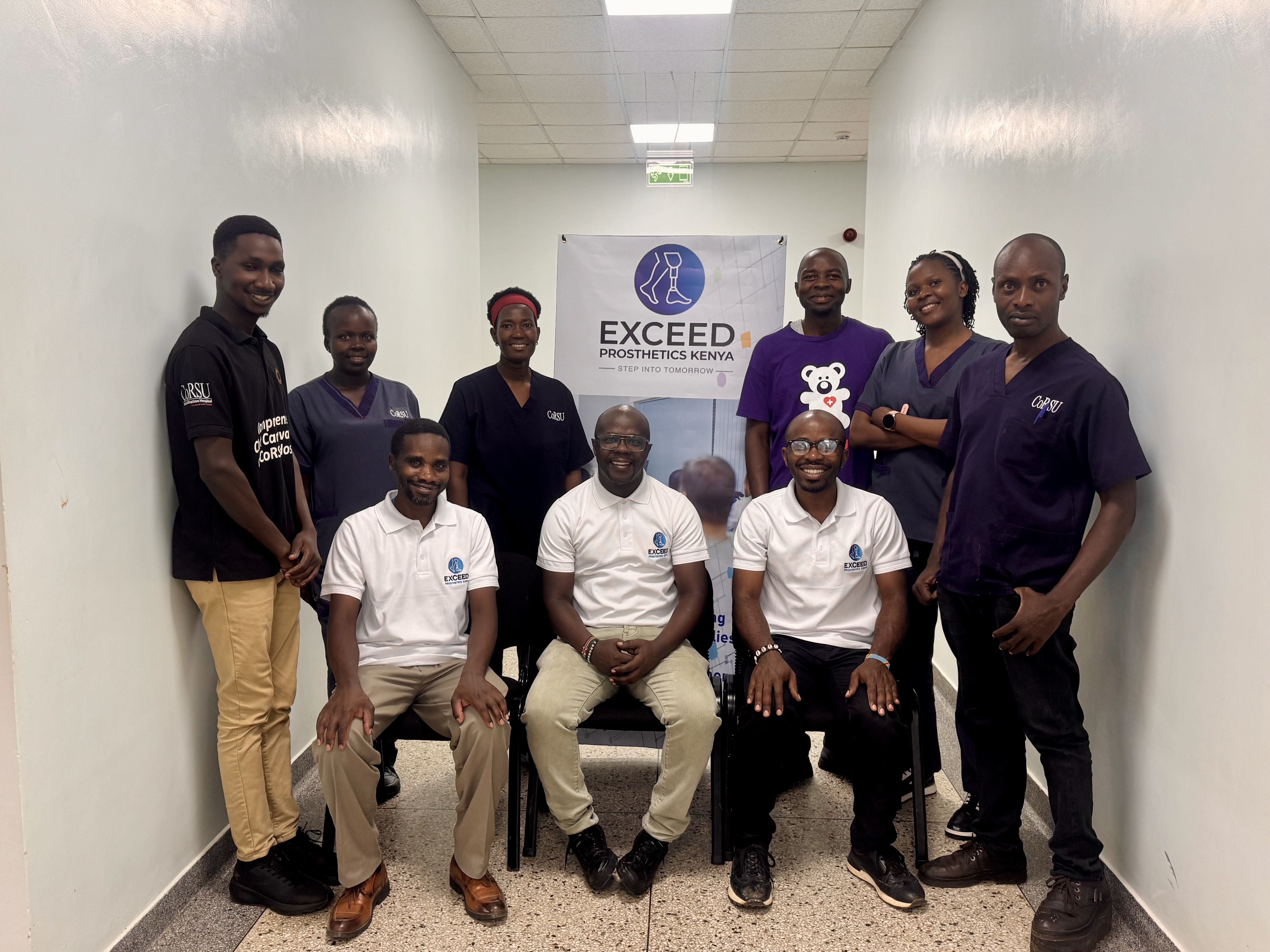
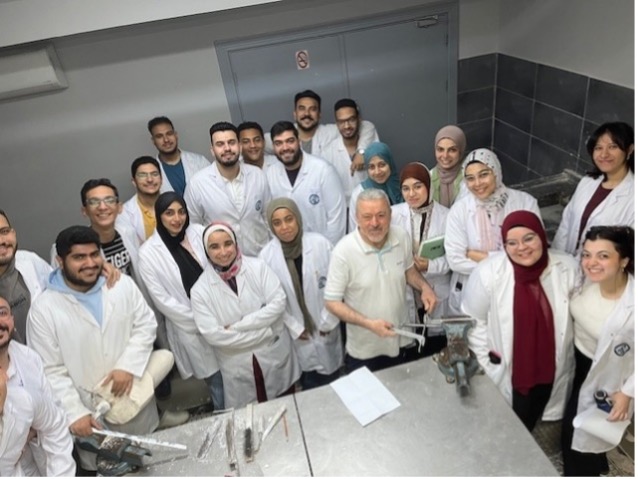
Exceed Prosthetics Kenya has continued its push to strengthen prosthetic and orthotic care in Africa through a 10-day advanced training programme delivered at CORSU Rehabilitation Hospital in Uganda, combining complex clinical practice, multidisciplinary rehabilitation, and local capacity building.
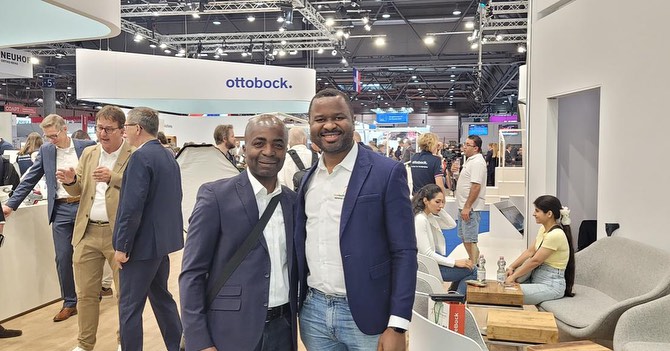
Founded by three Certified Prosthetists and Orthotists (CPOs) from the Democratic Republic of Congo and Kenya, Exceed Prosthetics Kenya operates as a consultancy organisation focused on advancing prosthetic and orthotic (P&O) care across Africa. Its work centres on strengthening professional training, building local capacity, and improving access to quality rehabilitation services.
The programme, delivered in March 2026, was designed as a practical response to two of the region’s most persistent challenges: the shortage of skilled professionals and the limited availability of modern prosthetic technologies. It brought together a multidisciplinary team of three prosthetists, two physiotherapists, and one occupational therapist, reinforcing the principle that effective rehabilitation outcomes depend on coordinated, team-based care rather than isolated device provision alone.
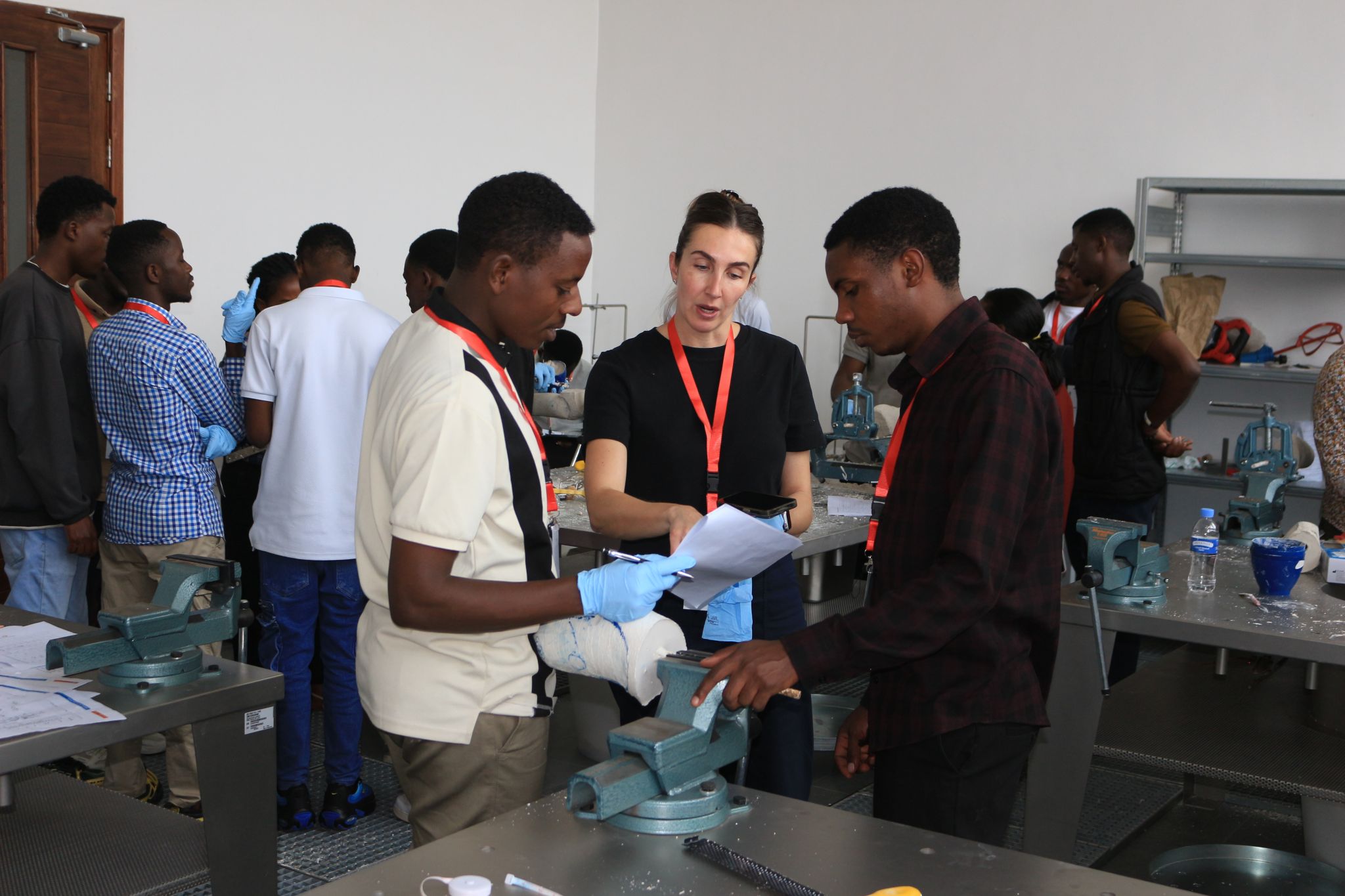
Training combined theoretical instruction with intensive hands-on clinical application, allowing participants to move directly from advanced concepts into real patient care. During the programme, clinicians managed and successfully fitted patients with complex prosthetic needs, including hip disarticulation (Canadian), ischial containment sockets for transfemoral amputations, knee disarticulation, and Syme amputations. These are case types that often remain underserved because of their technical complexity and the limited access to specialised training in many African settings.
Each patient was supported through a broader rehabilitation process that included assessment, prosthetic fitting, physiotherapy, and psychosocial support, highlighting a more holistic and patient-centred model of care. That approach is particularly important in complex cases, where functional outcomes depend not only on technical fitting quality but also on rehabilitation follow-up and wider support for long-term adaptation.
The training also extended beyond limb prosthetics into spinal orthotics, with a focused module on idiopathic adolescent scoliosis. Participants received training in assessment, classification, measurement, and fitting techniques, culminating in the successful provision of a Chêneau brace to a teenage patient. This wider scope underlines the importance of equipping rehabilitation professionals with adaptable skills that allow them to respond to a broader range of clinical needs within their communities.
According to Exceed, the outcomes of the initiative were immediate and measurable. Participating clinicians showed clear improvement in technical competence and confidence when managing complex cases, while patients experienced better mobility, greater independence, and improved overall quality of life. Beyond the individual results, the programme also contributed to longer-term local capacity by transferring skills that can continue benefiting patients well beyond the training period itself.
The significance of this work becomes even clearer in the context of the wider rehabilitation gap across low- and middle-income countries. It is estimated that only 5% to 15% of people in need of assistive devices in these settings are able to access them, with Africa carrying a disproportionate share of the burden. Limited access to modern training, essential materials, and qualified P&O professionals continues to constrain service quality across the continent.
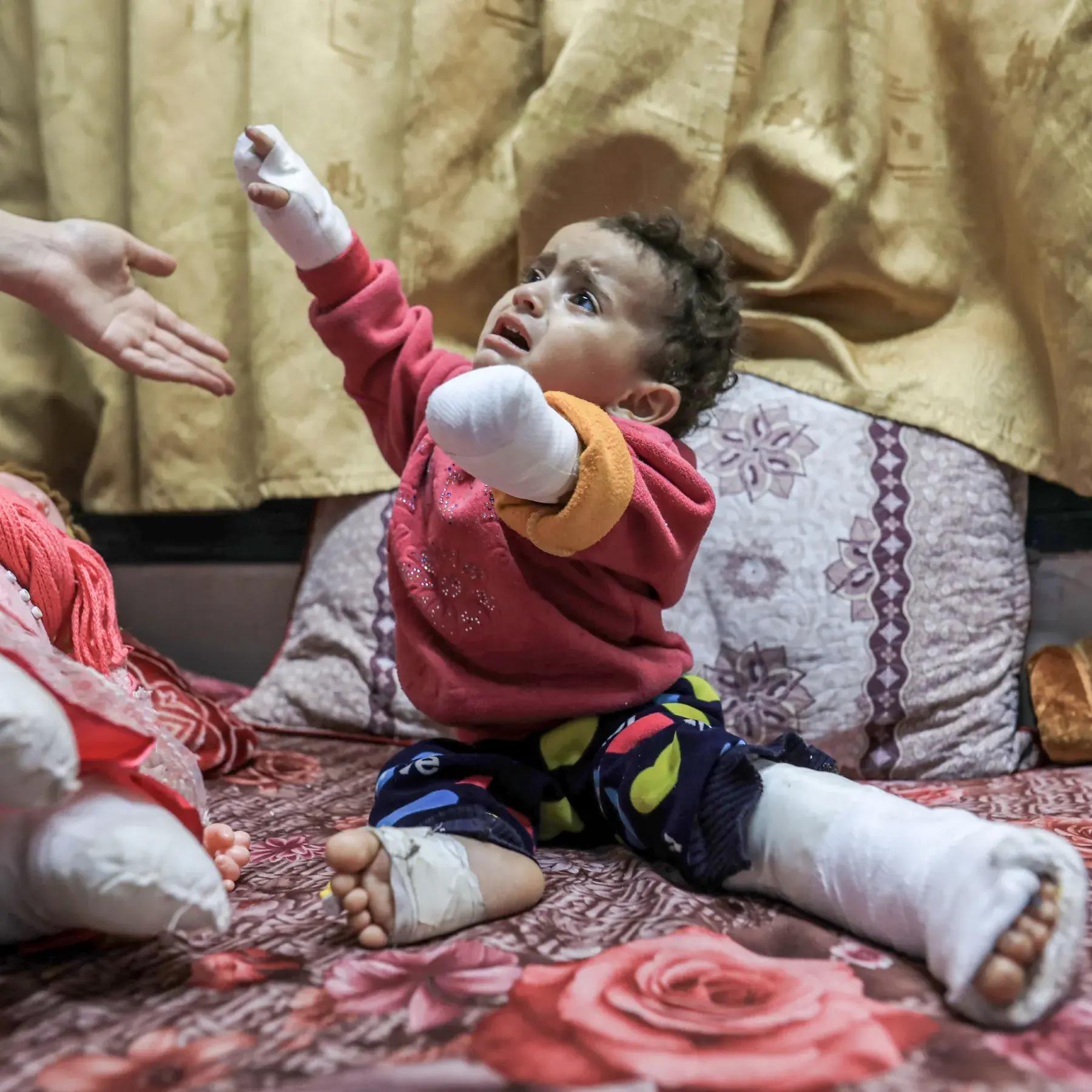
The impact is often greatest on already vulnerable populations, including refugees, people affected by conflict, cancer patients, and those living with non-communicable diseases. For many of these groups, lack of access to appropriate prosthetic, orthotic, and rehabilitation services can result in preventable lifelong disability, reduced independence, and deeper social and economic exclusion.
Exceed Prosthetics Kenya is attempting to respond to this challenge through a model that combines training, service delivery, and systems strengthening. Alongside advanced clinical training and consultancy, the organisation also supports institutions through the supply of essential prosthetic and orthotic materials, components, and equipment, while engaging in research, innovation, and the development of context-appropriate assistive technologies. It also promotes rehabilitative and palliative care approaches designed to be inclusive, sustainable, and responsive to underserved populations.
For the wider IMEA rehabilitation sector, the CORSU programme offers an important example of what effective capacity building can look like when it is grounded in real clinical need. Rather than separating education from service delivery, the initiative links both directly, creating a model in which professional development and patient benefit happen at the same time.
With the right backing, Exceed’s approach could be expanded to more institutions and more countries across Africa, helping to increase the number of skilled professionals while improving patient outcomes in parallel. In practical terms, that means investment in this kind of model is not only an investment in training, but also in stronger health systems, better functional outcomes, and more equitable access to rehabilitation care.
Exceed Prosthetics Kenya has made clear that it is ready to work with donors and stakeholders to scale this model further, with the aim of ensuring that high-quality prosthetic and orthotic care becomes accessible to everyone who needs it, regardless of geography or circumstance.