 By
By
Conflict-related injuries, diabetes, and fragmented healthcare drive ongoing demand for rehabilitation services
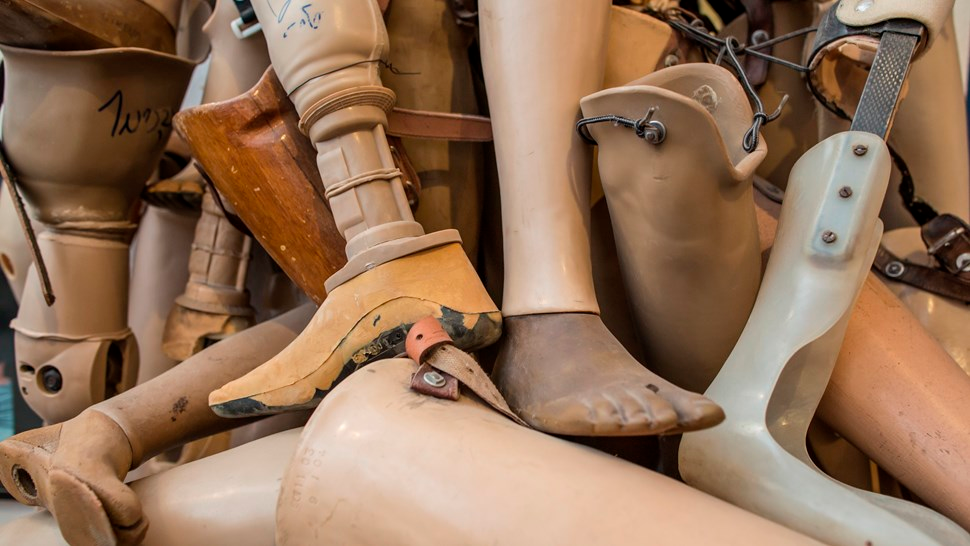
Libya’s orthotics and prosthetics sector operates within a healthcare system still affected by years of conflict, damaged infrastructure, and limited national coordination. Demand for prosthetic limbs, orthoses, and rehabilitation services is driven by war injuries, traffic trauma, diabetes, and chronic disease, while service delivery depends heavily on government hospitals, rehabilitation centres supported by international organisations, and a small number of specialised facilities. Despite strong historical investment in healthcare, the current system remains fragmented, with uneven access across regions.
Prevalence and demand drivers (key statistics)
Diabetes
Libya has a high prevalence of diabetes, with estimates showing around 15.8 percent of adults living with the condition, equivalent to more than 630,000 people. Diabetes is a major contributor to lower-limb amputation and long-term disability.
https://idf.org/our-network/regions-and-members/middle-east-and-north-africa/members/libya/
Conflict-related injuries and amputations
Years of armed conflict have resulted in a large number of people with permanent injuries, including amputations caused by gunshot wounds, explosions, and landmines. Extremity injuries account for the majority of war-related trauma cases treated in Libyan hospitals.
https://www.ijoro.org/index.php/ijoro/article/download/3220/1837/18081
Mine and explosive remnants of war have also created a long-term population of survivors requiring prosthetic and rehabilitation care.
https://unmas.org/sites/default/files/va_report_libya_2019-libmac-unmas_0.pdf
Persons with disabilities
Reliable national statistics are limited, but studies note significant gaps in disability reporting and planning, with thousands of people living with long-term impairments related to conflict, chronic disease, and injury.
https://sjdr.se/articles/10.16993/sjdr.2
Health system limitations
Assessments show that many health facilities operate only partially, with shortages of staff, equipment, and supplies affecting rehabilitation services in particular.
https://cdn.who.int/media/docs/default-source/2021-dha-docs/who-libya-phsa-2025.pdf
Libya O and P system snapshot
Libya previously had a relatively strong public healthcare system, but the sector has faced serious disruption since 2011. Today, prosthetic and orthotic services are delivered through a combination of public hospitals, rehabilitation centres, and international humanitarian programmes.
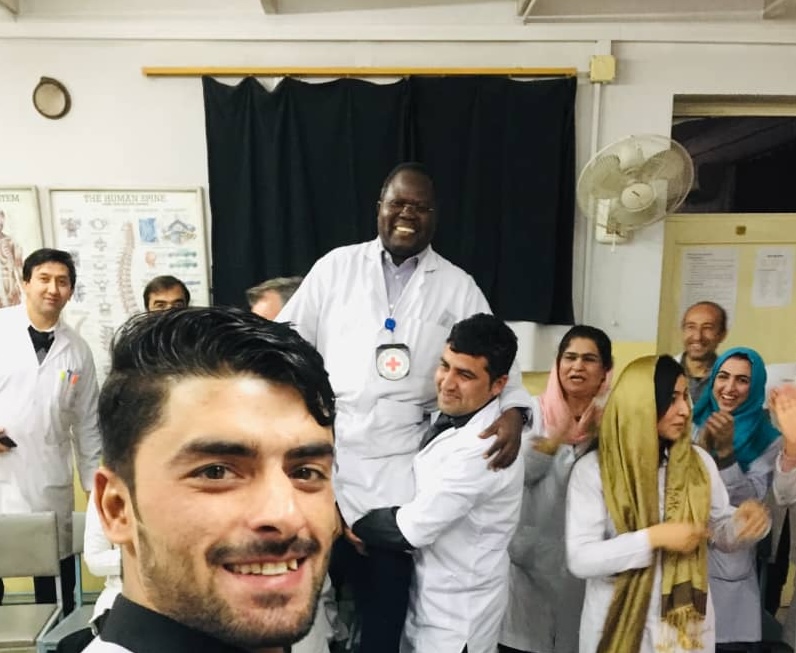
The International Committee of the Red Cross (ICRC) supports physical rehabilitation centres in Tripoli, Misrata, Benghazi, and other locations, providing prosthetic limbs, orthoses, and mobility aids to people with disabilities.
https://www.icrc.org/en/download/file/278620/libya_factsfigures_jan-june_en_2023.pdf
ICRC-supported centres provide fitting, physiotherapy, and assistive devices for thousands of patients each year, often using imported materials and components.
https://www.icrc.org/en/document/icrc-activities-libya-2021
Humanitarian organisations such as Humanity & Inclusion (HI) also provide rehabilitation support, training, and assistive devices, especially for conflict-affected populations.
https://www.hi.org/en/country/libya
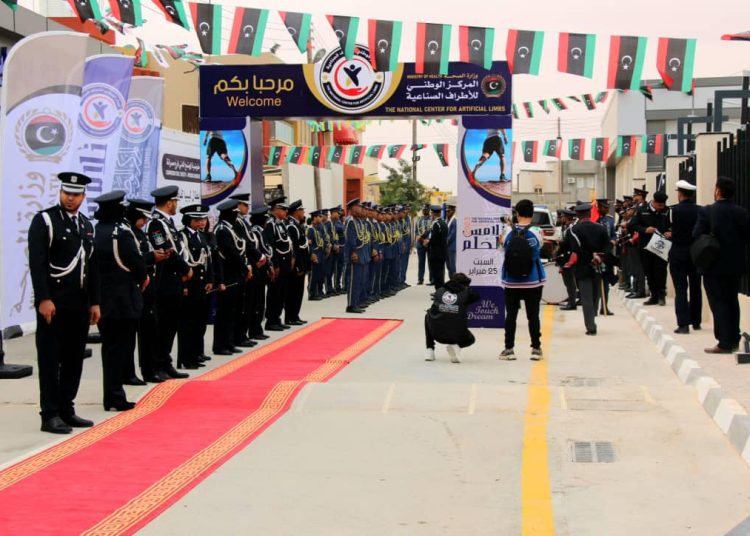
Recent agreements with international partners aim to modernise prosthetic services, including cooperation to operate national prosthetic limb centres.
https://libyaobserver.ly/inbrief/libya-signs-deal-slovakian-axis-operate-prosthetic-limbs-centre
Top orthotic and prosthetic service providers in Libya
1) ICRC-supported Physical Rehabilitation Centres (Tripoli, Benghazi, Misrata, Sabha)
Provide prostheses, orthoses, physiotherapy, and mobility aids in cooperation with Libyan health authorities.
https://www.icrc.org/en/download/file/278620/libya_factsfigures_jan-june_en_2023.pdf
2) National Center for Prosthetic Limbs (Tripoli)
Government-supported centre with international technical cooperation to expand prosthetic and rehabilitation services.
https://libyaobserver.ly/inbrief/libya-signs-deal-slovakian-axis-operate-prosthetic-limbs-centre
3) Benghazi Physical Rehabilitation Centre
Major rehabilitation facility providing prosthetic, orthotic, and physiotherapy services with international support.
https://reliefweb.int/report/libya/libya-icrc-inaugurates-dormitory-annexed-benghazi-physical-rehabilitation-centre-enar
4) Government hospitals and rehabilitation departments (Tripoli, Benghazi, Misrata)
Large hospitals such as Tripoli Central Hospital and Benghazi Medical Centre treat trauma and refer patients for prosthetic rehabilitation.
https://en.wikipedia.org/wiki/Tripoli_Central_Hospital
5) NGO and donor-supported rehabilitation programmes
International organisations provide prosthetic devices, physiotherapy, and assistive technology for vulnerable patients.
https://www.hi.org/en/country/libya
https://reliefweb.int/report/libya/removing-barriers-disabled-libya
Education and training initiatives
Libya currently has limited formal education in prosthetics and orthotics, largely due to the disruption of the healthcare and university systems after 2011.
Training is mainly provided through:
- ICRC rehabilitation training programmes
- NGO technical workshops
- International cooperation projects
- On-the-job training in rehabilitation centres
Workshops and training programmes have been organised to improve trauma rehabilitation and prosthetic fitting skills among Libyan clinicians.
https://www.human-study.org/2014/02/18/improving-the-quality-of-prosthetic-and-orthotic-1/
Future development of the sector will likely require the creation of formal academic programmes aligned with international standards.
Reimbursement and funding model
Libya historically had a state-funded healthcare system, but current reimbursement for prosthetic and orthotic devices is inconsistent due to political and economic instability.
Funding sources include:
- Government health services
- Social support programmes
- Military and veteran care systems
- International humanitarian funding
- NGO and donor projects
In many cases, prosthetic and orthotic services are provided free of charge through humanitarian programmes, while advanced devices often require external funding.
Before the conflict, Libya spent large amounts sending patients abroad for treatment, showing the need for stronger domestic rehabilitation services.
https://scispace.com/pdf/rehabilitation-services-in-post-revolutionary-benghazi-libya-2e01slax8r.pdf
Key challenges
- Fragmented healthcare system
- High number of conflict-related amputations
- Limited workforce training
- Dependence on imported components
- Unequal access between regions
- Lack of structured reimbursement system
Growth opportunities
- Rebuilding national rehabilitation infrastructure
- Establishing prosthetic and orthotic education programmes
- Expanding local production of devices
- Integrating diabetic foot and trauma care
- Developing national reimbursement pathways
- Increasing cooperation with international rehabilitation organisations
IMEA CPO outlook
Libya has a significant and ongoing need for orthotic and prosthetic services due to conflict injuries, diabetes, and limited rehabilitation capacity. While humanitarian organisations currently play a major role in service delivery, long-term development will depend on rebuilding national healthcare structures, expanding education, and creating sustainable funding systems.
With proper investment, Libya has the potential to restore a strong rehabilitation sector capable of meeting the growing demand for prosthetic and orthotic care across the country.