 By
By

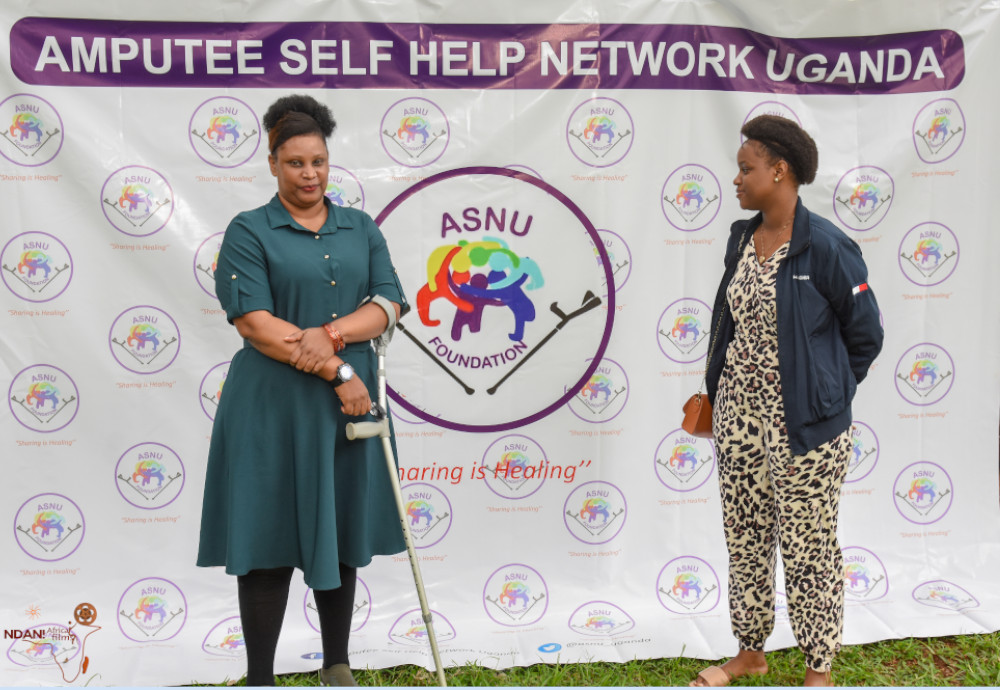
Survivors of road accidents in Uganda, represented under the Amputee Self-Help Network Uganda (ASNU), have called on the government to strengthen policies and systems that support accident victims and improve national road safety.
The group appealed during a press conference on Monday held in the wake of the recent Kiryandongo accident, which claimed more than 40 lives, reigniting public concern over road safety management and emergency response preparedness.
ASNU, a network dedicated to empowering individuals who have suffered physical disabilities as a result of road crashes, urged the government to establish rescue and emergency response points along major highways to ensure timely intervention and save more lives during accidents. The organisation also demanded stronger enforcement of road safety regulations and the development of sustainable support structures for accident survivors, including access to affordable prosthetics and rehabilitation services.
"Many survivors struggle for years because prosthetics and medical equipment are prohibitively expensive. Employment discrimination also leaves many amputees excluded from the workforce long after recovery," said Charlotte Kangume, ASNU co-founder and herself an accident survivor.
"We understand the devastating toll that road accidents take on hospitals, families, and entire communities. That's why we're calling on everyone-from government to individual road users-to prioritise safety and take immediate action," she added.
The network identified speeding as the leading cause of fatal crashes, coupled with systemic failures such as poor road infrastructure, limited enforcement, and inadequate driver discipline. They called for technology-driven solutions, including automated traffic enforcement and the reinstatement of the Express Penalty System (EPS), which was
recently suspended despite its proven record in reducing road accidents. "If automated enforcement tools like EPS had been active, perhaps those 40 lives in Kiryandongo would have been saved," Kangume emphasised.
"We saw its impact when it was operational-it deterred reckless driving and encouraged compliance. Uganda must embrace smart enforcement technologies to protect lives," she said.
Fellow survivor Joseph Asaba echoed the call for reform, urging greater investment in driver education and public awareness.
"As a survivor, I know the pain and struggle that comes with road accidents," he said. "We need to educate drivers, pedestrians, and passengers to speak up against bad driving. Accidents leave families broken and lives permanently changed. Technology and discipline can save countless lives," he added.
Recent statistics underscore the gravity of Uganda's road safety crisis. Reports show that 14 people die on Ugandan roads every day-the equivalent of a fully loaded taxi lost daily. The country's annual road death toll has surged from 4,159 in 2022 to 5,144 in 2024, marking an 80% increase since 2014. Uganda now ranks among the top six countries globally with the highest road fatalities per capita, with an estimated 1.2 million motorcycle-related incidents reported each year.
ASNU warned that the social and economic costs of road crashes-ranging from hospitalisation and lost productivity to long-term disability -are draining both families and the national economy. The group is urging the government to take urgent, coordinated action: invest in emergency response stations, reinstate the EPS, subsidise prosthetic devices, and enforce stricter, technology-enabled traffic regulations.






.jpeg)

-1.png "Gaza Fund (1)-1")
.png)