 By
By
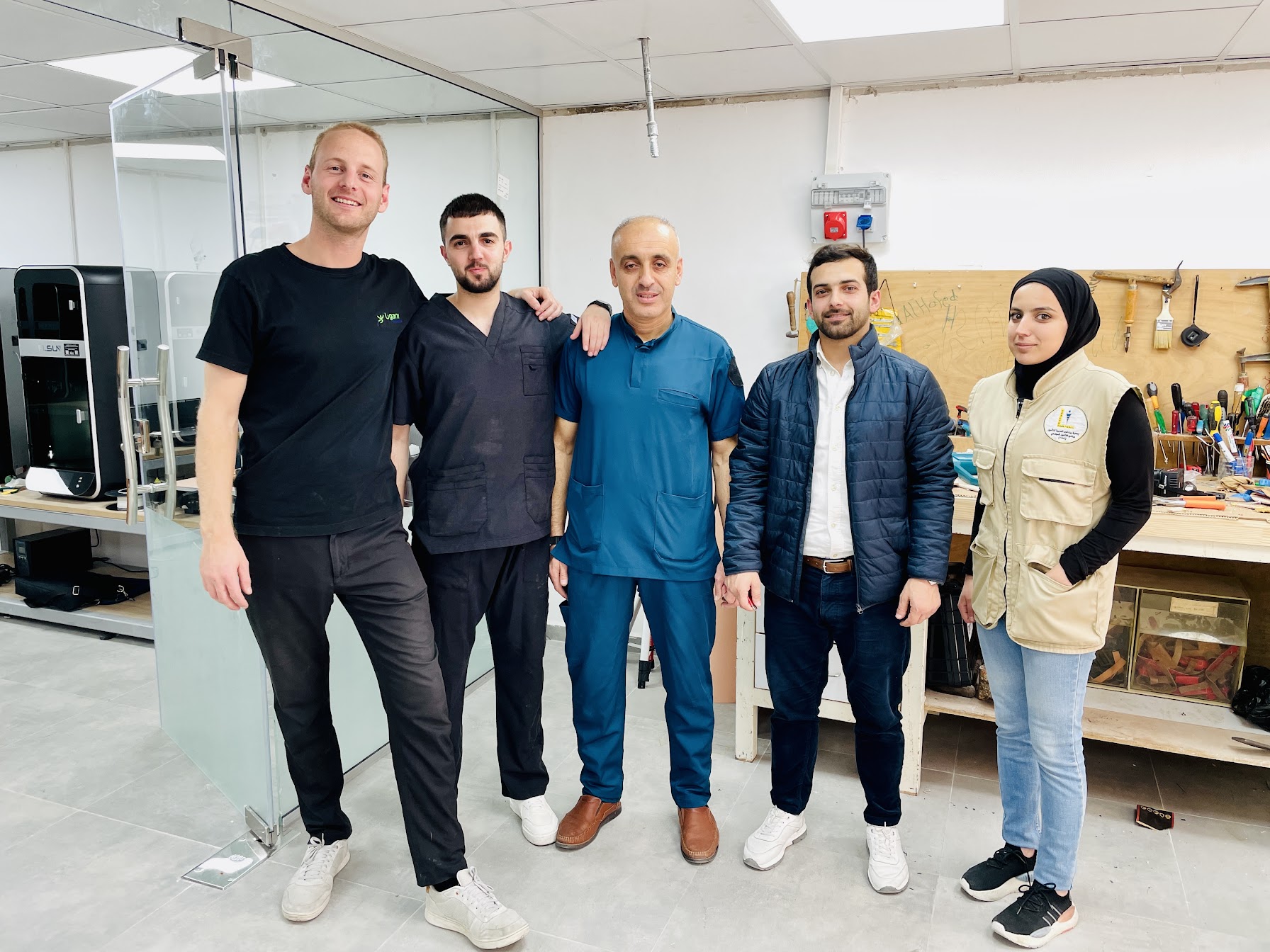
In a time of crisis, where conflict and destruction have inflicted terrible physical and emotional wounds on many, a ray of hope has emerged. Through a newly concluded collaboration between Bethlehem Arab Society for Rehabilitation (BASR), Ugani Prosthetics and UNICEF, a dedicated team has delivered 3D‑printed prosthetic limbs to Palestinian children — and, crucially, trained local staff to carry forward the mission.
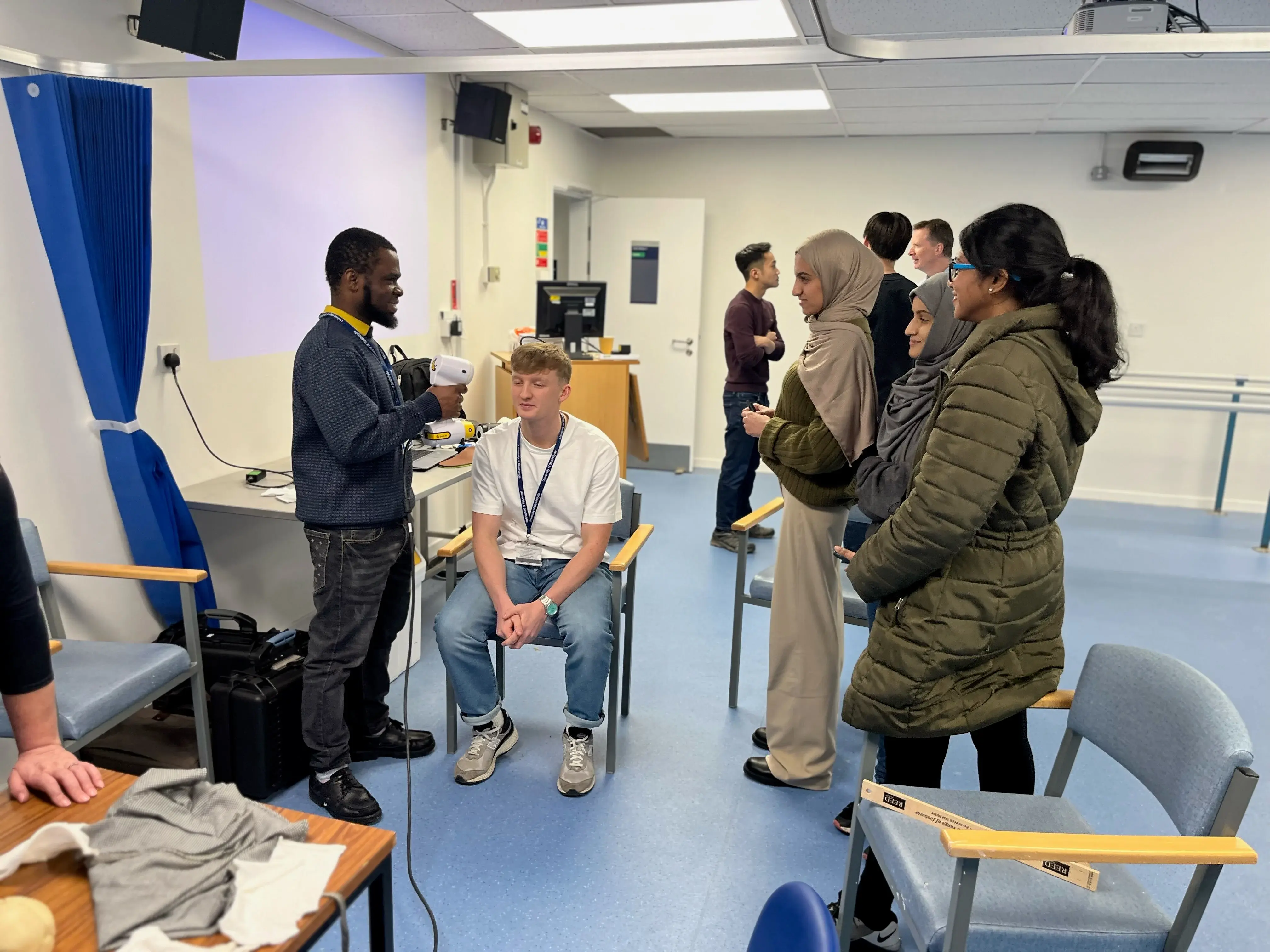
A One‑Month Training to Build Local Capacity
Over the course of just one month, the local workshop was improved, patients began to be welcomed, and the first custom prosthetic sockets were already produced.
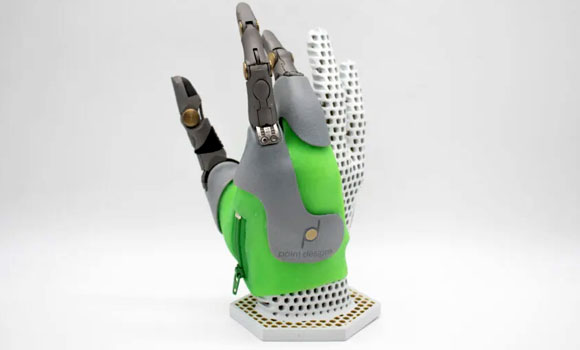
This rapid capacity-building — from empty space to functional prosthetic workshop — is a powerful demonstration of how quickly modern digital workflows (using 3D printing and smartphone scanning) can be deployed even under challenging humanitarian conditions. It echoes the core model of Ugani: making prosthetic care affordable, scalable, and accessible — even in low-resource or conflict-affected regions.
Meet the Team: Mohammad, Jamal, Wala, Mahran, Manal,... — Working Tirelessly for Children
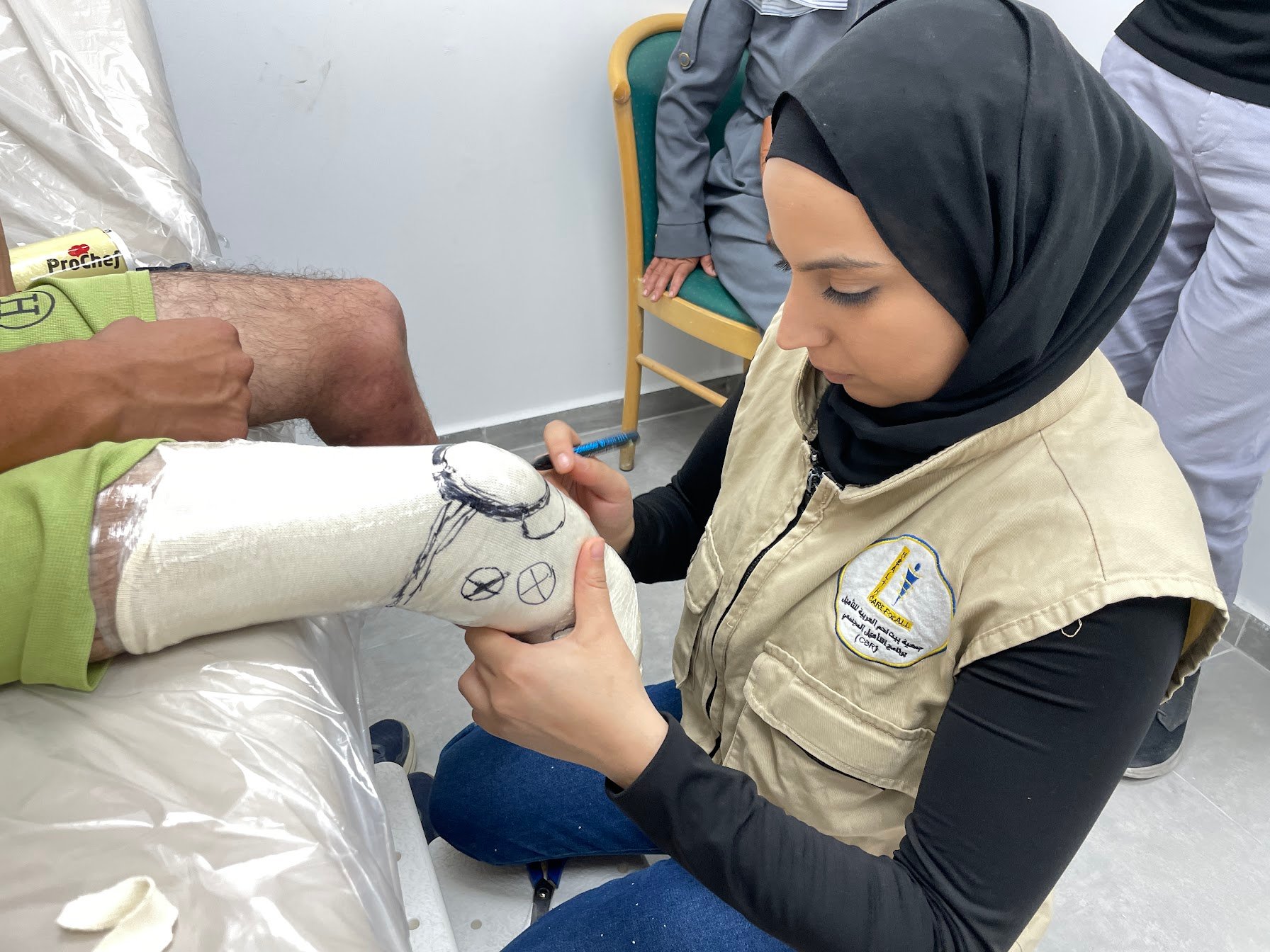
Among the people on the ground were individuals singled out by their dedication: the Palestinian practitioners Mohammad and Wala; and the support team with Jamal, Mahran, Manal and others. They worked relentlessly during the training and subsequent fitting campaigns — often under difficult circumstances, with complicated cases (including wounded stumps) — yet remained committed to delivering premium prosthetic care to children.
Their efforts are more than technical: they bring hope, dignity and mobility back to children whose lives were shattered by conflict. In a region where traditional prosthetic services are crippled by damaged infrastructure, supply shortages, and mobility limitations, the presence of skilled, motivated local staff means children can receive care more quickly, more often, and more sustainably.
Restoring Mobility — and Childhood
The backdrop for this work is grim: according to recent data cited by UNICEF and partners, Palestine has among the highest per‑capita rates of child amputees in the world. Many of these children lost limbs during recent military operations, cannot easily reach distant clinics, and face uncertain futures if no intervention is provided.
In that light, a 3D‑printed prosthetic limb is far more than a piece of medical equipment — it is a chance to restore a child’s mobility, self‑confidence, and hope. Once fitted, prosthetics can easily be adjusted as the child grows, thanks to it's modularity, digital scanning and production workflows supported by Ugani’s technology.
By bringing production close to patients and building local capacity, the project seeks to avoid the delays, high costs, and logistical barriers that often leave amputees without support for months — or years.
A First Step — But a Foundation for Sustainable Support
As humanitarian reports warn, the need is immense. Many thousands of children in Gaza and across Palestinian territories have lost limbs or suffered disability since the escalation of conflict.
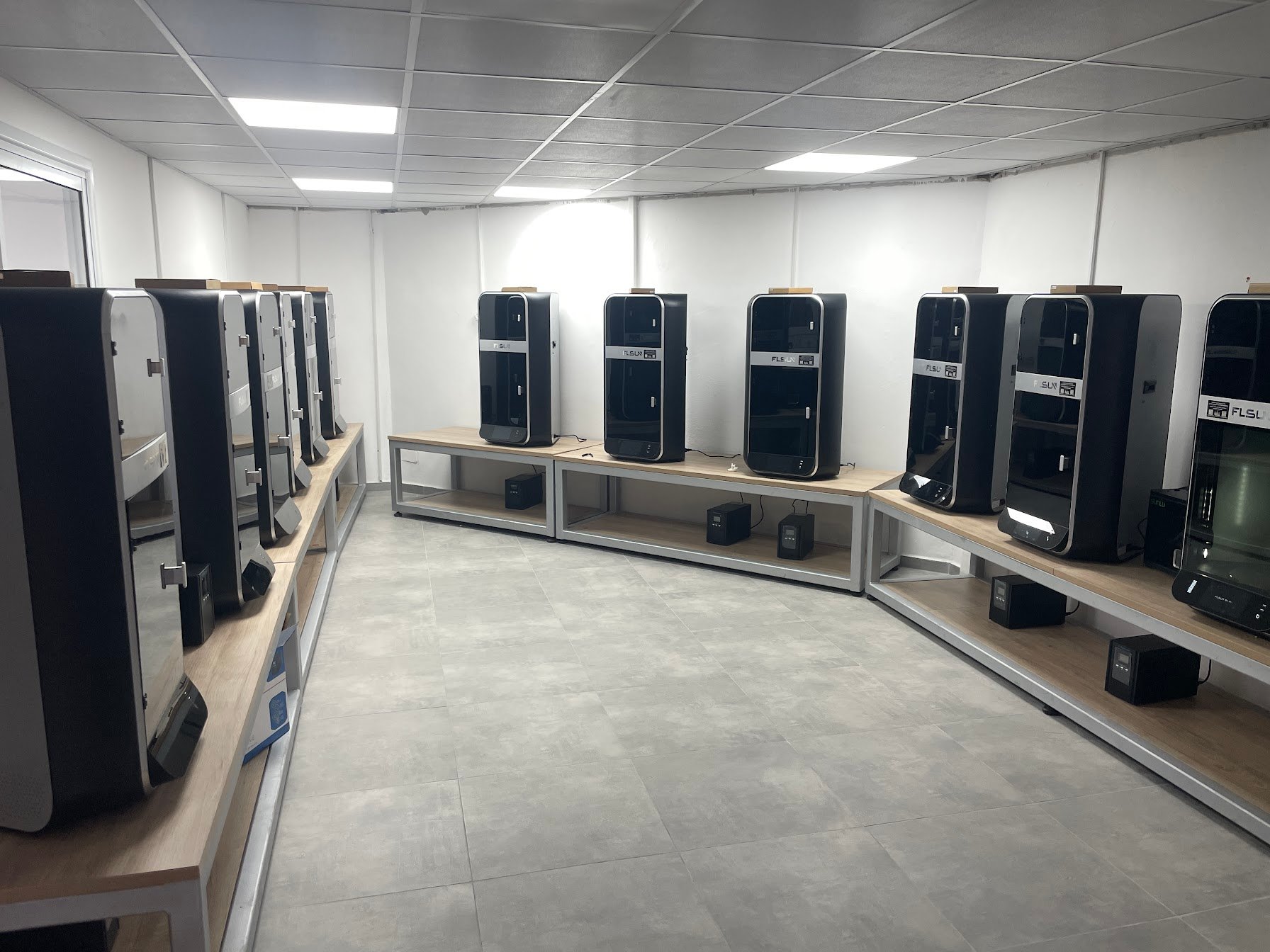
The one‑month training and first wave of prosthetic fittings by BASR/Ugani/UNICEF represent an important — though modest — initial response.
What matters now is scaling up: training more local staff, producing more prosthetics, and sustaining the supply chain even in volatile conditions.
By combining modern 3D printing, local capacity building, and global humanitarian support, the project offers a promising template: one where even children in war‑torn regions can regain mobility, dignity — and perhaps a piece of their childhood.