 By
By
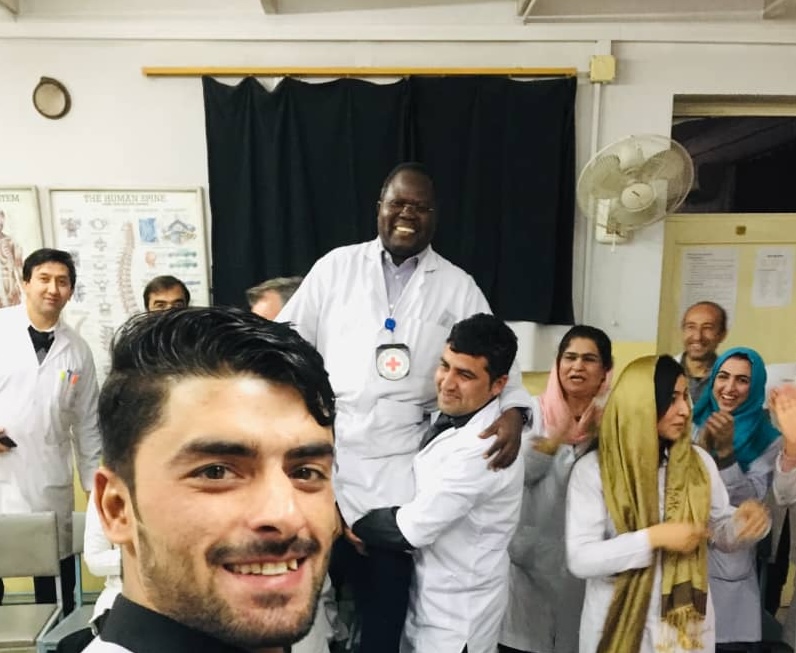
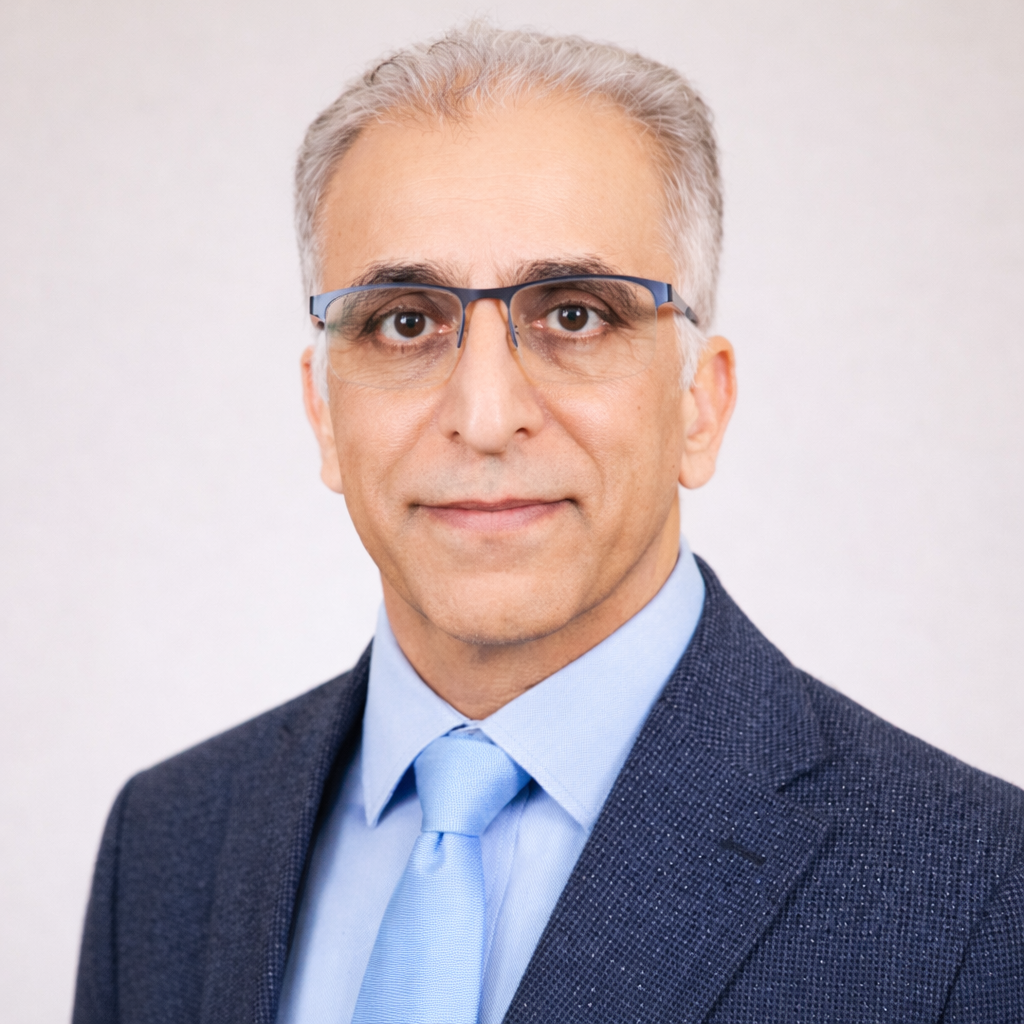
My name is Thomas Iwalla and I live in Lokichoggio, Kenya, near the border of South Sudan. I began my career as an Orthopaedic Technologist at Moi University, Kenya, after graduating from the University of Dar es Salaam. Supported by ISPO and USAID, I later pursued a Bachelor of Science in Prosthetics and Orthotics at Tumaini University, Tanzania, graduating in 2009. In 2010 I pursued a Master of Science in Medical Education at the University of South Wales, United Kingdom. This postgraduate training equipped me to serve as a Physical Rehabilitation Programme Coordinator and educator in Afghanistan, where I spent seven years teaching both diploma and degree-level students in prosthetics and orthotics.
I am currently a PhD student in Health Professions Education at the Massachusetts General Hospital Institute of Health Professions (MGH IHP) in Boston, USA.
What do you claim is your speciality - your O&P passion?
Most of my students were themselves P&O service beneficiaries. Witnessing their transformation, from recipients of care to qualified professionals restoring mobility and dignity to others, solidified my passion for education as a tool for empowerment and social change.
My research interests lie in 3-D musculoskeletal biomechanics, gait analysis, and global P&O workforce development. My capstone scholarly project, a scoping review on the critical shortage of prosthetists and orthotists worldwide, aims to inform evidence-based strategies for addressing workforce disparities, especially in low- and middle-income countries.
What do you like most about practicing O&P?
My clinical experiences continue to shape my philosophy as both practitioner and educator. I value the human connection inherent in prosthetics and orthotics—the opportunity to restore functional mobility, independence, and hope.
What frustrates you about O&P?
I remain deeply concerned that P&O often occupies the margins of mainstream healthcare, constrained by limited regulation, under-recognition, and misconceptions about our role. These challenges underscore the importance of advancing professional standards, regulation, and research to strengthen the field globally.
What is your greatest patient story in O&P?
Among the most inspiring moments in my career has been mentoring Macena Wilfrid, a transfemoral amputee from Haiti who advanced from a welder to a prosthetics and orthotics technician, and later became a fundraiser for Haiti’s amputee football team, Team Zaryen. “Zaryen,” meaning disabled tarantula in Haitian Creole, symbolizes resilience—the determination to thrive despite adversity. Through such experiences, I have learned that rehabilitation is not merely a technical process but a deeply human exchange that restores dignity and purpose.