 By
By
Across the Southern African Development Community (SADC), children with disabilities and their families are undertaking long, difficult journeys across national borders in search of essential healthcare, rehabilitation services, and assistive devices — a phenomenon that sharply highlights gaps between regional policy ambitions and on-the-ground realities.
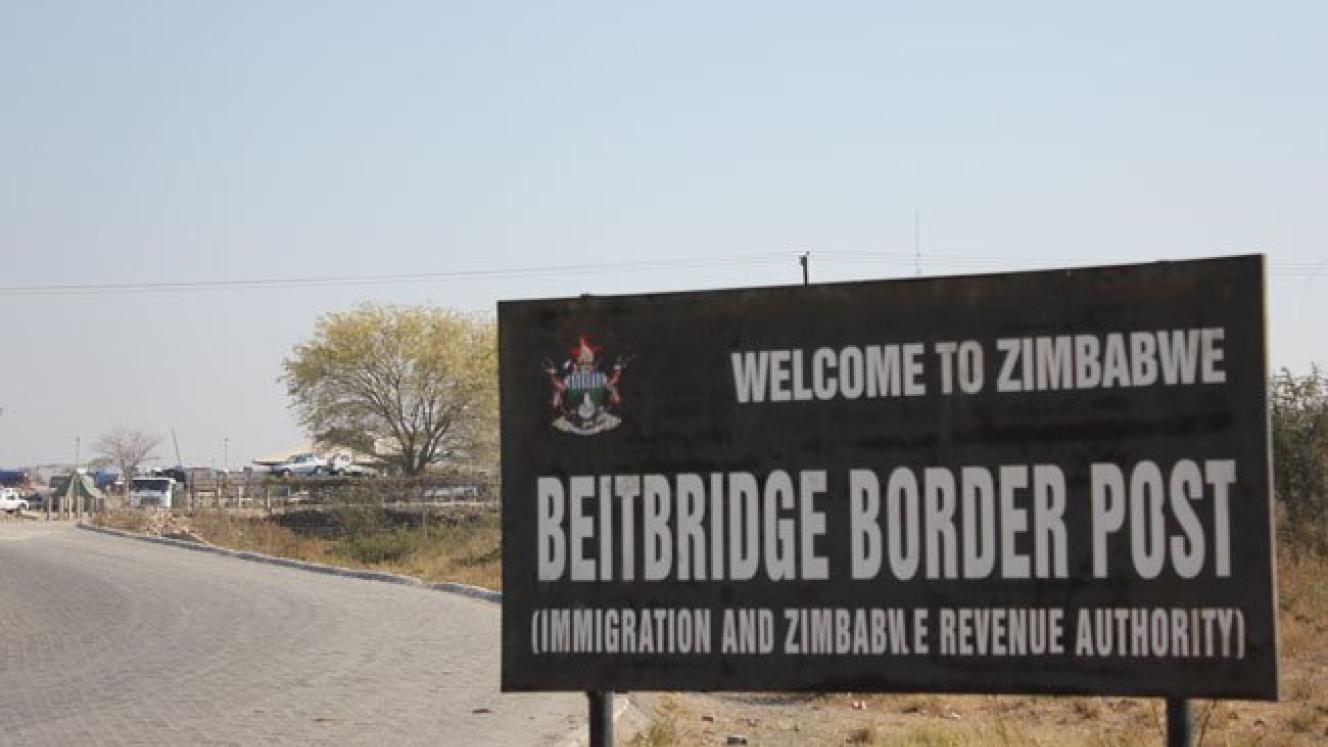
Twelve-year-old Naledi (name changed for privacy) waited at the Beitbridge border post with her left leg twisted and unsupported, having travelled overnight from her home in rural Zimbabwe. After years without access to a properly fitted prosthetic limb or specialist care near home, her mother set out for Polokwane, South Africa, where services exist but are difficult to reach without travel documents, money, and support.
A Regional Promise vs. A Daily Struggle
SADC’s framework — including the Protocol on Health, the African Disability Protocol, and regional visions such as Agenda 2063 and SADC Vision 2050 — affirms commitments to cooperation in health, inclusive development, and the rights of persons with disabilities to access quality care without discrimination.
Yet, despite these policy lenses, practical regional cooperation on disability care remains weak. There are no functioning regional referral pathways for children with disabilities, no cross-border health financing mechanism to support medical travel, and no common procurement system to make essential assistive products like wheelchairs and prostheses more affordable across SADC states.
Real Barriers Families Face
For many families, these journeys are not theoretical — they are costly and risky:
-
Travel costs often exceed a year’s income for rural households, forcing families to sell livestock or borrow heavily just to reach distant clinics.
-
Documentation requirements — such as birth certificates and passports — act as invisible barriers to care, since many children lack these basic records, legally blocking their movement across borders.
-
Informal transport networks such as shared taxis, church vehicles, and truck lifts become the default “referral pathways” for families without formal support systems.
As one regional governance analyst noted, “poverty moves with people, and so does disability” — underscoring how economic hardship and unequal healthcare access reinforce each other.
Unequal Distribution of Specialists
Specialist care is heavily concentrated in a few countries — particularly South Africa — drawing families from Zimbabwe, Mozambique, Zambia, Lesotho, and Eswatini. There is no region-wide system for rotating specialists or sharing surgical and rehabilitative expertise, leaving under-resourced nations to rely on sporadic external support.
Unrealised Potential of Regional Integration
While SADC agreements call for shared resources, harmonised health policy, and inclusive development, the lived reality for children with disabilities tells a different story. Practical systems for cross-border referrals, regional health insurance schemes, joint planning for assistive technology procurement, and shared training programmes do not yet exist.
Analysts argue that creating a regional disability care fund, subsidising procedures and devices, and establishing standardised patient records could dramatically reduce the need for risky and expensive travel — and enable more children to receive care in or near their home countries.
The Path Forward
For children with disabilities in Southern Africa, the right to health, rehabilitation, and inclusion remains more paper promise than lived reality. Addressing this requires:
-
Cross-border health financing mechanisms, so assistance travels beyond borders.
-
Shared procurement and cost-sharing systems for prosthetics and assistive devices.
-
Regional referral pathways and specialist rotations, reducing dependence on long, expensive journeys.
-
Documentation reforms, ensuring children can legally travel for care without being blocked by paperwork.
Every journey a family makes across a SADC border — whether in a truck canopy, church van, or shared taxi — speaks to a deeper truth: health systems must work for all children, in all countries, or regional integration will continue to ring hollow.




.jpeg)

-1.png "Gaza Fund (1)-1")