 By
By
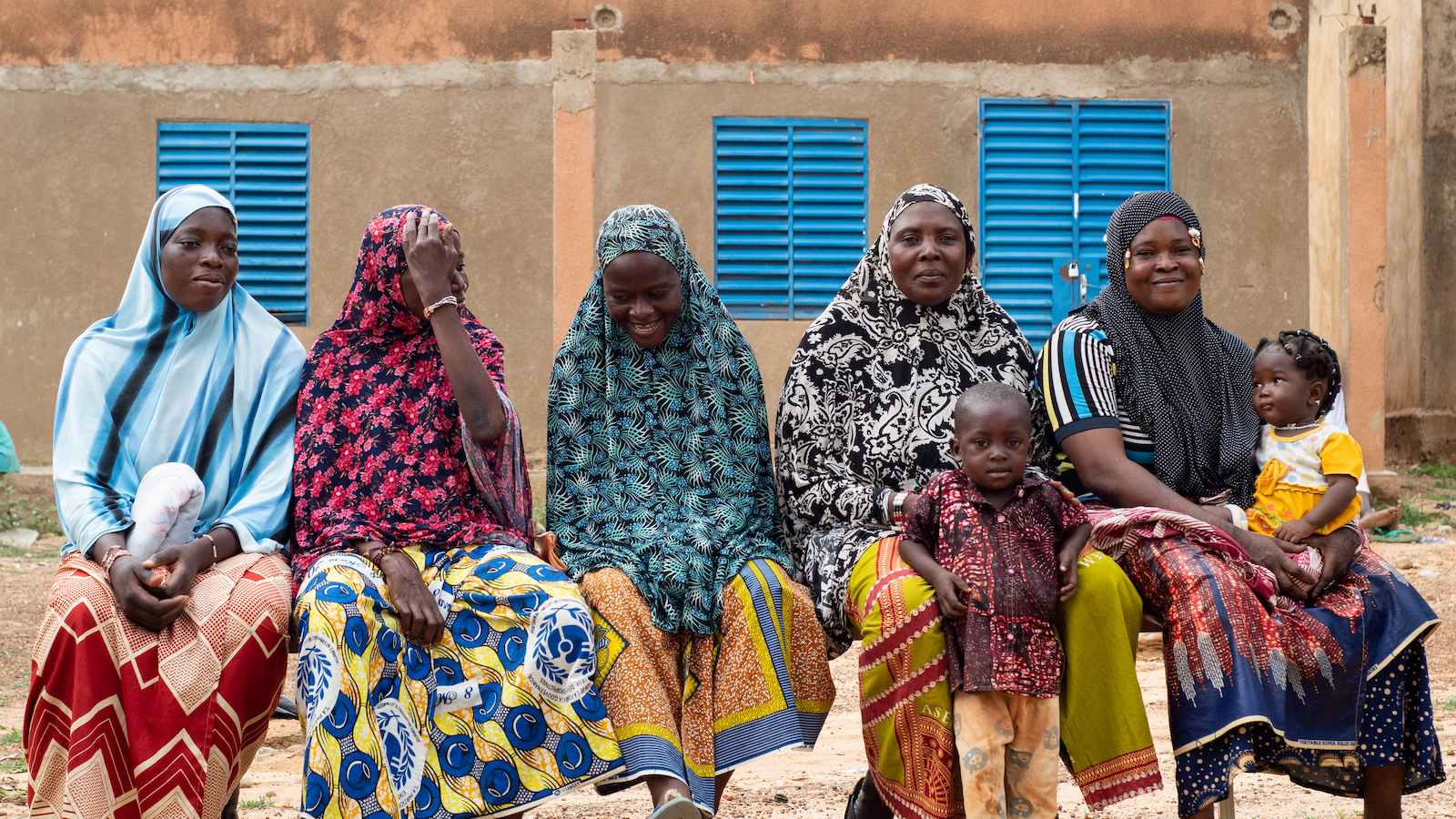
Burkina Faso is a strategically important but highly challenging country for prosthetics, orthotics, rehabilitation and assistive technology development in West Africa. With a population of around 23.5 million in 2024 and GDP of approximately USD 23.25 billion, Burkina Faso combines growing rehabilitation demand with a health system operating under significant security, displacement and resource pressures. (Worldometer, Trading Economics)
For the O&P sector, Burkina Faso’s needs are shaped by road traffic trauma, diabetes, neurological conditions, paediatric disability, congenital conditions, conflict-related injury, occupational trauma and the wider challenge of delivering rehabilitation services beyond major urban centres. The country also has an established national orthopaedic and rehabilitation reference centre in Ouagadougou, alongside efforts to strengthen physical medicine and rehabilitation quality standards.
Healthcare and Rehabilitation Context
Burkina Faso’s health system is working in a difficult national environment. WHO’s 2024–2025 biennial report for Burkina Faso notes that public health progress has taken place in a context marked by security constraints, population displacement and climate-related pressures. The report also highlights efforts to strengthen essential services and noncommunicable disease management, including the rollout of WHO’s PEN package in selected districts. (WHO Africa)
For rehabilitation, these pressures matter. Displacement, insecurity and poverty can make access to prosthetic fitting, orthotic review, physiotherapy, wheelchair provision and follow-up extremely difficult. Patients may require repeated visits for casting, fitting, adjustments and repairs, but travel costs and safety concerns can interrupt continuity of care.
Burkina Faso has nevertheless been working to develop its physical medicine and rehabilitation sector. Since 2014, APEFE, in collaboration with UCLouvain, has supported Burkina Faso’s Ministry of Health in developing physical medicine and rehabilitation services. One area of work has been the development of quality standards for rehabilitation services, including an audit of the quality-management system at the Centre National d’Appareillage Orthopédique du Burkina (CNAOB) in Ouagadougou. (APEFE)
Existing O&P and Rehabilitation Capacity
The Centre National d’Appareillage Orthopédique et de Rééducation Fonctionnelle du Burkina (CNAOB) in Ouagadougou is the country’s key national reference point for orthopaedic appliances and functional rehabilitation. Public directory listings identify CNAOB in Ouagadougou and provide a contact number and postal address, while APEFE references CNAOB as a national centre involved in rehabilitation quality-assurance work. (Kinamap, APEFE)
In 2021, Burkina Faso inaugurated a national reference centre for physical medicine and rehabilitation in Ouagadougou. The facility was reported to have capacity for at least 150 patients per day, was built on a one-hectare site, and was developed through collaboration involving APEFE, Wallonie-Bruxelles International, UCLouvain and Burkina Faso’s Ministry of Health. (Burkina24)
The country also has regional orthopaedic appliance activity. In Tenkodogo, a modern orthopaedic-fitting centre opened in 2013 but was destroyed by fire in 2016. Handicap International reported that the centre had been serving around 200 people per year before the fire, illustrating both the importance and fragility of regional rehabilitation infrastructure. (Humanity & Inclusion)
A new orthopaedic appliance centre was later inaugurated at the Centre Hospitalier Régional de Tenkodogo in 2020, along with a neonatal unit and physiotherapy equipment. The reopening was described as a major step for functional rehabilitation services in the region after the earlier fire. (AIB)
Trauma, Conflict and Road Traffic Injury
Trauma is likely to be one of the most important drivers of prosthetic, orthotic and rehabilitation need in Burkina Faso. This includes road traffic injuries, occupational injuries and conflict-related trauma.
WHO’s Road Safety Burkina Faso 2023 Country Profile provides a country baseline for road safety under the Decade of Action for Road Safety 2021–2030. Road injuries are especially relevant for O&P because they can result in limb loss, fractures, spinal injuries, nerve damage and long-term mobility impairment. (WHO)
For prosthetists and orthotists, trauma-related demand includes:
- Lower-limb prostheses after traumatic amputation
- Orthoses after fractures, nerve injury and limb salvage surgery
- Spinal braces after trauma
- Paediatric trauma rehabilitation
- Wheelchairs, crutches and mobility aids
- Follow-up care, repairs and long-term device replacement
The security context also increases the importance of durable, repairable and locally serviceable devices. In areas where travel is difficult, patients need solutions that can be maintained locally and adjusted by trained technicians close to the community.
Diabetes and Diabetic Foot Risk
Burkina Faso faces a growing diabetes burden. The International Diabetes Federation Diabetes Atlas estimates that 372,300 adults aged 20–79 were living with diabetes in Burkina Faso in 2024, with age-standardised adult prevalence of 4.5%. IDF also estimates that 90.4% of adults with diabetes in the country are undiagnosed. (IDF Diabetes Atlas)
For O&P and rehabilitation providers, this is a major warning sign. Undiagnosed or poorly managed diabetes increases the risk of neuropathy, foot ulceration, infection, Charcot foot, partial-foot amputation and major lower-limb amputation. In many low-resource settings, patients may only present once wounds are advanced or infection has progressed.
A stronger diabetic foot pathway in Burkina Faso should include:
- Foot screening and risk classification
- Patient education in primary care
- Protective footwear
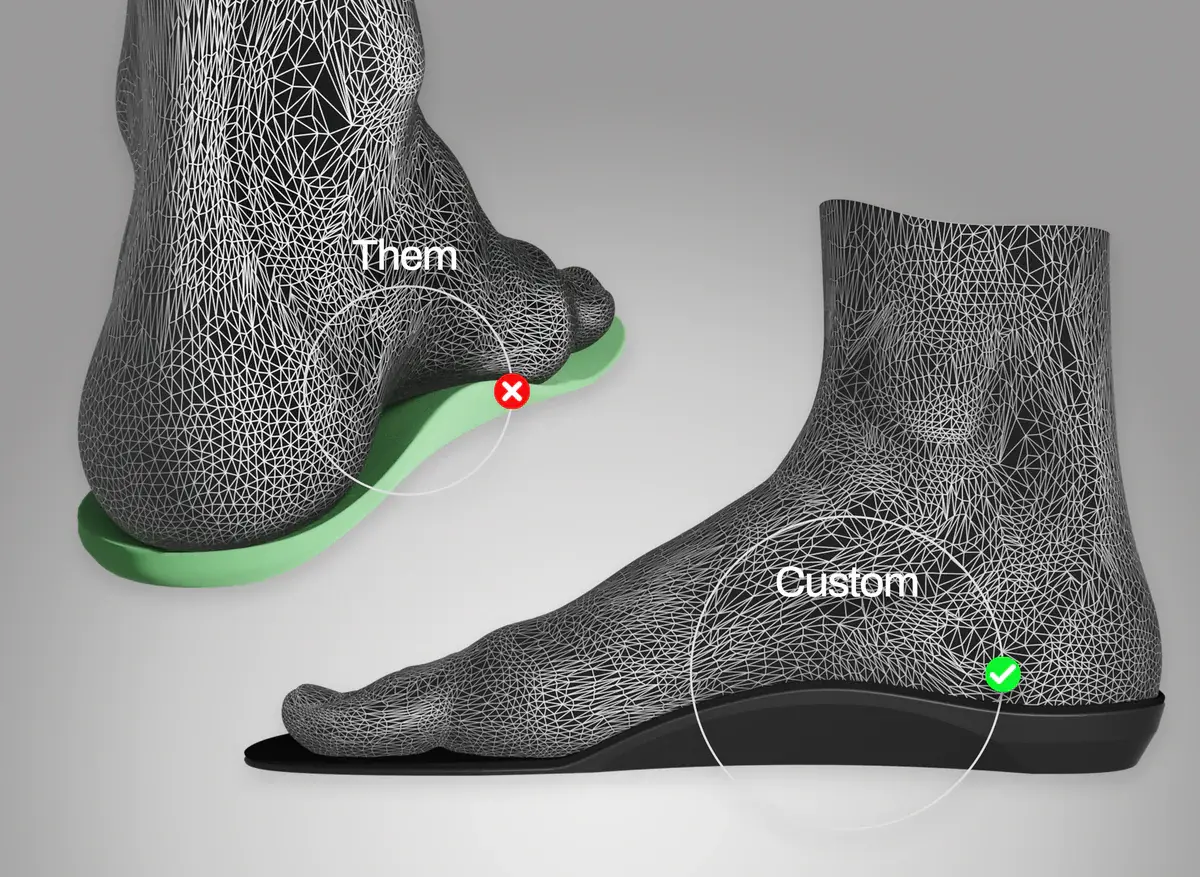
- Custom insoles
- Pressure assessment where available
- Offloading devices
- Charcot management
- Early wound-care referral
- Post-amputation prosthetic rehabilitation
- Long-term review and recurrence prevention
This is an area where orthotists, pedorthic specialists, prosthetists and rehabilitation teams should be integrated earlier into diabetes care, not only after amputation.
Paediatric, Neurological and Orthotic Need
Burkina Faso’s orthotic demand extends beyond amputation. Children with cerebral palsy, clubfoot, congenital limb differences, post-trauma deformities and neurological impairment require long-term orthotic support. Adults with stroke, spinal cord injury, post-polio impairment, musculoskeletal conditions or trauma-related weakness may need AFOs, KAFOs, spinal braces, orthopaedic footwear and mobility aids.
Priority areas include:
- Paediatric AFO and KAFO services
- Clubfoot bracing and follow-up
- Cerebral palsy orthotic management
- Stroke and adult neuro-orthotics
- Spinal bracing for trauma and deformity
- Orthopaedic footwear and shoe modifications
- Wheelchair seating and postural support
Because many orthotic users require repeat visits and adjustments, decentralised rehabilitation and outreach models are especially important.
Assistive Technology and Access
Burkina Faso’s O&P sector should be viewed within the wider assistive technology challenge. WHO’s global prosthetics and orthotics standards emphasise that prostheses and orthoses enable people with physical impairments to participate in education, work and community life, but access remains limited globally because of cost, workforce shortages, weak financing and poor availability. (WHO)
In Burkina Faso, access barriers are likely to include:
- Concentration of services in Ouagadougou
- Limited regional workshop capacity
- Affordability of components and materials
- Insecurity and travel barriers
- Limited follow-up and repair access
- Shortage of trained O&P professionals
- Weak reimbursement or financing for assistive devices
- Limited awareness among patients and referral providers
Improving access will require not only products, but also service models, training, outreach, procurement, repair systems and data collection.
Digital Fabrication Potential
Digital fabrication could support Burkina Faso’s rehabilitation sector if introduced carefully and practically. The country’s rehabilitation development should prioritise technologies that reduce waiting times, improve repeatability and support outreach, rather than high-cost systems without local maintenance pathways.
Potential digital workflow applications include:
- 3D scanning for limbs, feet and trunk capture
- CAD/CAM modification for sockets, insoles and orthoses
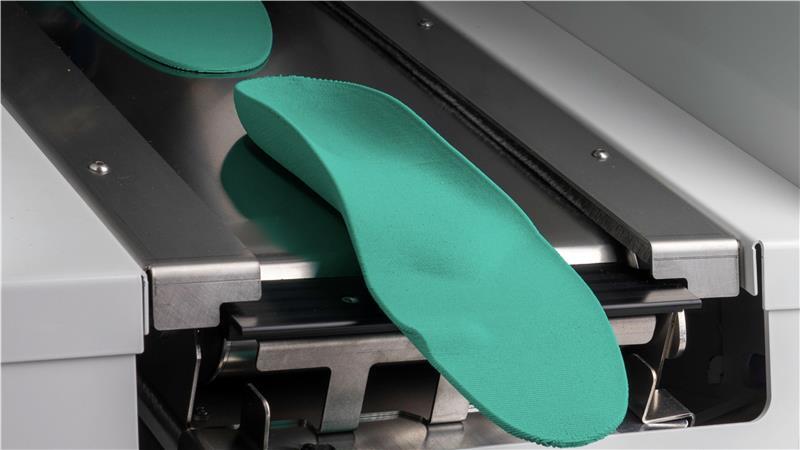
- CNC milling for positive models and insoles
- 3D printing for selected orthoses, sockets, covers, jigs and assistive devices
- Digital patient records for follow-up and repeat fittings
- Remote design support from Ouagadougou to regional services
For Burkina Faso, the most realistic model may be a hub-and-spoke system, with advanced digital design and fabrication capacity in Ouagadougou supporting regional rehabilitation centres such as Tenkodogo and other provincial services. This would allow regional clinicians and technicians to capture data, send files for design or fabrication, and manage fitting and follow-up locally.
Market Opportunity for O&P Suppliers and Partners
Burkina Faso is not a large commercial market, but it is a high-need rehabilitation market with significant scope for impact through appropriate technology, training and service development.
Key opportunity areas include:
- Affordable prosthetic feet, knees, adapters and liners
- Durable orthotic joints and thermoplastic materials
- EVA, foams and materials for insoles and diabetic foot care
- Spinal bracing materials and systems
- Paediatric orthotic components
- Workshop tools and safety equipment
- Wheelchairs, crutches and mobility aids
- 3D scanning and low-cost digital fabrication workflows
- Training and continuing education for clinicians and technicians
- Workshop quality systems and standard operating procedures
- Outreach service models for displaced and rural populations
International partners should approach Burkina Faso as a capacity-building environment. Products must be robust, repairable, affordable and compatible with local clinical and workshop realities.
Workforce and Training Priorities
Workforce development is central to Burkina Faso’s O&P future. The APEFE-supported development of rehabilitation quality standards shows that national stakeholders are already working on service quality and system improvement. (APEFE)
Future priorities include:
- Training more prosthetists, orthotists and technicians
- Continuing education for existing rehabilitation professionals
- Strengthening workshop safety and quality assurance
- Building regional repair and follow-up capacity
- Developing diabetic foot and paediatric orthotic pathways
- Standardising clinical documentation and outcome measurement
- Integrating rehabilitation into trauma, diabetes and primary-care pathways
- Supporting digital skills for scanning, CAD/CAM and 3D printing
Regional training partnerships with francophone institutions such as ENAM Lomé in Togo and international bodies such as ISPO could also help expand capacity.
Strategic Outlook
Burkina Faso’s rehabilitation and O&P sector is shaped by high need and difficult operating conditions. The presence of CNAOB, the inauguration of a national reference centre for physical medicine and rehabilitation, and the rebuilding of regional orthopaedic appliance services in Tenkodogo are important foundations. But the country still faces major barriers in access, affordability, workforce, security, decentralisation and long-term device maintenance.
For IMEA CPO readers, Burkina Faso should be understood as a country where O&P development must be practical, durable and service-led. The priority is not only advanced technology, but reliable access to essential prosthetic, orthotic and rehabilitation care for people affected by trauma, diabetes, paediatric disability and neurological impairment.
Why Burkina Faso Matters for O&P
Burkina Faso matters because it combines:
- A national O&P and rehabilitation reference role through CNAOB
- A national physical medicine and rehabilitation centre in Ouagadougou
- Significant trauma and mobility-related rehabilitation need
- A growing diabetes burden with very high estimated undiagnosed diabetes
- Regional orthopaedic appliance activity, including Tenkodogo
- Need for durable, repairable and affordable assistive technology
- Potential for hub-and-spoke digital fabrication models
- Strong need for workforce development and service-quality standards
For prosthetists, orthotists, technicians, NGOs, suppliers and rehabilitation planners, Burkina Faso represents a high-impact market where the right partnerships can improve mobility, independence and inclusion for people with disabilities.
- Worldometer Burkina Faso Population
- Trading Economics Burkina Faso GDP
- WHO Burkina Faso Country Page
- WHO Africa Burkina Faso 2024–2025 Biennial Report
- APEFE: Development of Quality Standards for Physical Medicine and Rehabilitation in Burkina Faso
- CNAOB Ouagadougou listing
- Burkina24: National Physical Medicine and Rehabilitation Reference Centre Inaugurated
- Humanity & Inclusion: Tenkodogo Orthopaedic Centre Fire
- AIB: Tenkodogo Orthopaedic Appliance Centre Inaugurated
- WHO Road Safety Burkina Faso 2023 Country Profile
- IDF Diabetes Atlas – Burkina Faso
- WHO Standards for Prosthetics and Orthotics
- ISPO – International Society for Prosthetics and Orthotics