 By
By
Togo is one of West Africa’s most strategically important countries for prosthetics, orthotics and rehabilitation, not because of the size of its market alone, but because of its long-standing role in training orthoprosthetists for francophone Africa.
With a population of around 9.5 million, GDP of about USD 10.65 billion in 2024, and annual GDP growth of 6.5%, Togo is a small but economically active West African country with a growing need for rehabilitation, assistive technology and mobility services. (World Bank Togo Data)
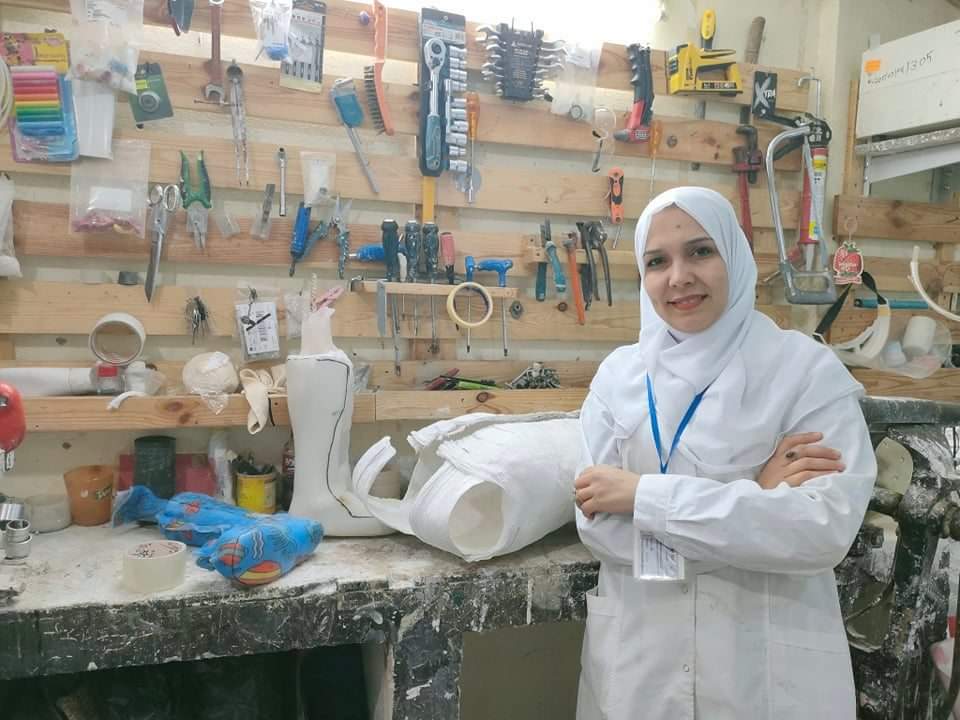
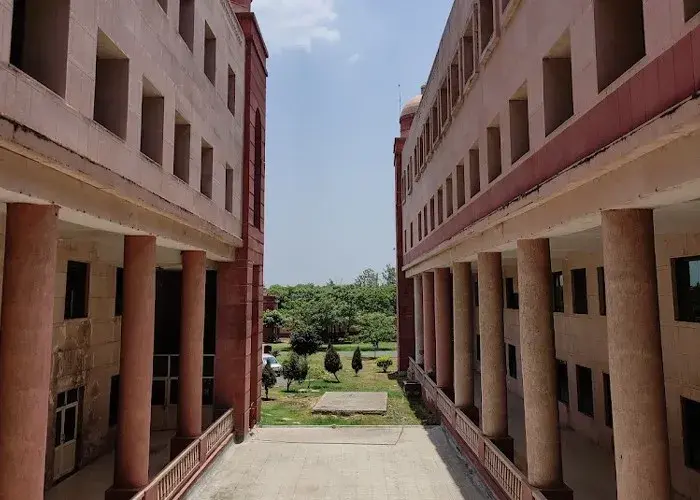
For the O&P sector, Togo is especially relevant because it hosts the Ecole Nationale des Auxiliaires Médicaux de Lomé (ENAM Lomé), whose orthoprosthetics department is described as the only francophone prosthetics and orthotics training hub in Africa. (ENAM Lomé – Département des Orthoprothésistes)
Healthcare and Rehabilitation Context
Togo’s rehabilitation needs are shaped by road traffic trauma, diabetes, stroke, neurological disorders, congenital conditions, occupational injury, paediatric disability and the wider challenge of assistive technology access in lower-resource health systems.
The country’s rehabilitation sector includes both service delivery and training capacity, with Lomé playing an important national and regional role. The Centre National d’Appareillage Orthopédique (CNAO) in Lomé has been identified as Togo’s national prosthetic and orthotic centre and has received long-term support from international rehabilitation partners, including the ICRC’s Special Fund for the Disabled. (ICRC Audiovisual Archives – CNAO Lomé)
A 2025 report on the review of rehabilitation activities in Togo noted that CNAO, under the Ministry of Health and Public Hygiene, organised a review of national rehabilitation activities to assess progress, identify challenges and recommend strategies to improve access and quality of services for people with disabilities. The same report cited 2022 census estimates suggesting that around 10% of Togo’s population lives with a disability, including motor, sensory and intellectual disability. (Santé Éducation Togo)
For prosthetists, orthotists, physiotherapists, rehabilitation physicians and assistive technology partners, this creates a clear priority: strengthening service access beyond central facilities and ensuring that patients can receive assessment, fitting, training, follow-up, repair and replacement close to where they live.
O&P Training and Regional Importance
Togo’s strongest contribution to the O&P sector is its training role. The Department of Orthoses and Prostheses at ENAM Lomé, previously known as the Ecole d’Orthopédie de Lomé, was created in 1974 through German-Togolese cooperation. It trains Togolese students as well as students from sub-Saharan Africa and beyond. (ENAM Lomé – Département des Orthoprothésistes)
The programme is structured as a three-year professional licence in health sciences, rehabilitation sciences and orthoprosthetic care. ENAM states that the department is accredited by CAMES and the International Society for Prosthetics and Orthotics (ISPO). (ENAM Lomé – Département des Orthoprothésistes)
This makes Togo a regional education asset. In many African countries, one of the biggest barriers to O&P access is not only lack of components or equipment, but lack of trained professionals. ENAM’s role in training orthoprosthetists across francophone Africa means that strengthening the school, its laboratories, research capacity and clinical partnerships could have impact beyond Togo itself.
An ISPO-listed impact assessment on prosthetics and orthotics in West Africa reported that ENAM had graduated more than 234 professionals since 1977, helping improve service availability and quality in countries such as Togo and Benin. The same resource emphasised the need for continued education and coordinated national strategies to strengthen P&O services. (ISPO – Prosthetics and Orthotics Impact Assessment: West Africa, Togo and Benin)
Existing O&P and Rehabilitation Capacity
The CNAO remains central to Togo’s prosthetic, orthotic and rehabilitation service landscape. The ICRC archive notes that CNAO was supported by the ICRC Special Fund for the Disabled through prostheses, orthotic devices, training and technical seminars. The same archive description states that this support enabled 1,325 people to receive artificial limbs and 4,287 people to receive orthotic devices through CNAO and Togo’s national school for medical auxiliaries. (ICRC Audiovisual Archives – CNAO Lomé)
CNAO has also been a platform for wheelchair provision and training. A 2017 wheelchair initiative in Togo reported that specialist wheelchair training was provided at CNAO in Lomé, with clinicians and technicians from CNAO, ENAM and disability organisations participating. The initiative said 1,400 wheelchairs had been donated in Togo since 2013, with training aligned to World Health Organization wheelchair guidelines. (Church News Africa – Wheelchair Initiative in Togo)
This combination of prosthetics, orthotics, wheelchair services and training makes Lomé an important rehabilitation node. However, the country’s challenge is likely to be access outside the capital and larger towns, where patients may face travel costs, limited awareness, affordability barriers and difficulty obtaining follow-up repairs.
Continuing Education and Regional Networks
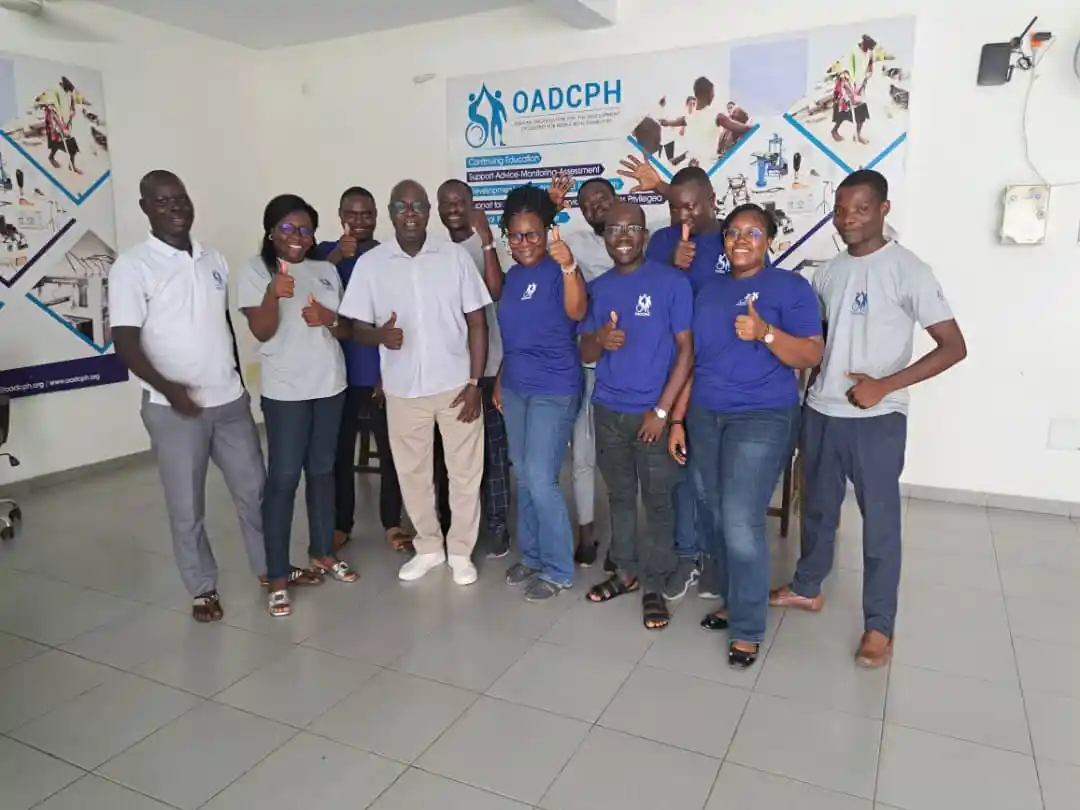
Togo is also home to the Organisation Africaine pour le Développement des Centres pour Personnes Handicapées (OADCPH), a rehabilitation network based in Lomé. OADCPH says it brings together rehabilitation stakeholders and has organised continuing education since 2013 for professionals, service managers and administrative staff. Its training catalogue includes modules for prosthetics and orthotics professionals, physiotherapists, occupational therapists, centre managers and support staff. (OADCPH Continuing Education)
OADCPH reports that more than 25 training sessions have been organised, reaching around 400 professionals, managers and administrative staff from 24 African countries. These courses are implemented in partnership with ENAM Lomé, which provides classrooms and laboratories. (OADCPH Continuing Education)
For the IMEA CPO audience, this is significant. Togo is not only a national rehabilitation market. It is part of a wider francophone African O&P training ecosystem that could support regional workforce development, standardisation and technology transfer.
Trauma and Road Traffic Injury
Road traffic injury is an important driver of O&P and rehabilitation demand in Togo, as it is across West Africa. WHO’s Road Safety Togo 2023 Country Profile is part of the Global Status Report on Road Safety country-profile series and provides a baseline for the Decade of Action for Road Safety 2021–2030. (WHO – Road Safety Togo 2023 Country Profile)
For O&P services, road injury can create demand for:
- Lower-limb prostheses after traumatic amputation
- Orthoses after fractures, nerve injuries and limb salvage surgery
- Spinal bracing after trauma
- Paediatric trauma rehabilitation
- Gait training and long-term mobility support
- Wheelchairs, crutches and walking aids
- Repair and replacement services for long-term users
The key system challenge is connecting emergency and orthopaedic trauma services with rehabilitation early, so that patients are not discharged without a clear pathway to prosthetic, orthotic or mobility support.
Diabetes and Diabetic Foot Risk
Togo’s diabetes burden is growing. The International Diabetes Federation estimates that Togo had 177,500 adults living with diabetes in 2024, with an age-standardised prevalence of 4.8% among adults aged 20–79. IDF also estimates that 80.1% of adults with diabetes in Togo are undiagnosed. (IDF Diabetes Atlas – Togo)
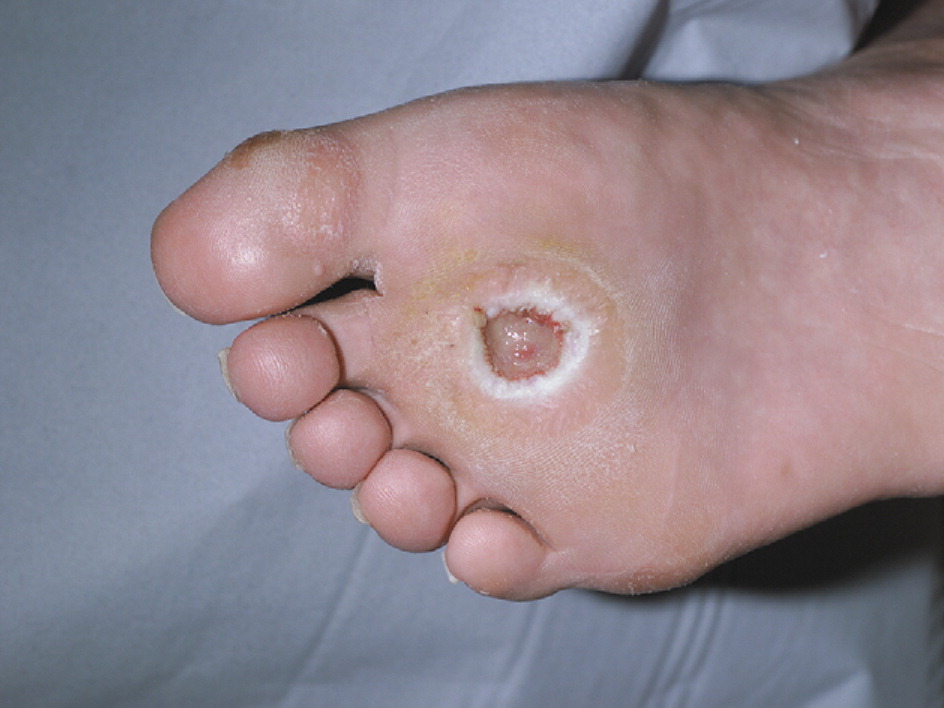
This is highly relevant for prosthetists, orthotists, podiatrists and rehabilitation providers. Undiagnosed or poorly controlled diabetes increases the risk of peripheral neuropathy, foot ulceration, infection, Charcot foot, partial-foot amputation and major lower-limb amputation.
For Togo, diabetic foot care should become a more visible part of rehabilitation and O&P development. Priorities include:
- Foot screening and risk classification
- Protective footwear
- Pressure assessment
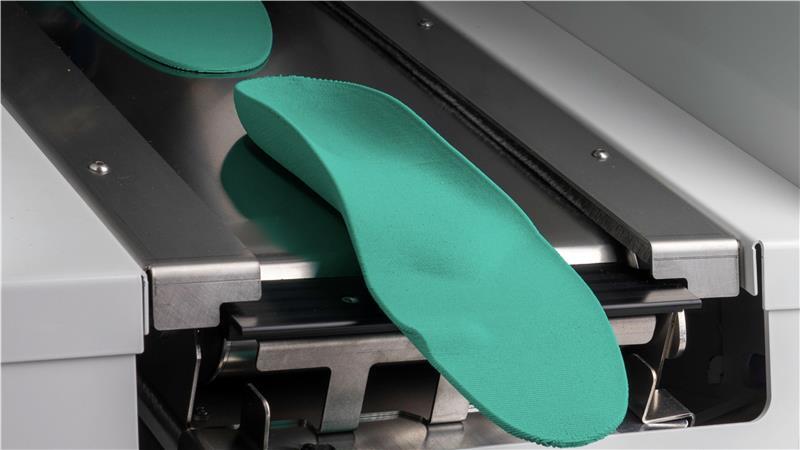
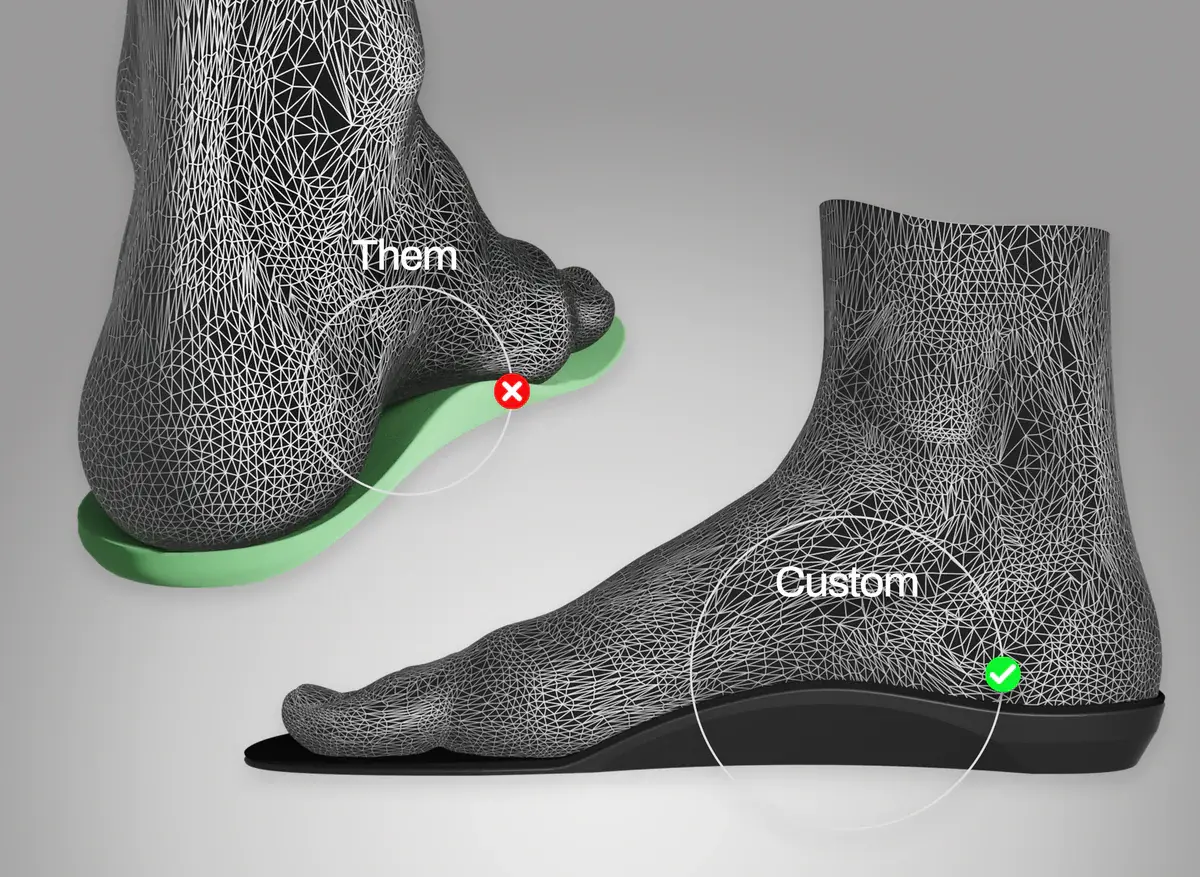
- Custom insoles
- Offloading devices
- Charcot management
- Early referral for wound and vascular care
- Post-amputation prosthetic rehabilitation
- Patient education and long-term follow-up
The high estimated level of undiagnosed diabetes suggests that many patients may only enter care once complications are already advanced. This makes prevention, screening and primary-care integration essential.
Paediatric, Neurological and Orthotic Need
Togo’s orthotic needs extend beyond amputation and trauma. Cerebral palsy, clubfoot, stroke, spinal deformity, post-polio conditions, musculoskeletal disorders and neurological disability all create demand for orthoses and mobility aids.
Priority orthotic pathways include:
- AFOs and KAFOs for children and adults with neurological impairment
- Clubfoot bracing and long-term follow-up
- Spinal orthoses for scoliosis, trauma and postural support
- Orthopaedic footwear and shoe modifications
- Upper-limb orthoses for neurological and trauma cases
- Seating and wheelchair support for children with complex disability
Because ENAM and OADCPH are active in training, Togo has a platform to improve both clinical practice and continuing education in these areas. However, the challenge remains turning training capacity into accessible, affordable services across the country.
Digital Fabrication Potential
Togo has already been connected to digital rehabilitation initiatives. OADCPH reported a project to establish a 3D manufacturing laboratory to produce and supply “3D orthotics” to rehabilitation centres in Togo, Mali and Niger. The project involved training orthoprosthetists and physiotherapists in 3D printing and tele-rehabilitation, with centres in Lomé and Dapaong included in the intervention area. (OADCPH 2021 Project Summary)
This gives Togo a particularly interesting profile for digital O&P development. Unlike markets starting from zero, Togo already has a training institution, a national orthopaedic equipment centre, a regional rehabilitation network and prior exposure to 3D orthotic concepts.
Practical digital workflow opportunities include:
- 3D scanning for feet, limbs and trunk capture
- CAD/CAM design for insoles, AFOs, sockets and spinal braces
- 3D printing for selected orthoses, sockets, covers, jigs and assistive devices
- Tele-rehabilitation and remote design support for regional centres
- Digital records for repeat fittings and paediatric growth management
- Central fabrication in Lomé serving decentralised clinics
The key is to avoid technology-led projects that do not survive beyond pilot funding. Digital fabrication in Togo should be linked to local training, supply chains, maintenance, quality control, patient follow-up and realistic reimbursement or donor models.
Market Opportunity for O&P Suppliers and Partners
Togo’s O&P market is modest in size but strategically important because of its regional training role and francophone networks. A market research summary suggests that Togo relies on prosthetics and orthotics imports from countries including France, India, the UAE, Germany and Switzerland. (6Wresearch – Togo Prosthetics & Orthotics Market)
For suppliers, NGOs, education partners and rehabilitation investors, opportunity areas include:
- Affordable prosthetic components
- Orthotic materials and fabrication supplies
- Paediatric orthotic systems
- Diabetic foot screening, insoles and footwear
- Wheelchairs and mobility aids
- Workshop tools, safety systems and maintenance support
- 3D scanning and digital design workflows
- 3D printing for selected orthotic applications
- Training programmes through ENAM and OADCPH
- Outreach support for underserved regions outside Lomé
- Quality systems, SOPs and outcome-measurement tools
For international partners, Togo should be approached as a capacity-building market. Supplying products without training, maintenance and follow-up support is unlikely to create sustainable impact.
Workforce and Training Priorities
Togo’s O&P workforce advantage lies in ENAM, but the wider sector still needs investment in continuing education, research capacity, biomechanics, clinical outcome measurement and digital practice.
A research summary on O&P education in Togo reported challenges including limited continuing education, lack of research facilities and lack of biomechanics devices in the training programme. Respondents wanted improvements and standardisation in the field. (ResearchGate – Current Position and Challenges in Prosthetic and Orthotic Education in Togo)
Future priorities include:
- Strengthening ENAM’s laboratory and clinical teaching infrastructure
- Expanding continuing education for graduates across francophone Africa
- Developing research and outcome-measurement capacity
- Improving biomechanics and gait assessment resources
- Supporting digital fabrication training
- Building national referral pathways for O&P and rehabilitation
- Standardising clinical documentation and quality assurance
- Improving access to services outside Lomé
Strategic Outlook
Togo’s importance in the prosthetics and orthotics sector is larger than its population size suggests. The country hosts a rare francophone African O&P training base, a national orthopaedic equipment centre, a regional continuing education network and emerging digital rehabilitation experience.
The main challenges are affordability, access outside the capital, workforce retention, equipment maintenance, research capacity, service financing and integration of rehabilitation into the wider health system.
For IMEA CPO readers, Togo should be viewed as a strategic regional hub for francophone O&P development. With the right partnerships, Togo could support not only national service improvement, but also wider West and Central African workforce development.
Why Togo Matters for O&P
Togo matters because it combines:
- A recognised francophone O&P training institution at ENAM Lomé
- A national prosthetic and orthotic centre through CNAO
- A regional continuing education network through OADCPH
- Growing demand from trauma, diabetes, paediatrics and neurological conditions
- Experience with wheelchair training and assistive technology programmes
- Emerging digital fabrication and tele-rehabilitation potential
- A strategic position for francophone West and Central African capacity building
For prosthetists, orthotists, technicians, suppliers, NGOs and educators, Togo is not only a service market. It is a training and partnership platform that can influence rehabilitation access across a wider region.
- World Bank Togo Data
- WHO Togo Country Page
- ENAM Lomé – Département des Orthoprothésistes
- ICRC Audiovisual Archives – CNAO Lomé
- Santé Éducation Togo – CNAO Review of Rehabilitation Activities
- OADCPH Continuing Education
- OADCPH 3D Orthotics and Tele-Rehabilitation Project
- ISPO – Prosthetics and Orthotics Impact Assessment: West Africa, Togo and Benin
- IDF Diabetes Atlas – Togo
- WHO Road Safety Togo 2023 Country Profile
- WHO Standards for Prosthetics and Orthotics
- ISPO – International Society for Prosthetics and Orthotics