 By
By
Ghana is one of West Africa’s most important countries for prosthetics, orthotics, rehabilitation and assistive technology development. With a population of around 34 million, GDP of about USD 82.3 billion in 2024, and annual GDP growth of 5.6%, Ghana combines a relatively stable healthcare environment with significant unmet need for mobility, rehabilitation and O&P services.
For the O&P sector, Ghana is particularly relevant because it has one of the best-known prosthetics and orthotics training institutions in the region, an established rehabilitation tradition, growing private orthopaedic care, and strong demand created by road trauma, diabetes, congenital conditions, stroke, paediatric disability and musculoskeletal disease.
Healthcare and Rehabilitation Context
Ghana’s healthcare system has made important progress in expanding access through public services, private providers and the National Health Insurance Scheme. However, like many countries in the region, rehabilitation and assistive technology still compete for attention within a health system historically focused more heavily on preventive and curative care.
Ghana’s National Health Policy recognises this gap directly. The policy states that existing technology, infrastructure and equipment have often focused on preventive and curative care, with limited emphasis on rehabilitative and palliative care services. It also commits government to promoting the availability and use of high-quality assistive devices and technologies, including prostheses and orthoses, at affordable cost.
For prosthetists, orthotists, rehabilitation physicians, physiotherapists and assistive technology providers, this is an important policy signal. It means Ghana’s rehabilitation sector is not only a clinical need area, but also an area increasingly recognised in national health planning.
Existing O&P and Rehabilitation Capacity
Ghana has a long-standing O&P reference point in the Orthopedic Training Centre (OTC) in Nsawam, near Accra. The OTC was started in 1961 by the Divine Word Missionaries and exists to support the rehabilitation of people with physical disabilities in Ghana and West Africa. It includes an orthopaedic clinic and workshop, a children’s department, a prosthetics and orthotics training college, and a mobile orthopaedic unit.
The OTC reports that it helps more than 6,000 people per year, mainly children, either at the centre or through its mobile orthopaedic unit. Its services include limb fitting, orthopaedic appliances, children’s rehabilitation and outreach for people unable to travel to the centre.
The centre’s own service description says its orthopaedic clinic and workshop manufactures and fits orthopaedic shoes, shoe prostheses, leg braces, artificial legs and arms, splints and related devices. It also states that its mobile orthopaedic unit extends services to 43 contact stations across Ghana, including hospitals, clinics, rehabilitation centres and mission stations.
This outreach model is highly relevant for other IMEA markets. It shows how O&P care can be decentralised when patients cannot easily access major urban facilities. For Ghana, mobile and satellite services remain essential because many patients outside Accra and Nsawam face travel, cost and follow-up barriers.
O&P Workforce and Training
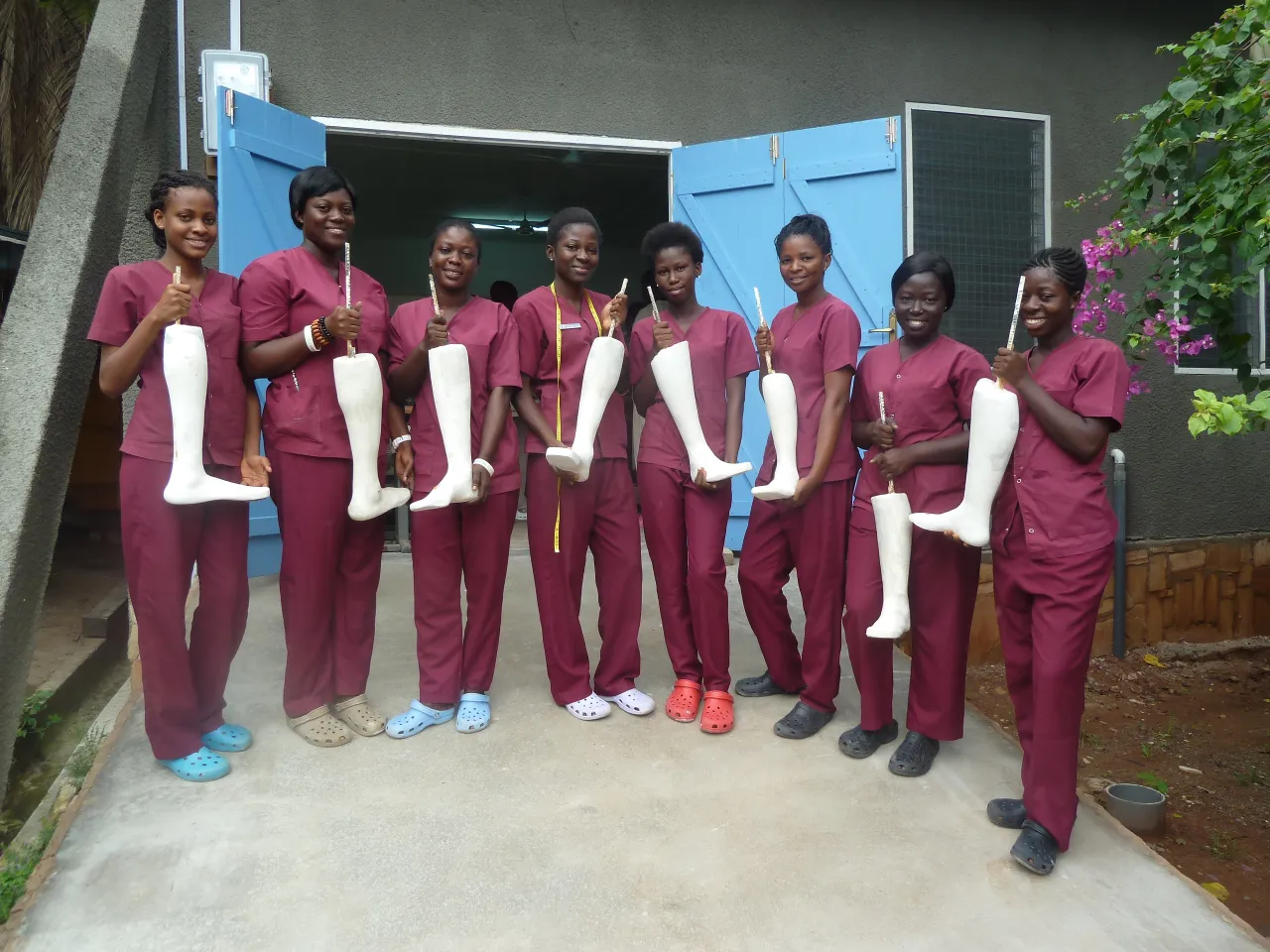
Ghana’s strongest regional asset may be its training capacity. The Br. Tarcisius Prosthetics and Orthotics Training College (BTPOTC) in Nsawam describes itself as Ghana’s premier prosthetics and orthotics training college. It is a health training institution under the Ministry of Health Training Unit and was established in 2012.
BTPOTC focuses on practical and theoretical prosthetics and orthotics education, and reports collaboration with Kwame Nkrumah University of Science and Technology (KNUST) to support teaching, learning, research and development.
For the wider West African region, this matters. English-speaking West Africa has a significant need for trained prosthetists, orthotists and technicians. A Ghana-based training pathway can help build local and regional capacity, reduce dependence on overseas training, and support the growth of national O&P services.
However, workforce and service-quality challenges remain. A 2025 field-observation report on Ghanaian P&O clinics described problems including equipment downtime, absence of documented standard operating procedures, lack of CAD/CAM use, limited standardisation in clinical assessment and fabrication, and maintenance challenges.
For policymakers and partners, the implication is clear: training more professionals is necessary, but not sufficient. Ghana also needs stronger workshop infrastructure, maintenance systems, SOPs, infection-control protocols, outcome documentation and digital workflow readiness.
Trauma and Road Traffic Injury
Road traffic injury is a major driver of prosthetic, orthotic and rehabilitation need across West Africa, and Ghana is no exception. WHO’s global road safety work shows that road traffic injuries remain a leading cause of death among children and young people aged 5–29 years, with low- and middle-income countries carrying a disproportionate burden.
For Ghana’s O&P sector, road trauma creates demand for:
- Prosthetic limbs after traumatic amputation
- Orthoses after fractures and nerve injuries
- Spinal bracing after trauma
- Rehabilitation after limb salvage surgery
- Paediatric trauma rehabilitation
- Long-term gait training and return-to-work support
Trauma also places pressure on supply chains. Patients often need devices quickly, but prosthetic and orthotic care requires assessment, fabrication, fitting, gait training, review and repair. Stronger referral links between trauma hospitals, orthopaedic surgery, rehabilitation and O&P workshops are therefore essential.
Diabetes and Diabetic Foot Risk
Ghana’s diabetic foot burden is likely to become increasingly important for O&P and rehabilitation providers. The International Diabetes Federation reports that Ghana had an adult diabetes prevalence of 2.7% in 2024, representing approximately 317,400 adults living with diabetes. It also estimates that around 78.7% of adults with diabetes in Ghana are undiagnosed.
For O&P services, this creates a clear prevention and limb-salvage priority. Undiagnosed or poorly managed diabetes increases the risk of neuropathy, foot ulceration, infection, Charcot foot, partial-foot amputation and major lower-limb amputation.
Ghana’s diabetic foot pathway should therefore include:
- Foot screening and risk stratification
- Patient education
- Protective footwear
- Pressure assessment
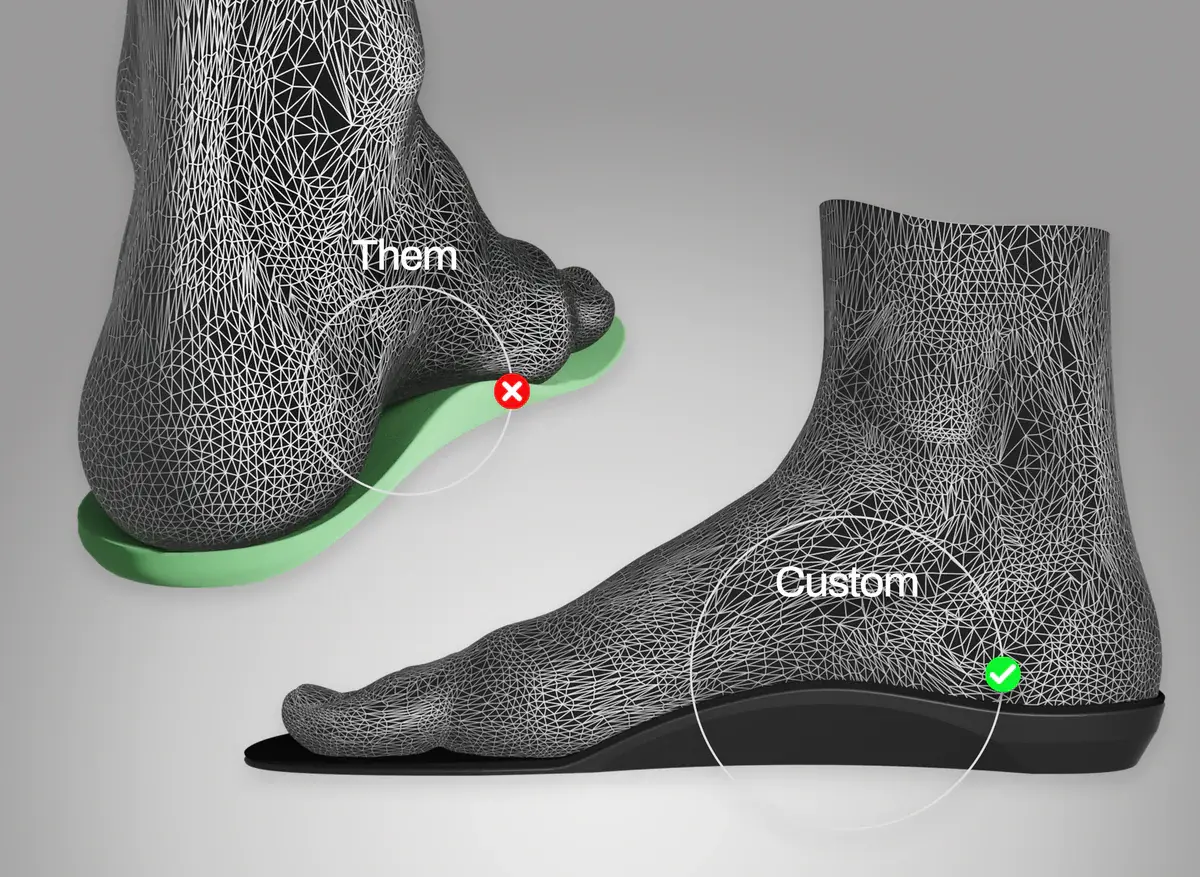
- Custom insoles
- Offloading devices
- Charcot restraint orthotic walkers
- Post-amputation prosthetic rehabilitation
- Long-term review and recurrence prevention
This is an area where orthotists, podiatrists, pedorthic specialists and prosthetists should be involved earlier, not only after amputation has already occurred.
Orthopaedics, Spine and Private-Sector Capacity
Ghana also has growing private-sector orthopaedic and spine capacity. FOCOS Orthopaedic Hospital in Accra describes itself as a leading orthopaedic and spine-care hospital, providing surgical and non-surgical care for complex spine deformities, paediatric orthopaedic problems and musculoskeletal conditions.
This matters for O&P because advanced orthopaedic and spine services create downstream need for spinal orthoses, paediatric bracing, post-operative support, rehabilitation, gait training and long-term assistive technology. Stronger links between surgical centres and O&P providers can help improve outcomes after complex orthopaedic care.
Paediatric and Neuro-Orthotic Need
Ghana’s O&P sector is not only about amputee care. Paediatric orthotics, cerebral palsy, clubfoot, stroke, spinal deformity, post-trauma weakness and neurological disability all create demand for orthotic services.
The OTC’s children’s department and mobile outreach model are particularly relevant because many children require long-term orthotic follow-up rather than a single device. Paediatric users may need serial AFOs, KAFOs, spinal braces, orthopaedic shoes, postural support, mobility aids and regular adjustments as they grow.
Future development opportunities include:
- Paediatric AFO and KAFO pathways
- Clubfoot bracing follow-up
- Cerebral palsy orthotic management
- Stroke and adult neuro-orthotics
- Scoliosis and spinal-bracing services
- Lightweight thermoplastic and carbon-composite orthoses
- Digital scanning for paediatric and remote follow-up
Assistive Technology and Access
WHO’s global assistive technology work highlights a major global access gap, with many people who need assistive products unable to obtain them because of affordability, availability, workforce shortages and lack of awareness. Ghana’s national health policy commitment to affordable prostheses and orthoses is therefore important, but implementation will require financing, procurement, trained personnel and service delivery models.
For Ghana, assistive technology access should be viewed as part of the broader rehabilitation pathway. A prosthesis or orthosis is only effective when the patient also receives assessment, fitting, training, follow-up, repair and replacement.
Digital Fabrication Potential
Ghana has strong potential for digital O&P development, especially because it already has training infrastructure and recognised service centres. However, digital workflows should be introduced in a phased and practical way.
Priority digital applications could include:
- 3D scanning for feet, limbs and trunk capture
- Digital modification for prosthetic sockets and orthoses
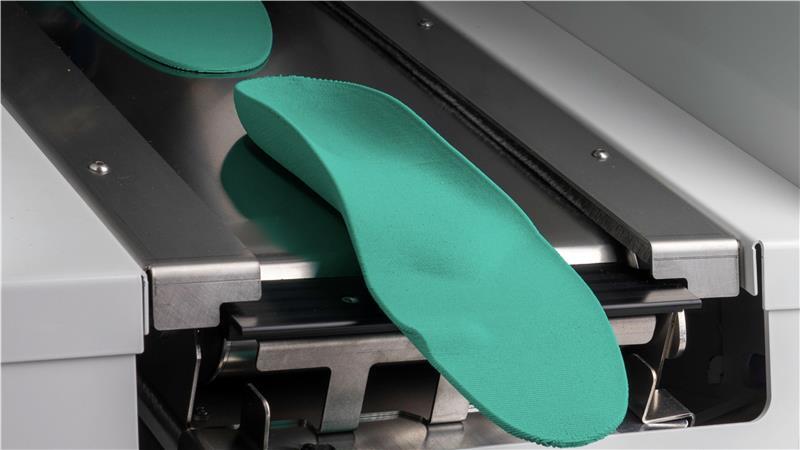
- CAD/CAM insoles for diabetic foot and sports applications
- CNC milling for positive models and insoles
- 3D printing for sockets, AFOs, covers, paediatric devices and assistive products
- Digital records for repeat fittings and outreach follow-up
- Remote design support for regional clinics
The 2025 field report noting lack of CAD/CAM use in observed Ghanaian P&O clinics suggests that digital transformation remains at an early stage.
This creates an opportunity, but also a warning: digital tools will only succeed if paired with maintenance, training, SOPs, material supply, quality control and realistic service models.
Market Opportunity for O&P Suppliers and Partners
Ghana is a promising market for O&P suppliers, educators, NGOs and rehabilitation partners because it combines clinical need, training capacity, public-policy recognition and regional influence.
Key opportunity areas include:
- Affordable prosthetic components
- Paediatric orthotic systems
- Diabetic foot screening, insoles and footwear
- Workshop machinery and safe fabrication tools
- Thermoplastics, EVA, foams and lamination materials
- Orthopaedic footwear and shoe modifications
- Spinal bracing and trauma orthoses
- Digital scanning and CAD/CAM workflows
- Training programmes for clinicians and technicians
- Outreach models for rural and underserved populations
- Maintenance systems and workshop SOPs
For international partners, Ghana should not be treated only as a product market. It should be approached as a capacity-building market where supply, training, service design and long-term support are all connected.
Strategic Outlook
Ghana has several advantages that make it important for O&P development in West Africa: an established O&P training college, recognised rehabilitation centres, mobile outreach experience, growing private orthopaedic capacity and explicit national policy recognition of prostheses and orthoses as important assistive technologies.
The main challenges are service access outside major centres, affordability, equipment maintenance, standardisation, digital readiness, follow-up systems and sustainable financing.
For IMEA CPO readers, Ghana should be seen as a country where O&P development can move beyond basic device provision toward stronger service systems, better training, digital workflow pilots, diabetic-foot prevention and regional leadership in English-speaking West Africa.
Why Ghana Matters for O&P
Ghana matters because it combines:
- A recognised O&P training base in Nsawam
- Established prosthetic and orthotic services through OTC
- Mobile outreach experience across Ghana
- National policy recognition of prostheses and orthoses
- Growing diabetes and diabetic foot risk
- Significant trauma and orthopaedic rehabilitation demand
- Private-sector orthopaedic and spine capacity
- Potential to become a stronger West African O&P and assistive technology hub
For prosthetists, orthotists, technicians, suppliers, NGOs and educators, Ghana represents a market where clinical need and system-building opportunity are closely linked.
- World Bank Ghana Data
- Ghana Ministry of Health National Health Policy PDF
- Orthopedic Training Centre Ghana
- What OTC Does
- Br. Tarcisius Prosthetics and Orthotics Training College
- FOCOS Orthopaedic Hospital
- International Diabetes Federation Ghana
- IDF Diabetes Atlas Ghana
- WHO Assistive Technology
- WHO Standards for Prosthetics and Orthotics
- ISPO – International Society for Prosthetics and Orthotics