 By
By
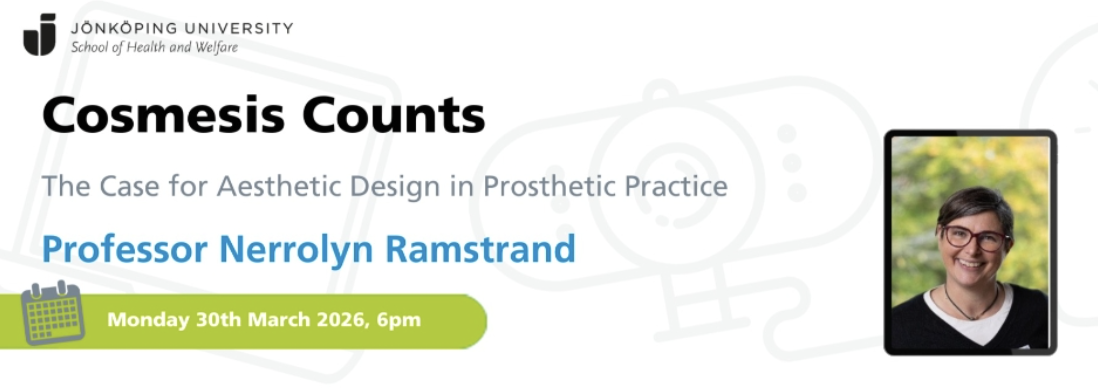
On Monday, 30 March at 9:00 pm GMT, an upcoming TeaTime Talk titled “Cosmesis Counts: The Case for Aesthetic Design in Prosthetic Practice” will examine a dimension of prosthetic care that is often underestimated in clinical discussions — aesthetics.
While biomechanics, alignment and suspension systems dominate technical conversations, growing research shows that satisfaction with the aesthetic appearance of a prosthetic limb is strongly linked to psychosocial adjustment after amputation. This forthcoming session invites prosthetists and orthotists to reconsider the role of design not merely as cosmetic finishing, but as a critical component of holistic rehabilitation.
Beyond Function: The Emotional Dimension of Prosthetics
For decades, prosthetic design prioritised mechanical performance and structural integrity. However, as prosthetic technology advances and patients become increasingly engaged in personal identity expression, expectations have evolved.
Aesthetic considerations influence:
- Self-confidence
- Social participation
- Body image acceptance
- Emotional adaptation post-amputation
- Long-term prosthesis use
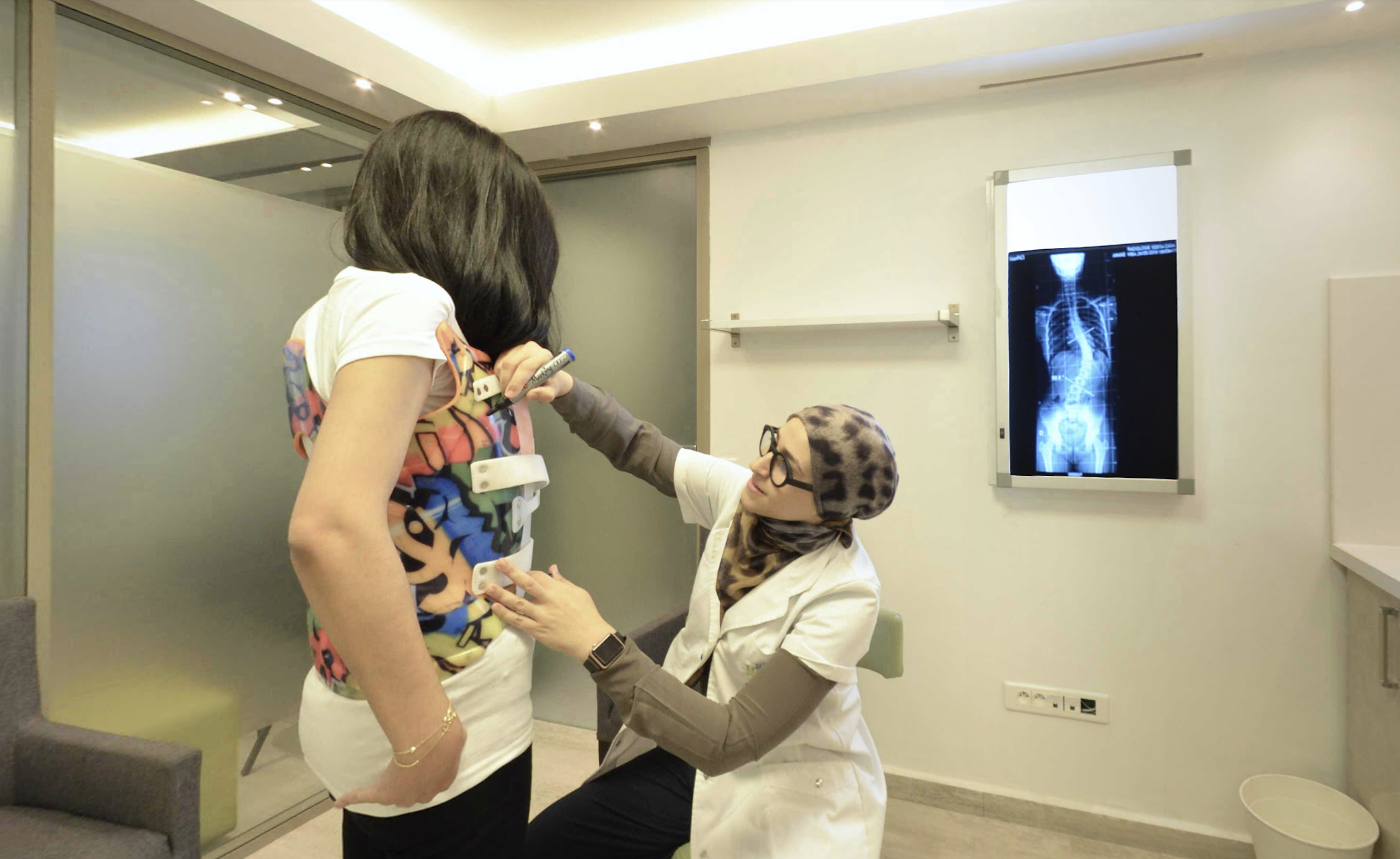
The webinar will explore aesthetic design alternatives for both upper and lower limb prostheses, drawing on principles from product development to understand how specific design elements can elicit different emotional responses.
This approach shifts the discussion from “cover or no cover” to a deeper question:
How do design properties shape user experience?
Applying Product Development Principles to Prosthetic Design
The session will examine how elements such as:
- Surface texture
- Colour selection
- Form and silhouette
- Transparency or exposure of mechanical components
- Custom graphics or artistic finishes
can influence emotional perception and identity alignment.
In many cases, patients today may choose between hyper-realistic cosmesis, stylised athletic aesthetics, or openly technological expressions. Each communicates something different — and each can either support or hinder psychosocial adjustment depending on individual preference.
Understanding these responses requires clinicians to expand beyond functional assessment toward shared decision-making that incorporates lifestyle, personality and cultural context.
Evidence on Psychosocial Impact
The webinar will also reflect on recent research examining the psychosocial impact of lower limb prosthetic design. Studies increasingly suggest that prosthetic aesthetics can influence:
- Social comfort in public environments
- Willingness to engage in work and recreation
- Perceived stigma
- Emotional well-being
In the IMEA region, where cultural perceptions of disability vary widely, aesthetic design may carry additional social meaning. In some contexts, concealment may be preferred; in others, visible high-performance design may be empowering. Recognising this diversity is essential for modern practice.
Reflecting on Individual Preference
The session will conclude with reflection on the factors that influence individual aesthetic preferences, including:
- Age and stage of life
- Gender identity
- Cultural background
- Climate and clothing norms
- Level of amputation
- Personal narrative around limb loss
For clinicians, this underscores the importance of dialogue and patient-centred design discussions during the prescription process.
Presenter
The talk will be delivered by:
Nerrolyn Ramstrand
Professor Ramstrand is Professor of Prosthetics and Orthotics at Jönköping University in Sweden. A qualified prosthetist/orthotist, she earned her PhD from La Trobe University in 2000 and has contributed extensively to research and education in prosthetics and orthotics. Her work bridges clinical practice, research methodology and patient-reported outcomes — making her uniquely positioned to address the intersection between aesthetics and psychosocial adjustment.
Why This Matters for the O&P Community
As prosthetic technology continues to evolve, clinicians are increasingly challenged to balance function, durability, comfort and appearance. The growing focus on user experience and design psychology signals a broader shift in rehabilitation philosophy — one that recognises mobility as more than mechanical restoration.
For prosthetists and orthotists across IMEA, where service models range from highly advanced urban centres to resource-constrained settings, understanding the psychosocial role of aesthetics may help strengthen patient engagement and long-term prosthesis acceptance.
“Cosmesis Counts” offers a timely reminder that prosthetic practice is not solely about engineering mobility — it is also about supporting identity, dignity and confidence.
For those working in contemporary prosthetic care, this TeaTime Talk promises both reflection and practical insight into integrating aesthetic awareness into everyday clinical decision-making.
Anyone can view and join here