 By
By
What do you claim is your speciality your O&P passion?
My specialty and passion lies in rehabilitation-focused and patient-centred O&P care, particularly for complex and long-term conditions. With over 10 years of experience as an Orthotist Prosthetist, I am especially passionate about functional outcome, driven solutions, whether that is lower-limb orthotics, post-stroke rehabilitation, or helping amputees regain independence. I am deeply interested in integrating evidence-based practice, biomechanics, and emerging technologies to improve mobility and quality of life, especially in limited resource settings.
What frustrates you about O&P?
It is system limitations, such as lack of resources, delayed referrals, or limited patient awareness which prevent patients from receiving timely or optimal care. It can also be challenging when expectations are unrealistic due to poor counselling before referral. However, I see these frustrations as opportunities to advocate for patients, improve education, and contribute to service development rather than as barriers.
What do you like most about practicing O&P?
What I enjoy most about practicing O&P is the direct and visible impact it has on people’s lives. I find it incredibly rewarding to see a patient move from dependence to confidence. This field allows me to combine clinical reasoning, hands-on skills, and human connection, and every patient presents a unique challenge that keeps the profession intellectually and emotionally fulfilling.
What is your greatest patient story in O&P?
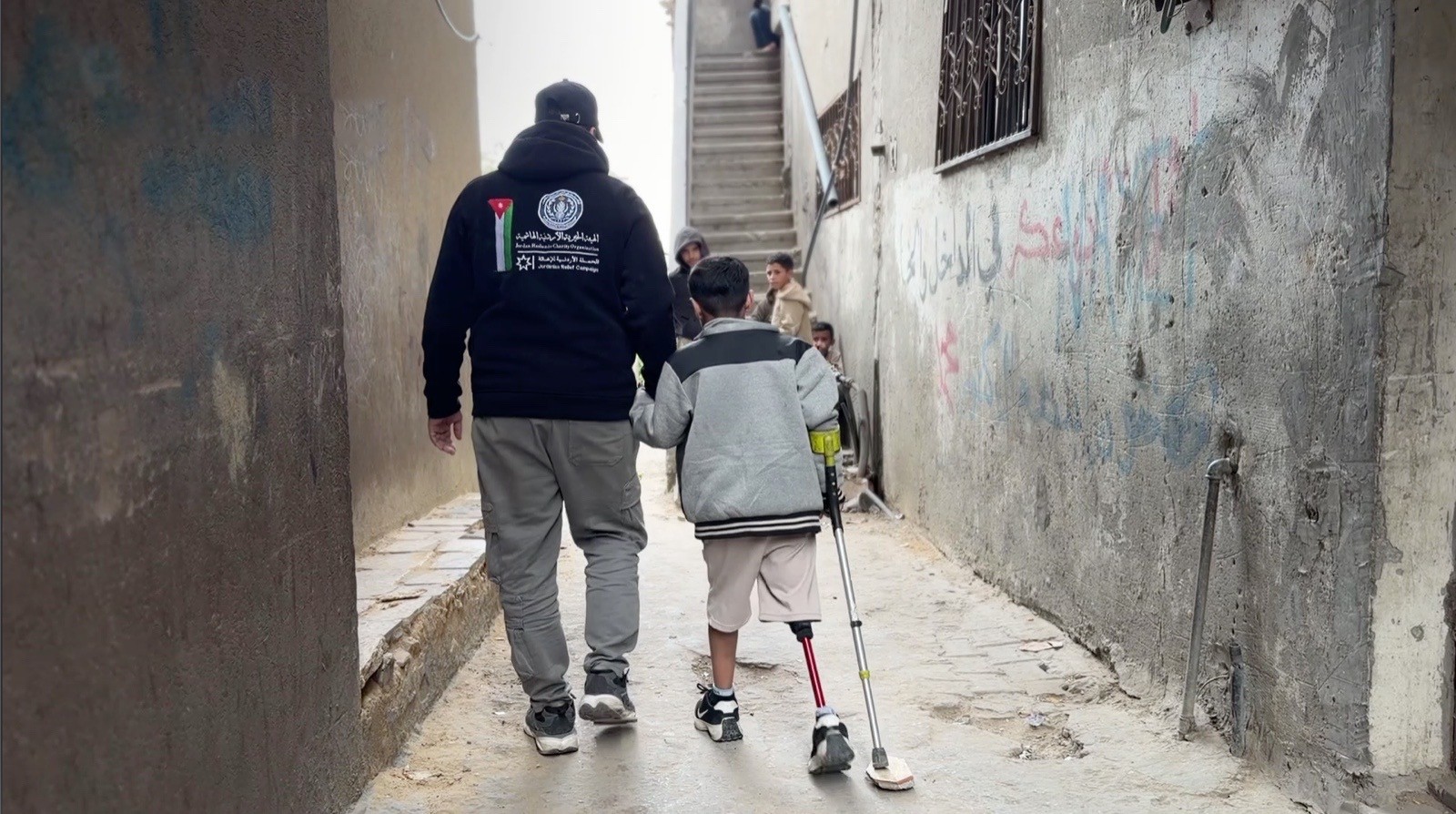
One of my most meaningful patient experiences was working with a patient (soldier) who had not only lost limb but his confidence and self esteem also. Beyond providing a prosthetic solution, the real challenge was addressing his fear, frustration, and loss of identity. Through gradual rehabilitation, consistent follow-ups, and close collaboration with the multidisciplinary team, the patient progressed from barely trusting the device to independently walking and returning to work with his prosthesis. Seeing that transformation, not just physically, but emotionally, reinforced why I chose this profession.
How do you build rapport with patients in your care?
I build rapport by actively listening, showing empathy, and involving patients in every step of decision making. I make a conscious effort to understand their lifestyle, goals, cultural background, and concerns, not just their diagnosis. I explain treatment options in simple, honest terms and set realistic expectations. Consistency, follow-up, and transparency help build trust, and I believe patients respond best when they feel respected, heard, and supported as partners in their rehabilitation.