 By
By
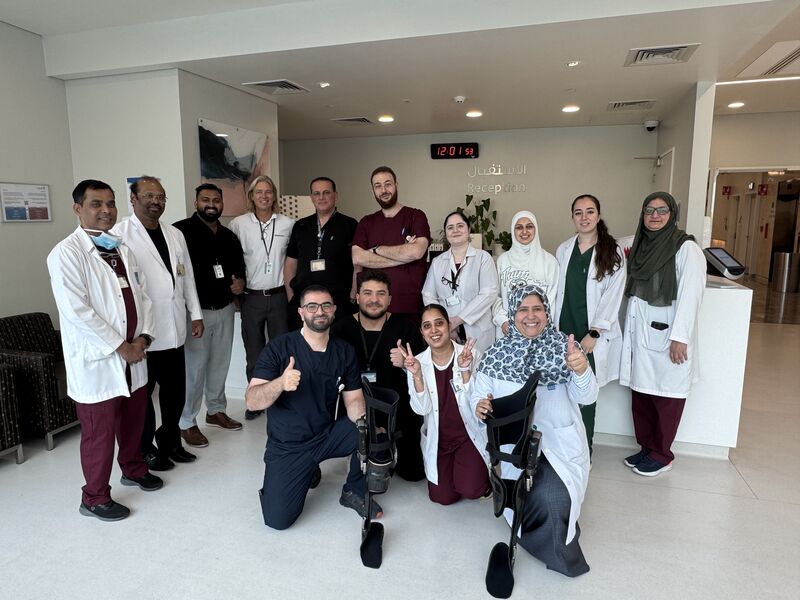
Qatar’s orthotics, prosthetics, and rehabilitation ecosystem operates within one of the most advanced healthcare systems in the region, anchored by centralised public providers, strong academic medicine, and a growing private rehabilitation sector. Demand is driven predominantly by very high diabetes prevalence, a sustained stroke-related disability burden, and the long-term mobility needs of people living with physical impairments—creating consistent need for prosthetic limbs, orthotic bracing, diabetic foot offloading/footwear, mobility aids, physiotherapy, and structured follow-up.
As with other mature IMEA systems, the strategic focus has shifted from access alone to optimising the full rehabilitation pathway: referral → assessment → fabrication/fitting → therapy → follow-up → maintenance.
Prevalence & demand drivers (key statistics)
Diabetes
Qatar ranks among the highest diabetes-prevalence countries globally. IDF estimates for 2024:
- 20.0% diabetes prevalence (adults 20–79)
- ~343,200 adults living with diabetes
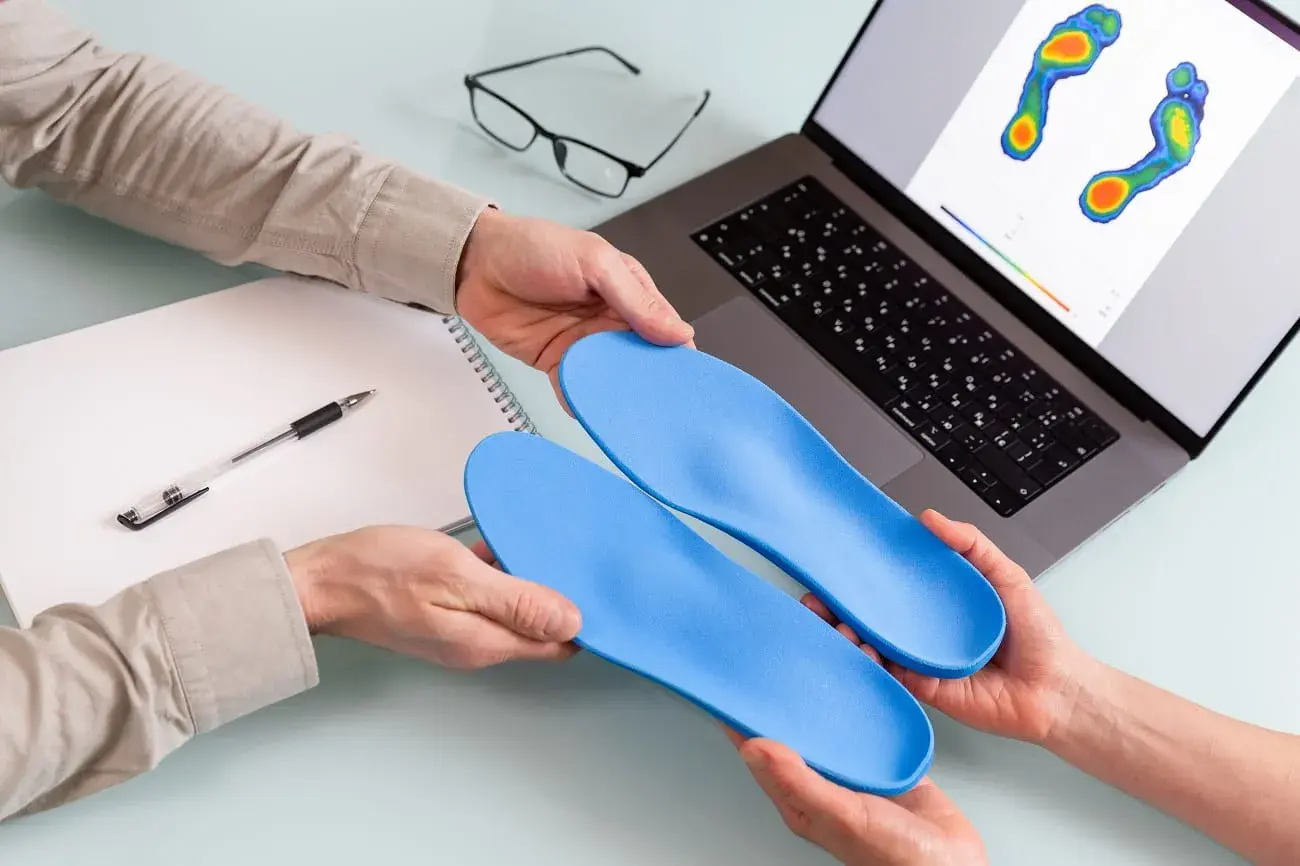
This is a primary driver of diabetic foot orthoses/offloading, protective footwear, Charcot management, and limb-preservation pathways.
Stroke
Stroke remains a significant contributor to disability, generating sustained need for AFOs/KAFOs, upper-limb supports, mobility aids, and neurorehabilitation. Regional analyses consistently show meaningful stroke mortality and long-term disability in the Gulf, with risk profiles strongly linked to diabetes and hypertension.
Persons with disabilities
Qatar reports disability through national registries and planning datasets. While prevalence varies by definition and methodology, national health and social care systems plan services around a growing registered population requiring long-term rehabilitation, assistive technology, and follow-up.
Amputations (diabetes-linked pressure)
Clinical reporting from Qatar consistently identifies diabetes as the dominant risk factor for lower-limb amputations, reinforcing the national emphasis on diabetic foot screening, early offloading, and multidisciplinary limb-salvage programs.
Qatar O&P system snapshot
Qatar’s O&P delivery model is best described as highly centralised, hospital-anchored, and outcomes-focused:
- National tertiary care and rehabilitation anchored around Hamad Medical Corporation (HMC)
- Specialist rehabilitation delivery through Hamad Rehabilitation Hospital, supporting post-acute and long-term mobility care
- Strong academic and clinical integration via Sidra Medicine (paediatric and complex cases)
- Expansion of private rehabilitation and orthotics providers complementing public services, particularly for outpatient and long-term care
Top orthotic & prosthetic service providers in Qatar
1) Hamad Medical Corporation – Prosthetics, Orthotics & Rehabilitation Services
The backbone of Qatar’s public O&P and rehabilitation delivery, integrating orthopaedics, trauma, diabetes care, and neurorehabilitation across multiple hospitals.
2) Hamad Rehabilitation Hospital
Qatar’s primary specialist rehabilitation facility, delivering multidisciplinary inpatient and outpatient rehabilitation, including orthotic provision and long-term follow-up.
3) Sidra Medicine
A leading academic medical centre supporting paediatric orthotics, complex congenital conditions, and multidisciplinary rehabilitation pathways.
4) Private Rehabilitation & Orthotics Clinics (Doha)
A growing segment providing custom orthoses, prosthetic services, gait rehabilitation, and physiotherapy, often focused on long-term outpatient management and rapid access.
Key challenges
- Very high diabetes prevalence continues to increase long-term demand for diabetic foot protection and limb-preservation services
- Follow-up and maintenance requirements grow as the prosthetic and orthotic user population expands
- Ensuring consistent outcomes and documentation across public and private care pathways
Growth opportunities (what comes next)
- National diabetic foot pathway optimisation: screening → risk stratification → footwear/orthoses/offloading → rapid referral (highest ROI given prevalence)
- Earlier post-stroke orthotic access integrated into rehabilitation protocols to improve gait and independence outcomes
- Structured repair & maintenance programs to reduce downtime and extend device life
- Digital workflow adoption (scan → design → fabricate) to improve turnaround, traceability, and standardisation—particularly for high-volume orthoses
IMEA CPO outlook
Qatar is a high-capacity, high-outcomes healthcare market where orthotics and prosthetics strategy is increasingly about prevention, continuity, and measurable results. With diabetes prevalence around 20% of adults and sustained stroke-related disability needs, the greatest national gains will come from scaling diabetic foot prevention, strengthening follow-up and repair pathways, and embedding orthotic intervention earlier within stroke and rehabilitation care pathways.