 By
By
Bahrain’s orthotics, prosthetics, and rehabilitation ecosystem operates within a well-resourced national health system, with services anchored around major government hospitals and a growing private rehabilitation market. Demand is being shaped most strongly by very high diabetes prevalence, an ongoing stroke-related disability burden, and the long-term mobility needs of people living with physical impairments—creating sustained requirement for prosthetic limbs, orthotic bracing, diabetic foot offloading/footwear, mobility aids, physiotherapy, and repairs.
As with other IMEA “system strengthening” narratives, the strategic challenge is not simply device availability—it is ensuring the full rehabilitation pathway performs consistently: referral → assessment → fabrication/fitting → therapy → follow-up → maintenance.
Prevalence & demand drivers (key statistics)
Diabetes
Bahrain is among the highest-prevalence countries globally for diabetes. IDF estimates for 2024:
- 22.1% diabetes prevalence (adults 20–79)
- ~197,600 adults living with diabetes
This directly drives demand for diabetic foot orthoses/offloading, protective footwear, Charcot management, and structured amputation prevention pathways.
Stroke
Stroke remains a significant contributor to disability and rehabilitation needs. A 2025 regional analysis reports:
- Bahrain stroke death rate (2021): 23.45 per 100,000
(Clinically, this translates into steady need for AFOs/KAFOs, upper-limb supports, mobility aids, and neurorehabilitation follow-up.)
Persons with disabilities
Bahrain reports disability through both governmental systems and statistical datasets:
- UN OHCHR meeting summary (2024) referenced ~14,000 persons with disabilities (~2% of the population)
- Bahrain Open Data includes a Census 2020 disability dataset with breakdown by sex/governorate/type
(As elsewhere, figures vary depending on definitions and measurement approach.)
Amputations (diabetes-linked pressure)
Bahrain’s clinical literature consistently highlights diabetic foot complications as a major risk factor for limb loss and a priority for prevention and early intervention.
Bahrain O&P system snapshot
Bahrain’s O&P delivery model is best described as hospital-anchored rehabilitation plus public disability pathways, supported by expanding private sector services:
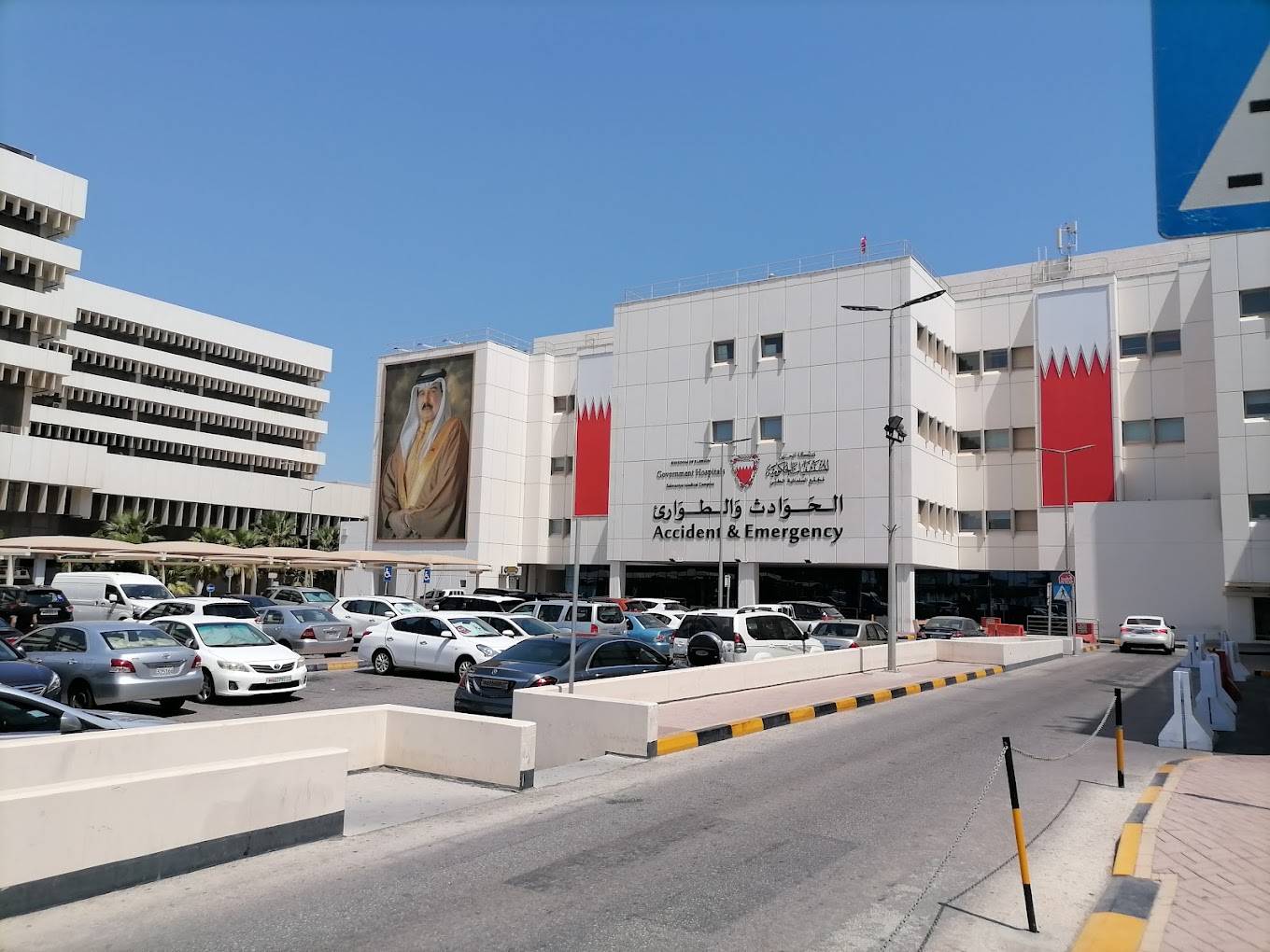
- A national tertiary backbone centred around Salmaniya Medical Complex (SMC), Bahrain’s main government hospital
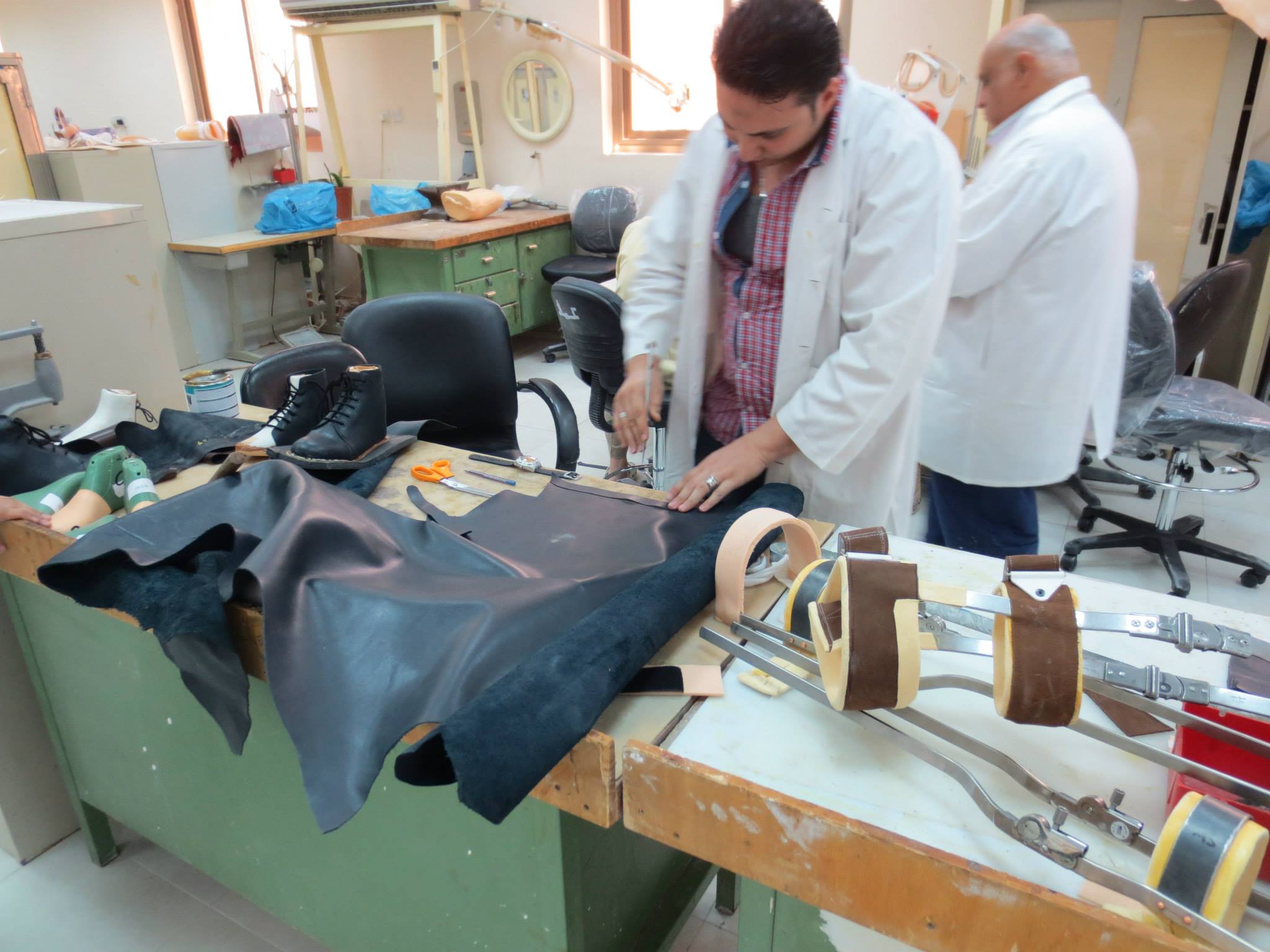
- Government systems referencing dedicated Prosthetics & Orthotics Centre services within national health and disability support frameworks
- Increasing emphasis on strengthening diabetes care across primary services (important for downstream limb preservation)
Top orthotic & prosthetic service providers in Bahrain
A practical list of visible service anchors shaping delivery today:
1) Salmaniya Medical Complex (SMC) – Prosthetics & Orthotics Centre (government)
The country’s primary tertiary hospital, consistently referenced as a national service anchor, with established P&O service delivery linked to government pathways.
2) Bahrain Defence Force Royal Medical Services (BDF-RMS) / Military Hospital
A major hospital system with broad specialist capacity, relevant to orthopaedics and rehabilitation pathways serving eligible populations.
3) King Hamad University Hospital (KHUH)
A leading national facility providing multidisciplinary services, including rehabilitation/physiotherapy pathways that interface with orthopaedic and neuro cases.
4) Steps Rehabilitation Center (private sector)
A private rehabilitation provider listing prosthetics and orthotics services as part of its rehabilitation offering.
Key challenges
- Very high diabetes prevalence increases long-term demand for diabetic foot protection and limb preservation pathways
- Follow-up, repairs, and continuity become system bottlenecks as the device user population grows (especially chronic diabetic foot and post-stroke users)
- Ensuring consistent outcomes across public and private pathways while scaling capacity and standardisation
Growth opportunities (what comes next)
- National diabetic foot pathway optimisation: screening → risk stratification → footwear/orthoses/offloading → rapid referral (highest ROI in avoided ulcers/amputations)
- Post-stroke orthotic access: earlier AFO provision and structured follow-up within rehabilitation teams to improve mobility outcomes
- Structured repair & maintenance programs to reduce downtime and extend device life
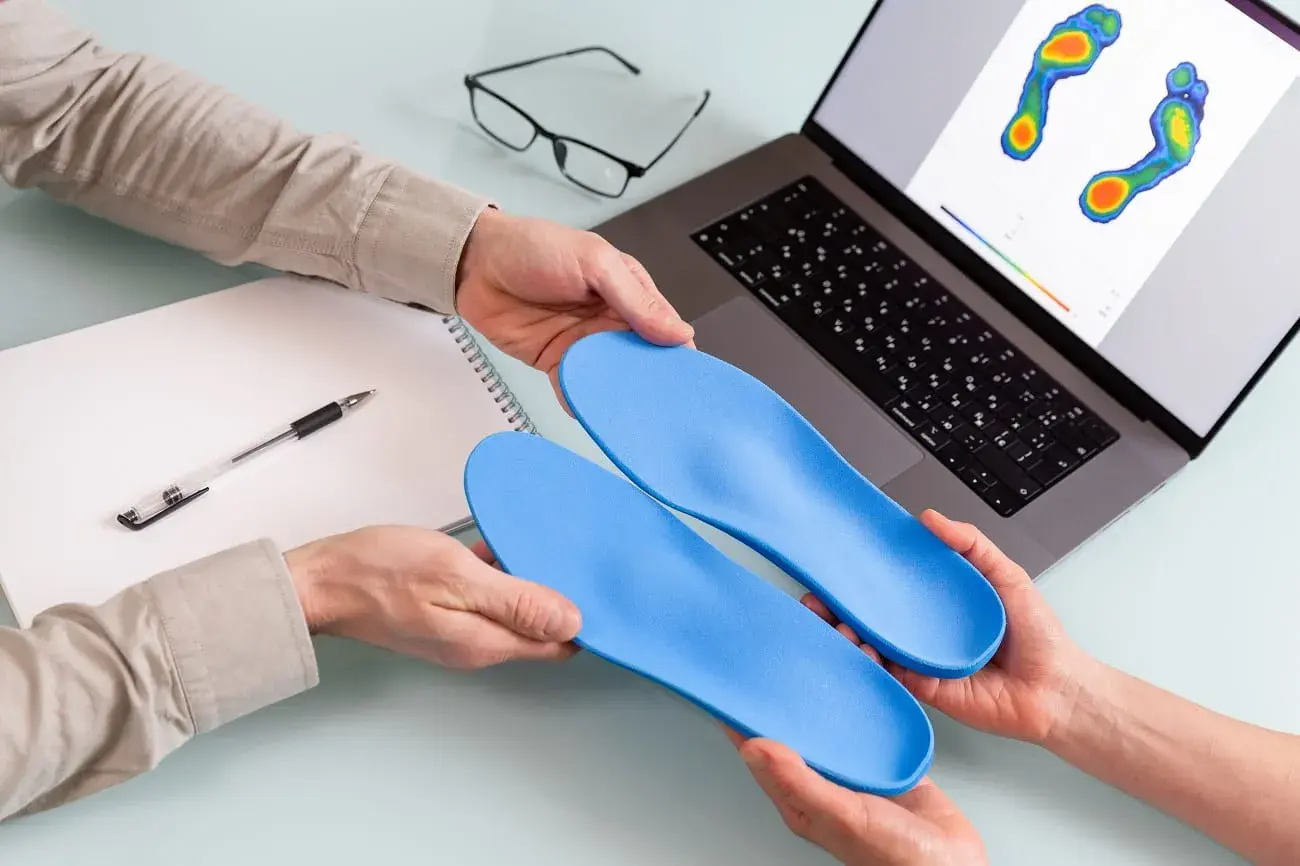
- Digital workflow adoption (scan → design → fabricate) for faster turnaround, better documentation, and consistency—particularly for high-volume orthoses
IMEA CPO outlook
Bahrain is a high-capacity healthcare market where O&P strategy is increasingly about prevention + continuity + outcomes rather than access alone. With diabetes at 22.1% adult prevalence and sustained stroke/disability needs, the largest national gains will come from scaling diabetic foot prevention, strengthening follow-up and repair pathways, and integrating orthotics earlier into stroke rehabilitation.