 By
By
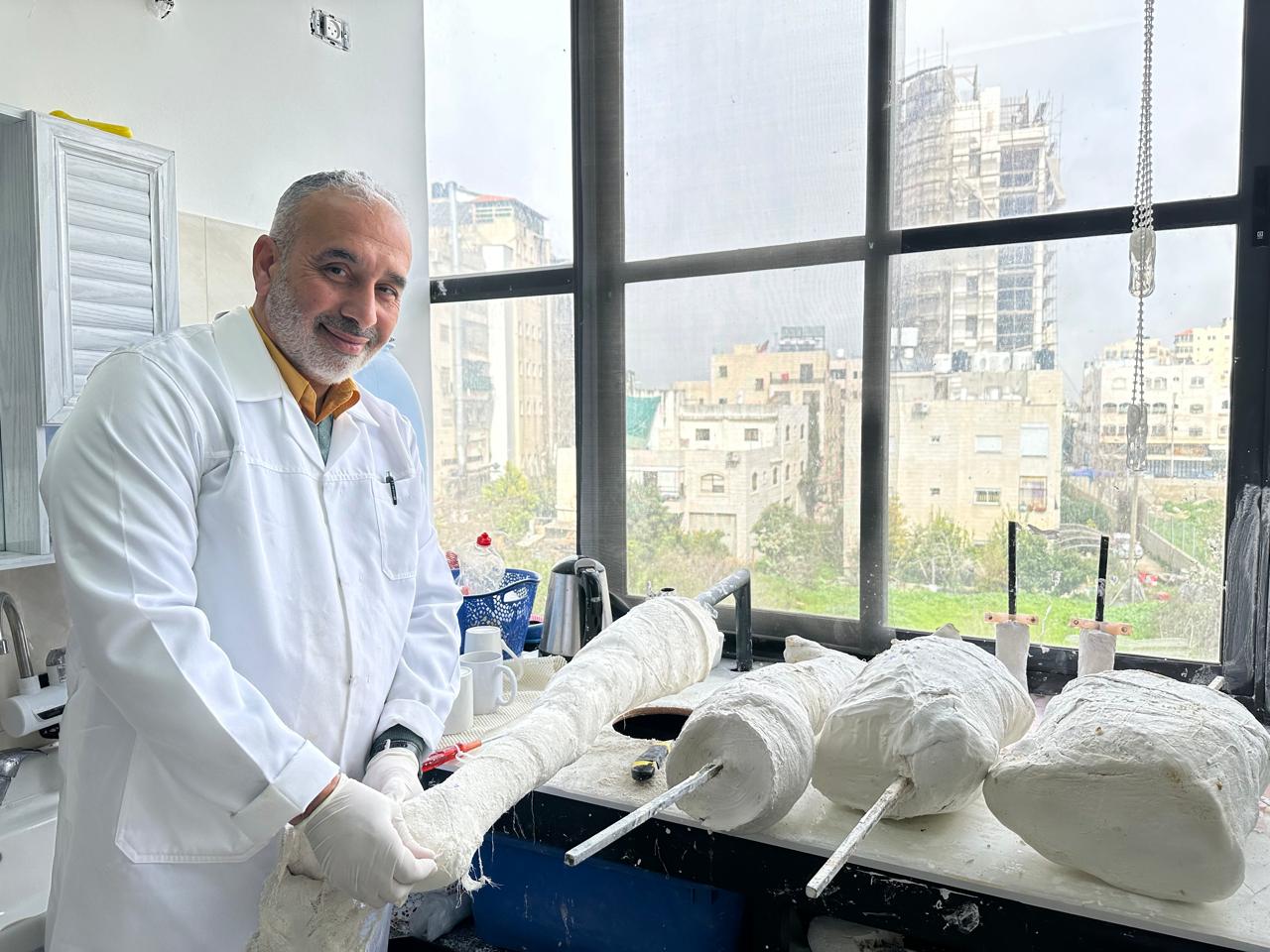
My name is Mohammed Am Sallak and I live in Hebron, Palestine. I studied at the University of Strathclyde and graduated with BSc in 1996 honor and anMSc in 2011.
I am currently instructor at Arab American University and Manager of Sallak Ortho. Center.
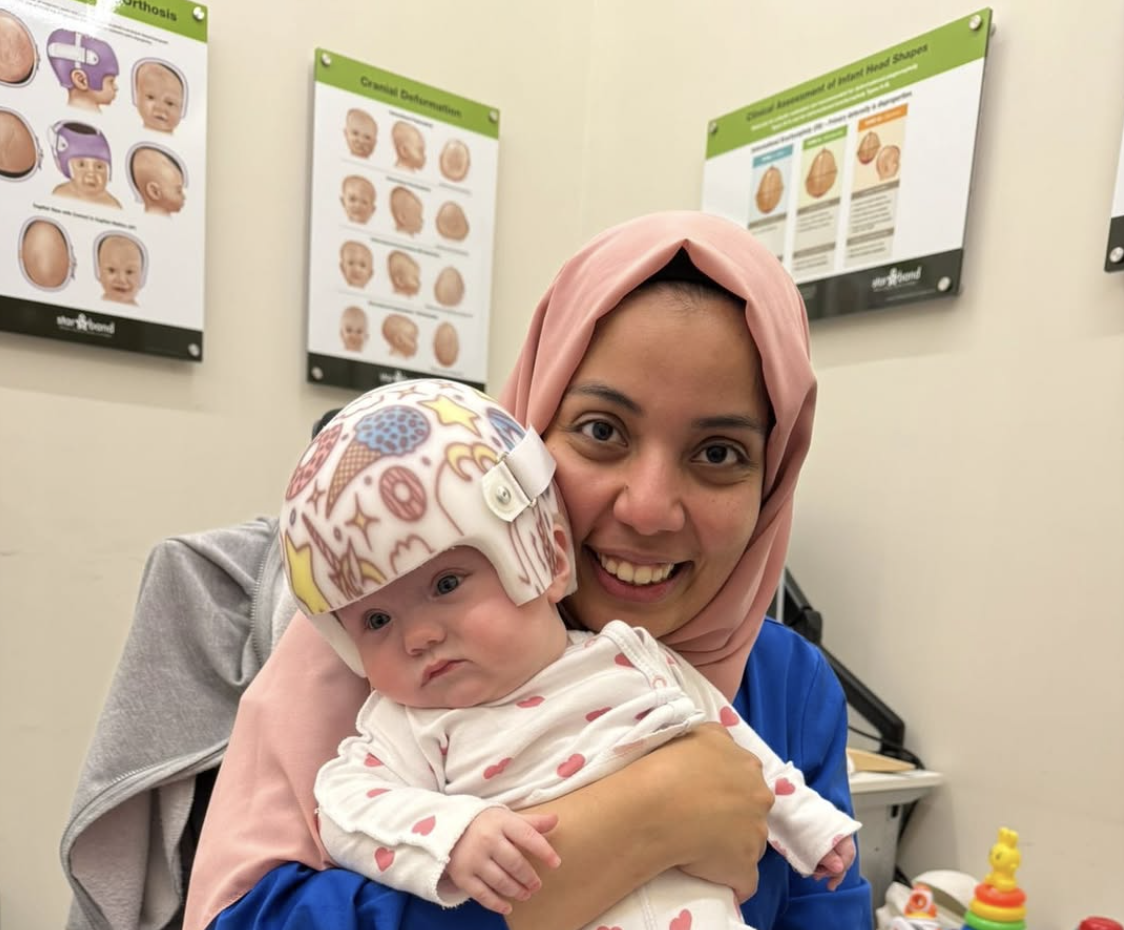
My passion lies in working with children, especially those born with congenital limb or spinal deformities. I focus on problem solving and creating innovative, child-friendly orthoses that are comfort, functional and pleasing for child, allowing children to engage in everyday activities with confidence and live more independently."
Teaching youth also is great who search for knowledge and keen to gain experience and P&O shortcuts or tricks
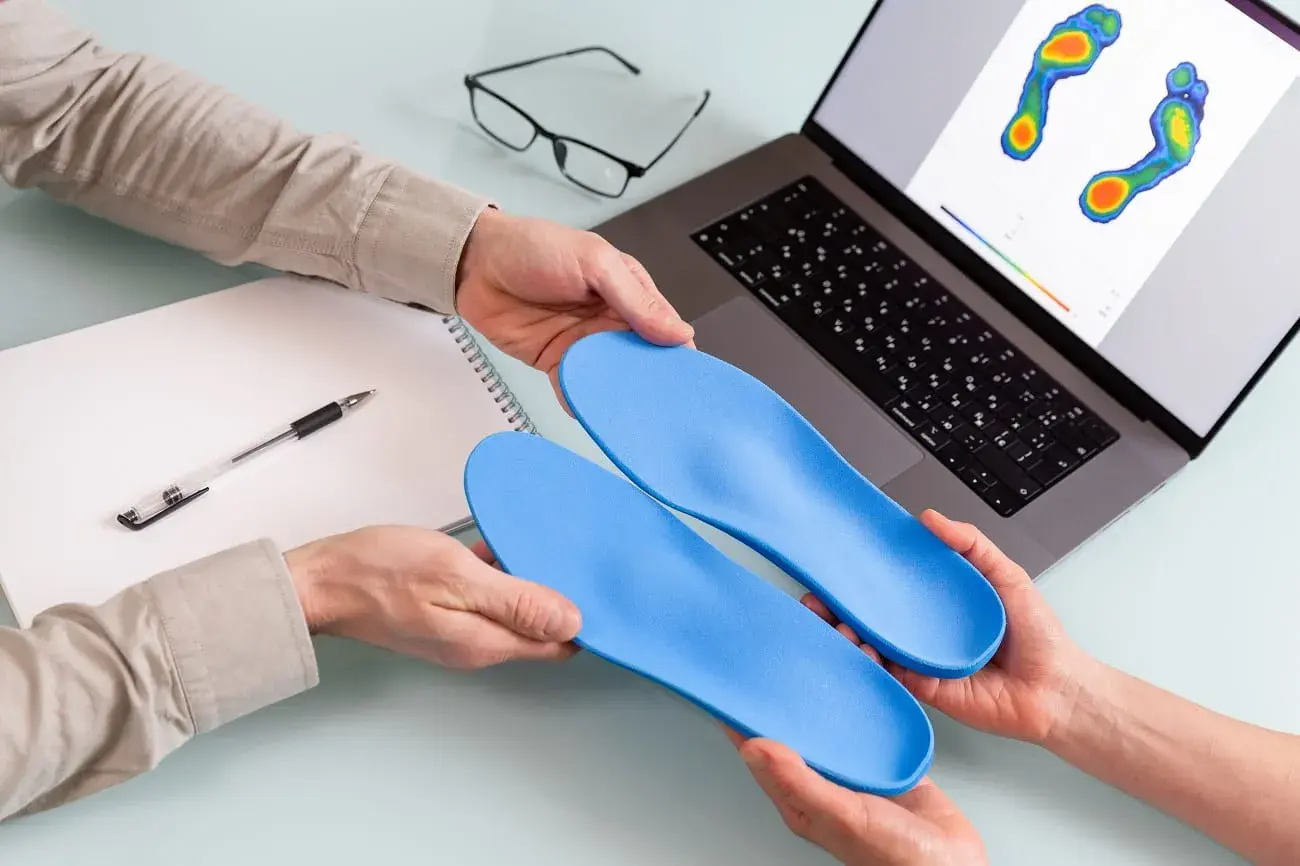
Every patient presents a unique challenge, and I enjoy designing a solution that fits their needs perfectly. I love seeing the improvement in a patient’s mobility and confidence. Being able to create a device that directly improves someone’s daily life is incredibly rewarding. Moreover, I love how Prosthetics and Orthotics continues to evolve. Whether it’s new materials, technologies such as CAD CAM or 3D printing, or advanced prosthetic components, there’s always something new to learn that can improve patient care.
It’s frustrating when I know a patient would benefit from advanced technology, but cost or coverage makes it inaccessible. So, resources are the most frustrating in O&P. Patient mostly must pay from his pocket. I try to work creatively within the system to find the best possible option. O&P is not well known for health care system.
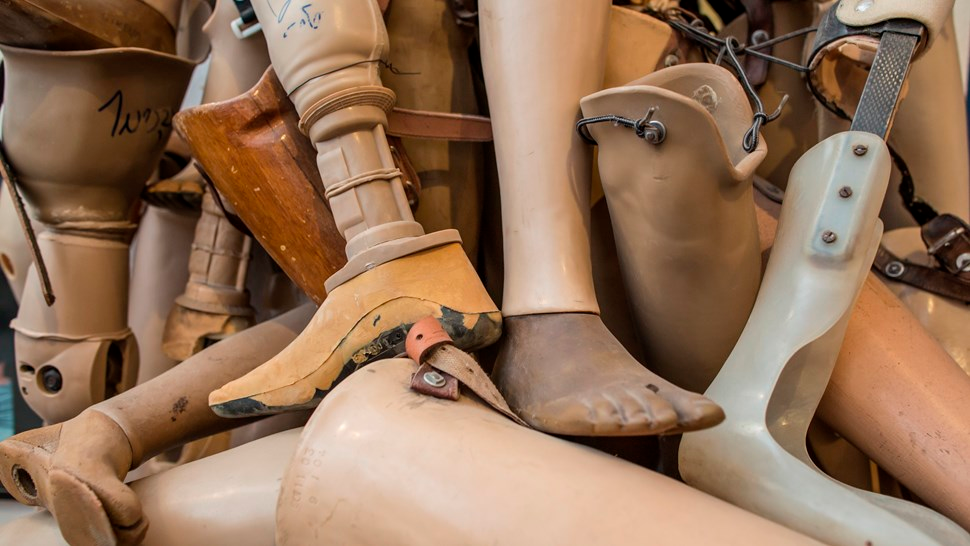
I have been working in this field for many years there are lots of stories but one of my greatest stories involves an amputee who had a right congenital limb and left above knee amputation. The challenge wasn’t just the technical aspects of designing an effective prosthesis and Orthosis but also building trust with this man who was scared and unsure. We worked together over several weeks, adjusting the devices, posture walking training and finding ways to make the process as comfortable and functional as possible. When this man finally walked without any hesitation independently, few times tried to kiss my hand as a way of thanking me for the work I did, it was a huge win for me. It reminded me how much work we do can transform lives at every stage of development.
I believe building rapport with patients starts with showing genuine empathy and answering their questions. During assessment listen to their concerns and understand their individual challenges before discussing treatment options. During their treatment I give support and education for patient and family . I ensure I follow up regularly to check on their progress and adjust their treatment as necessary. This ongoing care and attention to detail help maintain a strong rapport and ensure they feel supported throughout their journey