 By
By
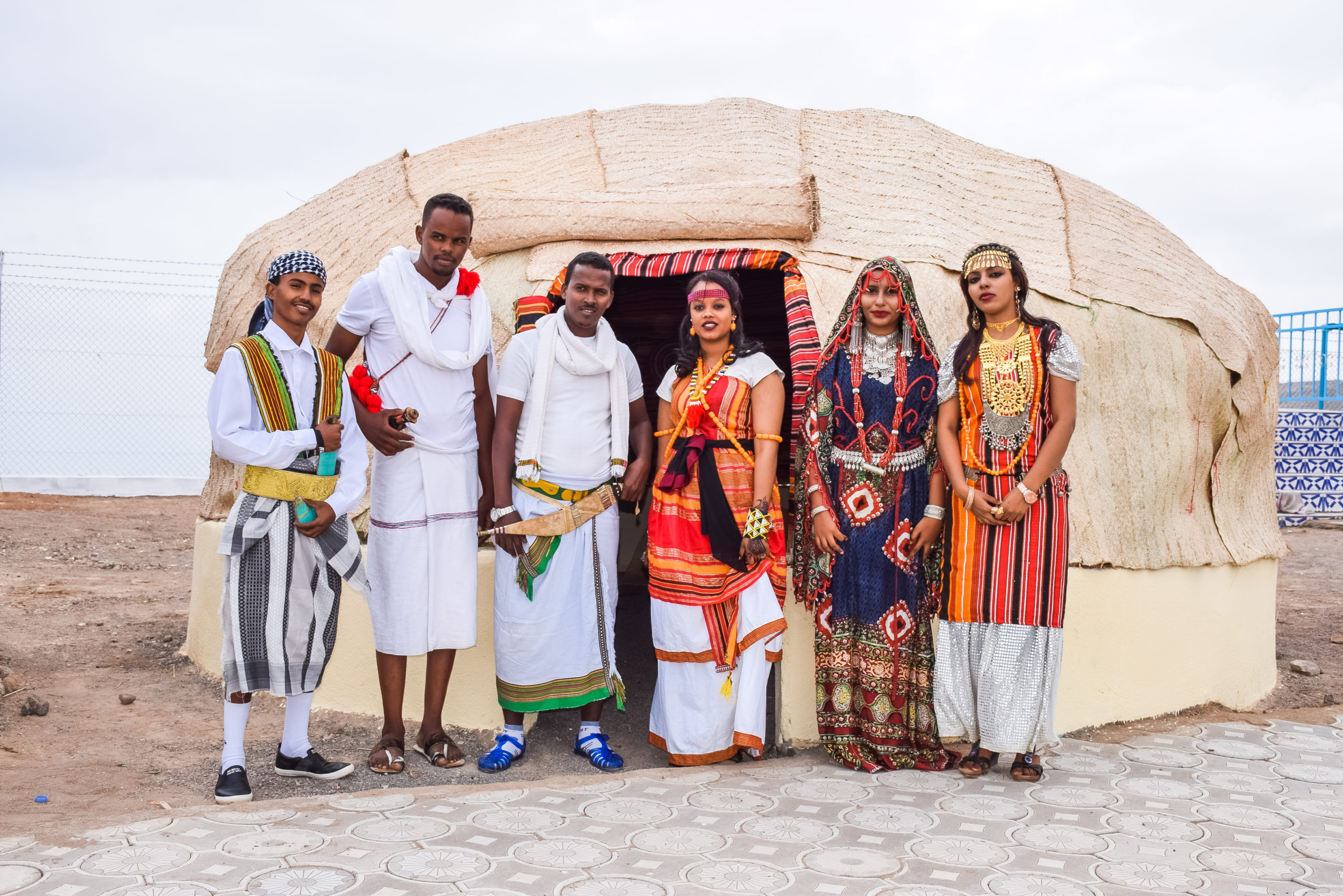
Djibouti is a small but strategically important country in the Horn of Africa, located at the entrance to the Red Sea and bordered by Eritrea, Ethiopia and Somalia. With a population of around 1.2 million people, Djibouti has a compact national market, but its rehabilitation and assistive technology needs are significant in relation to its health-system capacity, rural access challenges, refugee-hosting role and wider disability inclusion priorities.
For orthotists, prosthetists, rehabilitation professionals, NGOs and suppliers working across Africa and the wider IMEA region, Djibouti represents a country where the greatest opportunities are likely to be in public-sector support, NGO partnerships, low-cost assistive technology, workforce strengthening, paediatric disability support and practical mobility solutions.
Country Context
Djibouti’s health system is organised around a primary healthcare strategy and a district-based model. The country is divided into six administrative regions: Djibouti City, Obock, Tadjourah, Dikhil, Ali Sabieh and Arta. This structure is important for rehabilitation because access to orthotic and prosthetic care depends not only on central hospitals, but also on referral systems, local health facilities, community outreach, transport access and follow-up capacity.
Djibouti City is the country’s main urban and service hub, but people living outside the capital may face greater barriers to specialist rehabilitation, prosthetic fitting, orthotic assessment, therapy and repair services. In smaller health systems, even relatively modest investments in referral pathways, workshop capacity and assistive product supply can have a meaningful impact.
The United Nations Population Fund estimates Djibouti’s 2025 population at around 1.2 million, with approximately 29% of the population aged 0–14. This young demographic profile makes paediatric rehabilitation, early intervention, clubfoot care, cerebral palsy support, orthotic management and disability-inclusive education particularly relevant.
Rehabilitation and Disability Services
Djibouti’s rehabilitation system should be understood within the wider context of health-system strengthening, primary healthcare and disability inclusion. Like many low- and middle-income countries, Djibouti faces challenges in specialist workforce availability, service distribution and long-term access to assistive technology.
Rehabilitation services are often most effective when linked to primary care, maternal and child health services, disability programmes, schools and community-level identification. For orthotic and prosthetic care, this means that hospitals and clinics need clear pathways to identify patients, refer them for specialist assessment, provide therapy support and ensure long-term follow-up.
In 2025, the World Bank approved a grant to help Djibouti improve care and educational opportunities for children with disabilities. This is highly relevant to rehabilitation because children with disabilities often require early assessment, mobility support, orthoses, therapy, assistive products and inclusive education services. For IMEA CPO readers, this highlights a growing policy focus on children with disabilities and the need for stronger support systems beyond one-off device provision.
Orthotics and Prosthetics Demand
Djibouti’s O&P demand is likely to come from several key groups:
- Children with congenital, developmental or neurological conditions requiring orthoses, splints, positioning support or mobility aids.
- People with lower-limb amputations requiring prosthetic limbs, repairs, socket replacement and gait training.
- Individuals with trauma-related injuries from road traffic accidents, work injuries or other causes.
- People with musculoskeletal or neurological conditions requiring lower-limb orthoses, spinal supports or rehabilitation services.
- Refugees, displaced people and vulnerable communities requiring access to basic mobility devices and assistive products.
- Older adults and people with chronic health conditions requiring walking aids, pressure care, footwear support or rehabilitation.
In countries with limited O&P service coverage, demand is often hidden. Many people who need prostheses, orthoses, wheelchairs, crutches, splints or adapted footwear may not reach formal services. Others may receive a device but struggle with follow-up, repairs, replacement parts or therapy support.
The WHO and UNICEF Global Report on Assistive Technology places countries such as Djibouti within a wider global challenge: the gap between need and access remains large, especially in low-resource settings. Orthotics and prosthetics therefore need to be seen as part of a wider assistive technology system that includes mobility aids, rehabilitation, maintenance, training and community inclusion.
Health-System and Access Challenges
Djibouti faces several practical challenges that affect rehabilitation and O&P service development.
First, specialist services are likely to be concentrated in Djibouti City. This can make access difficult for people living in Tadjourah, Obock, Dikhil, Ali Sabieh and Arta, especially when multiple visits are needed for casting, fitting, alignment, adjustment and therapy.
Second, workforce capacity is likely to be limited. Effective O&P care requires trained prosthetists, orthotists, technicians, physiotherapists, occupational therapists, rehabilitation doctors, nurses and community workers. In small health systems, the absence of even a few key professionals can significantly affect national service capacity.
Third, procurement and supply chains matter. Prosthetic feet, adapters, knees, liners, thermoplastics, EVA, polypropylene, orthotic joints, straps, foams and workshop consumables must be available consistently. Without reliable supplies, even skilled professionals may be unable to deliver timely services.
Fourth, follow-up and maintenance are critical. A prosthesis, orthosis or wheelchair is not a one-time intervention. Users need review, adjustment, replacement parts, skin checks, training and repair. Low-cost, repairable and locally maintainable devices are therefore especially important.
Fifth, Djibouti’s refugee-hosting role creates additional rehabilitation needs. Refugees and displaced people may have trauma-related injuries, untreated disabilities, mobility impairments or limited access to long-term care. Rehabilitation support for these populations requires coordination between government services, humanitarian organisations and health partners.
Opportunities for Development
Djibouti’s rehabilitation and O&P sector has several areas where targeted development could make a strong impact.
The first opportunity is paediatric rehabilitation. With a young population and new investment in children with disabilities, Djibouti could benefit from expanded early screening, orthotic care, therapy, positioning devices, assistive mobility products and school-linked disability support.
The second opportunity is referral integration. Primary healthcare centres, maternal and child health services, schools and community workers can help identify children and adults who need rehabilitation or assistive technology. A stronger referral pathway would help reduce the number of people who remain outside formal services.
The third opportunity is workshop strengthening. Basic improvements in casting tools, thermoplastics, modification equipment, alignment systems, orthotic materials, footwear adaptation and repair capability can improve outcomes without requiring a large commercial market.
The fourth opportunity is regional cooperation. Djibouti’s location in the Horn of Africa gives it potential relevance as a small but strategic hub for partnerships with Ethiopia, Somalia, Eritrea and the wider Red Sea region. Training, supply and technical support could be developed through regional rehabilitation networks.
The fifth opportunity is appropriate technology. Djibouti is likely to benefit most from durable, affordable and easy-to-maintain solutions. This includes polypropylene orthoses, robust prosthetic components, paediatric orthotic systems, diabetic and accommodative insoles, simple spinal supports, crutches, wheelchairs, walkers and repairable mobility aids.
Market Outlook
Djibouti is not a large commercial O&P market, but it is a meaningful rehabilitation development market. The strongest opportunities are likely to be in public-sector projects, NGO programmes, donor-funded disability inclusion work, paediatric rehabilitation, assistive technology supply, training and service-capacity building.
Suppliers entering Djibouti should focus on affordability, durability, local repairability and training. Products designed for high-income private clinics may not be the best fit unless they are supported by strong funding and maintenance systems. In contrast, simple modular prosthetic components, reliable orthotic materials, basic workshop equipment and practical assistive products may be more suitable.
For clinicians and technicians, Djibouti highlights the importance of system thinking. A well-made prosthesis or orthosis is only one part of the rehabilitation journey. Long-term outcomes depend on referral, assessment, user education, physiotherapy, repair, replacement, follow-up and community support.
Why Djibouti Matters for IMEA CPO
Djibouti matters because it reflects many of the challenges facing small health systems across the IMEA region: limited specialist capacity, urban concentration of services, affordability constraints, hidden disability needs and the importance of integrating rehabilitation into primary healthcare and education.
Its location also gives it strategic importance. As a Horn of Africa country connected to regional trade, migration and humanitarian pathways, Djibouti’s rehabilitation needs extend beyond its population size. Strengthening orthotic, prosthetic and assistive technology services in Djibouti would support disability inclusion, child development, mobility, education and community participation.
For the O&P sector, Djibouti is a reminder that impact is not always measured by market size. In low-resource settings, the right combination of appropriate technology, training, repair capacity and community-based access can transform lives.