 By
By
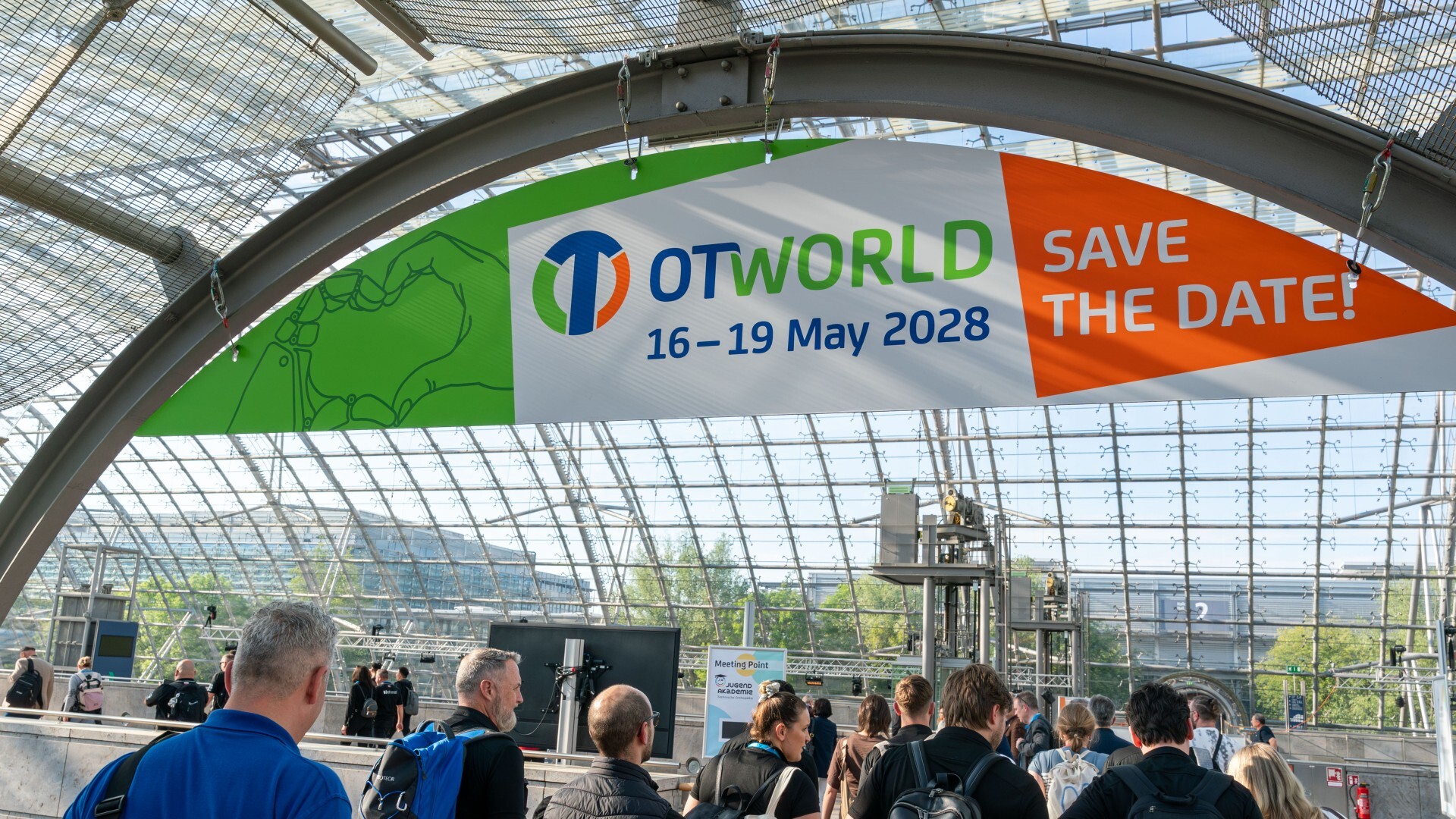
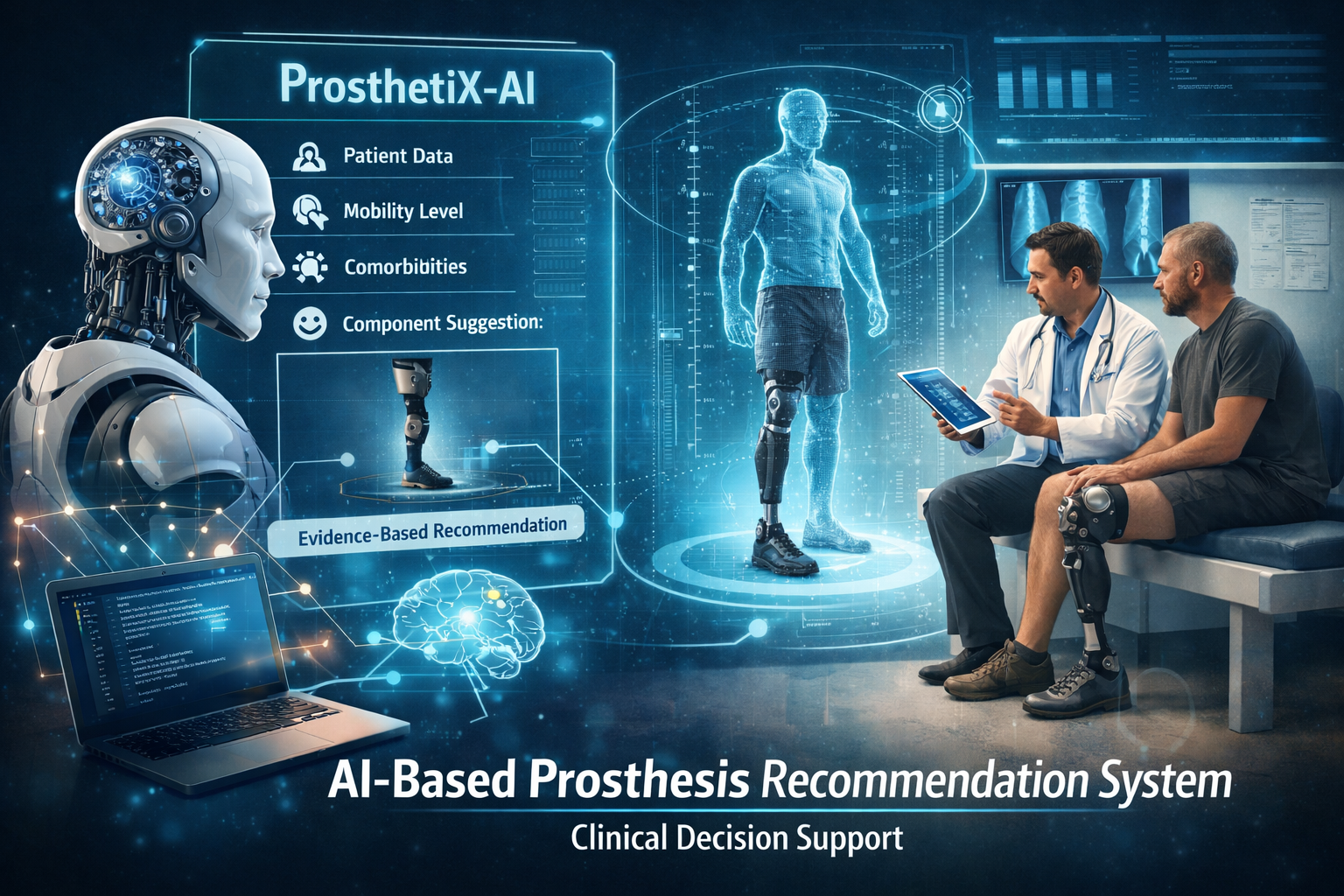
Walking through the exhibition halls at OTWorld 2026 in Leipzig, one thing became impossible to ignore: digital technology has firmly established itself within the prosthetics and orthotics profession.
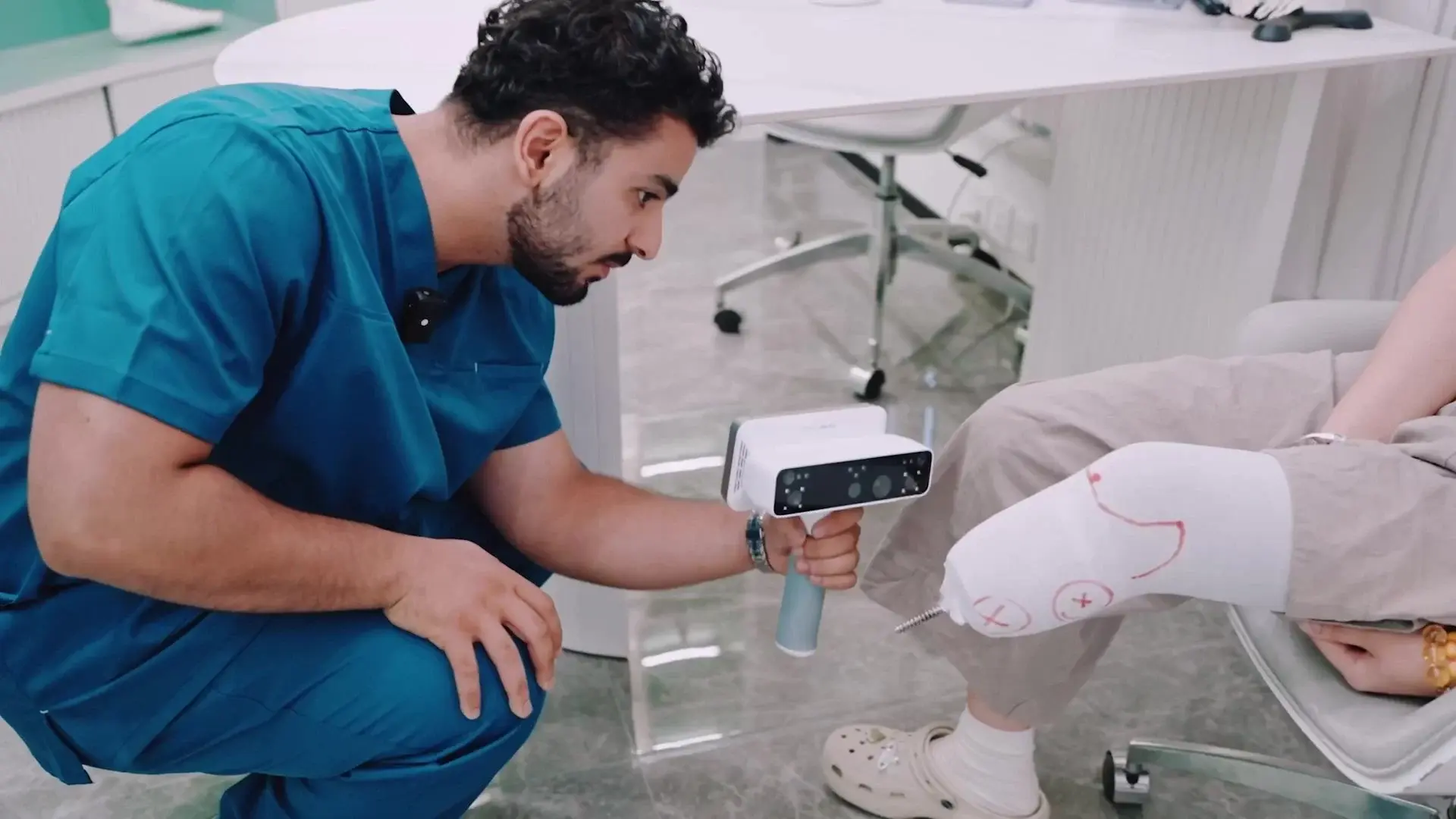
Everywhere you looked there were new software platforms, cloud-based workflows, AI-assisted rectification tools, automated design systems, pressure-analysis platforms, digital scanners, central fabrication services and increasingly sophisticated CAD/CAM environments. Companies demonstrated workflows capable of taking a patient from scan to finished device with remarkable speed and efficiency.
The technology is impressive.
In many ways, it represents exactly the direction the profession should be moving. Digital tools can improve consistency, reduce turnaround times, support remote collaboration, create repeatable workflows and enable access to expertise that might otherwise be unavailable.
Yet while walking through Leipzig, another thought kept returning.
As exciting as these technologies are, the profession must be careful not to lose the manual plaster rectification skills that built orthotics and prosthetics in the first place.
Technology Is a Tool, Not Clinical Knowledge
Many of today's digital platforms can generate a prosthetic socket or orthotic design in minutes.
Some can automatically identify anatomical landmarks.
Others can suggest rectifications based on diagnosis, activity level or device type.
Some systems are even beginning to incorporate artificial intelligence to recommend design modifications.
These developments are valuable.
The danger arises when practitioners begin to confuse software capability with clinical understanding.
A CAD program can modify a shape.
It cannot fully understand why that shape is being modified.
That knowledge still resides with the prosthetist, orthotist or technician.
The software may know where to add relief.
The clinician must understand why.
The software may know where to add support.
The clinician must understand how much support is required and what effect it will have on the patient's function.
Without this knowledge, digital workflows risk becoming little more than automated guesswork.
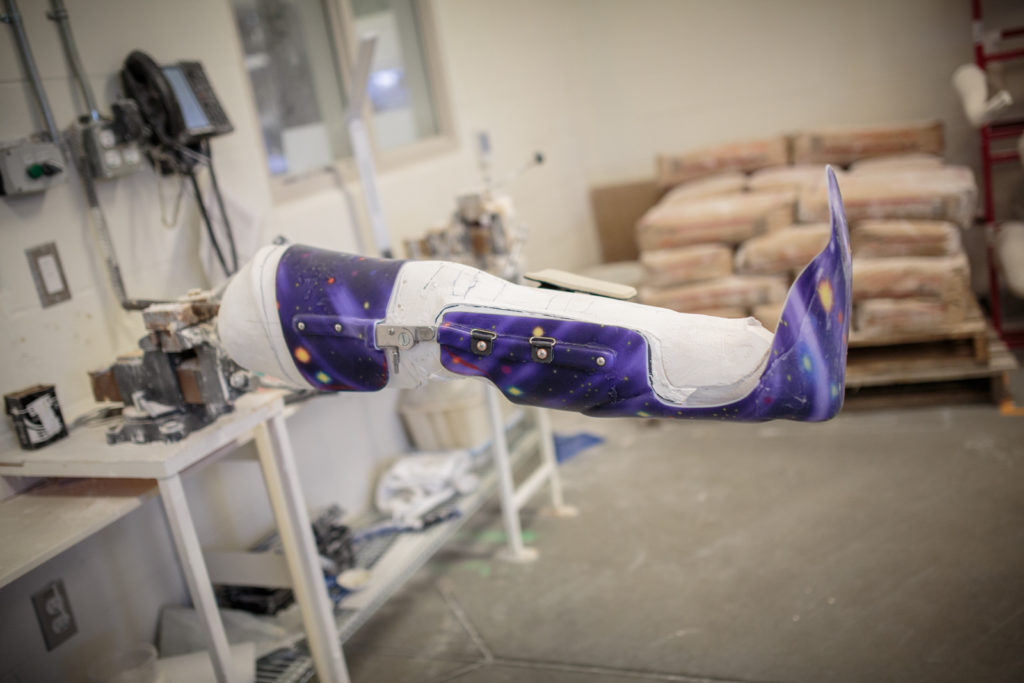
Plaster Teaches the Language of Shape
Every experienced technician remembers learning plaster rectification.
Hours spent modifying positive models taught lessons that cannot easily be replicated on a computer screen.
The process forced practitioners to understand:
- Anatomy
- Biomechanics
- Pressure distribution
- Load transfer
- Alignment
- Force management
- Material behaviour
- Patient-specific variation
Plaster provided immediate feedback.
Remove too much material and the result became obvious.
Add support in the wrong area and function changed immediately.
These experiences created an intuitive understanding of shape and function.
Many senior practitioners can look at a limb, foot or spinal deformity and mentally visualise the modifications required before touching plaster.
That ability did not come from software.
It came from years of hands-on rectification.
The Risk for Future Generations
One concern increasingly voiced by educators is that younger practitioners may become highly competent software operators without developing the same depth of shape-recognition skills.
A clinician who learns digital modification before understanding manual rectification may know which buttons to press but struggle to explain why the design works.
This creates several risks:
- Reduced problem-solving ability
- Greater dependence on software presets
- Difficulty managing unusual cases
- Reduced confidence when digital systems fail
- Weaker understanding of biomechanical principles
- Limited ability to innovate beyond software templates
In routine cases, these weaknesses may not be obvious.
In complex cases, they become critical.
Not Every Patient Fits the Template
One of the strongest lessons from clinical practice is that patients rarely behave exactly like textbook examples.
Residual limbs vary.
Diabetic feet vary.
Scoliosis patterns vary.
Neurological presentations vary.
Trauma cases vary.
Many of the most challenging patients encountered in clinics across Africa, the Middle East and South Asia simply do not fit standard digital libraries.
When this happens, clinicians must rely on their understanding of shape, biomechanics and clinical reasoning.
The ability to manually rectify remains one of the most powerful tools available when standard workflows reach their limits.
The IMEA Reality
This discussion is particularly important in the IMEA region.
Many services continue to operate in environments where:
- Digital infrastructure may be limited
- Internet connectivity is inconsistent
- Software licensing costs are significant
- Equipment maintenance can be challenging
- Supply chains are unpredictable
- Humanitarian and outreach settings remain common
A clinician who understands plaster can continue working effectively almost anywhere.
A clinician who depends entirely on software may be severely restricted when technology is unavailable.
This is not an argument against digitalisation.
It is an argument for resilience.
The Best Clinics Do Both
The most impressive organisations at OTWorld were not necessarily those abandoning traditional methods.
They were the ones combining traditional expertise with modern technology.
Their technicians understood plaster.
Their clinicians understood biomechanics.
Their digital teams understood shape modification.
The software simply allowed them to apply that knowledge more efficiently.
These organisations did not view digital workflows as replacements for expertise.
They viewed them as amplifiers of expertise.
That distinction is critical.
What Should Education Programmes Do?
As educational programmes modernise, there is a temptation to reduce plaster training in favour of digital content.
That would be a mistake.
Future prosthetists, orthotists and technicians should graduate with competence in both worlds.
Training programmes should continue teaching:
- Manual casting
- Positive model modification
- Plaster rectification
- Bench alignment
- Traditional fabrication principles
Alongside:
- Digital scanning
- CAD modification
- 3D printing
- Central fabrication workflows
- AI-assisted design systems
The goal should not be choosing between old and new.
The goal should be understanding both.
The Future Belongs to Hybrid Practitioners
Digital tools will continue to improve.
Artificial intelligence will become more capable.
Automated workflows will become more sophisticated.
Cloud-based fabrication will continue expanding.
None of these developments eliminate the need for clinical understanding.
In fact, they make it even more important.
The most valuable prosthetists, orthotists and technicians of the next decade will not be those who simply know software.
They will be those who understand anatomy, biomechanics and rectification deeply enough to use software intelligently.
Technology will continue changing.
The principles of shape, function and patient-centred care will not.
As the profession embraces digital transformation, it must ensure that plaster skills, manual rectification knowledge and traditional craftsmanship are preserved.
Because when software reaches its limits, clinical judgement remains the most important tool in the workshop.
And clinical judgement is often built with plaster dust on your hands.