 By
By
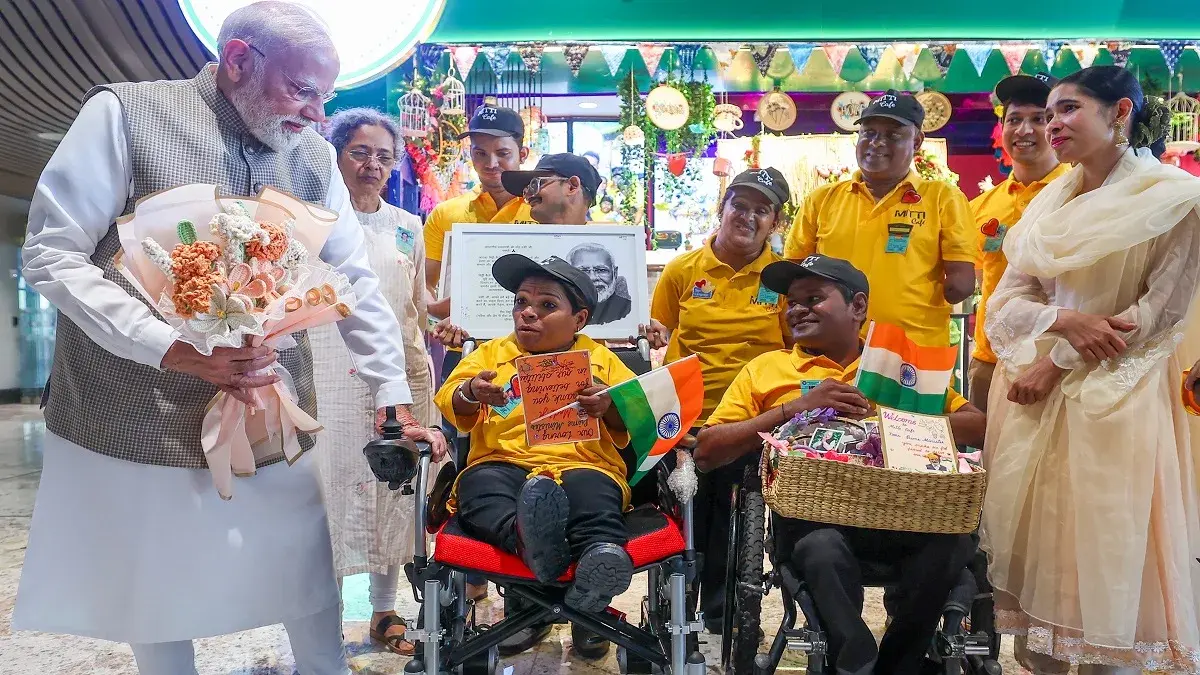
India’s commitment to inclusive development has consistently drawn direction from Prime Minister Narendra Modi’s vision of a nation where every citizen is empowered to live with dignity. The Prime Minister has repeatedly emphasised that disability does not diminish a person’s talent or potential, stating that disability is not an obstacle to success when society ensures equal opportunity. This clarity of thought is essential as India reflects on the International Day of Persons with Disabilities and evaluates whether accessibility has been integrated into the centre of national development.
India has a significant population of citizens with disabilities, many of whom are limited not by their impairments but by a physical and social environment that restricts their functional independence. For decades, disability was viewed primarily through a medical framework, but the most persistent barriers have always been structural.
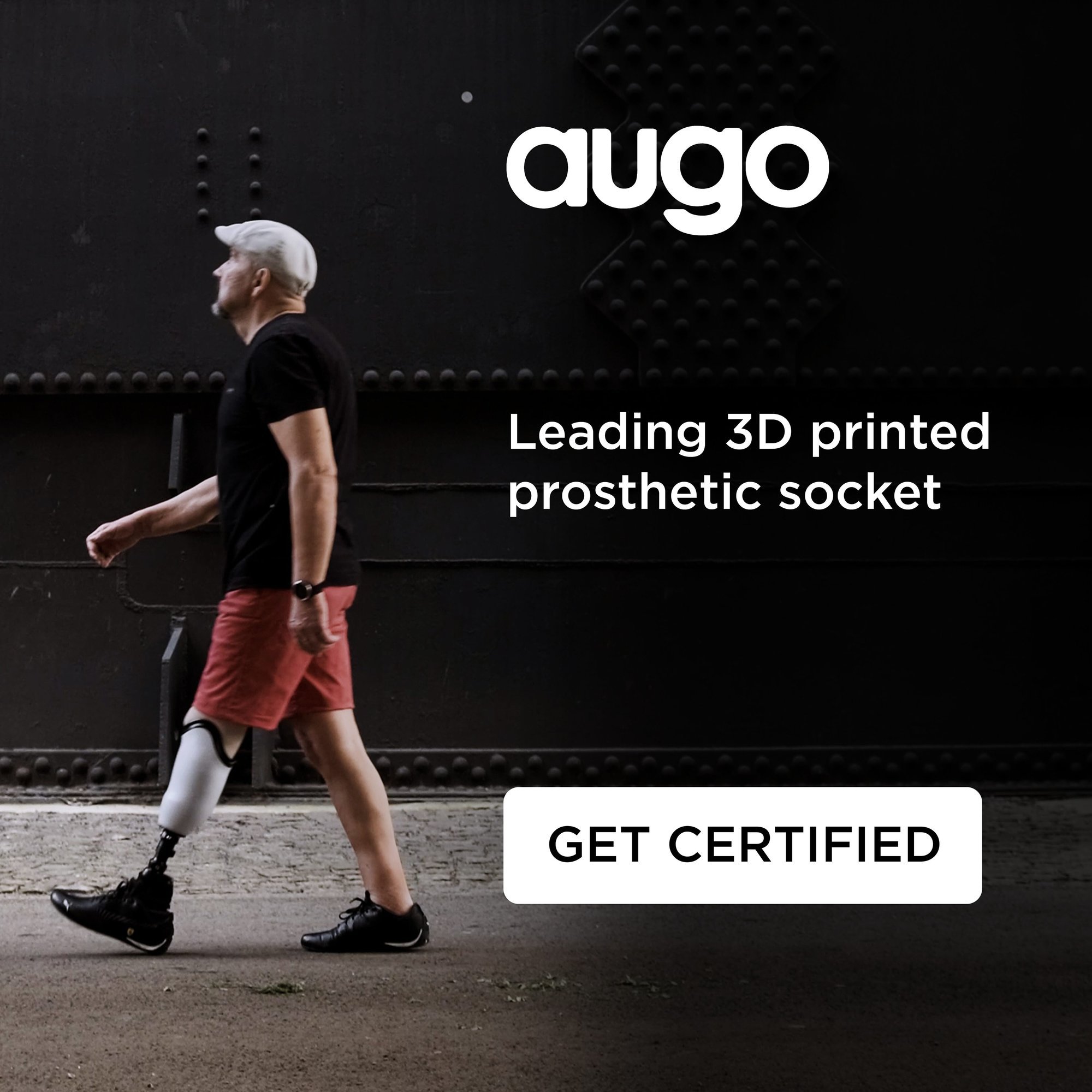
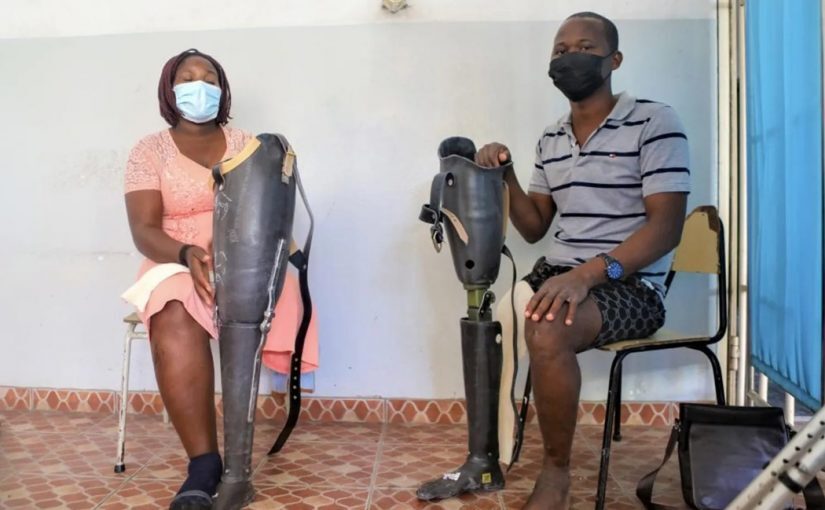
These barriers include public buildings without universal design, transportation systems that do not support mobility, workplaces that lack adaptive technologies and prosthetics that remain out of reach due to high costs or long waiting periods. The United Nations has long underlined that disability becomes disabling only when society fails to create an enabling environment.
India has made visible progress through initiatives such as the Accessible India Campaign, the Department of Empowerment of Persons with Disabilities, the Deendayal Divyangjan Rehabilitation Scheme, District Disability Rehabilitation Centres, ADIP, PM DAKSH and SIPDA. These programmes reflect a clear commitment to creating systems that prioritise inclusion.
However, as India advances towards the goal of becoming a developed nation by 2047, it must move from targeted interventions to a comprehensive national model that mainstreams accessibility across governance, urban planning, healthcare, education and industry.
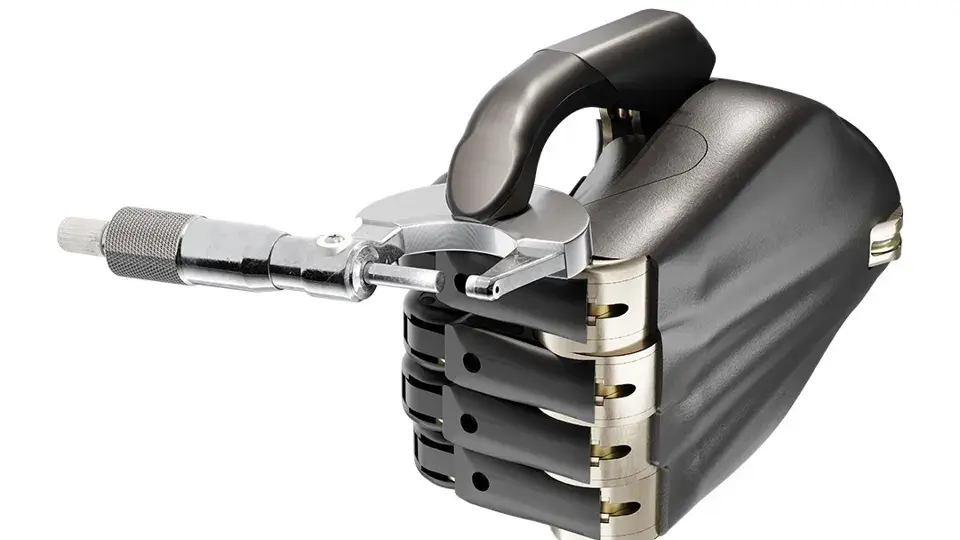
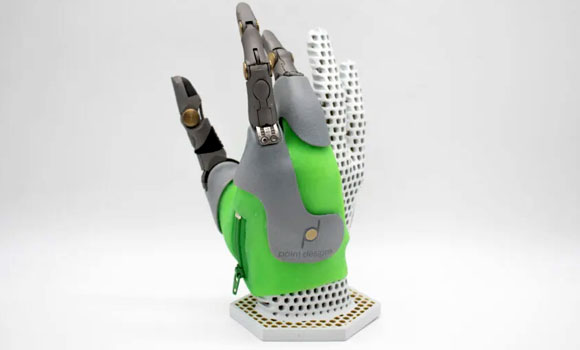
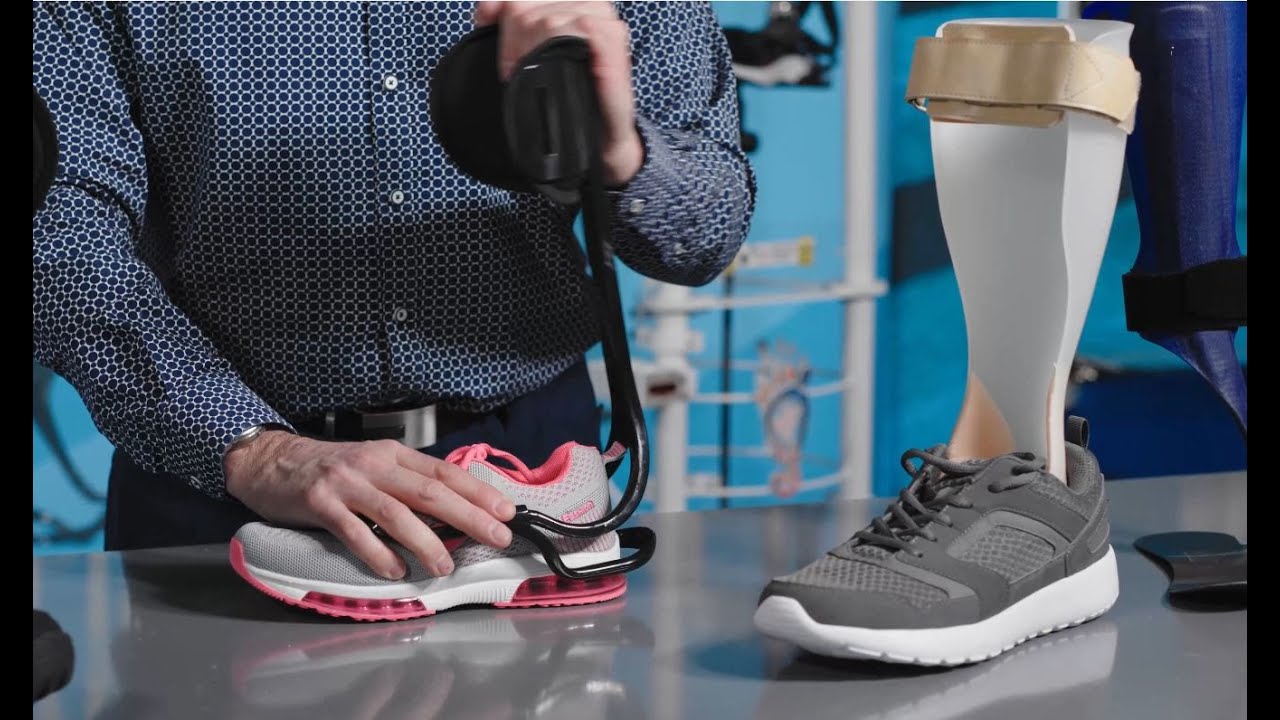
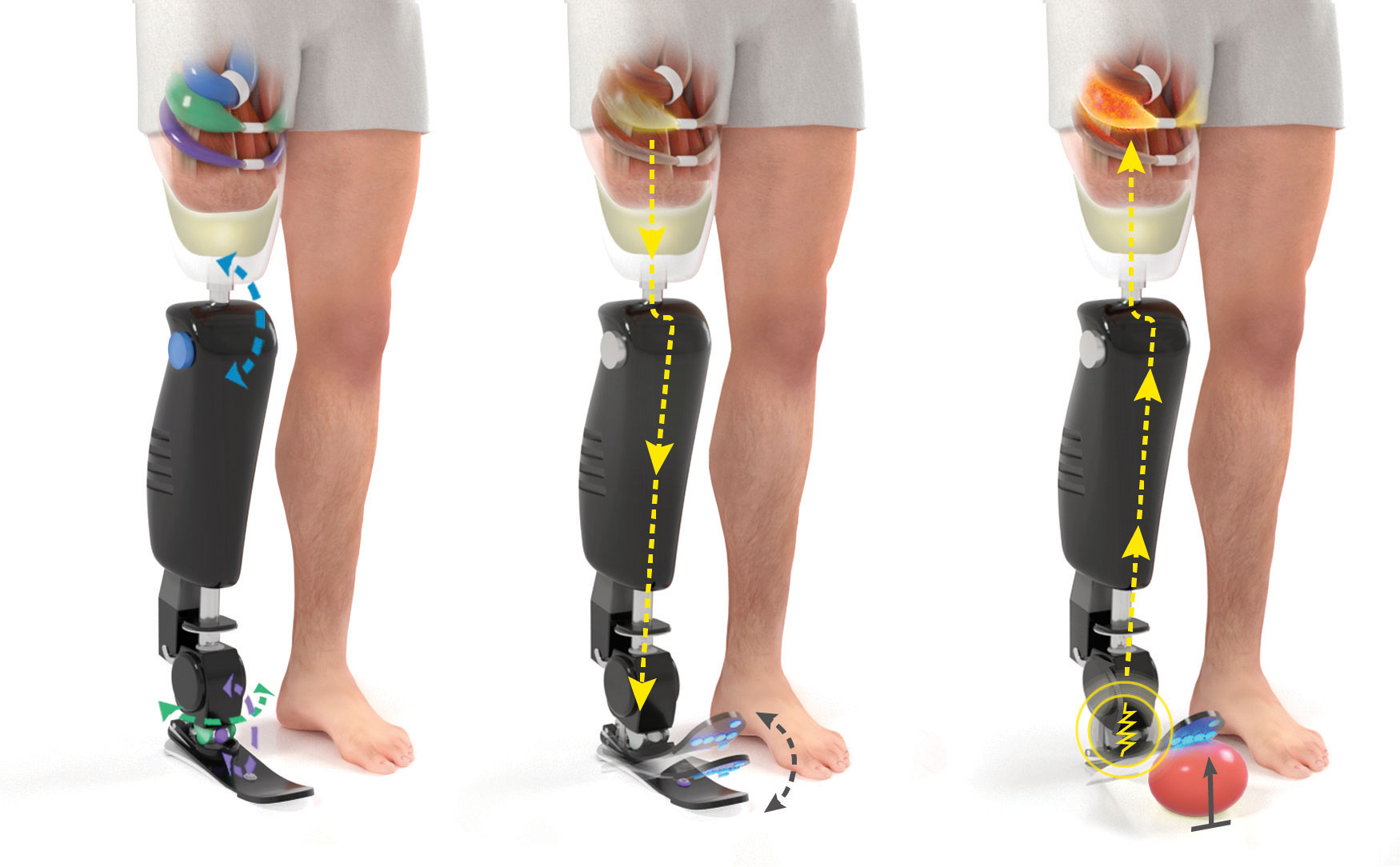
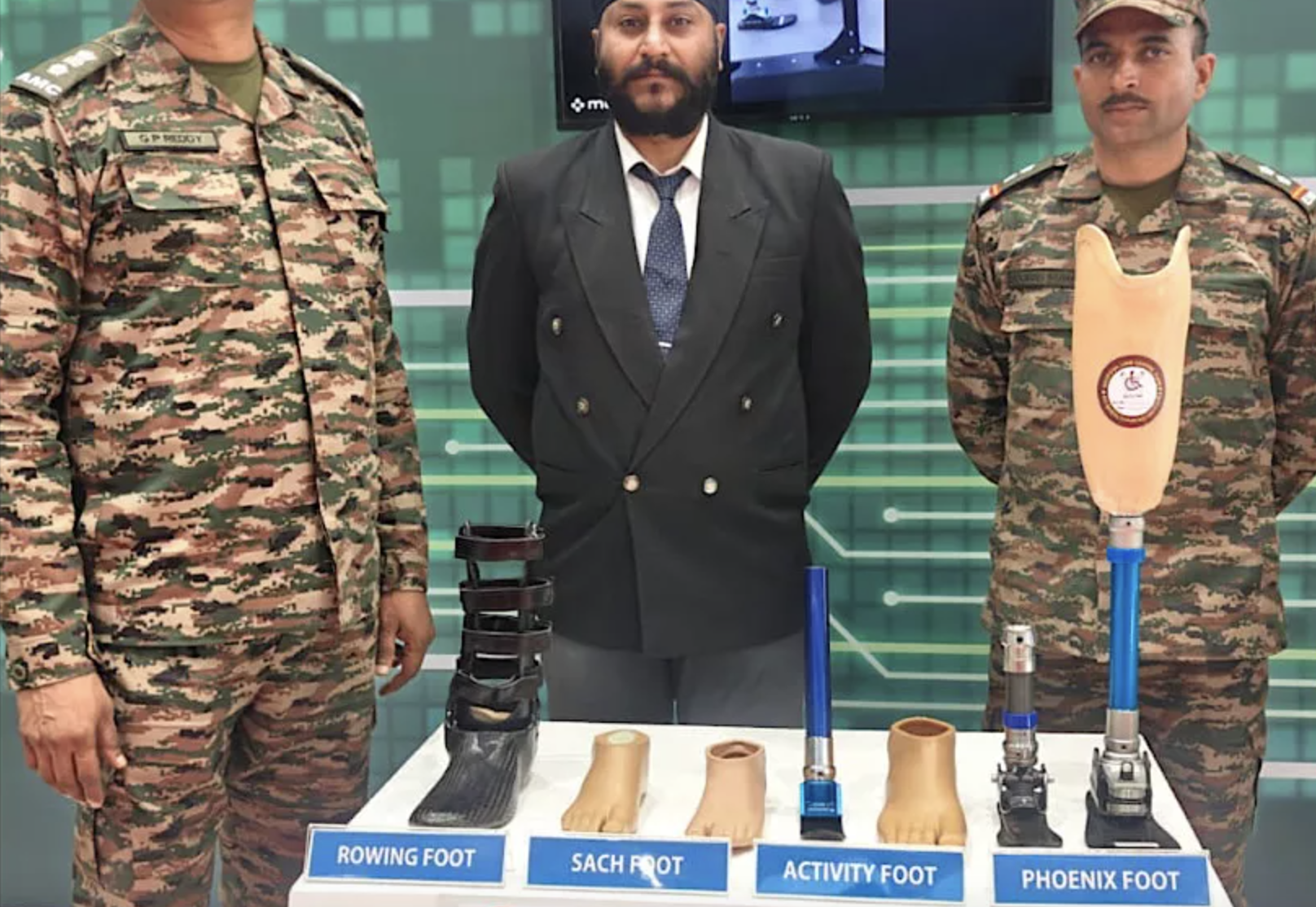
Across various innovation hubs in the country, a new generation of engineers, researchers and medical technologists is developing advanced prosthetics and assistive solutions. These innovations demonstrate that India has the intellectual and manufacturing capability to lead globally in assistive technology. Yet the sector remains underrepresented in national industrial priorities even though its social and economic impact is far-reaching.
Assistive devices may not have the same headline value as electric vehicles, AI platforms or drones, but they determine whether a student can continue education, whether a professional can return to work and whether a citizen can participate fully in the national economy.
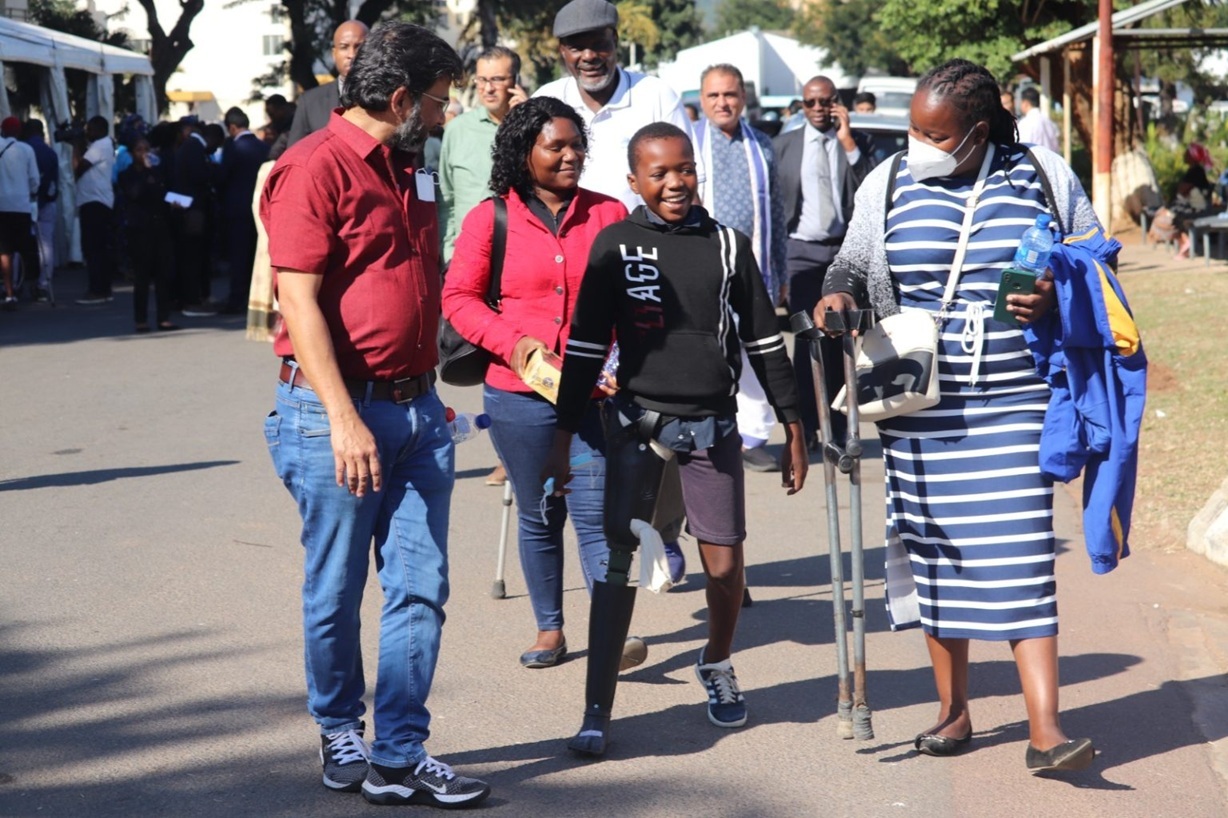
A nation that aspires to global leadership must recognise that advancing accessibility is not just a social imperative—it is a powerful driver of economic growth and shared progress. Prosthetics and assistive technologies are not optional enhancements. They are essential instruments of mobility, independence and dignity. They transform passive dependence into active contribution and allow millions to study, work, innovate and live with agency. They are as critical to national development as infrastructure, digital connectivity and healthcare.
As India is serious about achieving the Prime Minister’s vision of Viksit Bharat, it is time to move towards a unified and ambitious approach. India must consider creating a National Mission for Prosthetics and Assistive Technology that consolidates efforts, expands access, lowers costs, strengthens district-level infrastructure, builds domestic manufacturing leadership and positions the country as a major player in the global disability economy which is valued at more than thirteen trillion dollars.
Such a mission would not merely deliver social benefits but would generate measurable economic outcomes, including higher workforce participation, reduced long-term dependency and increased national productivity.
India already has a strong policy foundation, technological depth and entrepreneurial momentum. What is now required is the recognition that inclusion is a strategic national imperative. When accessibility improves, the labour force expands. When education becomes barrier-free, the national talent pool strengthens.
When mobility increases, economic participation rises. Inclusion creates measurable national strength, not symbolic progress A country that builds world-class infrastructure must also ensure world-class accessibility. A nation that invests in industry and innovation must also invest in the citizens who power that innovation.
India’s future will not be shaped by those who advance alone. It will be shaped by a nation that creates conditions for every citizen to move forward confidently and independently. That is the true measure of Viksit Bharat and the standard by which our progress must be judged.