 By
By
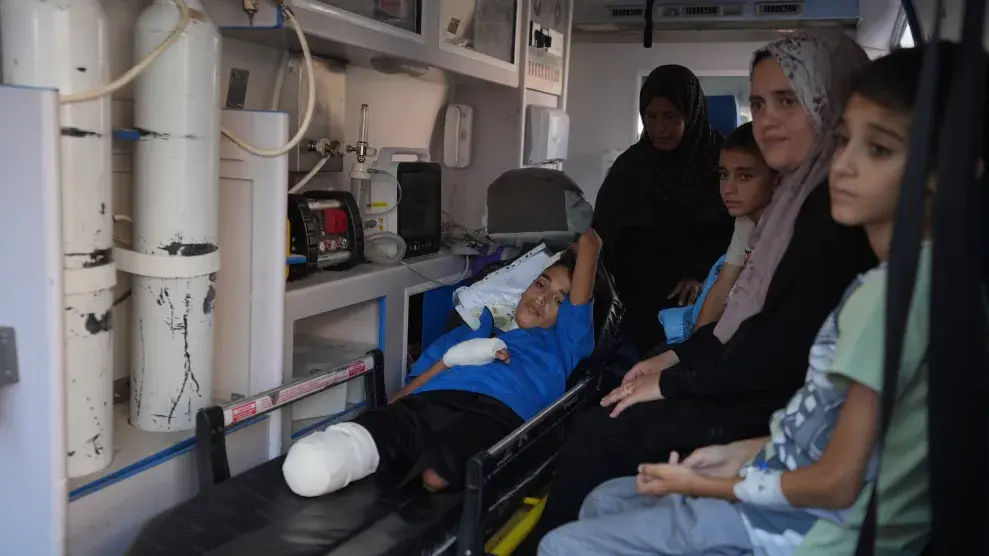
Gaza’s already severe amputee crisis is expected to worsen unless urgent access is restored to prosthetic materials, rehabilitation supplies, specialist clinical expertise, and safe patient mobility, according to warnings from Humanity & Inclusion and reporting by Al Jazeera. The concern is especially relevant for the prosthetics and orthotics sector, where long-term outcomes depend not only on emergency surgery, but on sustained rehabilitation, residual-limb care, prosthetic fitting, maintenance, and follow-up.
The World Health Organization estimated in October 2025 that nearly 42,000 people in Gaza had sustained life-changing injuries since October 2023, including more than 5,000 people who had undergone amputations. WHO also reported widespread severe trauma involving limbs, spinal cord injuries, brain injuries, and major burns, creating rehabilitation needs that will continue for years.
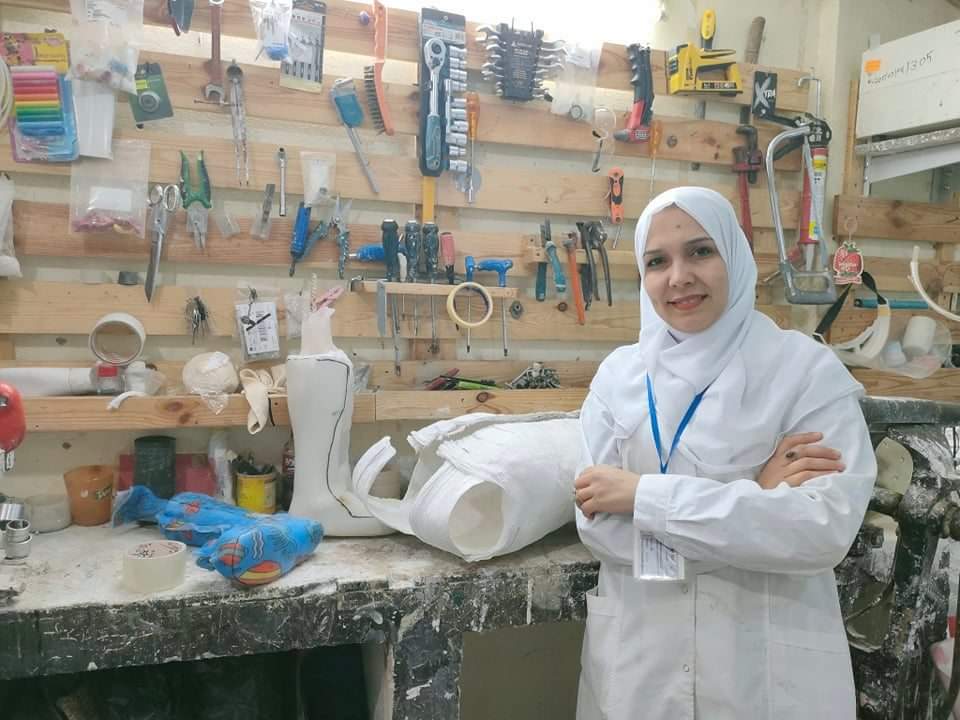
Humanity & Inclusion has warned that Gaza’s prosthetic care system is under extreme pressure. The organisation said that only nine prosthetists are currently active in Gaza, far below the level required to meet the needs of thousands of amputees. It also reported shortages of prosthetic parts, liners, raw materials, plaster of Paris, thermoplastics, and other essential fabrication supplies.
For O&P professionals, the situation highlights a critical reality: prosthetic limbs cannot simply be shipped as finished products and distributed at scale. Each device requires individual assessment, casting or scanning, socket fabrication, alignment, fitting, gait training, repair, and regular review. For children, the challenge is even greater, as growth means prostheses must be adjusted and replaced regularly.
Humanity & Inclusion said it has been prevented from bringing humanitarian supplies, including prosthetic materials, into Gaza since February 2025. It also stated that all aid materials remain subject to approval by Israeli authorities, making the entry of supplies unpredictable. This has left local teams attempting to provide care with limited resources while demand continues to grow.
The pressure on Gaza’s rehabilitation system is compounded by continuing injuries despite the October 2025 ceasefire. Al Jazeera reported UN estimates that more than 700 Palestinians had been killed and another 2,000 injured since October 2025, citing data from the Palestinian Ministry of Health.
Reuters has also reported that shortages of prosthetic supplies have forced centres in Gaza to reuse components and improvise solutions, while restrictions on materials such as plaster of Paris have disrupted local prosthetic production. Such shortages can lead to poor socket fit, skin breakdown, infection risk, pain, reduced mobility, and long-term disability.
For the international O&P and rehabilitation community, Gaza represents one of the most urgent examples of conflict-related disability care in the world today. The immediate need is for safe access to materials, equipment, trained personnel, medical evacuation pathways where necessary, and long-term rehabilitation planning. Without these elements, many amputees will remain without functional mobility, independence, or the clinical follow-up required to prevent further complications.
Why This Matters for IMEA CPO Readers
This crisis is not only a humanitarian emergency. It is also a major rehabilitation systems challenge. Gaza urgently needs:
- Prosthetic components, liners, casting and socket fabrication materials
- Orthotic and mobility support for complex trauma cases
- Training and support for local prosthetists and rehabilitation teams
- Safe routes for patient assessment, fitting, and follow-up
- Long-term paediatric prosthetic care pathways
- International coordination between NGOs, clinical teams, donors, and rehabilitation providers
For clinicians, technicians, educators, manufacturers, and humanitarian organisations across the IMEA region, Gaza is a reminder that prosthetic care is not a single device intervention. It is a long-term clinical service requiring materials, infrastructure, skills, and continuity.