 By
By
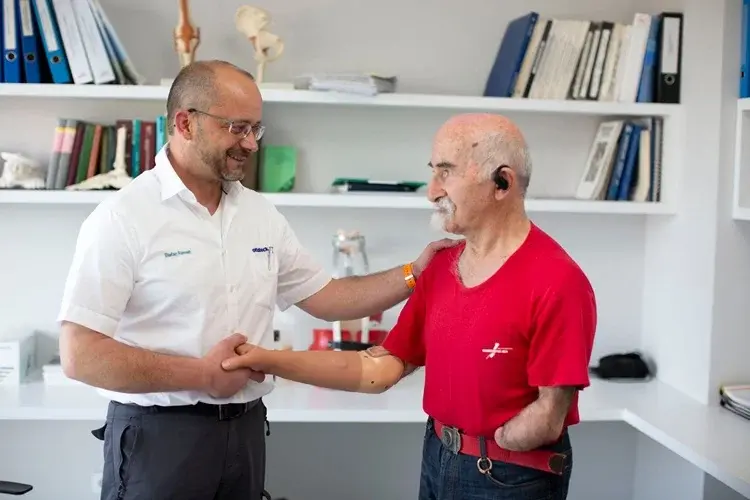
Georgia’s orthotics and prosthetics (O&P) ecosystem is anchored by a handful of established rehabilitation and O&P centres—with services concentrated around Tbilisi and expanding through regional networks. Demand is shaped by a mix of non-communicable disease (NCD) burden (notably diabetes and cardiovascular disease), neurological disability (including stroke), trauma-related mobility impairment, and an ongoing national focus on improving assistive technology (AT) access. International partners have also played a historic role in strengthening physical rehabilitation capacity, while recent initiatives highlight the need to scale availability beyond major cities.
Prevalence & demand drivers (key statistics)
Diabetes
Diabetes is a major driver of lower-limb risk, offloading needs, protective footwear, and—where complications progress—amputation-related prosthetic demand. IDF Europe’s country profile for Georgia (2021) estimates:
- 6.8% adult prevalence (20–79)
- ~190,600 adults living with diabetes
Stroke & cardiovascular disease
Stroke and cardiovascular disease are significant contributors to long-term disability in Georgia, reinforcing demand for AFO/KAFO provision, upper-limb supports, gait rehabilitation, and long-term follow-up. Global stroke burden analysis (IHME/GBD and WHO estimates compiled via Our World in Data) highlights stroke as a major cause of mortality and disability globally, with country-level tracking available for Georgia.
Persons with disabilities
Georgia’s disability statistics (using census/self-reported functional limitations methodologies) indicate a substantial population requiring ongoing rehabilitation and assistive devices. A UN Women Georgia analysis cites 184,958 people with functional disabilities (~5.0% of the population) in 2014.
Amputations & mobility impairment (demand signal)
While consolidated amputee totals are not always publicly reported in one place, Georgia’s service footprint and the strong diabetes burden signal continued need for prosthetic limbs, orthoses, and maintenance/repair services, alongside physiotherapy and community reintegration support.
Georgia O&P system snapshot
Georgia’s O&P delivery can be described as provider-limited but capability-developing:
- A small number of centres provide prosthetic/orthotic fabrication and clinical services, largely concentrated in urban hubs. The ATscale partnership notes that only a limited number of officially registered assistive technology providers operate nationally, with constrained product range across AT categories (including prosthetics/orthotics).
- Major rehabilitation providers increasingly integrate orthoses, wheelchairs, and adapted seating solutions, supporting continuity of care for neuro, paediatric, and complex orthopaedic cases.
- Georgia has a long history of international support in physical rehabilitation (including prosthetics/orthotics), contributing to institutional maturity in core centres.
Top private / non-state O&P and rehabilitation providers in Georgia (country)
(Tbilisi-led, with varying degrees of fabrication vs. prescription + rehabilitation delivery)
1) GEFPOR / Ortho-Systems (Tbilisi)
A nationally recognised prosthetic-orthotic provider offering prosthetics and orthotics services, widely referenced as a leading centre in the country.
2) Ken Walker Rehabilitation Clinic (Tbilisi)
A multidisciplinary rehabilitation provider with an “Accessibility Lab” that includes selection, manufacture, adjustment and training of orthoses for arms and feet, plus wheelchair and adapted furniture services—supporting paediatric and adult rehabilitation pathways.
3) PROclinic-Tbilisi (Orthotics/Prosthetics service listing)
Listed locally as delivering orthotics, prosthetics and scoliosis corsetry services (useful as a pathway for bracing and rehabilitation-linked provision).
4) McLain Association for Children (MAC Georgia) – multi-city clinic network (private/NGO delivery model)
Shown in international programme listings as operating clinics across multiple Georgian cities (including Tbilisi, Batumi, Kutaisi, Telavi, Zugdidi, Akhaltsikhe), indicating regional reach for assistive services and rehabilitation-linked support.
Key challenges
- Limited provider density & geographic access: services are often urban-centred; regional follow-up and repair capacity can lag need.
- NCD-driven rehabilitation load: diabetes + CVD/stroke increase long-term orthotic and mobility support demand.
- AT range constraints: availability of components, devices, and specialist fitting pathways remains a scaling challenge across AT categories.
Growth opportunities (what comes next)
- Diabetic foot & limb-loss prevention pathways: expand screening and early offloading/footwear access, strengthening referral links into orthotics services.
- Regional outreach + repair networks: satellite fitting/servicing points linked to leading centres to reduce downtime and improve continuity.
- Digital workflow adoption (scan → design → fabricate): shorten turnaround times and improve traceability, particularly for high-volume orthoses.
- Workforce development: expand training pathways for prosthetist/orthotist capacity aligned with population need.
IMEA CPO outlook
Georgia’s O&P sector is best viewed as high-need, provider-constrained, and steadily modernising. With diabetes prevalence already significant and stroke/CVD disability burdens sustained, the strongest national gains will come from scaling prevention (especially diabetic foot), expanding regional access and maintenance, and strengthening multidisciplinary rehabilitation pathways that keep patients in follow-up long after initial device delivery.