 By
By
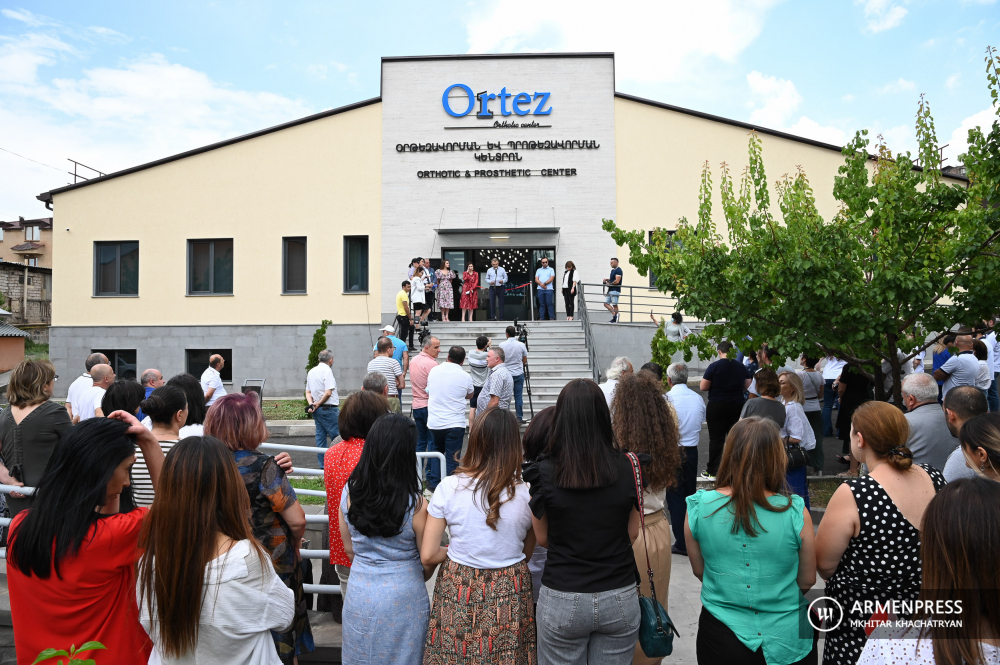
Armenia’s orthotics and prosthetics (O&P) sector is shaped by a combination of conflict-related injuries, non-communicable disease (NCD) growth, and a healthcare system working to enhance rehabilitation quality, access, and patient choice. In recent years, Armenia has implemented targeted reforms to improve the provision of prosthetic and orthopaedic devices, particularly for individuals with limb loss resulting from military hostilities, trauma, and chronic disease.
Government-endorsed programmes have focused on aligning prosthetic appliances with international standards, strengthening multidisciplinary evaluation pathways, and improving access to rehabilitation services across the country.
Prevalence & demand drivers (key statistics)
Diabetes
Diabetes is an increasingly important contributor to Armenia’s rehabilitation needs, particularly through:
- Elevated risk of diabetic foot ulcers
- Greater likelihood of lower-limb amputation
- Long-term need for protective footwear and custom orthoses
International Diabetes Federation estimates indicate that Armenia’s diabetes prevalence continues to rise, mirroring broader Eastern Europe and Central Asia trends. As longevity increases and lifestyle-related risk factors grow, diabetes-related mobility complications are expected to place greater pressure on prosthetic and orthotic services.
Stroke & cardiovascular disease
Stroke and cardiovascular diseases remain among the leading causes of mortality and disability in Armenia. These conditions generate sustained clinical demand for:
- Ankle-foot orthoses (AFOs)
- Knee-ankle-foot orthoses (KAFOs)
- Mobility aids and gait rehabilitation
- Long-term neurorehabilitation support
Regional epidemiological studies consistently identify cardiovascular disease as a dominant component of Armenia’s disease burden, reinforcing the importance of integrated rehabilitation pathways linking acute care, orthotic intervention, and physiotherapy.
Persons with disabilities
Armenia maintains a nationally registered population of persons with disabilities, including individuals affected by:
- Congenital conditions
- Neurological impairment
- Trauma and injury
- Conflict-related disability
While prevalence estimates vary depending on methodology, disability remains a central driver of demand for prosthetic limbs, orthotic bracing, assistive devices, and long-term follow-up services.
Amputations & mobility impairment
Armenia’s amputee population reflects multiple causes:
- Conflict-related limb loss
- Trauma (including road traffic injuries)
- Diabetes and vascular disease
Although Armenia does not publish a single consolidated national amputee total, government prosthetic programmes and veteran rehabilitation initiatives demonstrate substantial and ongoing service utilisation.
Armenia O&P system snapshot
Armenia’s prosthetic and orthotic service framework has undergone important reforms, particularly following recent conflicts.
Key structural features include:
- State-funded prosthetic provision programmes
- Introduction of a specialised prosthetics procedure for individuals injured during hostilities
- Emphasis on devices manufactured according to international technical standards
- Multidisciplinary assessment model involving medical and rehabilitation professionals
- Beneficiary choice of certified providers
The national approach increasingly recognises that successful prosthetic outcomes depend not only on device delivery but also on:
- Functional rehabilitation
- Physiotherapy
- Psychological support
- Ongoing adjustments and repairs
Top orthotic & prosthetic service providers in Armenia
1) Government-Supported Prosthetic & Orthopaedic Services
Armenia’s state programmes form the backbone of prosthetic provision, particularly for:
- Veterans and conflict-injured individuals
- Citizens with certified disability status
These pathways emphasise clinical evaluation, technical standards, and structured funding mechanisms.
2) Specialist Rehabilitation & Trauma Centres
Major hospitals and rehabilitation facilities in Yerevan and regional cities support:
- Prosthetic fitting and follow-up
- Orthotic prescription
- Post-operative rehabilitation
- Stroke and neurological rehabilitation
3) Private Orthopaedic & Prosthetic Clinics
Armenia’s private sector contributes to:
- Custom prosthetic devices
- Orthotic bracing
- Advanced component solutions
- Faster access for self-funded patients
Key challenges
- Rising NCD burden, particularly diabetes and cardiovascular disease
- Long-term rehabilitation needs among conflict-injured populations
- Variability in regional access and follow-up continuity
- Financial pressures related to advanced prosthetic technologies
- Need for expanded repair and maintenance infrastructure
Growth opportunities (what comes next)
• Diabetic foot & limb-loss prevention
Strengthening screening, early intervention, and orthotic offloading to reduce avoidable amputations.
• Technology modernisation
Adoption of digital workflows (3D scanning, CAD/CAM, advanced materials) to improve fit, comfort, and consistency.
• Workforce development
Investment in prosthetist/orthotist training and continuing education to support advanced clinical care.
• Regional service expansion
Satellite clinics and outreach fitting/repair services to improve equity outside Yerevan.
• Integrated rehabilitation pathways
Closer alignment between acute care → prosthetics/orthotics → physiotherapy → long-term follow-up.
IMEA CPO outlook
Armenia’s O&P sector is transitioning from a reactive, injury-driven model toward a more structured, standards-based rehabilitation framework. Conflict legacy needs, combined with rising diabetes and stroke prevalence, will continue to drive demand for high-quality prosthetic and orthotic solutions.
Future system gains will depend on:
- Prevention strategies (especially diabetic foot)
- Technology adoption
- Workforce capacity
- Follow-up and maintenance infrastructure
- National outcomes measurement
Armenia’s policy evolution and rehabilitation investments position the country as an emerging example of system modernisation within the Eurasian O&P landscape.