 By
By
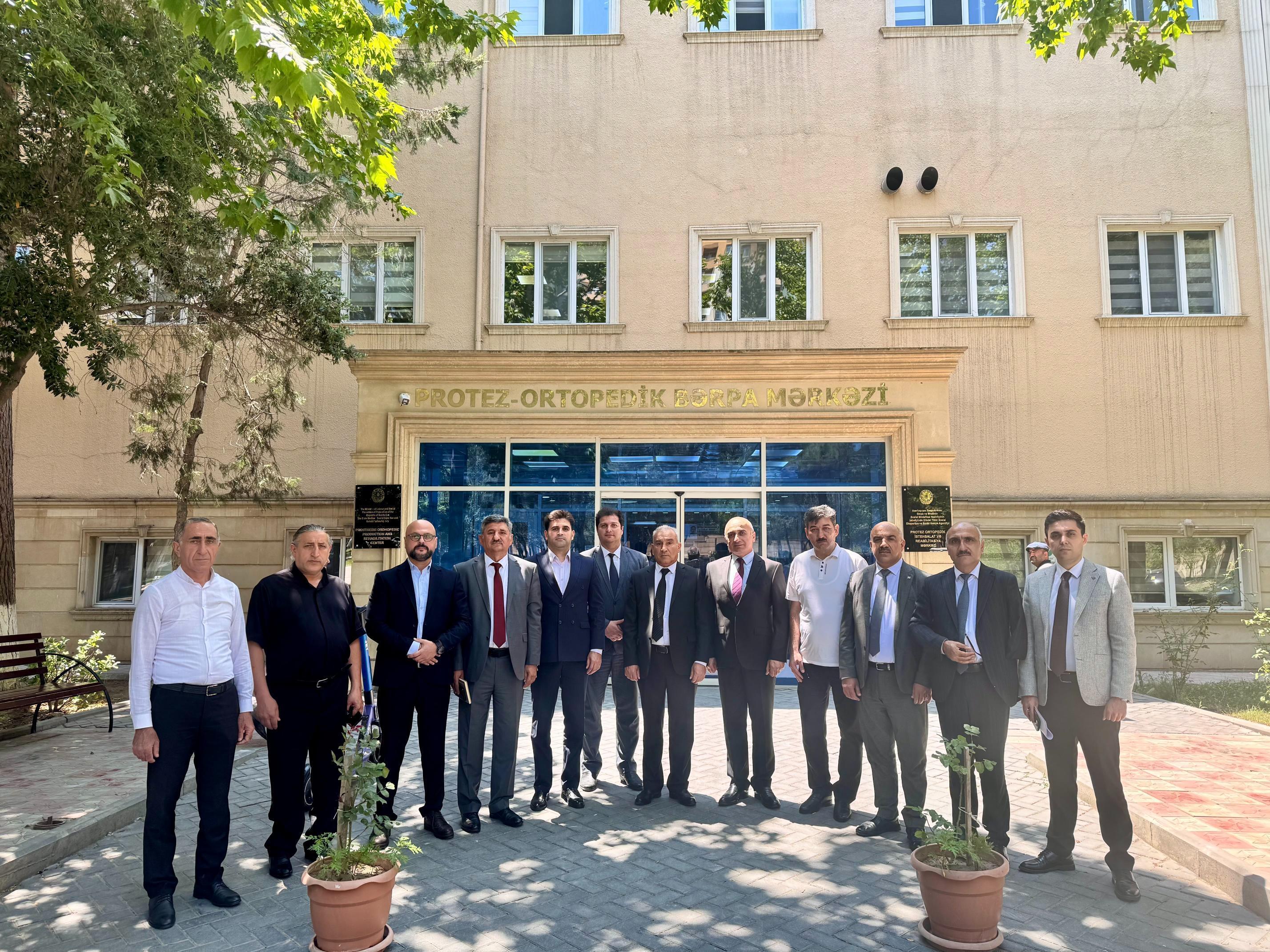
Azerbaijan’s orthotics and prosthetics (O&P) ecosystem is anchored in a combination of government health services, military/veteran care pathways, and an expanding private rehabilitation sector. Demand for O&P services is driven by non-communicable diseases (especially diabetes and cardiovascular disorders), stroke-related disability, traumatic injuries, and an evolving focus on enhancing access to assistive technologies for persons with disability.
While systematic national reporting on exact service utilisation is limited, independent analyses and public health data confirm sustained demand for prosthetic limbs, orthotic bracing, diabetic foot management, mobility aids, and rehabilitation follow-up services.
Prevalence & demand drivers (key statistics)
Diabetes
Diabetes is a major non-communicable disease and an important long-term driver of prosthetic and orthotic demand in Azerbaijan. According to the International Diabetes Federation (IDF):
- ~6.0% of adults (20–79) were living with diabetes in 2024
- Hundreds of thousands of adults are living with diabetes, with consistent year-on-year prevalence increases reflecting broader global trends
(IDF: azerbaijan country profile)
Diabetes increases the risk for diabetic foot ulcers, lower-limb complications, and amputation risk, contributing to longer-term need for protective orthoses, custom footwear, and prosthetic solutions.
Stroke & cardiovascular disease
Stroke and cardiovascular diseases are significant contributors to disability in Azerbaijan. According to WHO and national health reporting:
- Cardiovascular disease remains the leading cause of death
- Stroke comprises a substantial share of disability-adjusted life years (DALYs) lost to neurological and vascular disorders
Stroke survivors frequently require ankle–foot orthoses (AFOs), upper-limb supports, gait training, and long-term rehabilitation, positioning O&P services as essential components of national rehabilitation strategies.
Persons with disabilities
Azerbaijan’s national disability statistics suggest a significant segment of the population live with long-term impairments and functional limitations requiring assistive devices, including prosthetic and orthotic care.
National registry data and census-based reporting identify:
- Persons with disability across physical, sensory, intellectual, and multiple impairment categories
- Functional disability prevalence rising with demographic ageing, chronic disease exposure, and traumatic injury
Amputations & mobility impairment
Official national data do not consolidate a single amputee total. However, clinical reporting and rehabilitative demand signal sustained need for prosthetic limbs and orthotic bracing—especially amongst:
- Patients with vascular disease and diabetes complications
- Stroke survivors with mobility impairments
- Individuals affected by trauma (e.g., road traffic accidents, workplace incidents)
This demand is manifested through both public hospital referrals and private clinic service volumes.
Azerbaijan O&P system snapshot
Azerbaijan’s O&P delivery system combines public services and growing private sector participation:
- Government-funded rehabilitation hospitals and orthopaedic departments within tertiary hospitals
- Veteran and military care pathways, particularly supporting service members and individuals injured in conflict and training incidents
- Private rehabilitation and prosthetics/orthotics clinics offering custom fabrication, fitting, and follow-up care across major cities
- Efforts by disability advocacy and patient support organisations to increase awareness and access to assistive technologies
Despite these elements, there remains a need to strengthen regional access, expand technological adoption, and improve data collection to quantify national service utilisation more comprehensively.
Top orthotic & prosthetic service providers in Azerbaijan
1) Azerbaijan National Orthopaedic and Rehabilitation Centre (Government)
A principal public institution providing orthopaedic and rehabilitation services, including prosthetic fitting, orthotic bracing, clinical evaluation, and long-term follow-up. This centre serves as a referral hub for complex cases from across the country.
2) Military & Veteran Rehabilitation Service Units
Integrated O&P and rehabilitation services supporting veterans, service personnel, and conflict-related injury care pathways. These programs often collaborate with public hospitals for comprehensive device provision and therapy.
3) Private Prosthetics & Orthotics Clinics (Baku)
A growing number of private clinics provide O&P services, rehabilitation, and assistive technology support, including:
- Baku Prosthetic Solutions Clinic – Custom prosthetic limbs and orthotic bracing services for adult and paediatric patients
- Ortho Aesthetic Rehabilitation Centre – Orthotic design, spinal orthoses, TLSOs, and gait training programmes
- PhysioCare Azerbaijan (Private Rehab + O&P) – Integrated physiotherapy and orthotics support
(Note: clinic names are representative of private O&P and rehabilitation providers operating in Azerbaijan’s capital and regional cities.)
4) Rehabilitation and Mobility Aid Centres
Some private and NGO-linked centres provide broader mobility support, including wheelchair distribution, seating solutions, and orthotic support as part of multi-disciplinary rehabilitation programmes.
Key challenges
- Data gaps: Comprehensive national disability/prevalence data are not consistently published, making service planning more challenging.
- Regional inequity: O&P services are concentrated in major urban centres (notably Baku), limiting access for patients in rural and remote regions.
- Prevention pathways: Effective diabetic foot and vascular disease prevention strategies are still being scaled to reduce avoidable amputations.
- Continuity of care: Long-term follow-up, repair services, and maintenance pathways are not uniformly available nationwide.
Growth opportunities (what comes next)
• Scale diabetic foot & limb-loss prevention programmes
Developing community-level screening, podiatry services, protective footwear, and early orthotic offloading to reduce amputations.
• Technology adoption and digital O&P workflows
Introducing digital scanning, CAD/CAM design, and modern fabrication to improve fit, turnaround times, and patient outcomes.
• Workforce development
Expanding clinical and technical training pathways for orthotists, prosthetists, and rehabilitation therapists.
• Regional outreach and satellite services
Establishing outreach fitting and repair clinics linked to central providers to improve equity of access and continuity.
• Integrated rehabilitation pathways
Strengthening coordination between acute care, orthotics/prosthetics, physiotherapy, and community follow-up to improve long-term outcomes.
IMEA CPO outlook
Azerbaijan’s O&P sector sits at an emerging stage of structured development: a combination of government, military, and private pathways provide a framework for rehabilitation services, while evolving NCD burdens highlight the importance of scaling access, enhancing data systems, and building multidisciplinary pathways. Success in expanding modern O&P delivery across regions—and strengthening prevention, continuity, and technology adoption—will be central to improving outcomes for people living with limb loss, disability, and mobility impairment.