 By
By
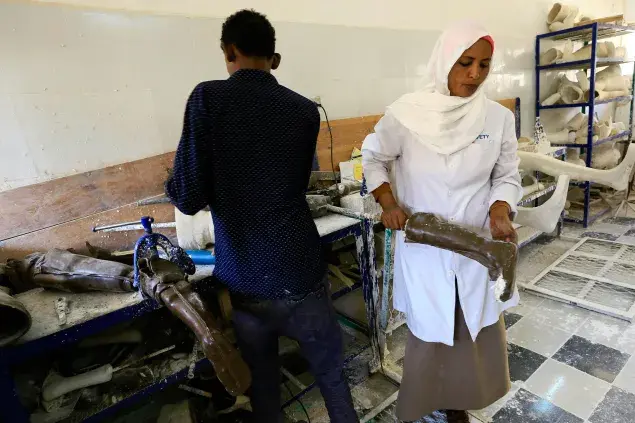
Sudan faces a high and rapidly growing demand for prosthetic and orthotic (O&P) services, driven by conflict-related injuries, road traffic accidents, diabetes, and limited access to early rehabilitation.
Since the escalation of conflict in April 2023, the rehabilitation sector has been severely disrupted, with facilities damaged, professionals displaced, and supply chains for materials significantly constrained.
Even prior to the conflict, O&P services were:
- Concentrated in major urban areas (primarily Khartoum)
- Fragmented and under-resourced
- Heavily reliant on humanitarian support
O&P Service Providers
Government & National Network
- National Authority for Prosthetics and Orthotics (NAPO)
- The central government body responsible for O&P services
- Operates a national network of rehabilitation centres
- Historically supported by international partners
- National Prosthetics & Orthotics Centre (Khartoum)
- Main referral centre (currently impacted by conflict and access issues)
Regional Rehabilitation Centres (NAPO + ICRC supported)
Supported heavily by the International Committee of the Red Cross, which has worked with NAPO for over 25 years:
- Khartoum (National referral centre)
- Nyala (Darfur region)
- El Obeid (North Kordofan)
- Kassala
- Gadaref
- Dongola
- Kadugli
- Damazine
These centres:
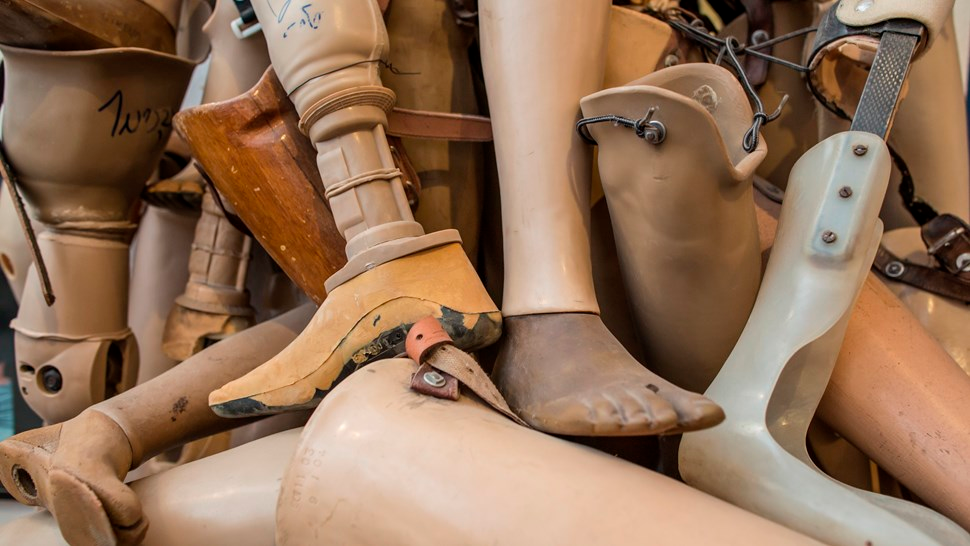
- Provide prostheses, orthoses, and mobility aids
- Use low-cost, durable componentry (e.g. SACH feet, basic joints)
- Serve large catchment areas, often including conflict-affected populations
- Typically operate at limited monthly capacity (~50–100 patients per centre)
NGOs & Humanitarian Providers
- Sudanese Red Crescent
- Nationwide humanitarian network supporting disability services indirectly
- International NGOs (operational depending on security conditions):
- Humanity & Inclusion (HI)
- ICRC (primary technical O&P partner)
- Various UN-linked rehabilitation initiatives
- Emerging local assistive device initiatives providing:
- Custom prosthetics
- Orthotic devices
- Wheelchairs and mobility aids
Education & Training
Formal Education
Sudan does not have a well-established, dedicated prosthetics & orthotics degree ecosystem comparable to Egypt or Kenya.
However, related training pathways include:
- University of Medical Sciences and Technology (UMST)
- Offers medical, rehabilitation, and allied health programs
- Potential pipeline for rehabilitation professionals
- Training is often:
- Technician-level (Category II/III equivalent)
- Delivered via on-the-job training in NAPO centres
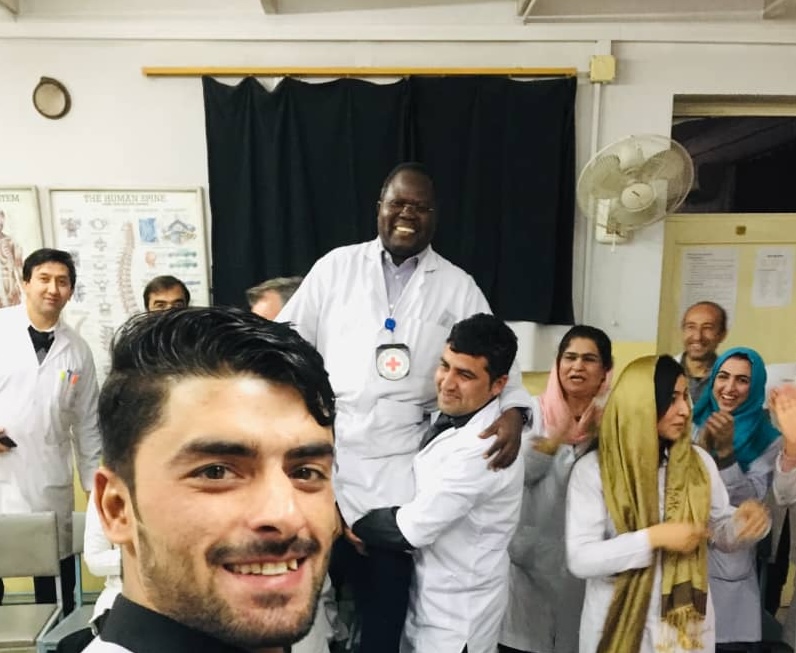
- Supported by ICRC capacity-building programmes
International & NGO Training
- ICRC provides:
- Technical training for prosthetic/orthotic technicians
- Continuous professional development within centres
- WHO has recently initiated rehabilitation workforce training in conflict settings
Key Challenges
- Limited number of fully qualified prosthetists/orthotists
- Brain drain due to conflict
- Lack of structured academic accreditation pathways
Reimbursement & Funding Landscape
Public Sector
- Sudan does not operate a comprehensive national reimbursement system for O&P
- Limited government funding through NAPO
- Services are often subsidised but not universally covered
Out-of-Pocket
- Historically, many patients paid partially or fully out-of-pocket
- Affordability remains a major barrier, particularly in rural areas
Humanitarian Funding (Primary Driver)
The majority of O&P services are funded through:
- ICRC
- UN agencies
- International NGOs
- Donor-funded rehabilitation programmes
These programmes typically provide:
- Free prosthetic and orthotic devices
- Free physiotherapy and follow-up
- Transport support in some cases (project-dependent)
Current Reality (Post-2023 Conflict)
- Severe disruption of supply chains and services
- Increased reliance on mobile clinics and emergency rehabilitation
- Acute shortages of:
- Materials (resins, plastics, components)
- Skilled workforce
- Functional facilities
Market Outlook & Opportunities
Despite the challenges, Sudan represents a high-impact humanitarian and development opportunity for O&P:
Key Drivers
- Large unmet need for prosthetic and orthotic services
- Rising number of trauma-related amputations
- Growing awareness of rehabilitation as an essential health service
Opportunities
- Deployment of digital workflows (3D scanning + printing) to overcome infrastructure gaps
- Establishment of regional manufacturing hubs (IMEA model)
- Partnerships with:
- NAPO
- ICRC / NGOs
- Gulf-based donors (KSrelief, QFFD, etc.)
- Development of training academies and hybrid technician–clinician pathways
Strategic Insight (IMEA Perspective)
Sudan is not a commercial-first market—it is a humanitarian + capacity-building market, where:
- Entry is driven by partnerships, not distribution alone
- Low-cost, scalable, repairable solutions are essential
- Long-term impact depends on local workforce development