 By
By
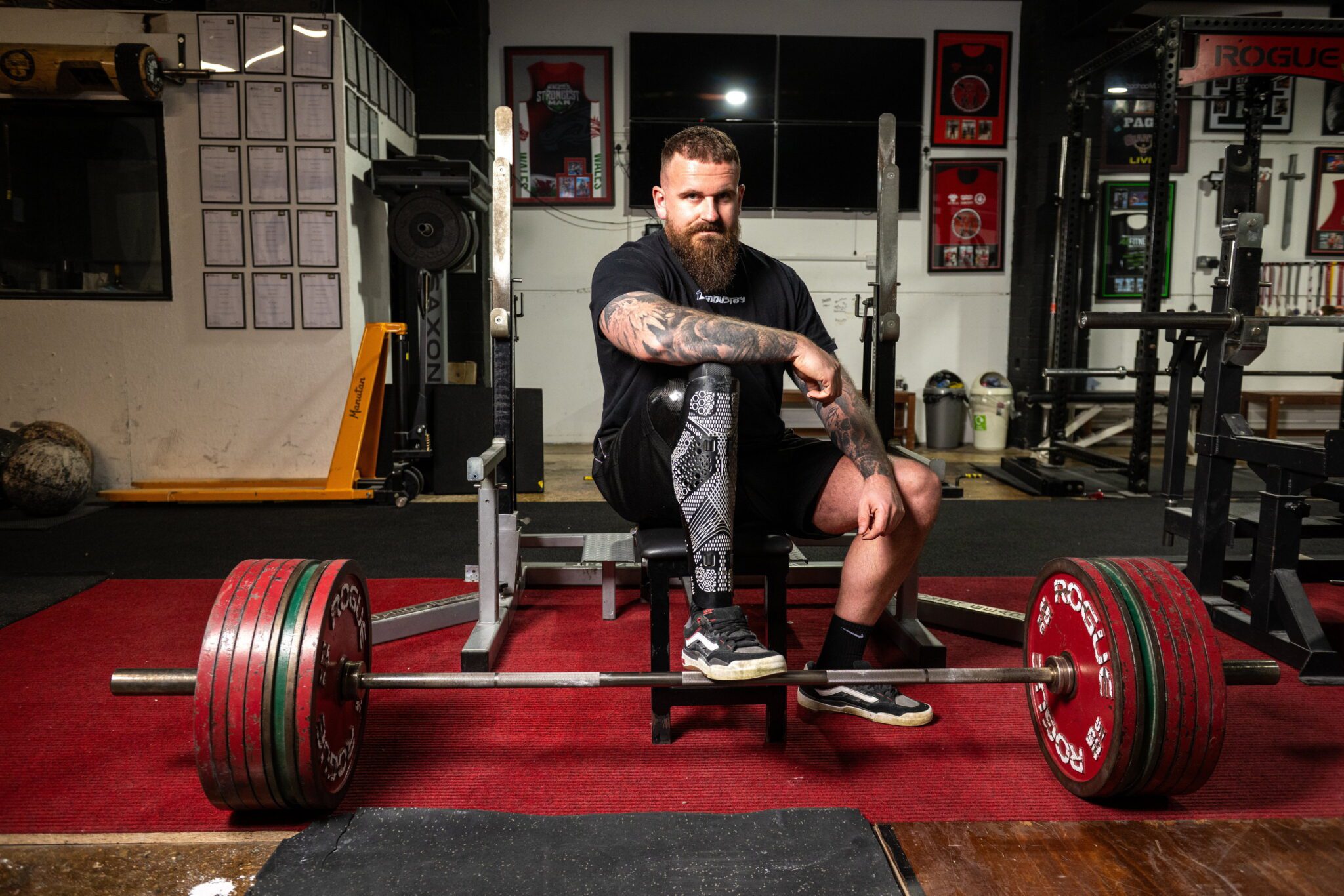
An amputee athlete has been recognised as the World’s Strongest Disabled Man, adding another powerful example to the growing visibility of adaptive strength sport and high-performance life after limb loss.
According to the SWNS report, the athlete’s achievement follows a journey from amputation to elite strength competition, showing how rehabilitation, training, resilience and adaptive sport can help redefine what is possible after major physical trauma.
For prosthetists, orthotists, rehabilitation teams and adaptive sport organisations, the story is important because it challenges the idea that rehabilitation ends when a patient can walk, transfer or return to basic daily activities. For some people with limb loss, rehabilitation becomes a pathway to sport, strength, identity, competition and public leadership.
Strongman competition is one of the most demanding strength sports. Athletes may face events such as loaded carries, deadlifts, presses, pulls, stones, drags and endurance-based strength challenges. In adaptive strongman, these events are modified across standing and seated divisions so that athletes with amputations, spinal cord injuries, neurological conditions and other disabilities can compete meaningfully and safely. The growth of organisations such as GB Disabled Strongman reflects the increasing structure around disabled strength sport, including events for both amateur and professional athletes.
The wider disabled strongman movement has already produced major public stories. The BBC reported that Matt “Panda” Smyth won the World’s Strongest Disabled Man title in 2024 after competing in events including shoulder press, sled drags and high-repetition deadlifts. The same report noted that Smyth had previously won England’s Strongest Disabled Man in 2023, showing a clear competitive pathway from national to world-level adaptive strength sport.
Other athletes have used the sport to redefine life after disability. Guinness World Records highlights Dave Walsh, a strongman and world record holder who transitioned into adaptive strongman after multiple sclerosis affected his mobility. Walsh has been crowned World’s Strongest Disabled Man and Britain’s Strongest Disabled Man twice, and set a Guinness World Record for the heaviest wheelchair vehicle pull by hauling a 9,360 kg truck for 17.5 metres.
For amputee athletes, the clinical and technical demands can be especially complex. Strength training places significant loads through the residual limb, socket interface, intact limb, spine, shoulders and hands. A prosthetic user involved in strength sport may need careful attention to socket fit, suspension, skin health, volume management, alignment, shock absorption, footwear, training load and recovery. Even when an athlete competes without a prosthesis in certain events, everyday mobility, warm-up, transfers, training access and long-term participation still depend on high-quality rehabilitation support.
The story also matters because it shows how athletic identity can support mental health and social reintegration after amputation. Many people with limb loss face a period of grief, frustration, reduced confidence or loss of role. Sport can give structure, measurable goals, peer community and a public sense of capability. In this context, strongman is not only about lifting weight. It is about rebuilding agency.
For CPOs, the key lesson is that patient goals should not be limited too early. Some patients want to walk comfortably. Others want to work, run, lift, climb, cycle, play football, return to farming, or compete. The role of the clinical team is to understand the goal and design a safe pathway toward it.
That pathway may include staged strengthening, prosthetic fitting reviews, sports-specific socket adjustments, residual-limb conditioning, gait and load analysis, skin monitoring, coaching collaboration and realistic education about risk. It may also involve working with gyms and adaptive sport communities so that patients are not left to navigate return-to-training alone.
Why This Matters for O&P and Rehabilitation Professionals
The rise of amputee and disabled strongman athletes highlights several important points for clinical practice:
- Rehabilitation should be linked to the patient’s own life goals, not only minimum mobility.
- Adaptive sport can support confidence, identity, social participation and long-term health.
- High-load sport requires careful prosthetic and orthotic review, especially around socket fit, skin protection and limb volume.
- Strength training can be a valuable part of rehabilitation when introduced safely and progressively.
- CPOs should work with physiotherapists, coaches and sports organisations to support return-to-activity pathways.
- Public achievements by disabled athletes help challenge stigma and change expectations after limb loss.
For the IMEA region, where many amputees still face limited access to structured rehabilitation and adaptive sport, stories like this can help widen the conversation. The goal should not be only to provide a prosthesis. The goal should be to help people rebuild participation, independence, strength and possibility.
- SWNS original article
- GB Disabled Strongman
- BBC report: Matt “Panda” Smyth becomes World’s Strongest Disabled Man
- Guinness World Records: Dave Walsh and the heaviest wheelchair vehicle pull
- ITV News: Dave Walsh crowned World’s Strongest Disabled Man for the second time
- World Health Organization rehabilitation overview
- International Paralympic Committee