 By
By
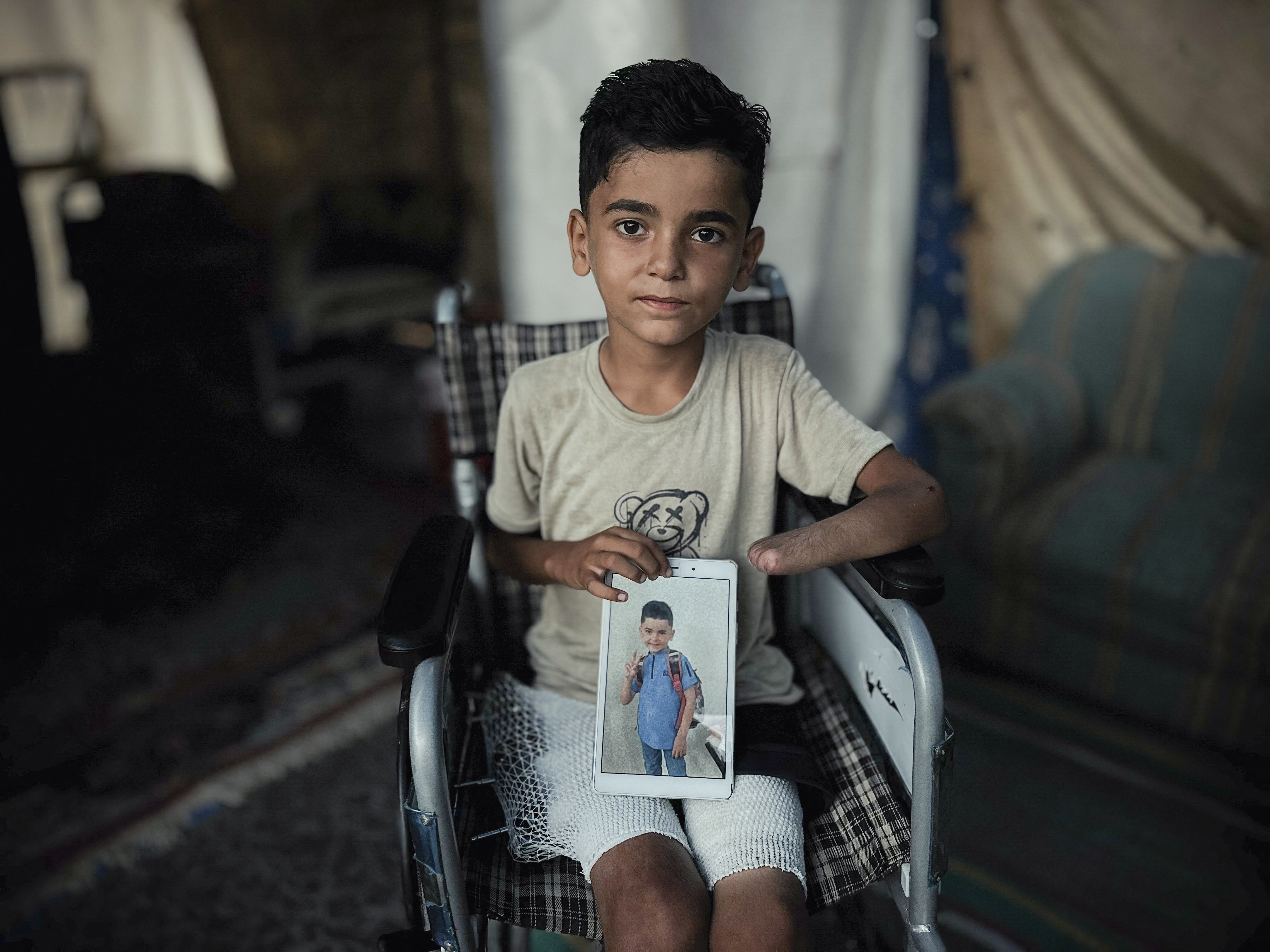
Access to specialised materials needed for the fabrication and fitting of prosthetic limbs at Sheikh Hamad bin Khalifa Al-Thani Hospital for Rehabilitation and Prosthetics — the territory’s primary facility serving amputees and people with disabilities — has been severely constrained due to Israeli restrictions on so-called “dual-use” items entering the Gaza Strip. Authorities in Israel have cited security concerns to justify blocking shipments of certain medical and assistive-technology components on the grounds that they could be repurposed for military use.
What “Dual-Use” Means in This Context
Under Israeli import controls on the Gaza blockade, a broad category of items — including many types of medical equipment and rehabilitation supplies — can be classified as dual-use if there is a perceived risk that parts or components might have civilian and military applications. Some advanced prosthetic components, including certain mechanical parts, fasteners, tools, or electronic elements, have reportedly been caught up in these restrictions, delaying or preventing their delivery to hospitals and clinics in the enclave.
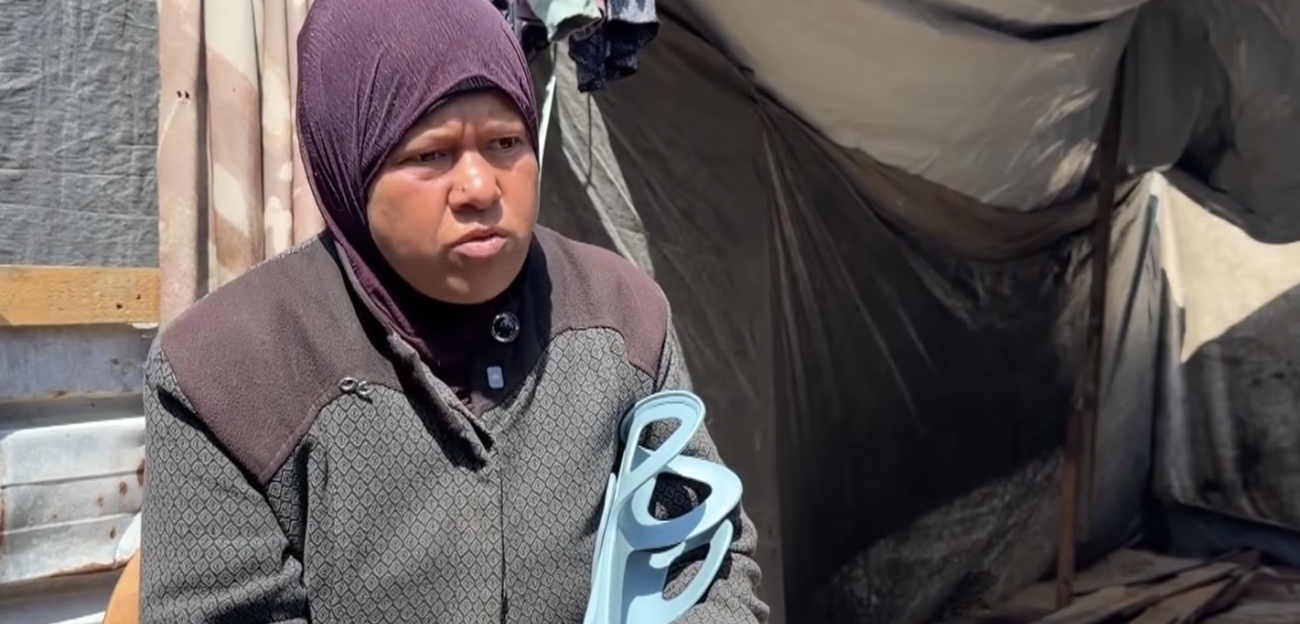
Official policy emphasises security imperatives, but critics and humanitarian agencies say the broad application of dual-use classifications has also impeded essential medical care and urgently needed rehabilitation services. Restricted items have included assistive equipment such as wheelchairs, walkers, crutches, and other aids alongside prosthetic materials — amplifying challenges for health facilities trying to serve a growing population of amputees and people with disabilities.
Impact on Hamad Hospital and Patients
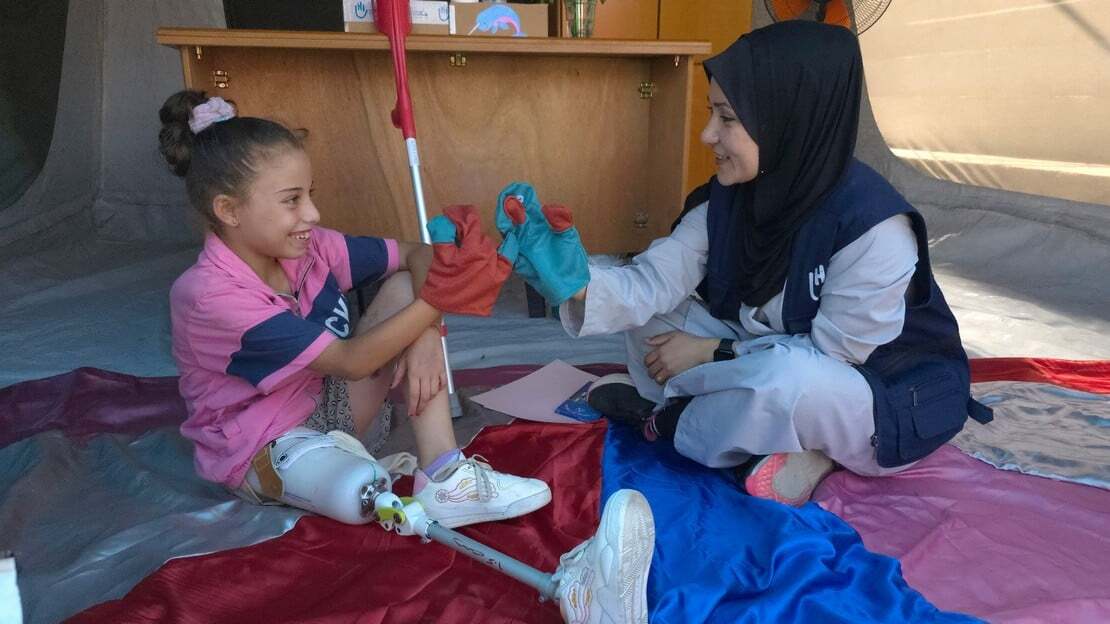
Sheikh Hamad Hospital is the only specialised rehabilitation and prosthetics centre in Gaza and was established to provide comprehensive services — including the design, manufacture, and fitting of artificial limbs and other mobility aids.
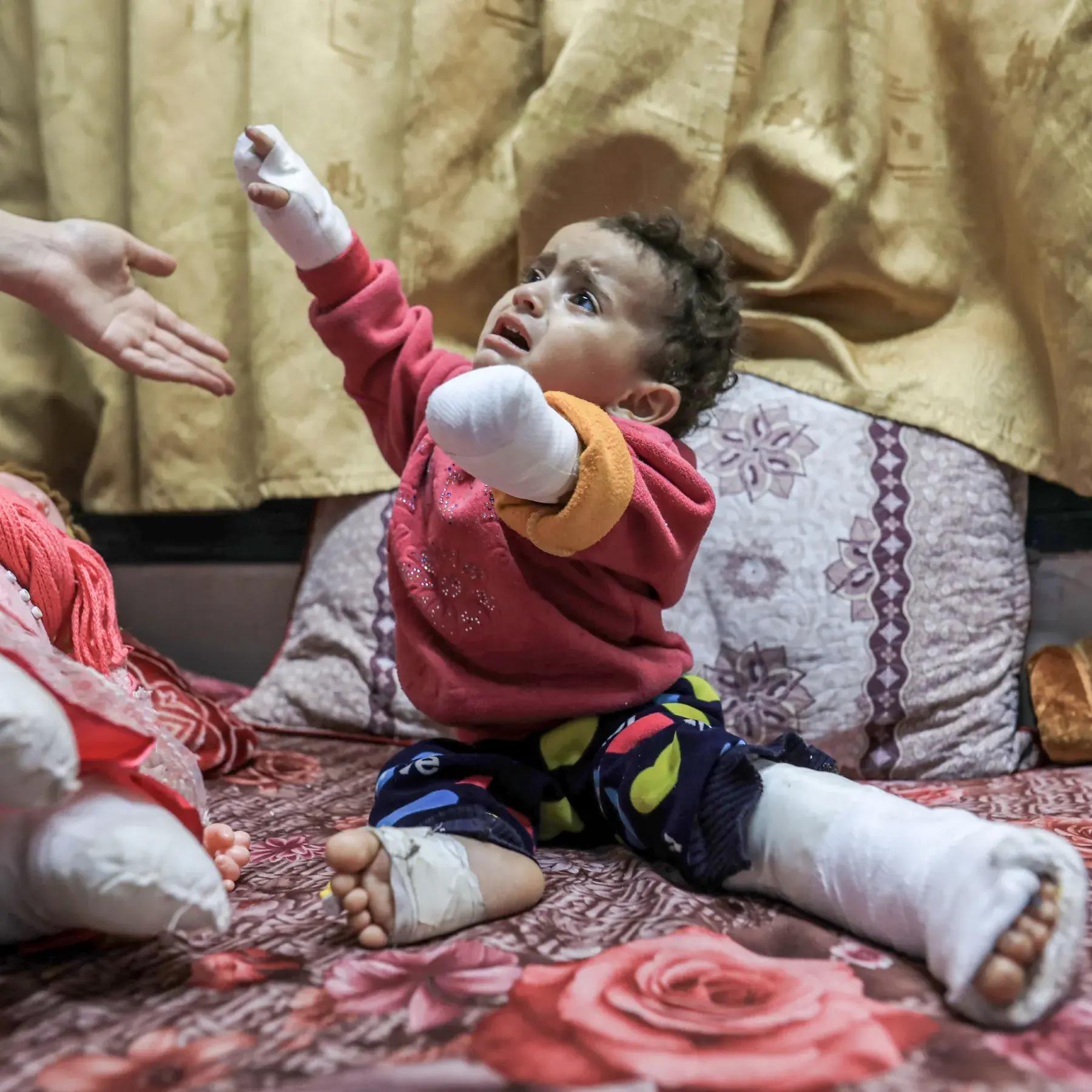
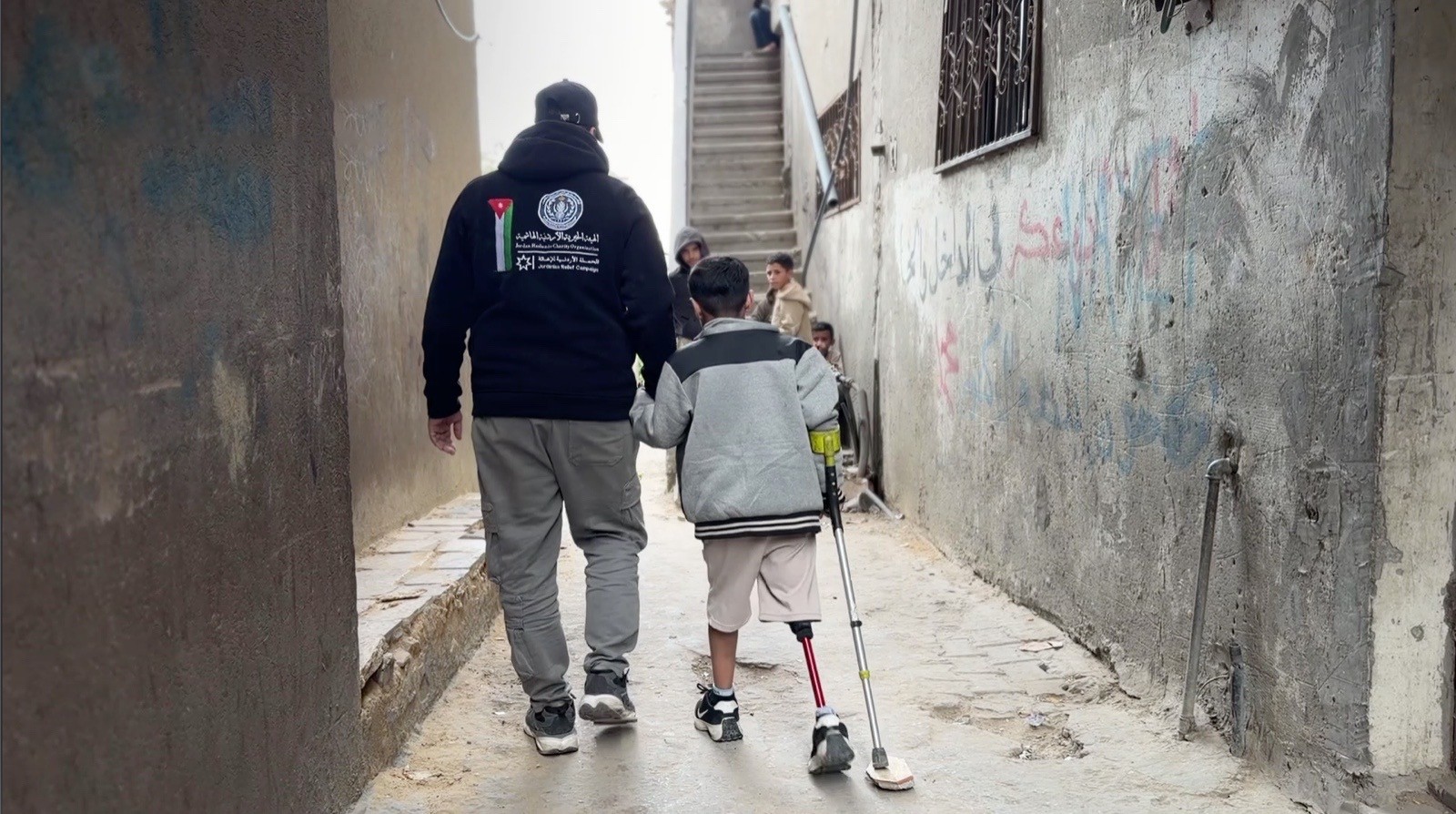
Healthcare officials have warned that the lack of entry of prosthetic component materials since as early as 2023 has limited the hospital’s ability to produce new devices or repair existing ones, even as conflict-related injuries and amputations have soared. Local reports indicate that while prosthetics have been produced in limited numbers, supplies are dwindling and many patients are waiting for replacements or adjustments.
The restrictions have compounded broader supply challenges in the territory, where healthcare infrastructure has also suffered damage from military operations and repeated bombardments, drawing international condemnation. Governments and humanitarian organisations have stressed the need for unfettered access for essential medical supplies and rehabilitation equipment to respond to the humanitarian crisis.
International Response and Humanitarian Concerns
Human rights and aid groups argue that international humanitarian law obligates occupying powers to facilitate the provision of medical relief and protect health facilities — including in conflict settings — and that overly broad dual-use restrictions can undermine this responsibility. Gaza’s Health Ministry and international agencies have repeatedly called for the unimpeded delivery of assistive devices and components to meet urgent needs.
At the same time, neighbouring states and international actors have condemned attacks on healthcare infrastructure and stressed the importance of safeguarding medical neutrality. The United Arab Emirates and Qatar, among others, have publicly denounced attacks on prosthetic and rehabilitation facilities, and urged sustained humanitarian access to medical supplies.