 By
By
A new report from Gaza lays bare the long afterlife of war injury: not only the moment of trauma, but the months of pain, displacement, debt, interrupted care, and the near-total absence of prosthetic and rehabilitation support that follow.
In a feature published on 26 March 2026, The Electronic Intifada follows several Palestinians living with amputations and other life-changing injuries as they try to survive in a health system shattered by war, repeated displacement, and severe shortages of medical supplies and rehabilitation services.
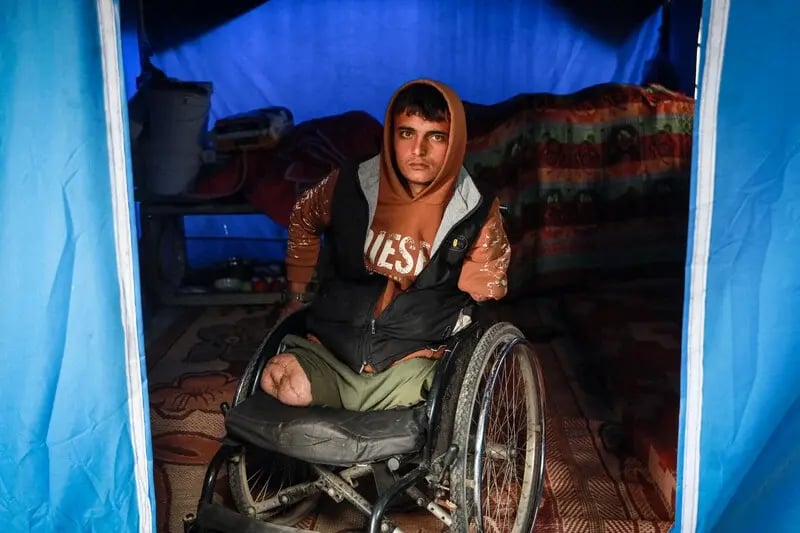
The article centres on people such as Raed Marouf, who lost both legs and later his left hand after an Israeli strike in July 2024, and Omar Halawa, a 13-year-old whose leg was amputated after shelling near a water queue in October 2025. Their stories are different, but the pattern is the same: emergency surgery without enough follow-up care, prolonged suffering inside displacement settings, and little realistic access to prosthetic limbs, wheelchairs, physiotherapy, or medical evacuation.
In Raed’s case, the report describes how the collapse of Gaza’s healthcare system and the lack of clean water, dressings, and adequate treatment contributed to complications including gangrene and further tissue loss. He now lives in a tent in western Gaza City, in constant pain, unable to access consistent physiotherapy and still hoping to travel abroad for prosthetic treatment that remains out of reach.
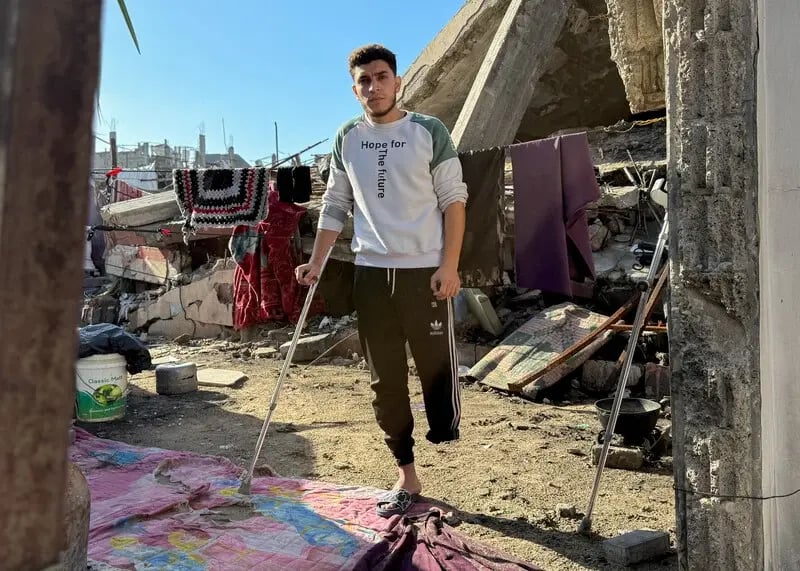
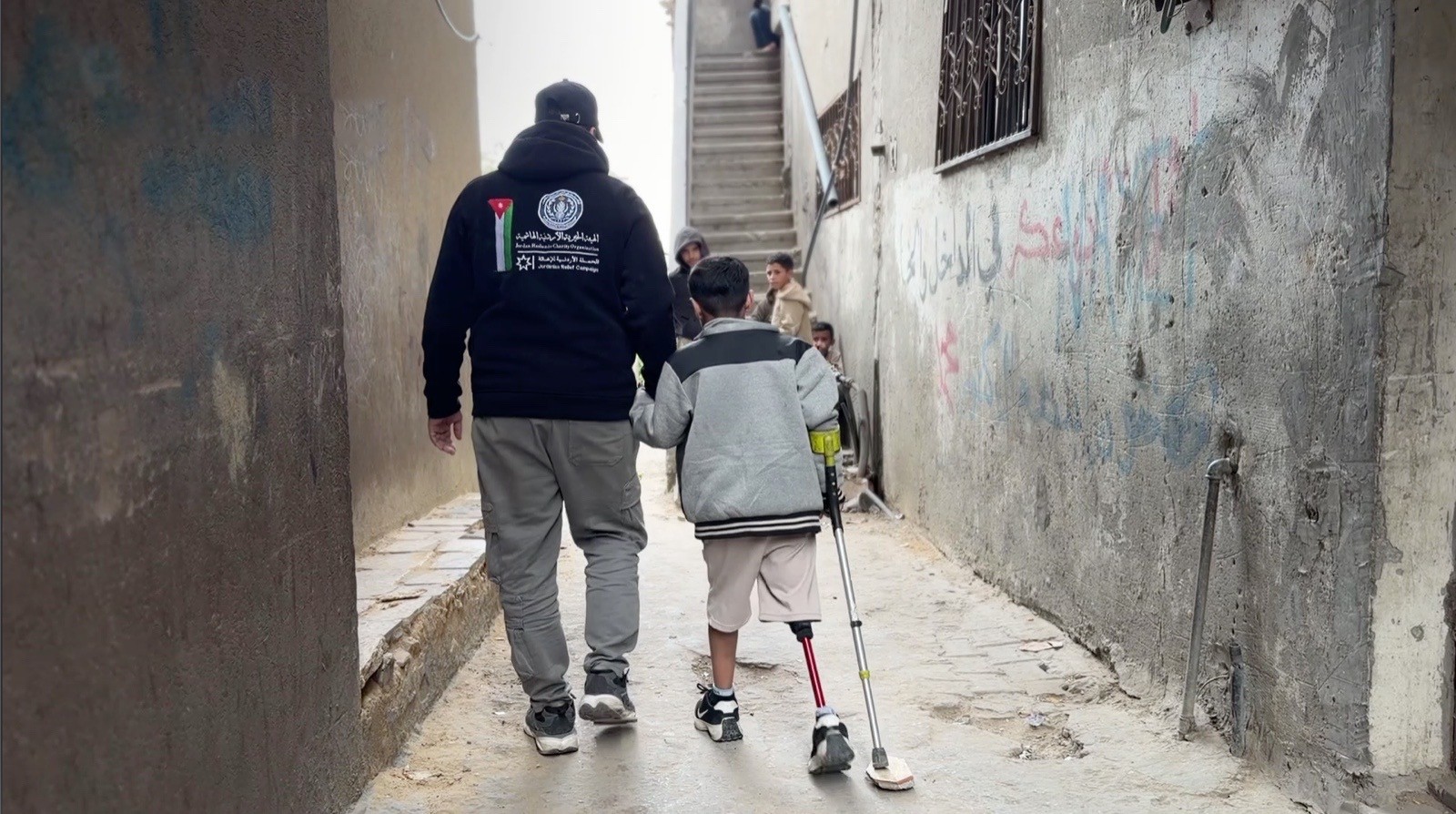
Omar’s story captures the psychological shock as well as the physical loss. After being injured while waiting for water, he awoke to find his right leg amputated and his other leg badly damaged. His family now takes him daily to the Artificial Limbs and Polio Center for physiotherapy, but they were told prosthetic limbs are not available in Gaza because of restrictions affecting movement of people and goods.
The article also documents the case of Ahmad Herzallah, who lost part of his vision, several toes, and a finger after a blast that killed his son Oday, and Suhair Daher, whose left arm was amputated after a missile strike that also killed two of her adult children and left other family members badly injured. In both cases, survival was followed by a much longer struggle defined by pain, dependence on relatives, limited specialist care, and the near impossibility of rebuilding daily life in the middle of ongoing displacement and destroyed infrastructure.
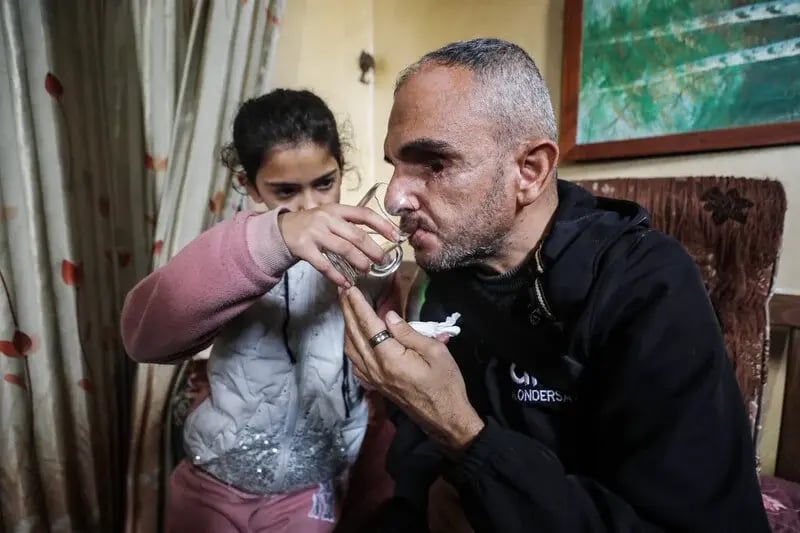
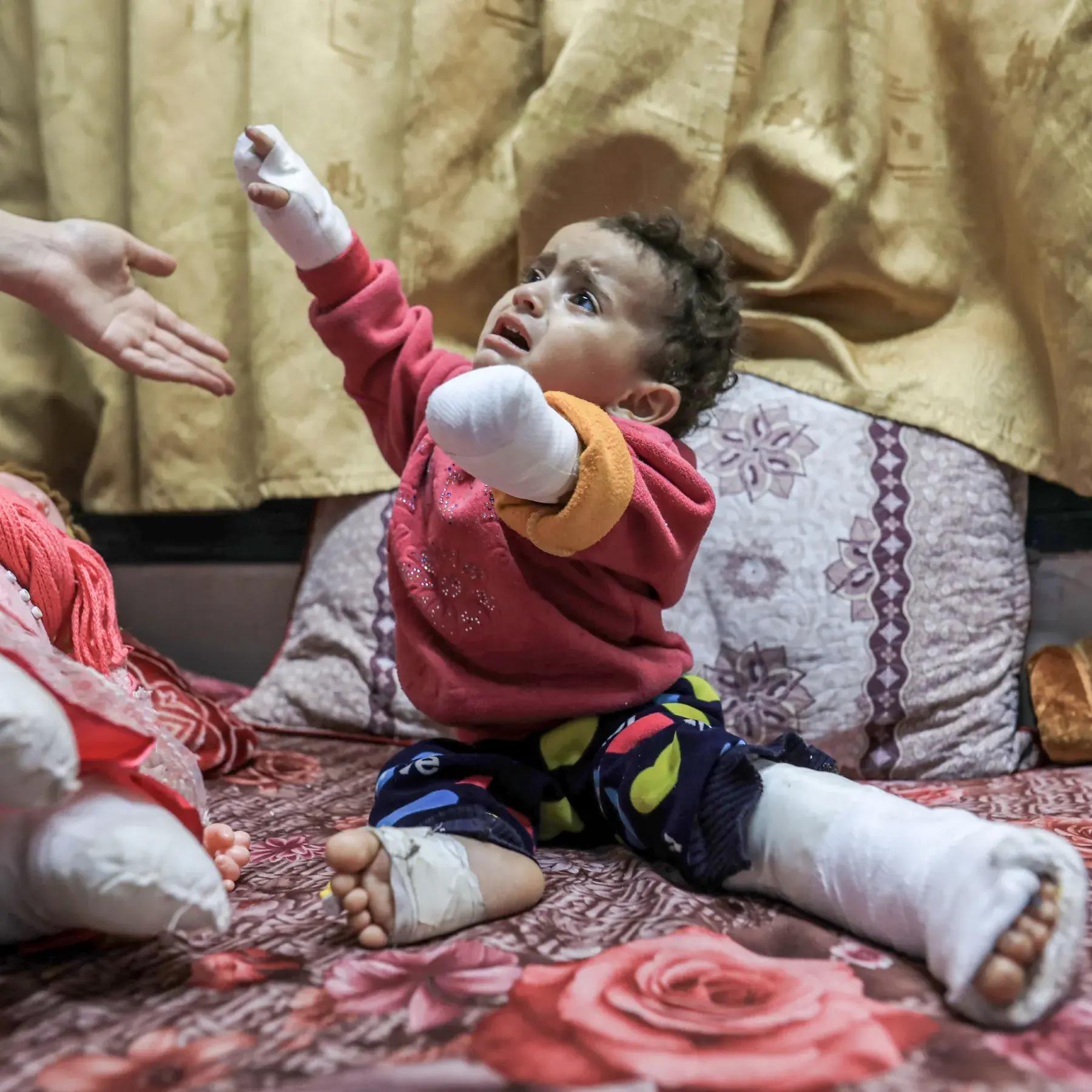
What makes the report especially important for the rehabilitation sector is that it situates amputation not as an isolated surgical event, but as the beginning of a long-term rehabilitation emergency. The article says Gaza’s Ministry of Health had recorded at least 6,000 amputation cases requiring urgent, long-term rehabilitation programmes by December 2025, with 25% of them children. UNRWA has separately said Gaza now has the largest group of child amputees in modern history, while WHO has cited roughly 42,000 people with life-changing injuries in Gaza, about one in four of them children.
That burden is colliding with a collapsed rehabilitation system. Humanity & Inclusion said in February 2026 that less than one-third of pre-conflict rehabilitation services remain partially functional in Gaza and that only eight prosthetic and orthotic technicians are left in the territory. AP reported in January 2026 that medical evacuations remained extremely limited and that prosthetic supplies were still failing to reach the number of patients in need.
For IMEA CPO readers, the Gaza story is a stark reminder that amputation care does not end in theatre. Without dressings, transport, physiotherapy, stump care, psychosocial support, wheelchair access, and eventually prosthetic fitting, many survivors face preventable deterioration, chronic pain, contractures, loss of independence, and long-term exclusion from work, education, and family life. That conclusion is an inference from the cases described in the article and the wider rehabilitation data published by UNRWA, WHO, and humanitarian organisations.
The article also underlines another point that the O&P sector understands well but that public debate often misses: a prosthetic limb is not a single product solution. Even if more components entered Gaza tomorrow, successful fitting would still depend on clinical assessment, rehabilitation follow-up, pressure management, alignment, training, adjustment, maintenance, and safe living conditions. In an environment where people are displaced into tents, transport is costly, and hospitals remain overwhelmed, every stage of that pathway is under strain. This is an inference based on established rehabilitation practice and the reported conditions in Gaza.
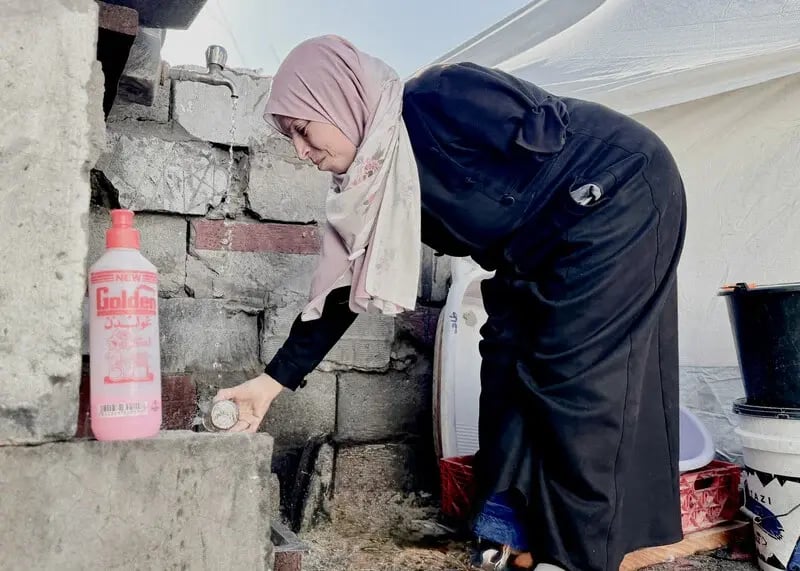
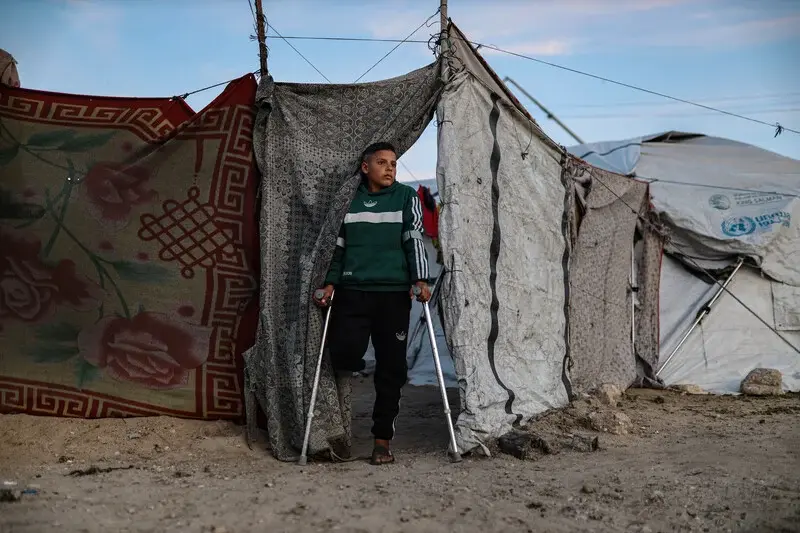
Ultimately, the report’s power lies in its focus on lived reality. It shows that the true cost of limb loss in Gaza is measured not only in amputations performed, but in what comes after: a teenager on crutches outside a tent, a young man dreaming of prosthetic limbs so he can work, a mother relearning daily tasks with one arm, and families carrying grief, debt, and disability at the same time. In O&P terms, it is a portrait of what happens when need for rehabilitation surges while the system required to support it collapses.