 By
By
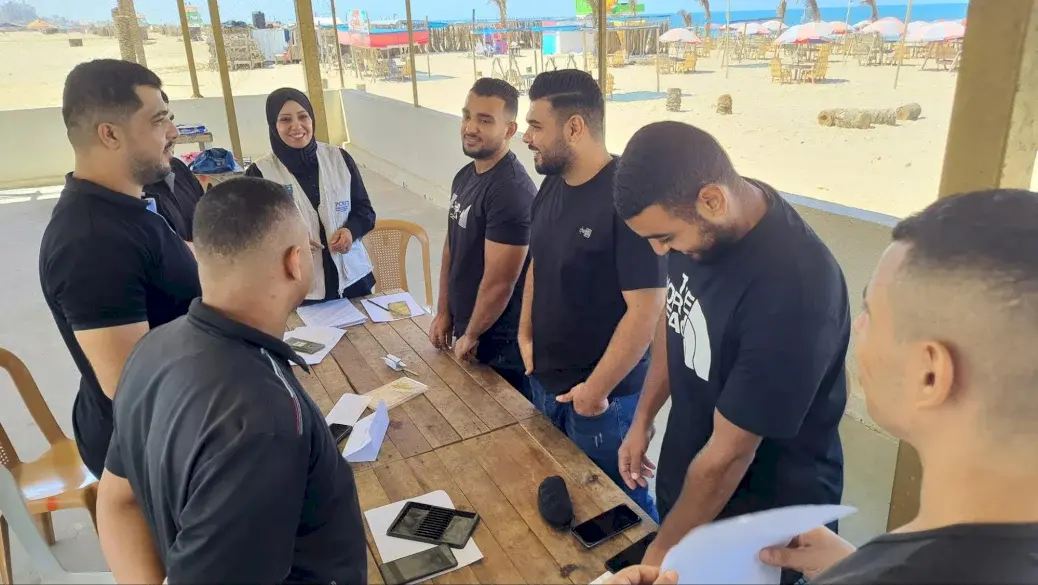
Amputation — whether due to trauma, disease, or congenital limb difference — brings with it profound physical, emotional, and social challenges. For many amputees, connecting with others who have walked similar paths can be as transformational as medical rehabilitation itself. Peer support is one of the most powerful tools in an amputee’s recovery journey, and now the global amputee community has a landmark resource to strengthen that support.
What Has Been Released?
The International Confederation of Amputee Associations (IC2A) has published a set of peer support guidelines for amputees that are now available in five different languages, greatly expanding accessibility for amputees around the world. These guidelines outline structured approaches for organisations and individuals to support amputees through shared lived experience, practical advice, emotional connection, and mutual understanding.
The release of these peer support guidelines reflects an increased recognition within the rehabilitation and amputee community that recovery is not only a clinical process but also a deeply human one — where connection, empathy and shared experience matter. These guidelines aim to help amputees, support groups, carers, and rehabilitation professionals create safe, effective, and culturally relevant peer support systems.
Why Peer Support Matters
Peer support is based on the principle that people with direct experience of limb loss are uniquely positioned to assist others navigating similar life changes. It can provide:
- Emotional support and validation: Helping amputees process grief, fear, and adaptation.
- Practical advice: Shared strategies for managing daily activities, prosthetic use, or lifestyle transitions.
- Empowerment & motivation: Seeing others thrive can inspire confidence and resilience.
- Social connection and community: Reducing isolation by connecting amputees with peers.
Research has shown that peer-mentorship and peer support can improve psychological adjustment, increase independence, and support amputees in navigating both the healthcare system and life beyond rehabilitation.
What the IC2A Guidelines Cover
While tailored to diverse cultures and languages, the IC2A peer support guidelines generally include:
- Core principles of peer support: Shared lived experience, empathy, mutual respect, and confidentiality.
- Models of peer communication: One-to-one support, group meetings, online interactions, and peer counselling.
- Standards of practice: Recommendations for training, ethical boundaries, and programme structure.
- Tools for organisations: Insights for amputee associations, rehabilitation centres, and support networks on how to embed peer support into care pathways.
Importantly, by offering these guidelines in languages beyond English, IC2A is helping amputees in many countries access this resource without the barrier of translation — a significant step for global inclusivity.
Impact on Individuals and Communities
For amputees who may feel overwhelmed by the physical or psychological aftermath of limb loss, peer support can be life-changing. Being able to talk to someone who has navigated similar experiences provides not only practical tips but also hope and reassurance that recovery and reintegration are achievable.
For families and caregivers, peer support offers pathways to understanding the journey from an empathetic, lived perspective — complementing clinical rehabilitation and fostering deeper connection and support.
Building the Future of Peer Support
The IC2A peer support guidelines are not static. By making them widely available and adaptable, IC2A has set the foundation for a growing, collaborative global peer support movement. Organisations, rehabilitation providers, and amputee associations can now adapt these guidelines to local contexts, languages, and cultural norms — helping millions of amputees feel less alone and better supported.
Where to Find and Download IC2A’s Peer Support Guidelines for Amputees
The IC2A Peer Support Guidelines — now translated into five languages — are hosted on the official International Confederation of Amputee Associations website. These guidelines are part of IC2A’s broader initiative to expand accessible peer support resources for amputees globally.
Official IC2A Website
The primary place to access and download the guidelines is through IC2A’s main platform:
🔗 Peer Support section on IC2A.eu
This page provides information about peer support structures and often links directly to downloadable documents in different languages. It may contain links like “Peer Support Guidelines (PDF)” for each translated version.
Latest IC2A News
IC2A announced the availability of the guidelines in five languages through a news post on its home page:
🔗 IC2A “Peer Support Guidelines available in five languages” news post
Check this announcement for direct links to each language version of the peer support guidance.
Additional IC2A Publications
The Publications & Resources section of the IC2A website includes many useful downloadable resources, and may host the peer support documents under resources or publications:
🔗 IC2A Publications and Resources
Although this page is currently focused on various amputee resources (like instructional courses), it may be updated to include the new Peer Support Guidelines as well.
Tips for Accessing the Guidelines
- Look for PDF Downloads: The guidelines are most often published as PDF files, labelled with language identifiers (e.g., English, Spanish, French, etc.).
- Check Related Peer Support Pages: Sometimes the Peer Support Guidelines link is embedded within related pages such as Peer Counselling or Peer Support – Basic Instructional Course.
- Member Associations: If direct downloads aren’t visible, reaching out to your national amputee association (listed at IC2A Members page) may help — many associations host the documents in local languages.
Language Availability
While the exact list of the five languages isn’t listed on the site preview, the announcement confirms multilingual availability. Typically these include major global languages such as English, Spanish, French, Arabic, and others depending on regional membership and demand.