 By
By
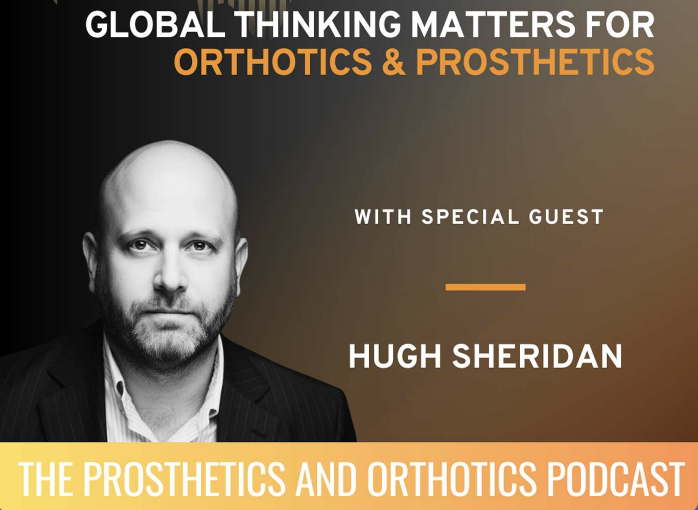
In a profession often defined by hands-on clinical care and local service delivery, the latest episode of The Prosthetics and Orthotics Podcast challenges practitioners to zoom out. In “Why Global Thinking Matters in Orthotics and Prosthetics,” Hugh Sheridan delivers a candid, wide-ranging discussion on how pricing, policy, and 3D printing are reshaping the O&P landscape from the UK to the Gulf and across Africa.
Far from abstract theory, the conversation tackles real-world pressures clinics face today — from reimbursement constraints to technological disruption — and explores what sustainable care should look like in both high-income and emerging markets.
From Shoe Materials to O&P Supply Chains
Sheridan begins with an unconventional entry point into the profession: shoe materials and component distribution. This background, he explains, provided a front-row seat to how materials science, manufacturing logistics, and clinical outcomes are deeply interconnected.
The takeaway for clinicians?
O&P is not just about devices — it is inseparable from supply chains, pricing structures, and technology access.
UK Reimbursement Pressures & the Digital Pivot
One of the episode’s most striking themes is the reality of UK reimbursement pressures. Tightening budgets and procurement frameworks have accelerated shifts toward:
- Prefabricated orthoses
- Cost-efficiency models
- Digitally enabled workflows
- 3D printing adoption
Sheridan highlights a difficult truth: innovation is often driven less by excitement and more by economic necessity.
Gulf Dynamics: UAE Hub vs Saudi Transformation
The podcast contrasts two distinct Gulf trajectories:
UAE — The Regional Hub
- Mature private healthcare ecosystem
- Logistics and distribution gateway
- Early adopter of advanced technologies
Saudi Arabia — Growth & Privatisation
- Rapid sector expansion
- Vision-driven healthcare reform
- Increasing private sector participation
The discussion frames Saudi Arabia not simply as a large market, but as a system actively redefining its rehabilitation infrastructure.
Pediatric Disability & Cultural Access Barriers
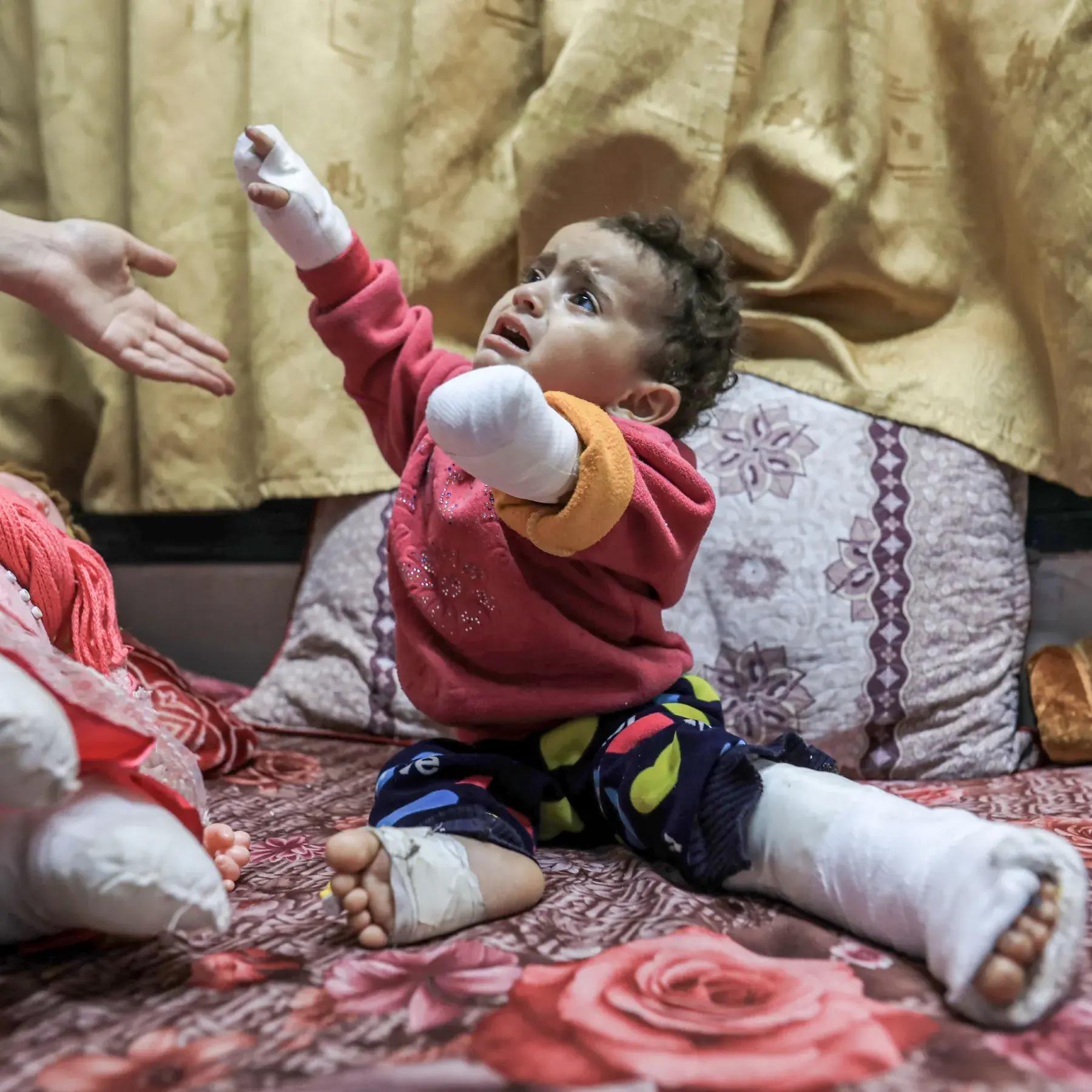
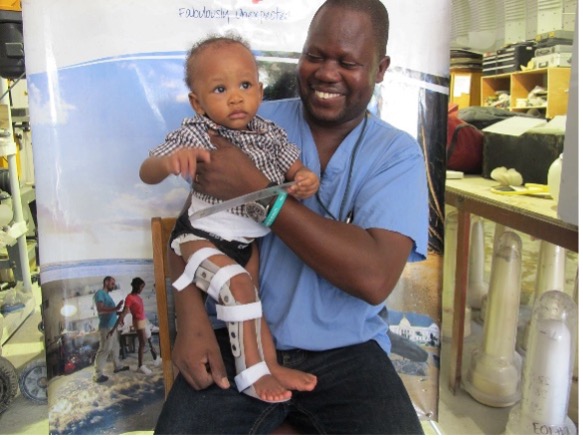
A particularly important segment addresses pediatric disability care, especially in parts of the Gulf and Africa. Sheridan notes that clinical solutions alone are insufficient when families face:
- Cultural stigma
- Delayed presentation
- Limited awareness of orthotic benefits
- Access and affordability constraints
The emphasis: technology cannot replace trust, education, and culturally sensitive engagement.
The Hard Truth About Direct Aid
Perhaps the most provocative discussion centres on international aid models.
Sheridan challenges a common assumption:
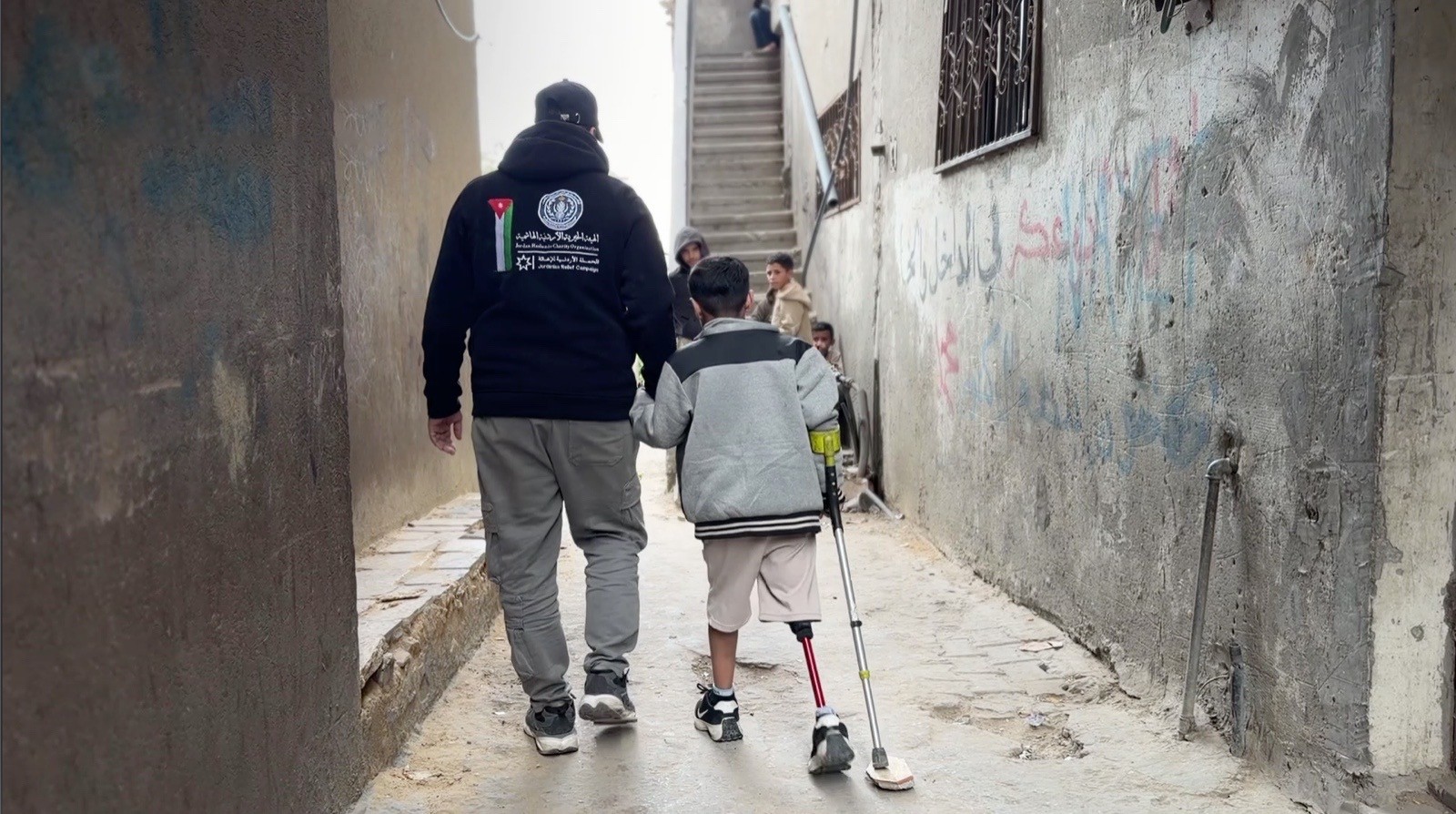
Well-intentioned direct aid can unintentionally undermine local clinics.
When NGOs bypass established providers and deliver devices directly:
- Clinics lose patients
- Revenue streams collapse
- Technical capacity erodes
- Local workforce development stalls
The result can be dependency rather than sustainability.
A Sustainable Alternative: Franchise-Style Partnerships
Instead of bypassing clinics, Sheridan proposes a franchise-style aid model:
✔ Partner with local providers
✔ Strengthen clinic capacity
✔ Fund devices through clinics
✔ Build technical and business resilience
This shifts aid from short-term relief to long-term ecosystem development.
The Shifting Global Component Landscape
The episode also examines the rising influence of China and Turkey in:
- Prosthetic components
- Orthotic joints
- Materials and consumables
These countries are reshaping pricing dynamics and expanding access, particularly in IMEA markets where European imports have historically dominated.
Open Materials & Avoiding Lock-In
Sheridan advocates strongly for:
- Open material systems
- Vendor flexibility
- Awareness of SLS/MJF economics
- Avoiding proprietary lock-in
For clinics adopting digital manufacturing, this is a strategic warning:
Early decisions on hardware and materials can define long-term profitability and clinical autonomy.
Central Fabrication vs In-Clinic Making
Another nuanced theme explores the psychology and economics behind:
- Central fabrication models
- Clinic-based manufacturing
- Hybrid workflows
Sheridan notes that resistance to digital production is often less technical and more professional identity-driven — touching on clinician control, craftsmanship traditions, and perceived value.
Scanning, Hybrid Workflows & Protecting Clinical Value
Digital scanning receives balanced treatment. Rather than positioning it as a replacement for traditional methods, Sheridan emphasises:
✔ Direct scanning
✔ Hybrid analogue–digital workflows
✔ Preserving clinical judgement
✔ Protecting practitioner value
Technology should enhance, not commoditise, the clinician’s role.
A Global Profession Requires Global Thinking
Across regions and topics, one message resonates:
Orthotics and prosthetics is no longer a purely local profession.
Pricing policies in the UK, manufacturing shifts in China, privatisation in Saudi Arabia, and aid strategies in Africa are now interconnected forces shaping:
- Clinic viability
- Technology adoption
- Patient access
- Professional identity
Episode Sponsor
Special thanks to Advanced 3D for sponsoring this episode and supporting forward-looking discussions on digital transformation in O&P.
Listen to the Episode
🎧 Why Global Thinking Matters in Orthotics and Prosthetics with Hugh Sheridan
The Prosthetics and Orthotics Podcast
Listen on Apple Podcasts:
https://podcasts.apple.com/ae/podcast/the-prosthetics-and-orthotics-podcast/id1626621152?i=1000750230992