 By
By
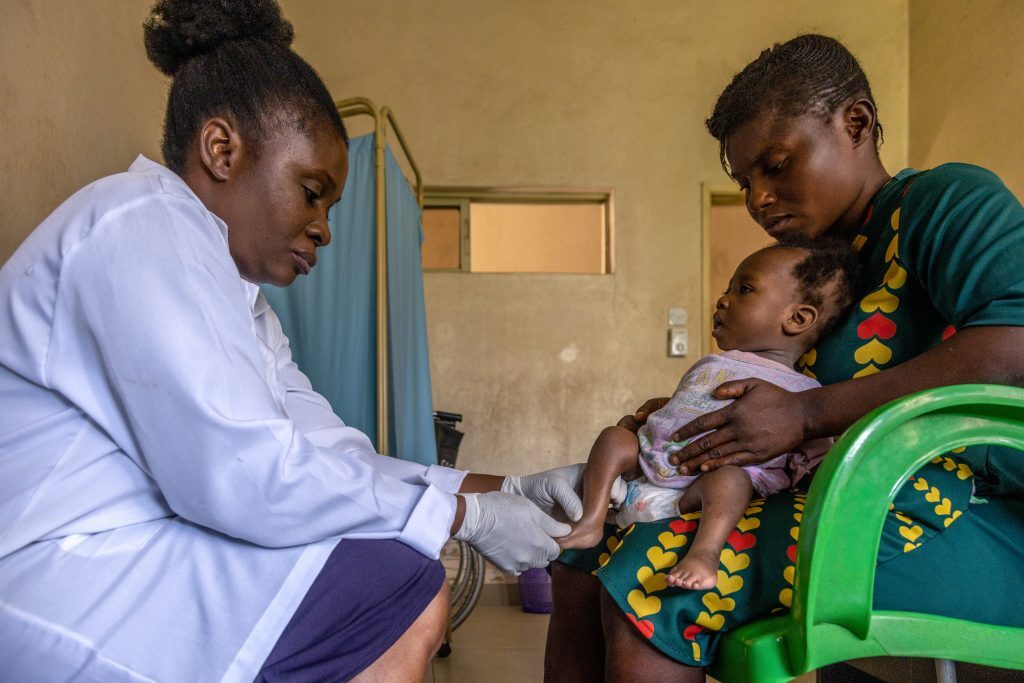
An international non-profit organisation, MiracleFeet, has reaffirmed its commitment to ensuring that every child born with clubfoot has access to life-changing treatment, regardless of location.
Clubfoot, medically known as talipes equinovarus, is the most common congenital musculoskeletal deformity worldwide, affecting up to one in every 800 live births. In Nigeria, an estimated 10,000 babies are born with the condition annually, yet fewer than 15 per cent receive treatment due to poor awareness, long distances to health facilities and financial constraints.
To address the gap, stakeholders in clubfoot care from across the country gathered in Abuja for the African Clubfoot Training (ACT) Train-the-Trainers (TTT) workshop. The training, organised by MiracleFeet and its local partners, is aimed at strengthening national capacity for quality clubfoot treatment using the Ponseti method and building a sustainable network of skilled trainers to expand access to care.
Speaking at the event, Senior Programme Field Officer (West and Central Africa), MiracleFeet, Dr Ekene Isikaku, said the organisation has transformed the lives of more than 120,000 children across 37 countries and over 500 clinics. She noted that MiracleFeet enrols thousands of new patients yearly and trains health providers in the Ponseti method, a gold-standard, non-surgical technique that corrects clubfoot in over 95 per cent of cases.
Isikaku explained that the organisation partners with local health workers, governments, non-governmental organisations and community leaders to deliver a low-cost, non-surgical standard of care to children who might otherwise grow up with preventable disabilities.
She added that MiracleFeet adopts a holistic approach focused on strengthening local systems and workforce capacity through continuous training and mentorship, while working with Ministries of Health to integrate clubfoot care into maternal and child health services.
She said MiracleFeet began its intervention in Nigeria in 2018 through partnerships with The Straight Child Foundation and the Federal Ministry of Health, later expanding to include HANDS, PCDF, Women and Children Health Empowerment Foundation (WACHEF), PLAN Foundation and others.
Today, the organisation supports more than 80 clinics across several states, with thousands of children enrolled in treatment and health workers trained in both the Ponseti method and data-driven monitoring systems. According to her, the organisation promotes data-driven decision-making through digital tools such as CAST, enabling clinics to monitor treatment quality, outcomes and trends in real time. She noted that accurate data collection strengthens programme strategies, supports advocacy efforts and encourages greater government commitment to sustaining clubfoot care.
Nigeria adopted the Ponseti method as the national standard of care in 2017 following approval by the National Council on Health. Through collaboration with public health facilities, more than 80 hospitals nationwide now offer Ponseti treatment.
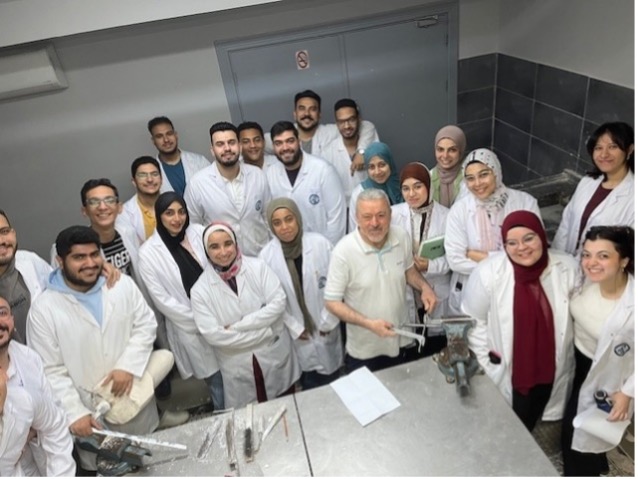
The ACT Train-the-Trainers workshop adopted a three-tier training model involving experienced Ponseti trainers from Nigeria, Zimbabwe, Cameroon and Uganda. Fourteen Nigerian health professionals, including orthopaedic surgeons, resident doctors and physiotherapists, participated alongside 15 intending Ponseti providers from Abuja and surrounding communities.
During the workshop, Master Trainers equipped participants with facilitation, mentorship and technical skills, enabling them to train additional healthcare providers and further expand access to quality clubfoot treatment. The group reaffirmed its commitment to ensuring that every child born with clubfoot in Nigeria receives timely, quality and affordable care, regardless of geographic or economic barriers.