 By
By
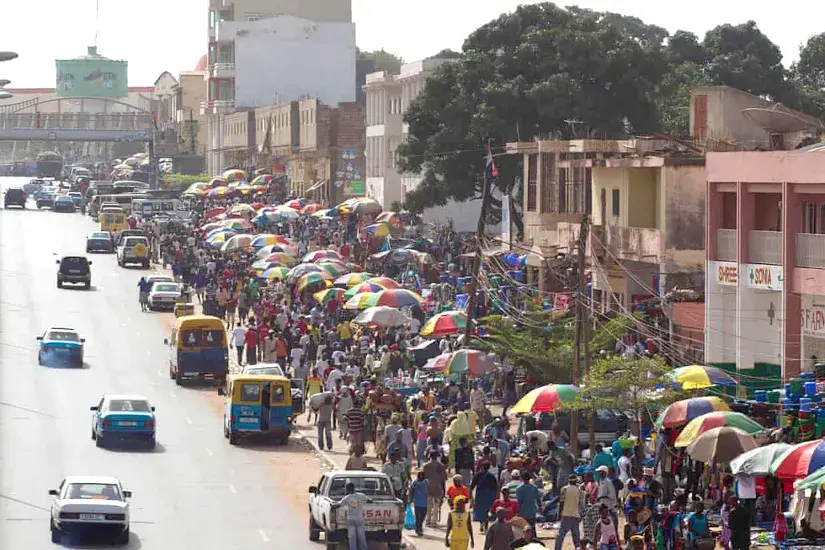
Guinea-Bissau is a small market in absolute size, but it is more relevant to rehabilitation, orthotics, prosthetics, and assistive technology than its population alone might suggest. The country had a population of 2,153,339 in 2023, current health expenditure equal to 8.22% of GDP in 2021, and low-income status in the latest WHO country profile. For IMEA CPO readers, that points to a market where access, affordability, and service reach are likely to matter at least as much as product sophistication.
What makes Guinea-Bissau worth watching is that its O&P and rehabilitation demand appears to sit at the intersection of disability access gaps, concentrated service infrastructure, paediatric rehabilitation needs, trauma, and chronic disease. WHO-supported rehabilitation planning presented in 2022 shows the Ministry of Health formally requested technical support in 2021 to strengthen rehabilitation in the health system, and national stakeholders then used WHO tools to assess both rehabilitation and assistive technology capacity. That is a strong signal that Guinea-Bissau is still in a system-building phase rather than a mature service market.
Why this market matters
One of the clearest reasons Guinea-Bissau matters is that rehabilitation access is still narrow and heavily concentrated around Bissau. Guinea-Bissau’s Article 7 report to the Anti-Personnel Mine Ban Convention states that the national-level rehabilitation centre provides early childhood physical rehabilitation and specific assistive products for mobility, and is the main referral centre for children with cerebral palsy and clubfoot. But the same report says the country’s rehabilitation centres have limited coverage, serve mainly the population around Bissau, and leave children in other regions with very limited access because of transport, accommodation, and out-of-pocket costs.
That is commercially and clinically important. In O&P markets where services are centralised and follow-up is difficult, the opportunity is often not just in devices themselves but in durable products, practical service models, and referral pathways that work with the realities of travel and income constraints. That conclusion is an inference, but it is directly supported by the country’s reported concentration of rehabilitation services and the access barriers described in the Mine Ban Convention reporting.
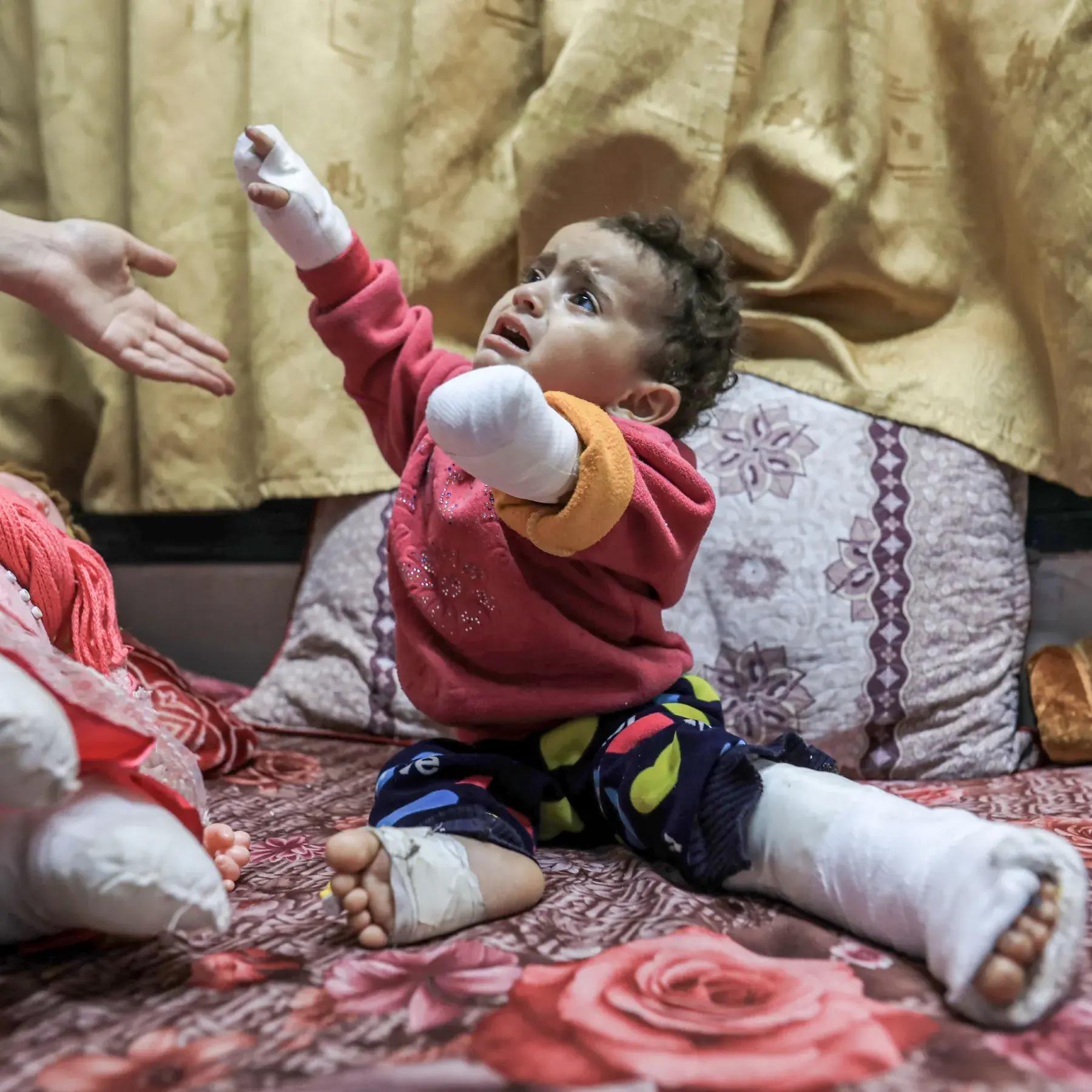
Paediatric rehabilitation is another reason the market matters. The same national reporting identifies the country’s main referral role for children with cerebral palsy and clubfoot, while the IDF Atlas country page indicates chronic disease burdens are also rising in parallel. For IMEA CPO readers, that means Guinea-Bissau is not just a prosthetic market story; it is also a paediatric orthopaedics, mobility, and assistive-access story.
Rehabilitation demand drivers
Paediatric corrective care is one of the clearest current demand drivers. Guinea-Bissau’s national rehabilitation centre is identified as the main referral point for children with cerebral palsy and clubfoot, and MiracleFeet states that the clubfoot programme in Guinea-Bissau is run by the National Rehabilitation Centre under the Ministry of Health. That points to a meaningful lower-limb paediatric need base around clubfoot care, follow-up, bracing, and related rehabilitation support.
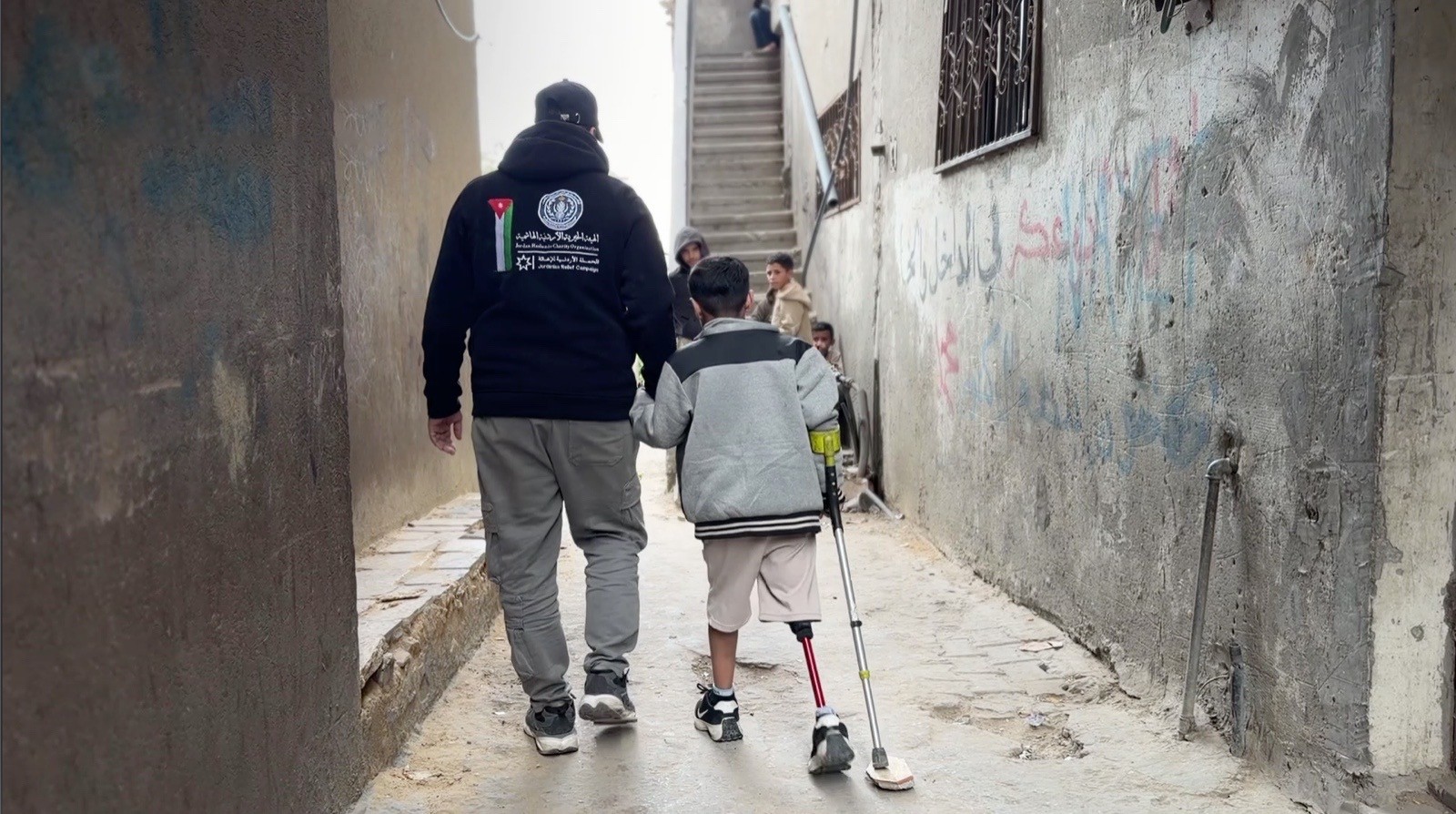
Trauma and amputation-related need also appear relevant. SwissLimbs, describing work with the national rehabilitation centre in Bissau, says the main causes of amputation include landmines from past conflict, traffic accidents, poorly treated wounds, cardiovascular problems, and snakebites. That source is not an official national dataset, so it should be treated with some caution, but it is still useful because it aligns with the country’s history of mine-action and rehabilitation work and helps illustrate the mixed clinical profile likely to shape O&P demand.
Chronic disease is another meaningful demand driver. The IDF Diabetes Atlas country page for Guinea-Bissau estimates 39.9 thousand adults aged 20–79 were living with diabetes in 2024, rising from 19.1 thousand in 2011 and projected to reach 93.3 thousand by 2050. For a country of Guinea-Bissau’s size, that is a material burden and supports long-term need for diabetic foot management, protective footwear, orthotic intervention, pressure relief, and post-amputation rehabilitation. The Atlas also notes these estimates are extrapolated from neighbouring countries, so they should be read as modeled estimates rather than direct national measurement.
Market characteristics
Guinea-Bissau looks more suited to practical, value-focused O&P and rehabilitation growth than to a narrow premium-tech model. The likely demand profile appears strongest in areas such as:
- lower-limb orthoses and mobility support
- prosthetic rehabilitation linked to trauma and amputation care
- paediatric clubfoot and cerebral palsy pathways
- diabetic foot protection and limb-preservation support
- workshop consumables and basic fabrication capability
- training, outreach, and follow-up services
That is partly an inference, but it is grounded in the country’s low-income status, centralised rehabilitation model, limited workforce, and the reported mix of paediatric, trauma, and chronic-disease need.
Workforce capacity remains thin. A 2022 WHO-linked presentation on strategic planning for rehabilitation in Guinea-Bissau reported that the country had 7 physiotherapists, 1 prosthetist/orthotist categorized at Cat II level, and around 10 rehabilitation assistants or CBR-trained staff linked to NGO services. It also noted there were no rehabilitation diploma or degree courses in the country, meaning workforce development depends on sending students abroad. For O&P companies and partners, that is one of the clearest signs that training and service support may matter as much as product supply.
Geographically, Bissau dominates. SwissLimbs describes the national rehabilitation centre in the capital as the country’s only rehabilitation centre, while the Mine Ban Convention report refers to both national and secondary-level rehabilitation services but still emphasizes that coverage remains largely concentrated in the Bissau area. Even allowing for some variation in how organizations describe the network, the consistent picture is that higher-level rehabilitation remains heavily centralised.
Key opportunities for IMEA CPO readers
Paediatric lower-limb care
Guinea-Bissau’s strongest visible rehabilitation niche appears to be paediatric care, especially around clubfoot and cerebral palsy. That creates room for bracing, follow-up support, consumables, training, and service partnerships tied to referral-led care.
Affordable assistive and mobility support
Because access is constrained by geography and cost, robust and maintainable mobility products are likely to have stronger fit than high-cost, high-complexity offerings. The country’s own rehabilitation reporting repeatedly refers to mobility assistive products and the burden of transport and out-of-pocket costs.
Training and workshop support
With only a very limited specialist workforce and no domestic rehabilitation training pathway reported in 2022, there is a credible opportunity for clinical education, technician support, workshop modernization, and simple fabrication systems that strengthen local delivery capacity.
Disability inclusion-linked partnerships
UNDP reported in 2022 that the Ministry of Women, Family and Social Solidarity had prepared a National Strategy for the Inclusion of People with Disabilities, with planned action areas including accessibility, health, education, sports and culture, justice, and human rights. UNFPA also reported new disability-rights support in 2026 focused on mobility, access to information, and institutional strengthening. That does not automatically create an O&P market on its own, but it does suggest a more supportive policy environment for disability-related services and advocacy.
Main constraints
The biggest constraints are small market size, centralised services, thin workforce, and the financial burden of access. Guinea-Bissau’s rehabilitation reporting says people outside Bissau face major barriers because of direct and indirect costs, including transport and accommodation. In a low-income setting, that makes frequent follow-up and complex service pathways harder to sustain.
There is also a clear difference between policy and implementation. Guinea-Bissau has active disability-inclusion work and formal rehabilitation planning support, but the service base still appears fragile. For suppliers and service partners, that means the most realistic route is probably through patient, partnership-led growth with ministries, rehabilitation centres, and NGOs rather than expecting a rapid standalone private premium market. That is an inference, but it fits the source base well.
Bottom line
Guinea-Bissau is a small but meaningful rehabilitation and assistive-product market with real relevance for orthotics and prosthetics. Its strongest opportunities appear to be in paediatric lower-limb care, practical mobility support, diabetic foot pathways, technician training, and service models that can work despite centralised infrastructure and limited workforce depth.
For IMEA CPO readers, Guinea-Bissau is best understood as an access-constrained, institution-led market rather than a premium technology market. The need is real, the service system is still developing, and that usually creates opportunity for clinically grounded suppliers and partners who can combine appropriate products with training, follow-up, and realistic delivery models.
- WHO Guinea-Bissau country data
- IDF Atlas Guinea-Bissau diabetes page
- Guinea-Bissau rehabilitation and assistive products report to the Mine Ban Convention (PDF)
- WHO-supported rehabilitation planning presentation for Guinea-Bissau (PDF)
- HI Guinea-Bissau country page
- UNDP disability inclusion update for Guinea-Bissau