 By
By
In parts of the world devastated by war and displacement, access to essential medical care remains exceedingly limited — especially for people who have lost limbs due to violence, explosions or unexploded ordnance. A new initiative is changing that reality by harnessing the transformative potential of modern technology: 3DP4ME, a non-profit 3D printing organization recognized by the World Economic Forum (WEF), is producing affordable, customized prosthetic limbs for people in conflict zones such as Syria and Gaza.
Reimagining Prosthetic Care Through 3D Printing
Traditional prosthetic manufacturing is often slow, expensive and logistically challenging — particularly in low-resource or conflict-affected settings. Moulding, fitting and adjustment processes can span weeks, and for growing children the cycle must be repeated regularly to accommodate growth.
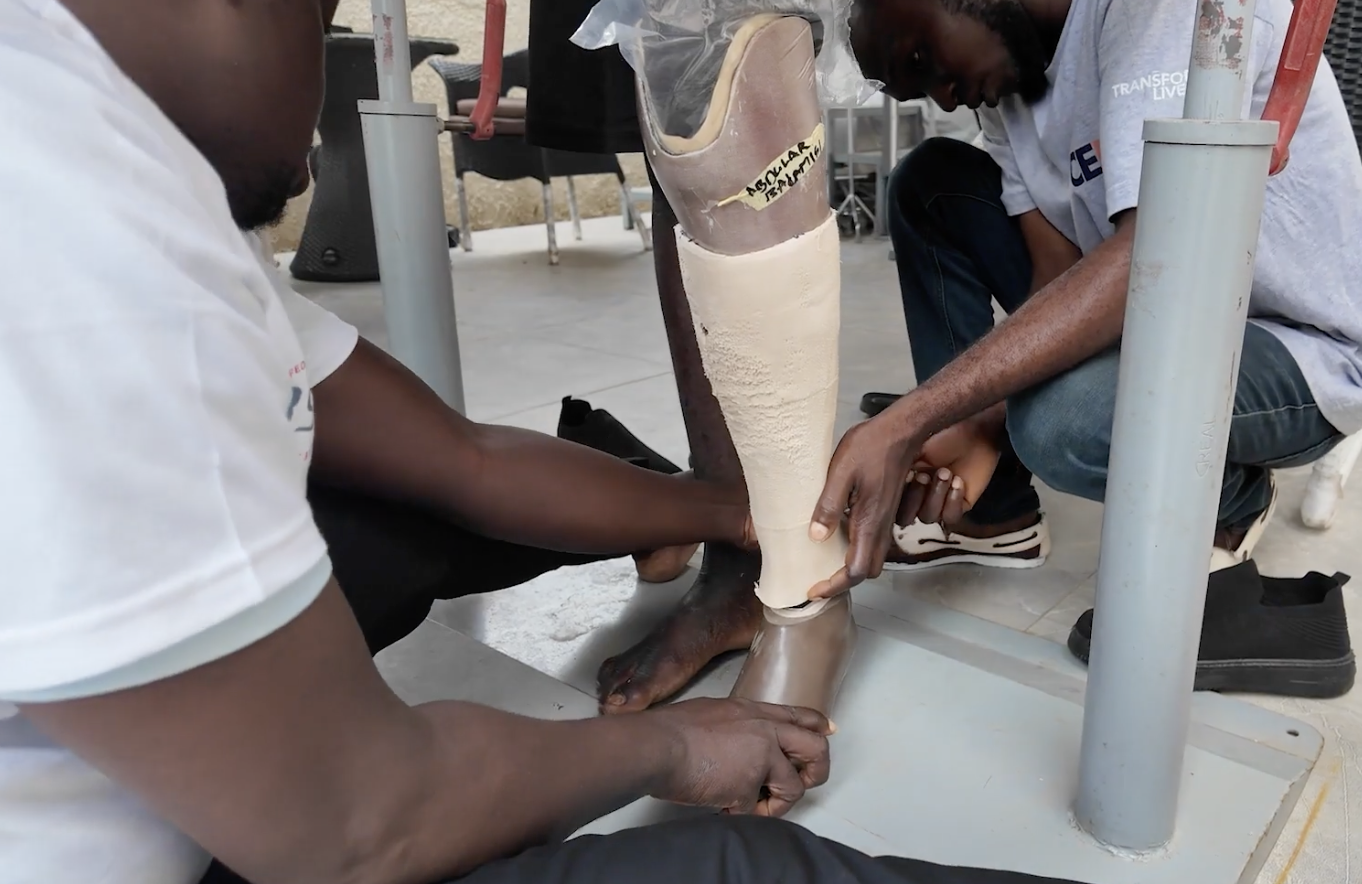
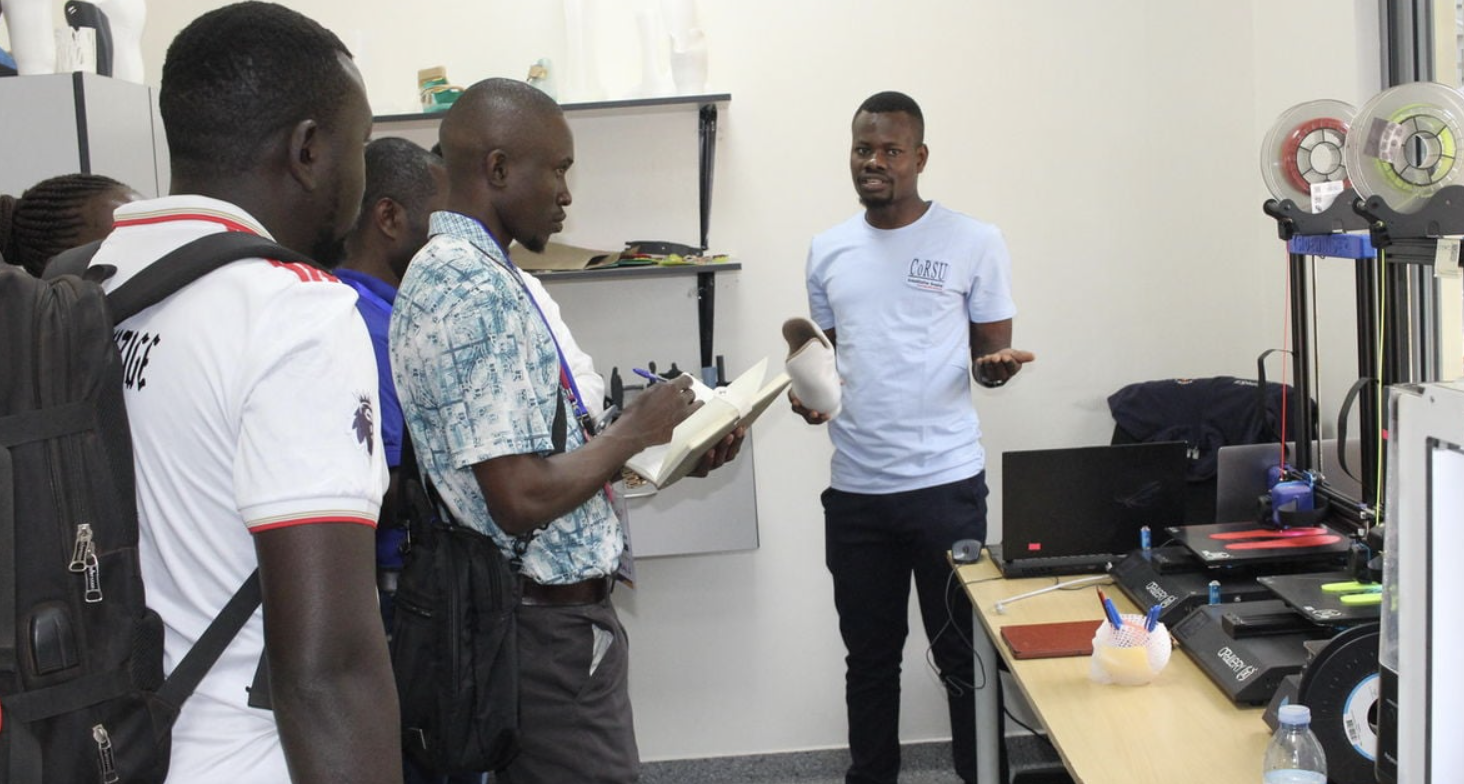
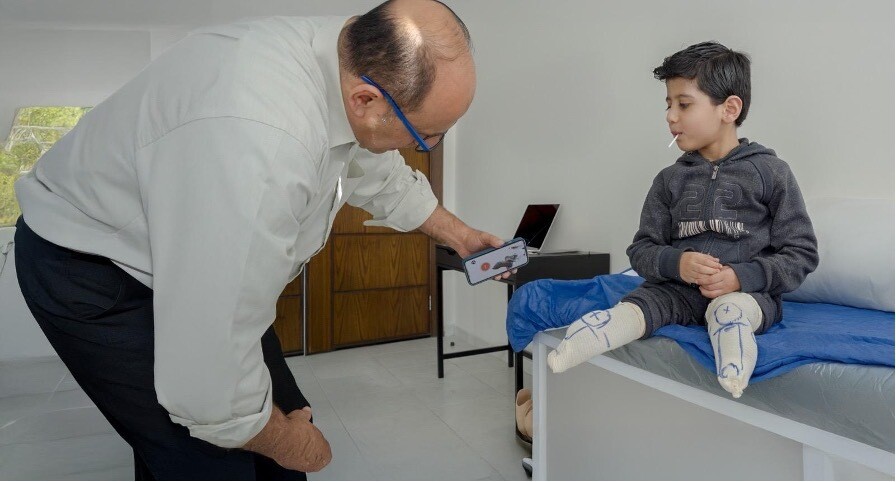
3DP4ME is transforming this model by combining smartphone-based digital scanning with computer-aided design and additive manufacturing. This approach allows prosthetic designs to be created quickly, tailored precisely to an individual’s measurements, and produced at a fraction of the time and cost required by conventional methods.
By digitizing many parts of the process, the organization reduces barriers related to distance, infrastructure and specialist equipment — meaning that even in areas with scarce healthcare services, people can receive a limb that fits their body and their needs.
Impact in Syria and Beyond
Conflict has inflicted severe human tolls across the Middle East. In Syria alone, more than 80,000 amputations have been reported since the war began in 2011, and decades of fighting have left medical services and rehabilitation infrastructure depleted or destroyed.
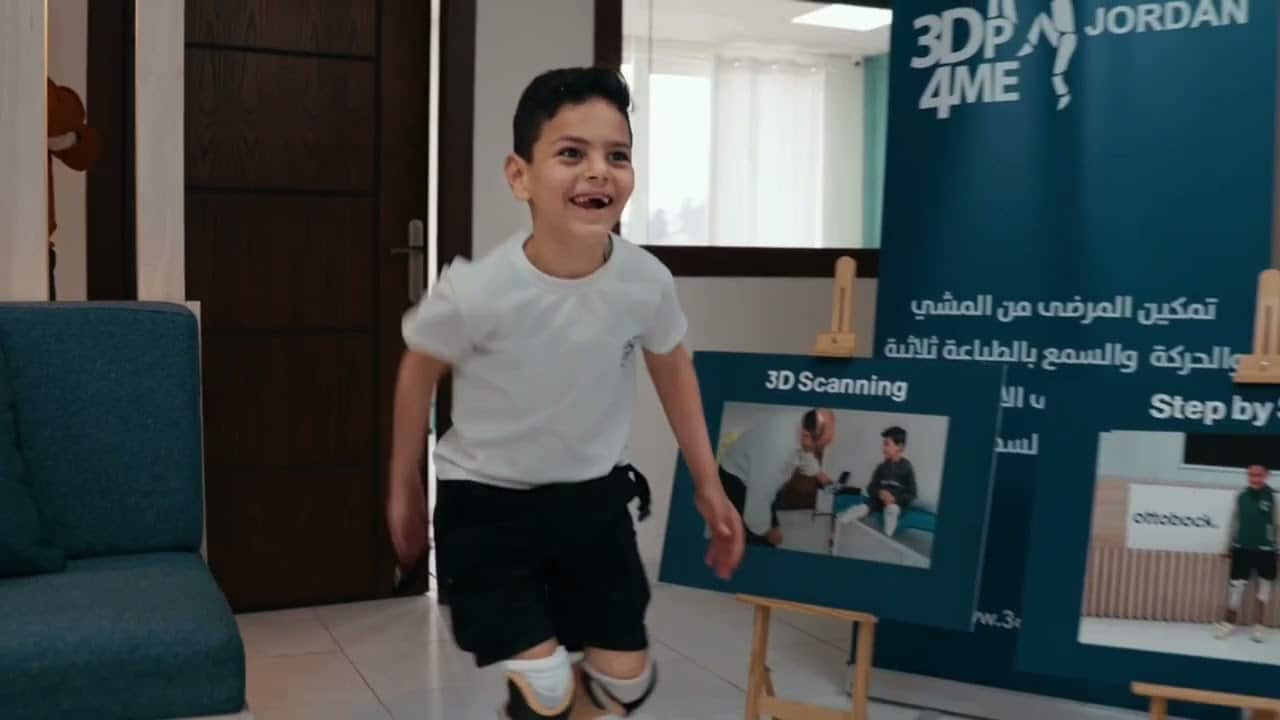
In response to this urgent need, 3DP4ME has already fitted dozens of children with custom 3D-printed prosthetic limbs after injuries from landmines, missile strikes and other battlefield trauma. In Idlib, Syria, one child who received a below-the-knee prosthesis was later photographed playing soccer, a vivid symbol of regained mobility and normalcy.
Projects in Jordan have expanded these efforts, bringing the total number of 3DP4ME-fitted prosthetic recipients to more than 25. Each prosthesis is designed to be comfortable, functional, and adaptable as children grow or as their needs change.
A New Approach to Humanitarian Health Innovation
3DP4ME’s work is part of a larger conversation about how digital technologies, advanced manufacturing and innovative funding models can help close healthcare gaps in underserved regions. Through partnerships with organizations like the Common Good Marketplace, the non-profit is also experimenting with new ways to finance prosthetic care by linking measurable outcomes (like fitting a prosthesis) to tradeable “impact assets,” enabling funders to invest in documented results rather than abstract goals.
But beyond financing, the real significance lies in what mobility means to individuals: the ability to walk, to play, to attend school, to work and to participate fully in community life. For people living in conflict-affected areas where traditional healthcare is limited or absent, these restored capabilities are much more than medical devices — they are pathways back to independence, dignity and hope.