 By
By
A breakthrough in wearable robotics is redefining what’s possible for people living with the long-term effects of stroke. In a study recently published in Nature Communications, researchers have introduced a portable hip exoskeleton that significantly improves walking efficiency for stroke survivors — an advancement that could reshape everyday mobility for millions worldwide.
Stroke often leaves individuals with a condition called hemiparetic gait, where one side of the body struggles to move in harmony with the other. This imbalance makes walking physically exhausting, because the legs must compensate through inefficient motion patterns that demand high energy expenditure. As a result, even short distances can become overwhelming obstacles.
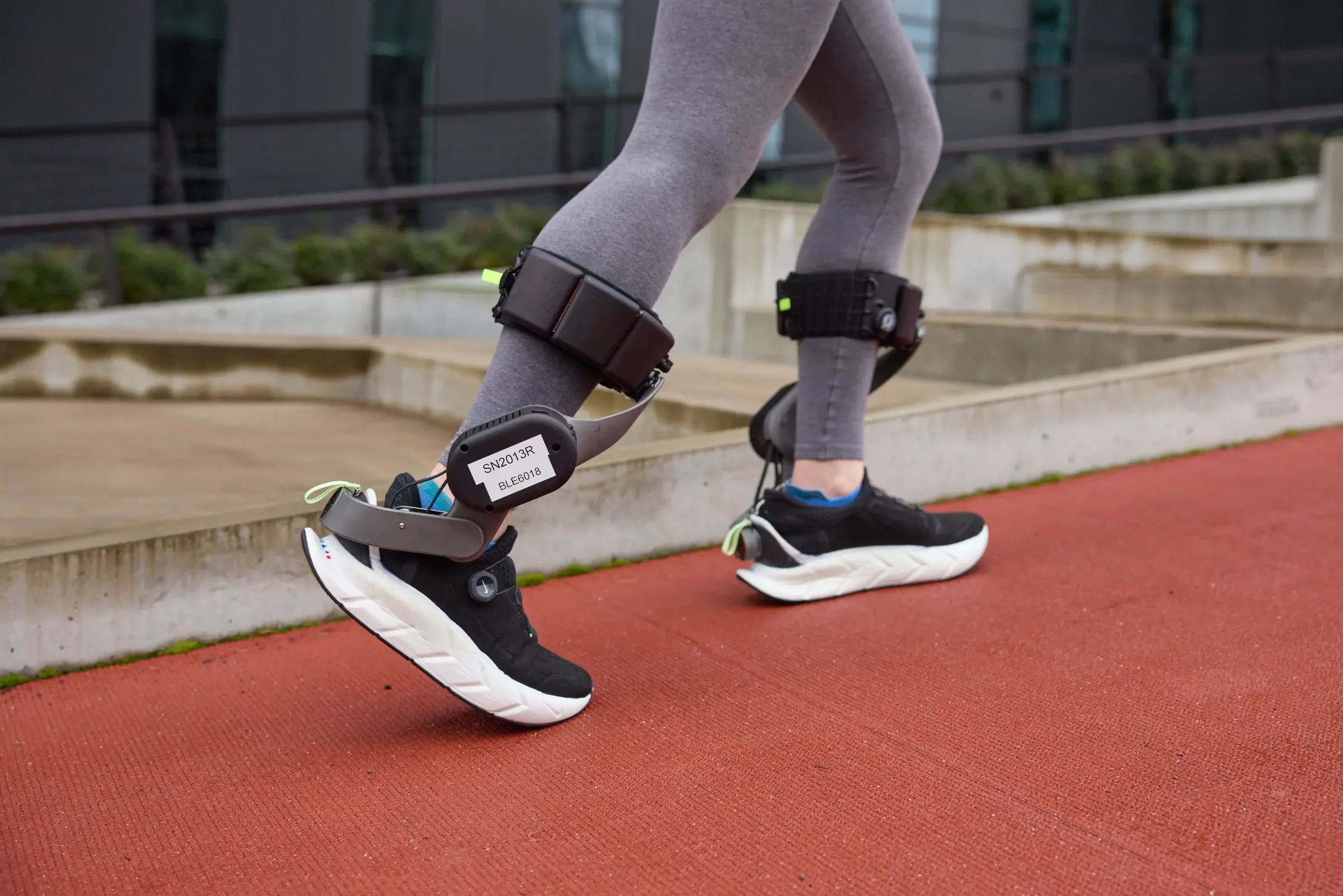
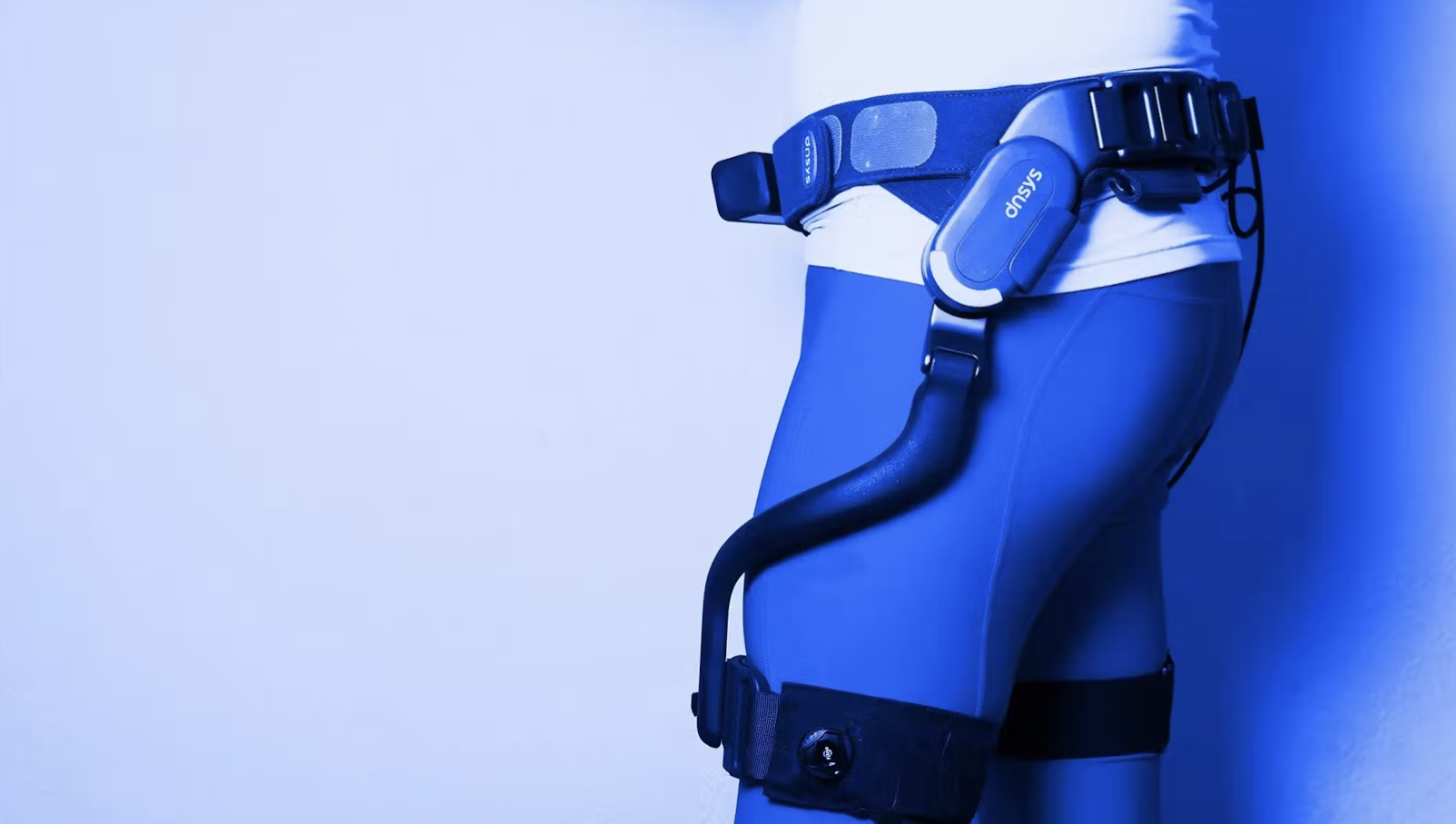
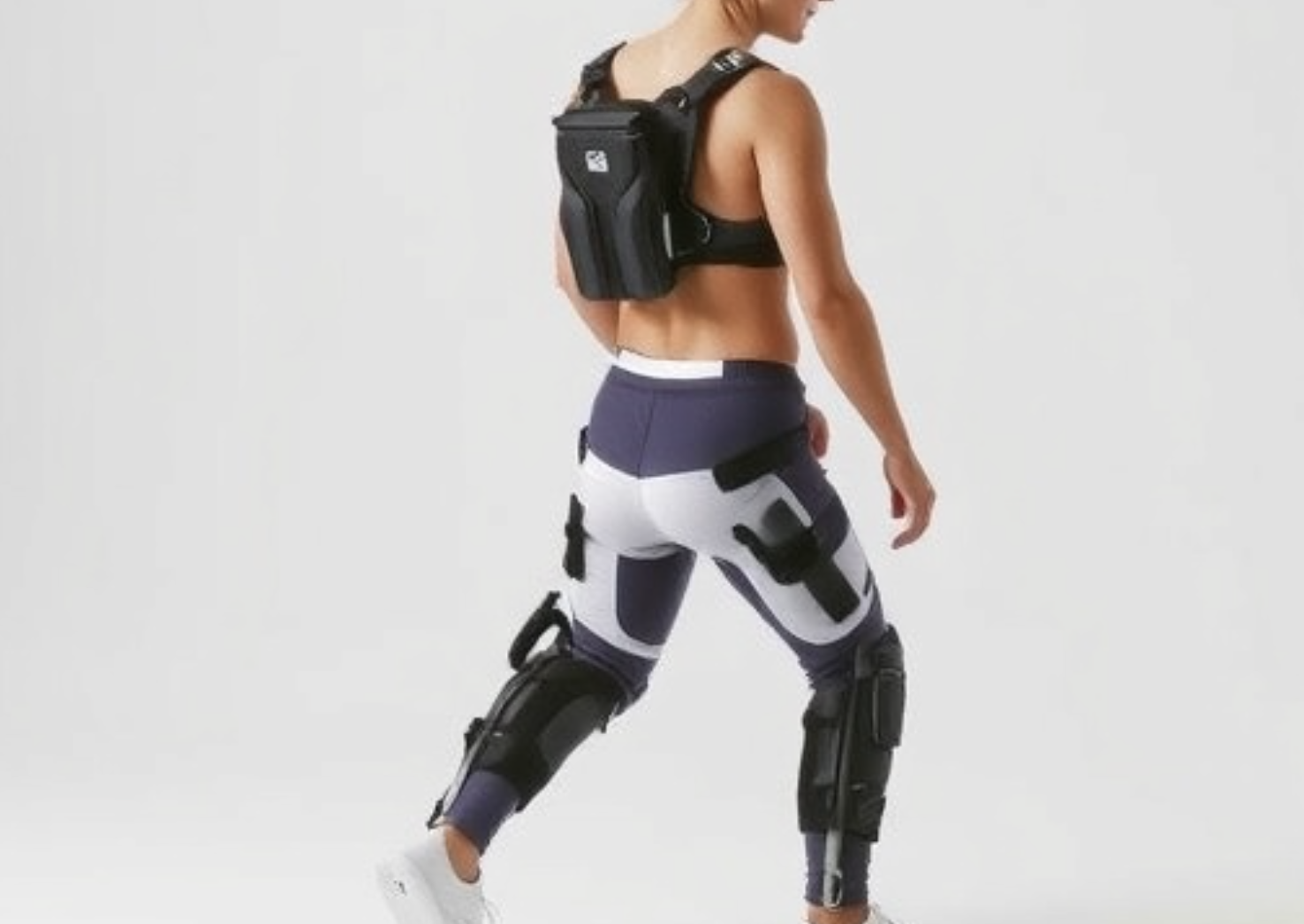
The new portable hip exoskeleton addresses this challenge by providing active mechanical support to the hip joint — a critical driver of forward movement when walking. The device uses advanced sensors and real-time control systems to detect the wearer’s intended motion and deliver precisely timed assistance that augments the weak side of the gait cycle. This helps smooth out the stride and reduces the physical effort required to walk.
Unlike traditional rehabilitation robots that require a laboratory setting or stationary treadmill, this exoskeleton is lightweight, battery-powered, and designed to be used in everyday environments. Its untethered design allows users to walk in parks, go shopping, or return home without needing continuous clinical supervision.
Tests with stroke survivors showed clear benefits: participants demonstrated lower oxygen consumption and reduced metabolic cost during walking — key measures of physical exertion — meaning walking became easier and less tiring. Improving “walking economy” in this way expands a person’s functional range, turning what once felt like a strenuous task into a more manageable activity.
Beyond the biomechanical advantages, users reported psychological gains too. Feeling less fatigued and more confident on their feet encouraged more frequent movement — a positive cycle that can enhance cardiovascular health and support long-term recovery.
Researchers emphasize that this portable exoskeleton does more than assist mobility. By making efficient walking accessible outside clinical settings, it represents a new paradigm in stroke rehabilitation — one that merges cutting-edge engineering with real-world functionality.
As stroke remains a leading cause of adult disability globally, innovations like this offer more than technical progress: they offer a chance at renewed independence and a higher quality of everyday life.