 By
By
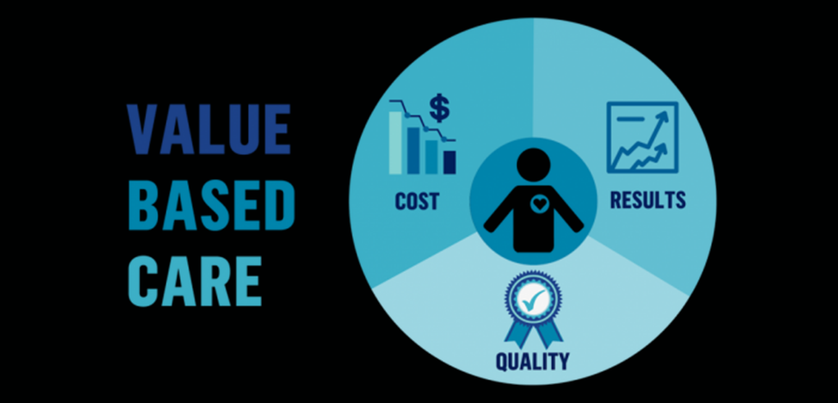
We all talk about “quality of care” in orthotics and prosthetics—safe, effective, timely, efficient, patient‑centered and equitable. Those goals are right and necessary. V alue‑based care is no longer a theory; it is becoming the structural lens through which O&P will be evaluated, reimbursed and held accountable.
But current quality frameworks remain incomplete because they still treat O&P largely as a point‑in‑time intervention. In practice, O&P is experienced by patients as a longitudinal journey. A prescription delivered and billed is only the start; real quality shows up over weeks and months, across environments, and as patients’ bodies and lives change.
Many of the most decisive quality signals do not appear in clinic notes or claims datasets. Does the device still perform when the user is fatigued? Does it work barefoot at home and on uneven terrain, not only in shoes on level ground? Can it be retuned as recovery progresses or function declines? Crucially, does it avoid the quiet failure mode we all recognise—device abandonment?
There is an intrinsic tension here. Health systems push for standardisation; patients need individualised solutions. The solution is not to eliminate variability but to govern it. Other specialties achieved this not by forcing sameness but by building modular systems, defining pathways that allow controlled deviations, providing training and guardrails, and holding services accountable for outcomes over time—not merely at delivery.
O&P must follow the same path. Quality requires care models and devices that continue to work as patients change: adaptable, serviceable, and measurable in real‑world contexts. Innovation is not the enemy of quality; it is the mechanism that makes sustained quality possible. Adaptive devices, modular components, digital tuning tools and longitudinal outcome measurement reduce downstream failures and support function where patients actually live.
As value‑based models accelerate, we need to shift our metrics from single‑visit outputs to longitudinal outcomes that reflect daily life. For colleagues working in neurorehabilitation and stroke recovery: what outcomes would you want tracked to capture real‑world function? Which measures would convince payers and MDTs that a device is delivering lasting value? Your insights will help shape quality frameworks that are both standardised and genuinely patient‑centred.