 By
By
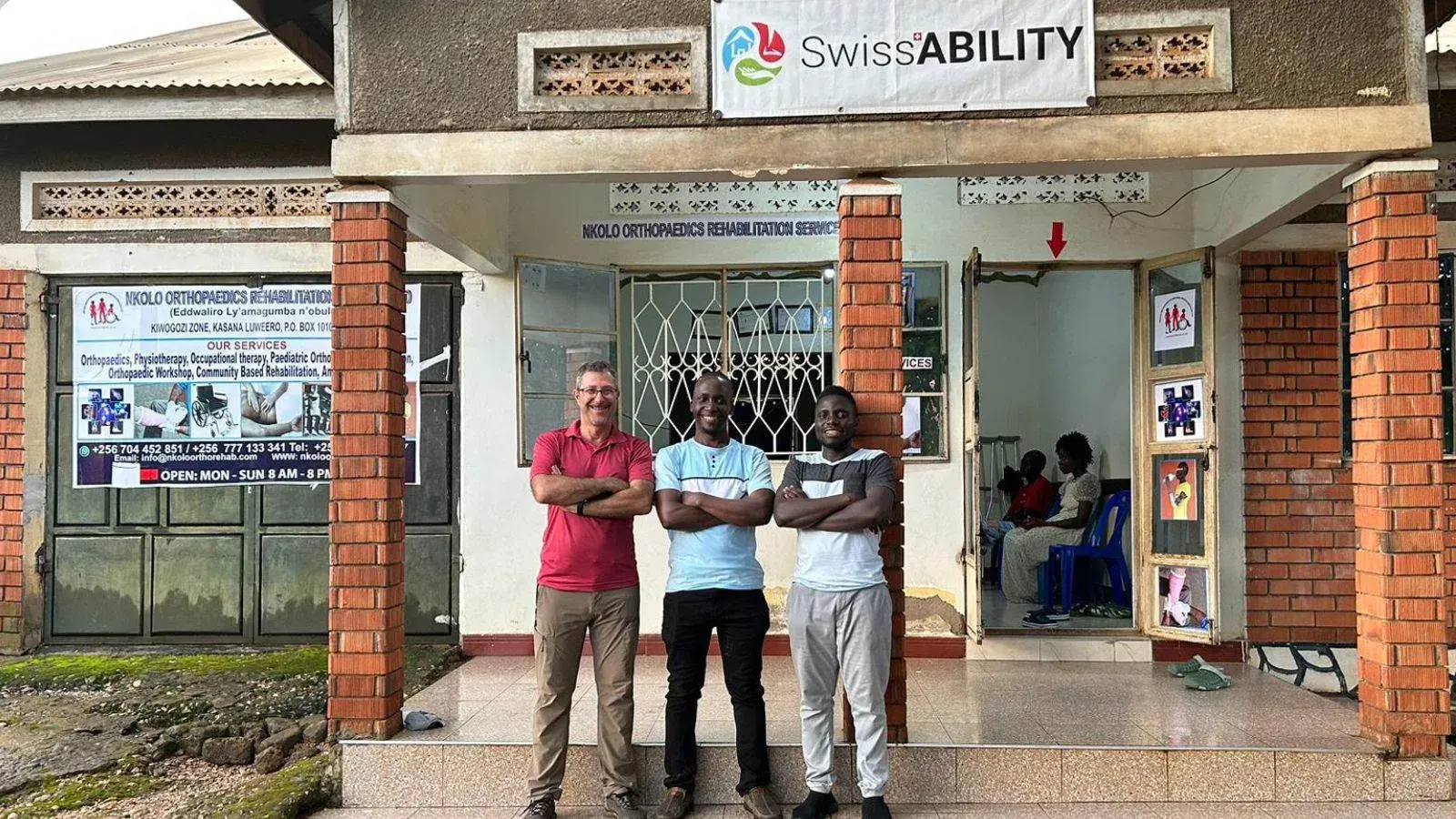
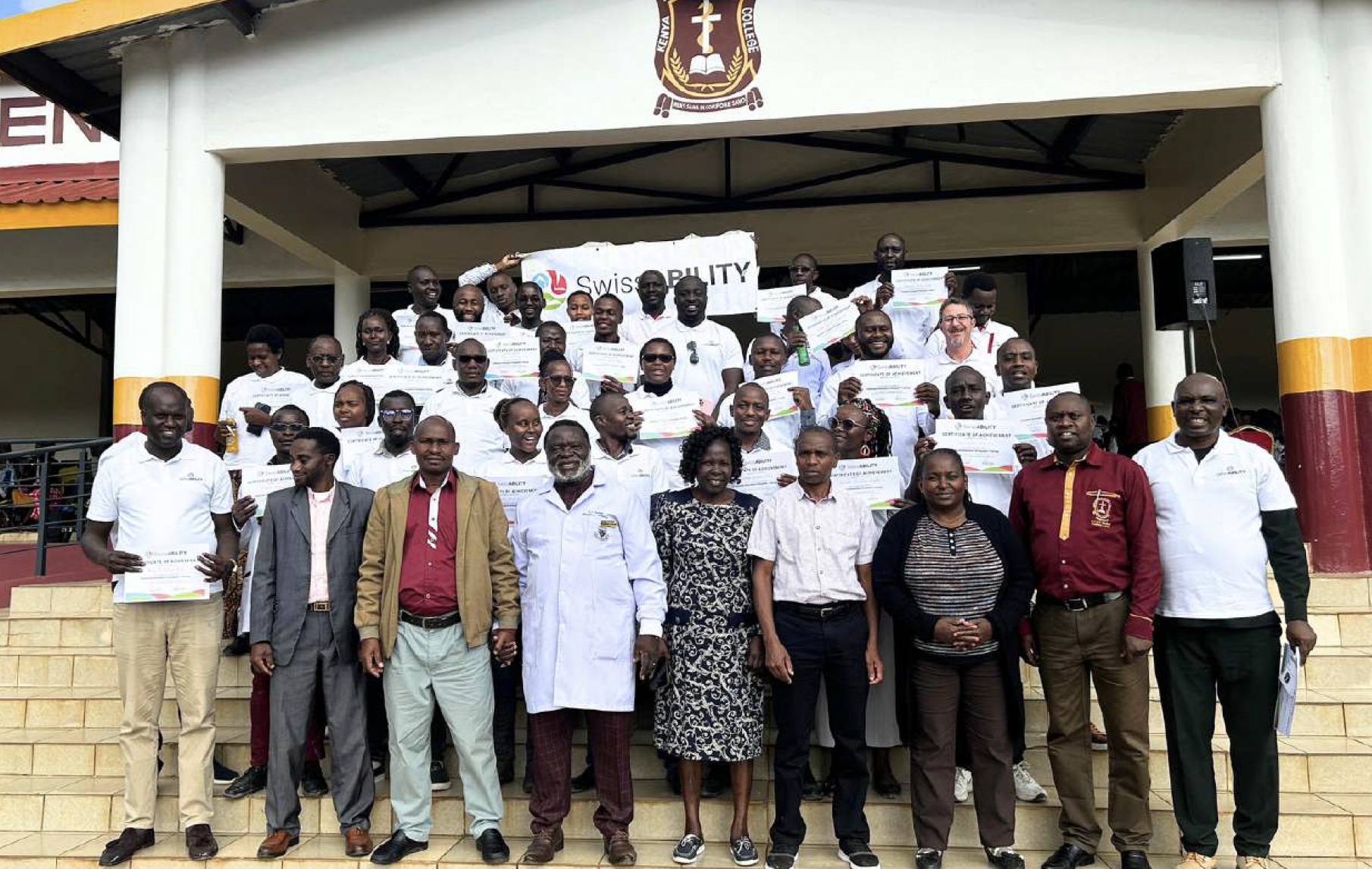
The Swiss-based NGO SwissABILITY has partnered with ISAD (Initiative Solidaire des Actions de Développement) in the Casamance region of southern Senegal to launch a mobile clinic initiative that aims to restore mobility and dignity to people with limb loss.
This is a vital intervention. The Casamance region has a high number of amputees, largely resulting from decades of conflict and land-mine contamination. Local rehabilitation services have been limited, and until recently many survivors had little or no access to prosthetic limbs.
Why This Matters for the O&P Field
For professionals in orthotics & prosthetics, especially those engaged in humanitarian and outreach work across the IMEA region, this initiative is a compelling example of how a mobile, lean-deployment model can make a major difference:
-
Access in remote areas: The mobile clinic model enables delivery of services in areas that would otherwise be underserved or logistically unreachable by traditional fixed-facility prosthetic centres.
-
Focused on capacity-building: SwissABILITY emphasises not only direct prosthetic & orthotic delivery, but also training local rehabilitation professionals and setting up infrastructure to enable sustainable care. swiss-ability.org+1
-
Integrated allied services: The mobile clinic isn’t just about fitting a limb – it’s about rehabilitation, workshop set-up, prosthetic fabrication capability and ensuring the person with a disability can reintegrate into daily life with function and dignity.
-
Scalable model for IMEA: With many regions in the Middle East, Africa and South Asia facing similar challenges (displacement, conflict-injury, remote communities), the learnings from the Casamance initiative may be directly adaptable.
Key Initiative Highlights
-
The project is structured around the construction of an orthopaedic and physiotherapy workshop in Ziguinchor (Casamance) equipped with prosthetic manufacturing machinery and assistive devices. swiss-ability.org
-
It includes training of rehabilitation professionals — critical for local capacity and long-term sustainability. swiss-ability.org
-
Purchase and deployment of a mobile clinic unit to reach beneficiaries in remote communities. The mobile unit model helps bridge the gap where fixed infrastructure is lacking. swiss-ability.org
-
The work is done in partnership with ISAD (formerly known as Association des Victimes de Mines) whose local insights and networks help ensure outreach is effective and culturally appropriate. swiss-ability.org
Voices from the Field
“Thanks to the Pro Solidar Foundation, this mobile clinic will now reach amputees in the Casamance region!” — SwissABILITY
This reflects the tangible impact of global partnerships and donors joining forces with local associations to deliver rehabilitation services where they are most needed.
What This Means for IMEA-based O&P Practitioners
If you are working in orthotics & prosthetics within the Middle East, Africa or Asia (the IMEA region), here are some takeaways for your own outreach or service-design efforts:
-
Mobile vs fixed facility: Consider when a mobile unit might complement or precede a fixed workshop. In settings where geography or conflict prevents easy access, a mobile solution may be a practical first step.
-
Workshop-plus-training: The combination of in-country fabrication workshop + training local staff ensures the service doesn’t just stop at one-off deliveries, but leads to sustainable local capacity.
-
Local partnerships: Working with local NGOs, associations of persons with disabilities (APDs) or mine-victim associations (as in the Casamance case) can significantly improve reach and legitimacy of services.
-
Donor & funding models: Successful outreach hinges on blended funding (grants, non-profit partnerships, in-kind donations). Awareness of such models can help you structure your own projects.
-
Tracking outcomes: While the article above focuses on delivery, ensure your outreach initiative includes metrics (number of limbs fitted, follow-up rehab, user satisfaction, reintegration into community). These data help secure future funding and refine your model.
A Call to Engage
If you are an O&P practitioner, workshop manager, humanitarian outreach coordinator or donor-partner in the IMEA region:
-
Review the SwissABILITY-ISAD mobile clinic model and reflect on how similar mobile outreach could be leveraged in your context (e.g., border-areas, internally-displaced populations, post-conflict zones).
-
Consider initiating dialogue with local stakeholders (APDs, ministries of health, NGOs) to identify underserved zones where a mobile prosthetic/orthotic service might make breakthrough impact.
-
Share your experience: If you’ve done outreach work, mobile clinics or capacity-building in remote areas, publish or present your lessons learned. The global O&P community benefits when we share models and evidence.
Conclusion
The SwissABILITY & ISAD mobile clinic initiative in Casamance exemplifies a compassionate, technically sound, and context-aware approach to restoring mobility to people with limb loss in remote and challenging environments. For the IMEA O&P sector, it offers both inspiration and practical guidance. As the user-base we serve expands across geographies—and as digital manufacturing, mobile workflows and outreach models evolve—this kind of project will likely become a template for impact.

.jpeg)

-1.png "Gaza Fund (1)-1")