 By
By
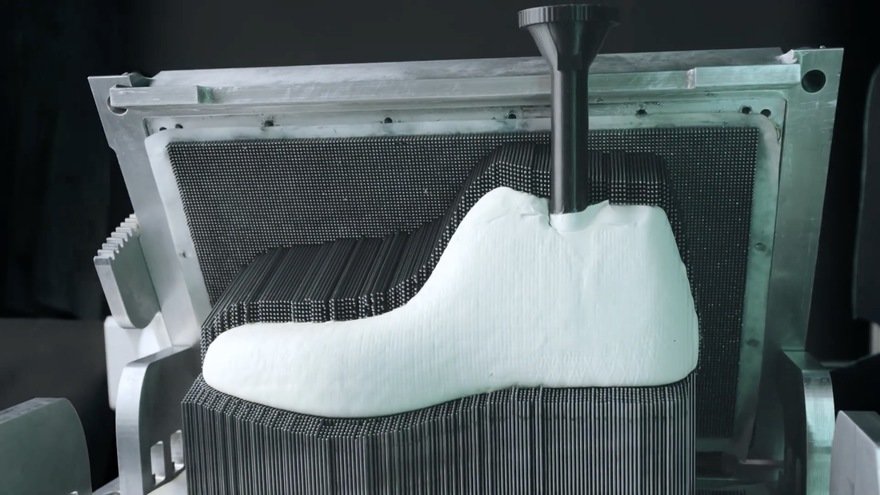
Imagine a mold that you don’t build once and store — but reconfigure, reuse, and reshape on demand. That’s the promise of PolyMorphic Moulding, and for orthotics, prosthetics, custom footwear, and medical device labs, it could represent a paradigm shift in how we translate digital designs into physical devices.
What Is PolyMorphic Moulding?
-
Rather than casting single-use molds or carving wooden lasts, PolyMorphic uses a densely packed array of digitally controlled pins (≈28,000) that can be repositioned to match any 3D CAD model. Once configured, the mold can withstand high forming pressures (up to ~6 tons per pin) — suitable for vacuum forming, PU/foam casting, composite layup, and other molding processes.
-
The configuration process takes about 20 minutes, and after use, the mold can be reset and reconfigured for a new shape — no storage, no scrap, no waste.
-
The system comprises a forming machine, the reconfigurable “pin tool,” and proprietary CAD-to-mold software that translates patient- or design-specific 3D geometry into pin positions.
Thus, you essentially treat your mold stock as “digital inventory” — only CAD files, not physical blanks, need storage.
Where PolyMorphic Fits in O&P Workflows
Because O&P — particularly orthotics, custom footwear, insoles, and some prosthetic components — often deals with patient-specific shapes and low-to-medium production volumes, PolyMorphic aligns well with real-world needs. Here’s how it could integrate into typical workflows:
• Custom Footwear, Insoles & Diabetic Shoes
-
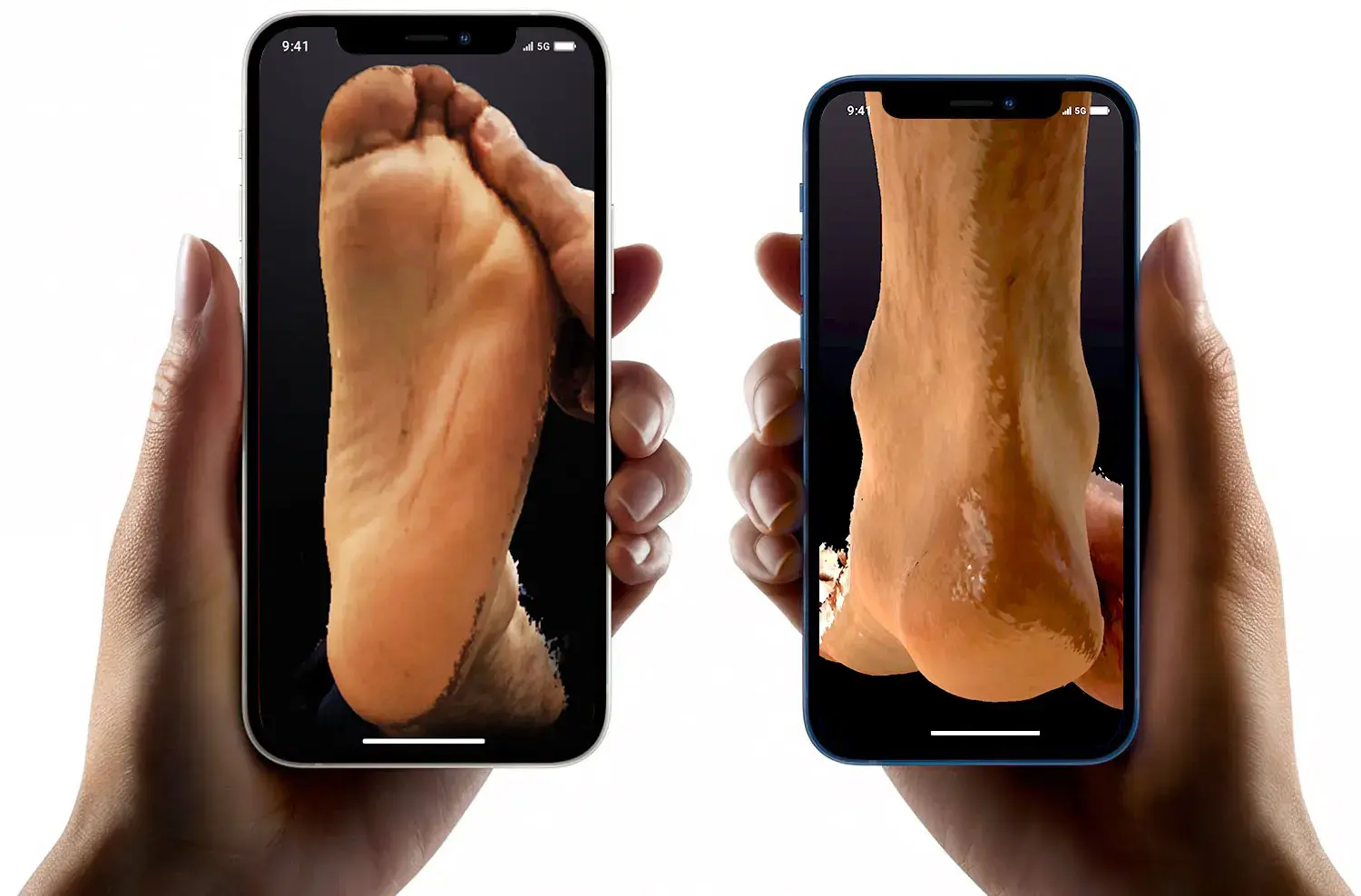
After scanning a patient’s foot (via 3D scan or pressure scan + geometry), import the scan into CAD and adjust needed accommodations (e.g. offloading zones, heel cup, arch support).
-
Use PolyMorphic to generate a custom mold (shoe last or insole form) matching the patient’s anatomy.
-
Vacuum-form or foam-cast the orthotic insole or shoe shell.
-
Result: a fully individualised orthotic insert or shoe shell with precise fit — potentially much faster and more sustainable than carving lasts by hand, machining them, or 3D printing large shells.
For patient groups like diabetics, neuropathy, or pediatric populations — where anatomy varies widely — this means better fit, less waste, and a scalable custom solution.
• Custom AFO/KAFO Shells, Orthoses & Braces
-
For custom bracing or orthotic shells needing a patient-specific outer contour, PolyMorphic can be used to create molds tailored to the individual’s limb/cast geometry.
-
Once molded, the shell can be trimmed or laminated with other materials as needed.
-
Because molds can be reused/reconfigured, you avoid the long lead times and waste associated with traditional casting or static tooling — useful for frequent design iterations.
• Prosthetic Cosmesis, Liners, and Custom Socket Covers
-
For cosmetic shells, soft liners, protective covers, or custom socket shapes (especially in areas where aesthetics, comfort, or foot/limb geometry are complex), PolyMorphic could produce molds quickly that match the patient’s anatomical scan.
-
Given the lower-volume, highly customised nature of prosthetic cosmesis/cover fabrication, a reconfigurable mold is more viable than industrial injection molding.
Key Advantages for O&P
• Rapid, Cost-Effective Customization
Rather than waiting weeks or buying multiple dedicated molds/lasts for different patients, clinics can generate patient-specific molds in minutes — reducing wait times and increasing responsiveness.
• Lower Waste & Lower Storage Overhead
Because molds are reused and reconfigured, there’s no accumulation of unused tooling, plastic blanks, or wooden lasts. This supports sustainability goals and reduces waste disposal / storage costs.
• Flexibility for Bespoke, Low-Volume, or Variably-Sized Work
Perfect for clinics dealing with highly variable anatomies, small batches, humanitarian work, or custom footwear/orthoses.
• Integration with Digital Workflows
Since the process starts from a 3D CAD model (from scan), PolyMorphic fits well into scan-to-print or scan-to-form workflows — ideal for modern digital O&P labs aiming for end-to-end digital manufacturing.
• Reduced Lead Time vs Traditional Tooling or 3D Printing (for Some Use Cases)
For parts like shoe lasts, insoles, or orthosis shells — molding via PolyMorphic can be significantly faster than printing, especially when multiple iterations or different geometries are needed.
What It’s Not — Limitations to Be Mindful Of
PolyMorphic is not a universal replacement for every manufacturing method. Some cautions (also echoed in the original Core77 coverage):
-
Surface quality / finish may be limited. For applications requiring very smooth surfaces, tight tolerances, or high-end cosmetic finish (e.g. high-polish shells, prosthetic cosmetic covers), traditional molds or post-processing may still be needed.
-
Not suited for high-volume injection molding. Because it’s thermoset or pin-based tooling, it lacks the strength, thermal resistance, and cooling needed for high-speed thermoplastic injection molding.
-
Manual steps may remain. Some workflows (e.g. silicone sock removal, molding, finishing) still require manual labor, especially for composite layups or custom materials.
-
Batch production – not mass production. The system excels in small-batch, custom, or bespoke manufacturing, but may not be efficient for mass production at scale.
Why It’s Especially Relevant for the IMEA / Global O&P Context
Given your deep engagement with digital manufacturing, humanitarian prosthetic initiatives, and regional scale-up in O&P — PolyMorphic Moulding could be a strategic enabler:
-
Low-volume, high-customisation demand — Many patients in humanitarian or remote settings require custom devices; mass-manufacturing is not cost-effective. A reconfigurable mold lets you deliver quality custom devices affordably.
-
Sustainability and waste reduction — In regions where waste disposal is a challenge, avoiding disposable molds (plaster, foam, silicone) reduces environmental and operational burdens.
-
Reduced logistics burden — Instead of shipping heavy molds or stocking many sizes/lasts, clinics can store digital CAD models — reducing freight, storage, and import/export complications.
-
Rapid turnaround for urgent needs — For post-surgical limbs, diabetic wound patients, or disaster-response cases — ability to quickly produce custom footwear/orthoses can improve patient outcomes and throughput.
Conclusion: A New Tool for Custom, Patient-Centric Manufacturing
PolyMorphic Moulding doesn’t replace every manufacturing method — but for orthotics, prosthetics, custom footwear, and bespoke medical devices, it offers a compelling alternative. By bridging digital design, rapid reconfigurable tooling, and low-waste, patient-specific molding, it aligns well with modern O&P clinics aiming for customization, sustainability, speed, and scalability.
For practitioners, manufacturers, and humanitarian programs investing in scan-to-manufacture workflows — this technology could become a game-changer. It’s not about replacing CNC, 3D printing or injection molding — but about expanding your toolkit with a flexible, efficient, and patient-centric method for custom device fabrication.