 By
By
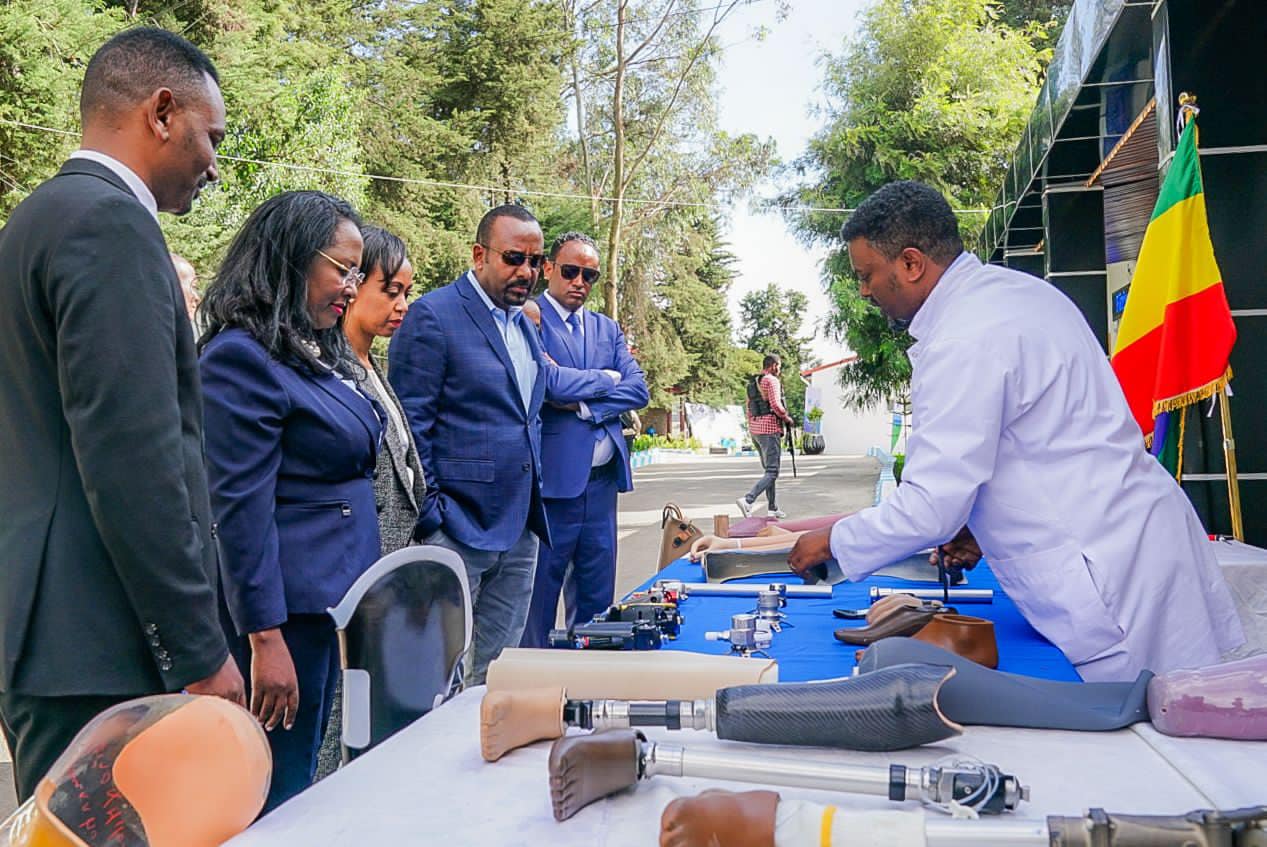
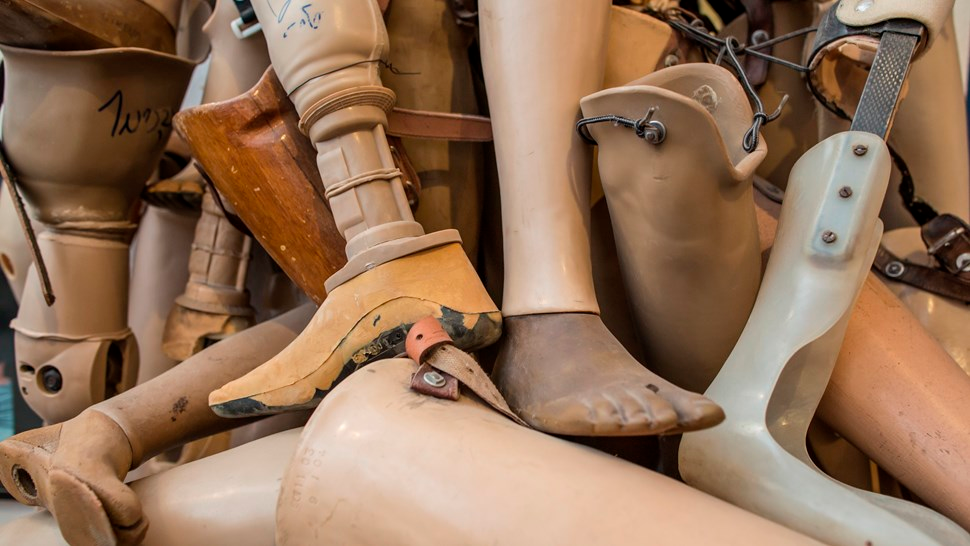
Ethiopia’s orthotics, prosthetics, and physical rehabilitation sector is shaped by a unique combination of scale (one of Africa’s largest populations), a significant burden of injury and mobility impairment, and a steadily rising load of non-communicable diseases (NCDs)—particularly diabetes and stroke. The result is strong and sustained need for prosthetic limbs, orthotic bracing (especially lower-limb), diabetic foot protection/offloading, mobility aids, physiotherapy, and long-term repairs.
As with other “rebuilding a system” stories across IMEA CPO, the central challenge is not only producing devices—but strengthening the full rehabilitation pathway: referral, assessment, fabrication, fitting, therapy, follow-up, and maintenance—so outcomes remain consistent beyond the initial fitting.
Prevalence & demand drivers (key statistics)
Diabetes
Diabetes is an increasingly important driver of diabetic foot ulcers, infection risk, and preventable amputations, increasing demand for protective footwear, custom foot orthoses/offloading, and early intervention pathways. The International Diabetes Federation (IDF) estimates for Ethiopia (2024):
- 4.4% diabetes prevalence among adults (20–79)
- ~2,297,300 adults living with diabetes
Stroke
Stroke contributes heavily to disability needs requiring AFOs/KAFOs, mobility aids, upper-limb supports, and long-term neurorehabilitation. Recent Ethiopia-focused clinical literature (WHO-referenced) reports:
- Stroke contributed ~6.23% of total deaths (2017) and an age-adjusted stroke death rate of ~89.82 per 100,000
Persons with disabilities
Disability prevalence estimates vary widely by methodology. Two frequently cited figures include:
- 2007 Population & Housing Census: ~1.09% disability prevalence
- A WHO/World Bank (2011) estimate referenced in national reporting: ~17.6% living with some form of disability
(The gap reflects differences in definitions and measurement approaches; for planning, most stakeholders triangulate multiple sources.)
Amputations
A single “national amputee total” is not consistently published in a way that is comparable year-to-year. However, Ethiopia’s demand for prosthetic services is strongly linked to trauma, infection/vascular disease (including diabetes), and conflict-related injuries, with a significant share of service delivery occurring through physical rehabilitation centres supported by humanitarian partners.
Ethiopia O&P system snapshot
Ethiopia’s service landscape is best understood as a mix of:
- Government-linked physical rehabilitation centres supported over decades through the ICRC physical rehabilitation programme
- National NGOs with established workshops producing prostheses, orthoses, and mobility aids
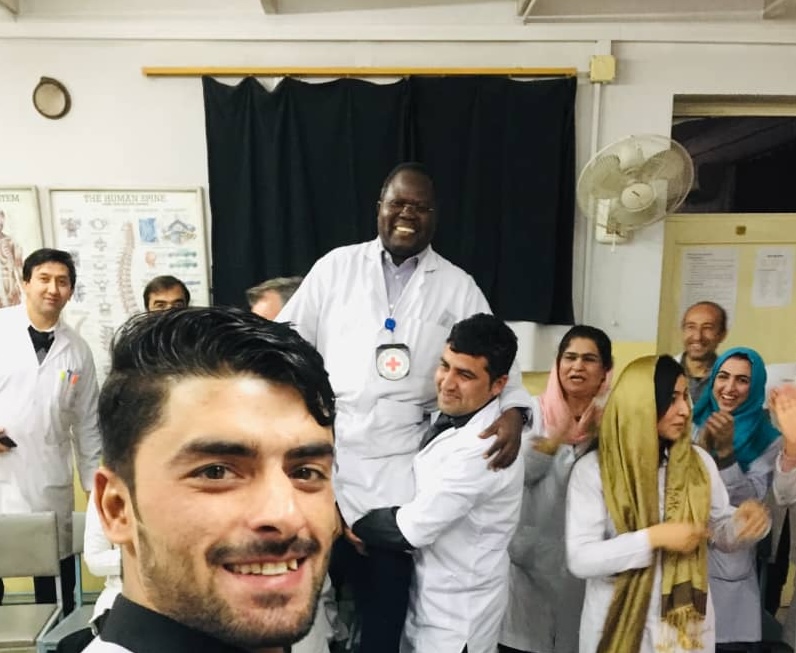
- Training pipelines (including ICRC-supported education initiatives) helping expand workforce capacity
ICRC reporting from its physical rehabilitation programme describes support to centres in locations including Arba Minch, Assela, Bahir Dar, Dessie, Dire Dawa, Mekele, Menegesha, and the establishment/expansion of centres such as Assosa, Gambella, and Nekemte—illustrating a national network approach rather than a single-site model.
Top orthotic & prosthetic service providers in Ethiopia
A practical list of visible service anchors shaping national delivery:
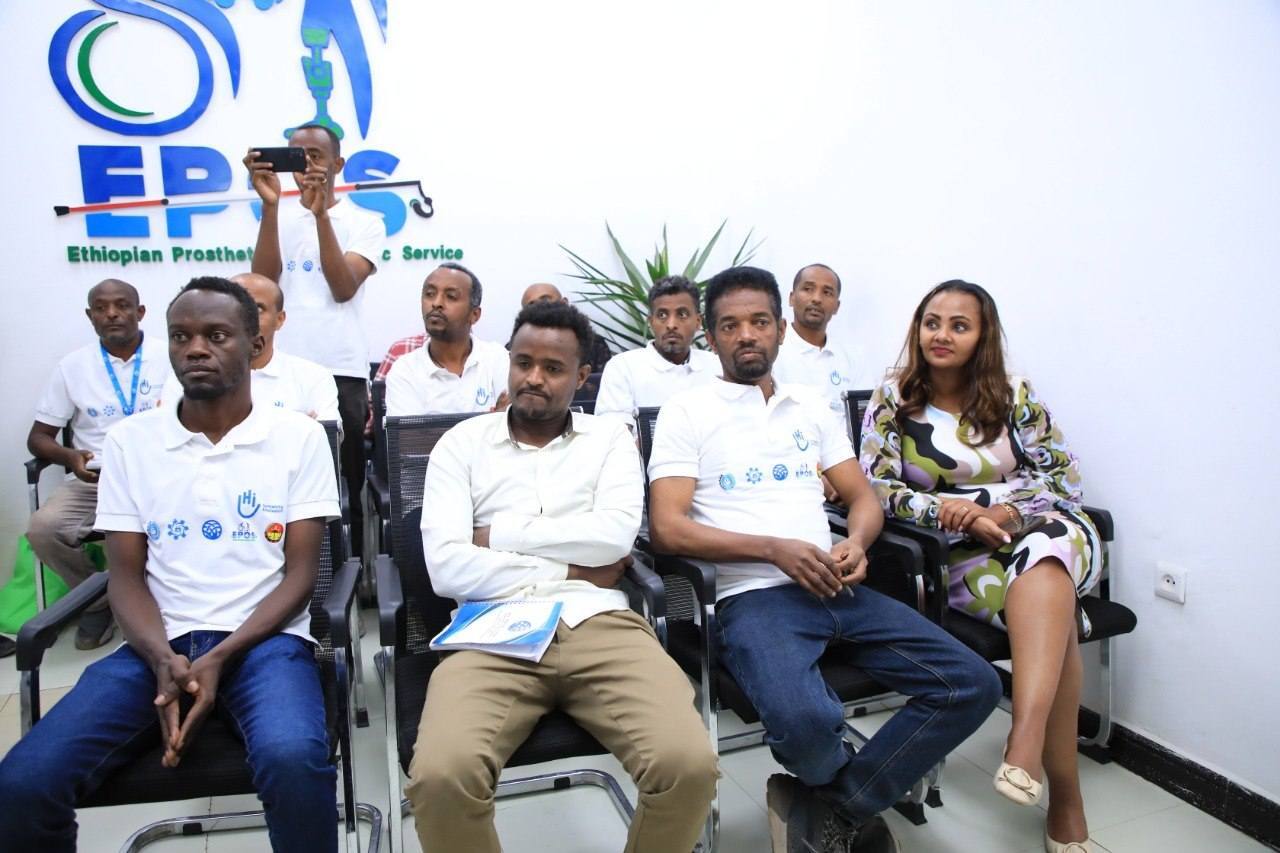
1) Ethiopian Prosthetic & Orthotic Service (EPOS) – Addis Ababa
A long-standing national provider focused on prosthetics and orthotics services and patient care, widely referenced as a key access point in the capital.
2) Cheshire Ethiopia – Rehabilitation Centres & Workshops (including Menagesha, Hawassa, Dire Dawa)
One of Ethiopia’s best-known disability and rehabilitation NGOs, operating centres with prosthetic/orthotic workshops and a wider set of rehabilitation services and mobility aids production.
3) ICRC-supported Physical Rehabilitation Centres (multi-region network)
A core backbone of Ethiopia’s O&P ecosystem, supporting device provision and physiotherapy in multiple regions through long-term programming and partnerships with local authorities and NGOs.
4) Orthopaedic Vocational & Educational Training College (OTVETC) – Addis Ababa (workforce pipeline)
While not a “service provider” in the classic clinic sense, Ethiopia’s system strength is tightly linked to training; ICRC coverage highlights structured education aimed at building national rehabilitation expertise.
Key challenges
- NCD growth pressure: diabetes (~2.3M adults) and stroke disability are increasing long-term orthotic and rehab demand
- Follow-up and repairs: long travel distances and device maintenance needs can reduce continuity of care—making repair capacity and durable device design essential
- Workforce capacity: demand growth requires continuous training output and skills upgrading, especially for complex cases and high-volume orthotic needs
Growth opportunities (what comes next)
- Diabetic foot prevention at scale: screening + early offloading + protective footwear/orthoses + referral pathways (high ROI in avoided ulcers/amputations)
- Hub-and-spoke service design: regional assessment/fitting linked to stronger fabrication/repair hubs to reduce travel barriers and improve follow-up
- Standardised outcomes + repair programs to reduce downtime and extend device life, especially for rural users
- Workforce investment: expand training throughput and continuing education to match caseload growth
IMEA CPO outlook
Ethiopia is a high-impact rehabilitation market where strengthening orthotics and prosthetics has immediate benefits for mobility, independence, and participation. With diabetes prevalence at 4.4% (adults 20–79) and stroke mortality/disability pressures, the biggest national wins come from prevention (diabetic foot), resilient regional service coverage, and strong repair/follow-up capacity—built on the country’s existing network of rehabilitation centres and long-standing providers.